The question of whether we are alone in the universe has fascinated scientists for centuries. Although we don’t yet have evidence of intelligent alien life, there are several theories and indications that life could exist elsewhere.
10. Panspermia: life spreading throughout the universe
What if life did not originate on Earth, but was brought here by comets or meteorites? This idea is known as panspermia.
Some scientists think microbes may have originated on Mars or elsewhere in the solar system and been launched into space by impacts. Recent experiments show that certain microorganisms can survive extreme conditions such as vacuum and radiation, making this idea even more credible.
9. Signals of technological civilizations
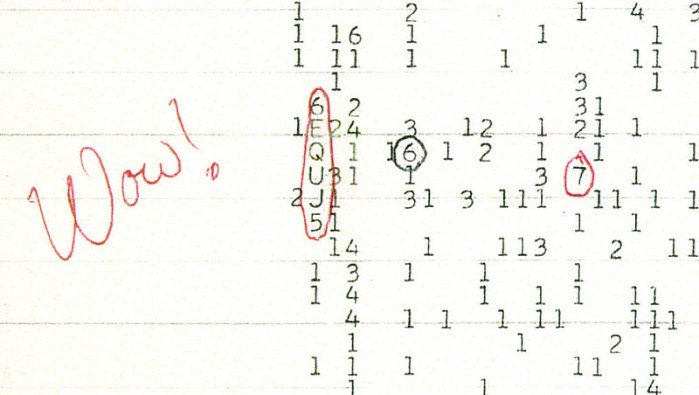
The SETI (Search for Extraterrestrial Intelligence) projects have been searching the cosmos for extraterrestrial radio signals for decades. While we haven’t found anything definitive yet, unexplained signals like the 1977 “Wow! Signal” continue to pique our curiosity.
8. Alien life in underground biospheres
Not all planets need to have surface layers full of oceans and oxygen to support life. Some scientists think that underground biospheres, such as deep beneath the surface of Mars or exoplanets, could provide a safe haven for microbial life.
Even on Earth, we find organisms miles deep in the Earth’s crust, where they live on chemical energy instead of sunlight. Its ongoing relevance and widespread popularity remain as strong as ever.
7. ‘Oumuamua: an interstellar mystery
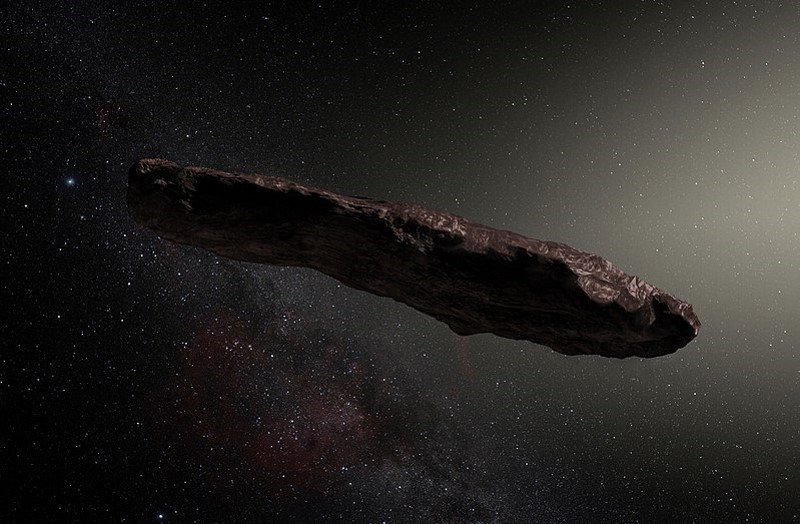
In 2017, a strange object passed through our solar system: ‘Oumuamua. It had no obvious features of a comet or asteroid, showed no visible tail and accelerated in a way that gravity alone could not explain.
Some scientists, including Harvard’s Avi Loeb, suggested it could be an alien artifact, like a lightsail. Most astronomers now believe there is a natural explanation, although not everyone agrees on which one. Proposals ranged from a hydrogen iceberg to a nitrogen iceberg from a Pluto-like planet; the latter theory was later refuted because si
6. Titan’s strange chemistry
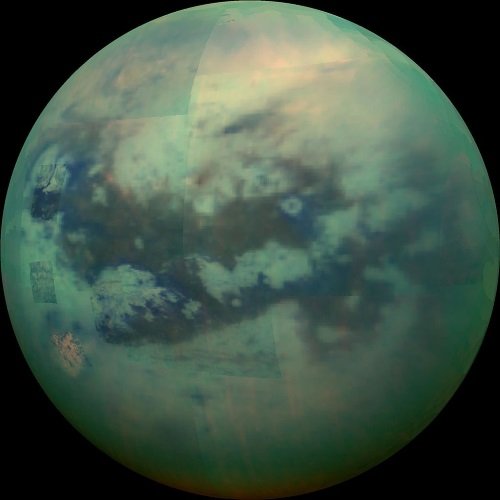
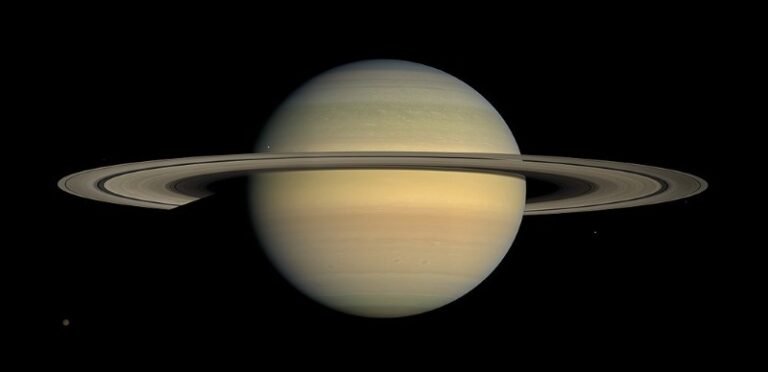
Saturn’s moon Titan is the only moon in the solar system with a thick atmosphere and liquids on its surface, but instead of water, they are lakes of liquid methane and ethane. The Cassini-Huygens mission discovered chemical reactions that resemble early processes on the young Earth.
Although life as we know it could not exist, a completely different type of methane life would be possible. Its ongoing relevance and widespread popularity remain as strong as ever.
5. Exoplanets in the habitable zone
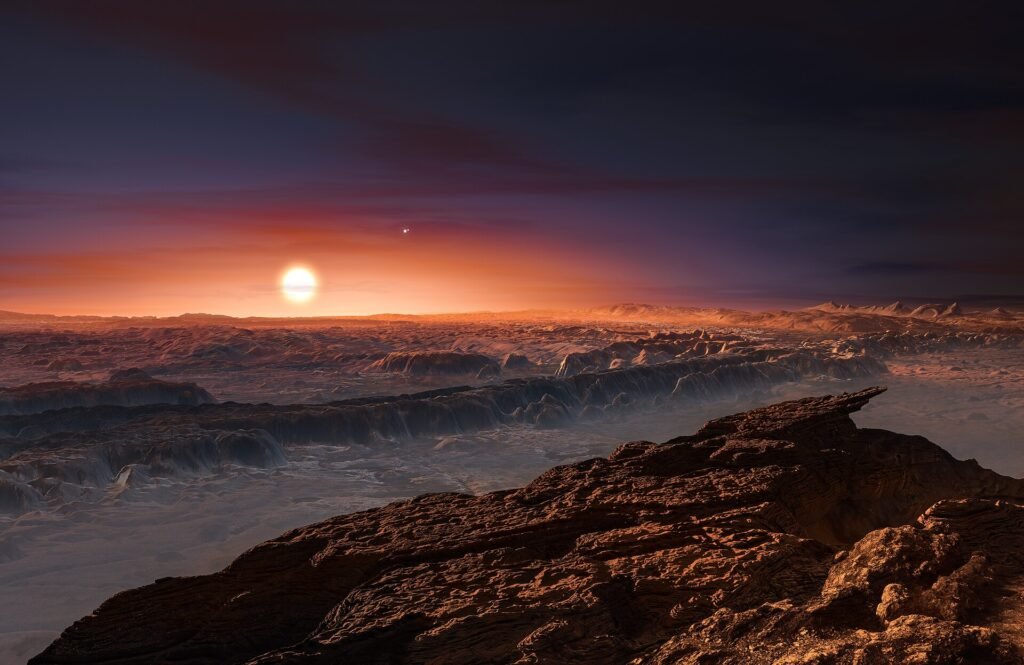
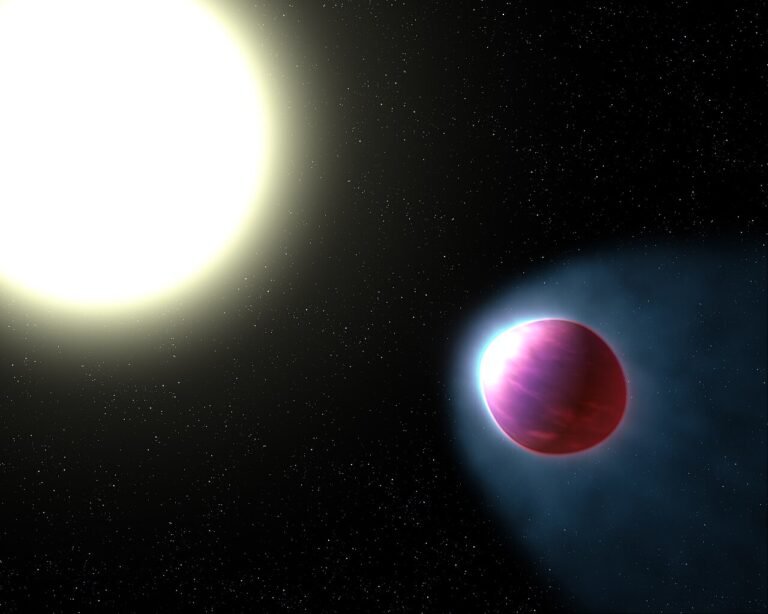
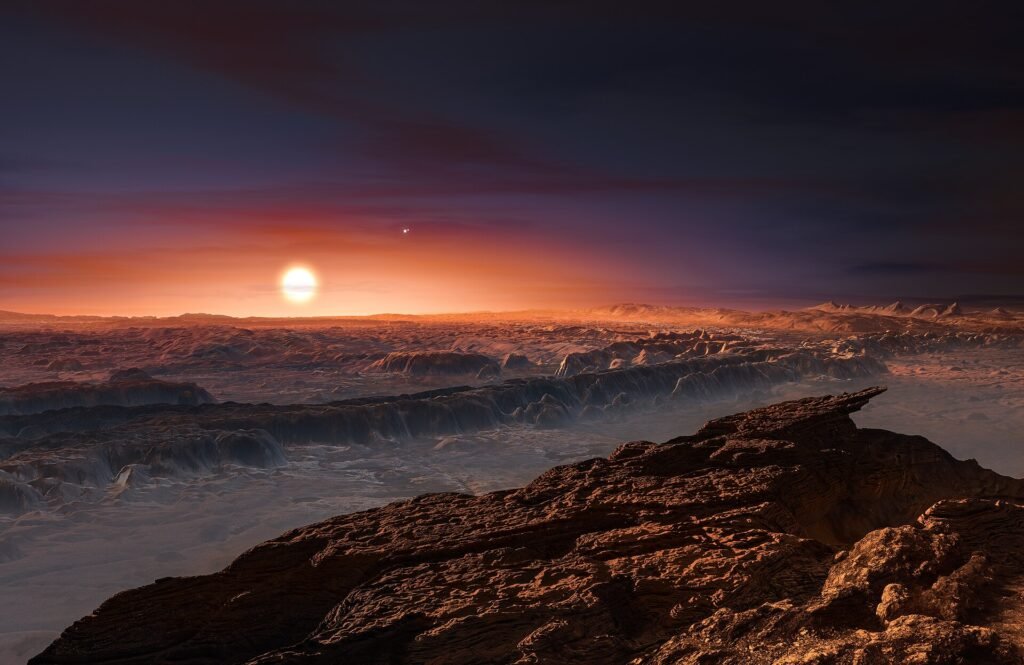
Since the discovery of thousands of exoplanets, we know that countless worlds exist within the golden zone, the area around a star where liquid water is possible. Planets like Proxima b and the TRAPPIST-1 exoplanets have surface temperatures that could be habitable. Some of these planets are located around red dwarf stars, meaning they may have had stable conditions for billions of years.
4. Venus’ clouds full of mysterious gases
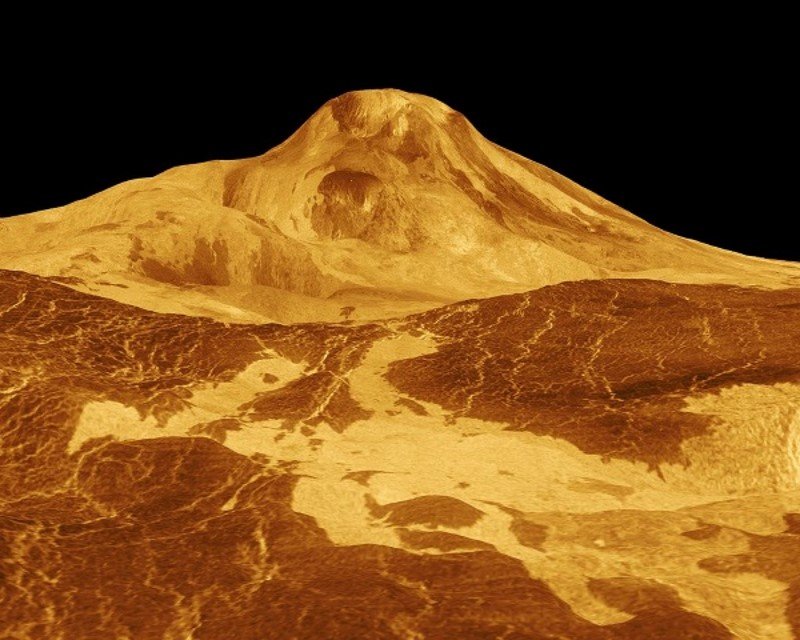
Although Venus is an inferno of heat and pressure on the surface, scientists have found strange chemical signals in the upper atmosphere. In 2020, astronomers discovered phosphine, a gas produced mainly by bacteria on Earth.
The discovery led to years of wrangling. Several follow-up studies initially found no trace of the gas, and critics suggested that the signal was actually sulfur dioxide. However, more recent, more extensive measurements with the James Clerk Maxwell telescope have repeatedly recovered the phosphine signal, and so far no one has been able to pinpoint a non-biological process causing the
3. Enceladus and its geysers
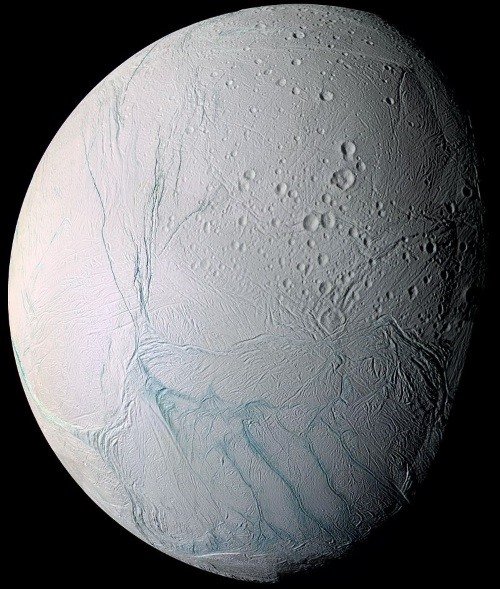
Saturn’s moon Enceladus spews gigantic geysers of water vapor and organic molecules into space. This points to an underground ocean with possible energy sources that could support life.
The Cassini probe flew through these plumes and found complex organic material, indicating that Enceladus may contain all the ingredients for life. Its ongoing relevance and widespread popularity remain as strong as ever.
2. Europa’s subterranean ocean
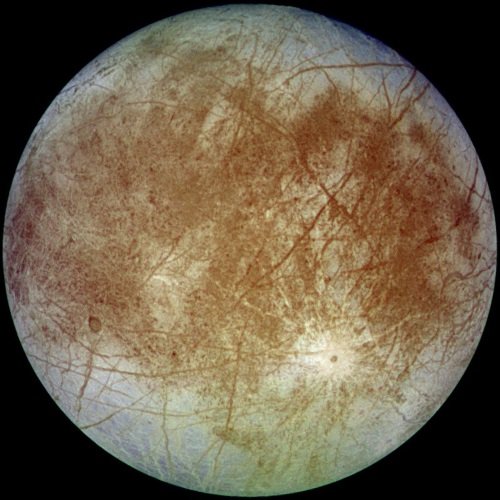
Jupiter’s moon Europa has a thick icy crust, but underneath it probably lies an immense ocean of liquid water. Jupiter’s tidal action heats Europa’s core, allowing hydrothermal activity on the ocean floor.
Earth is teeming with life around such deep-sea vents, so why not Europe? NASA’s Europa Clipper is now on its way. The probe launched in October 2024 and will reach Jupiter in April 2030, after which it will fly by Europa almost 50 times to map the ice crust, the ocean below and possible active plumes.
1. Microbes on Mars
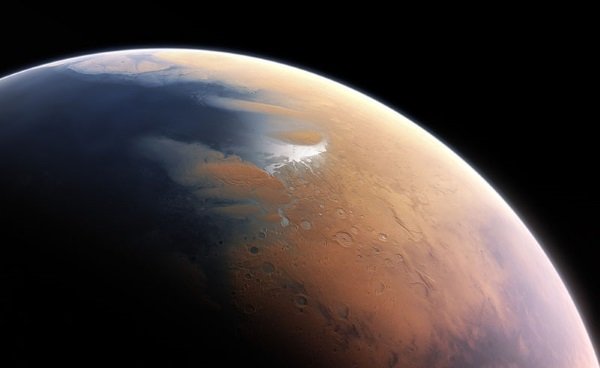
Mars has long been the best candidate for extraterrestrial life within our own solar system. The planet has dry riverbeds, polar ice caps of frozen water and seasonal methane emissions into the atmosphere, which could indicate biological activity. Additionally, NASA’s Curiosity rover discovered organic molecules in ancient rocks, suggesting Mars was once habitable.
Every selection highlighted here represents an exceptional example of talent, dedication, or historical significance. Which of these standout entries do you consider the most impressive?