The Moon is the only other world humans have walked on, and the most familiar object in the night sky. It controls our tides, lights up our nights and has inspired myths, calendars and poetry for as long as people have looked up.
Yet it still holds plenty of surprises. Here are ten facts about our closest companion in space.
1. It was born in a giant collision
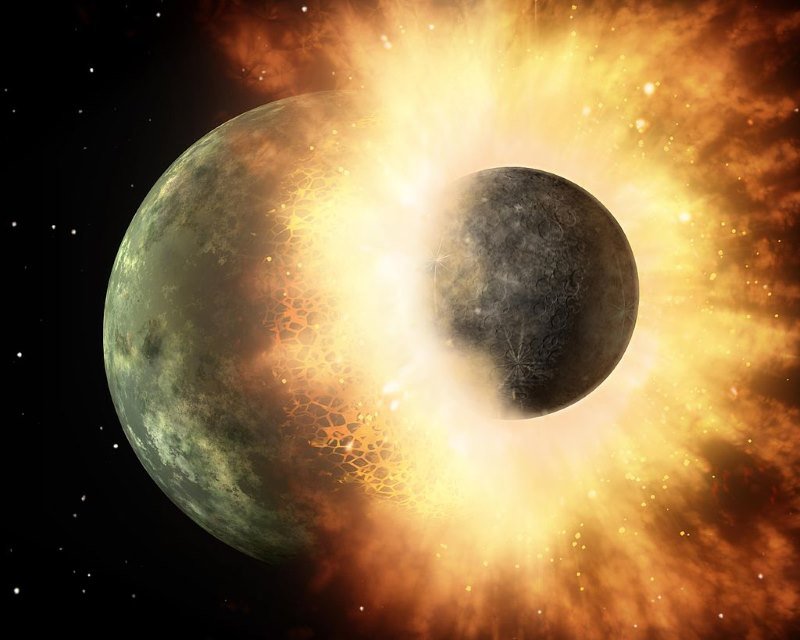
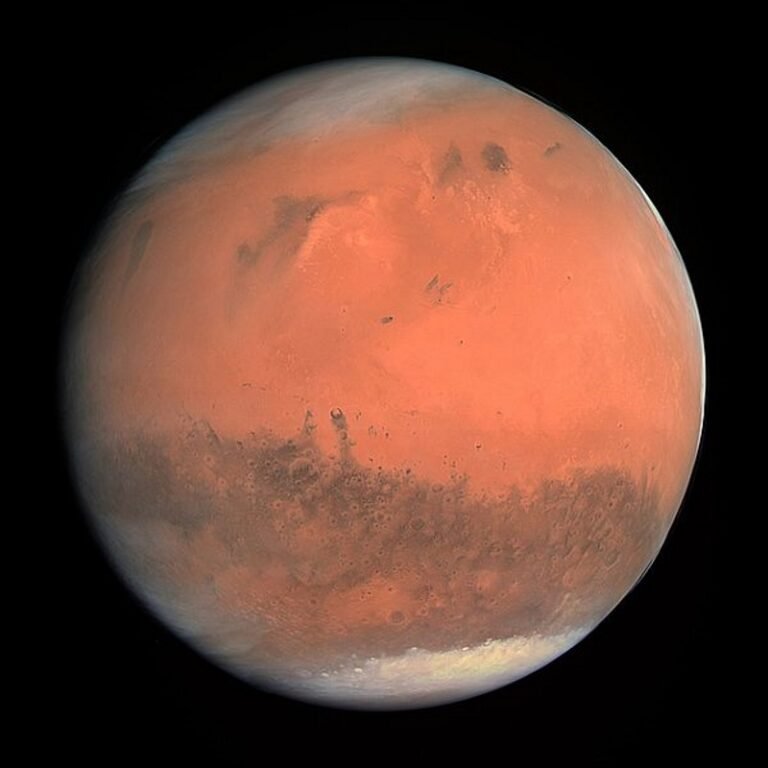
The most widely accepted theory is that the Moon formed about 4.5 billion years ago, when a Mars-sized object, often called Theia, crashed into the young Earth.
The impact blasted huge amounts of molten rock into orbit, which gradually clumped together into the Moon. That explains why moon rocks brought back by the Apollo astronauts are so similar to rocks on Earth.
2. The Earth makes the Moon rise
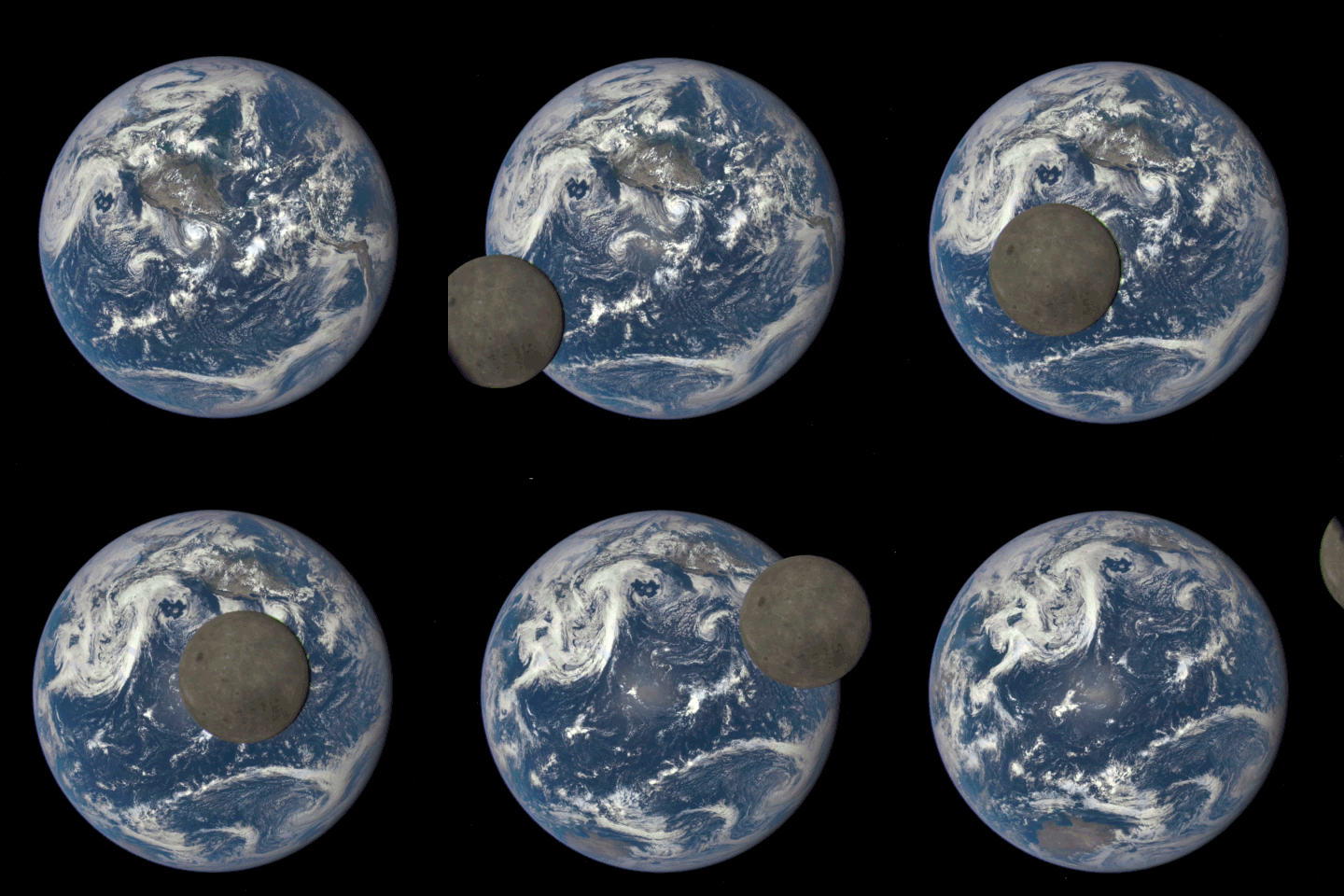
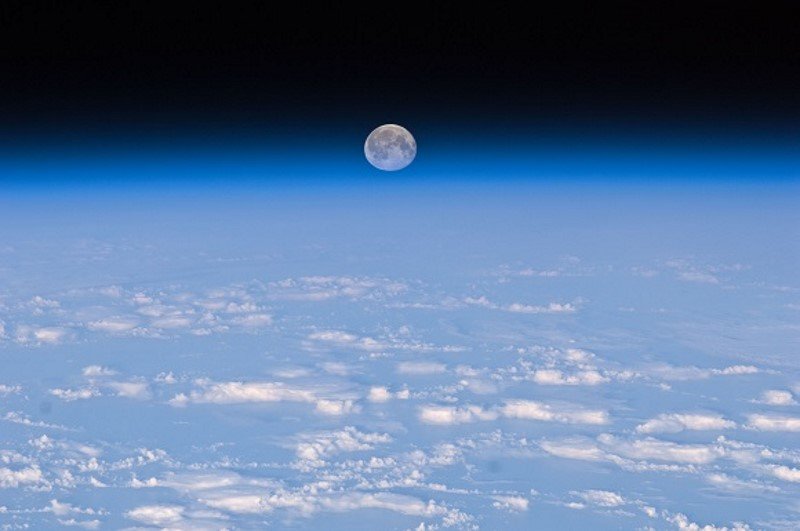
The Moon rises in the east and sets in the west, just like the Sun. But that is not because the Moon is racing across the sky. It is mainly because the Earth is spinning beneath it.
The Moon itself moves slowly in the opposite direction as it orbits us. That is why it rises about 50 minutes later each day.
3. There is no dark side of the Moon
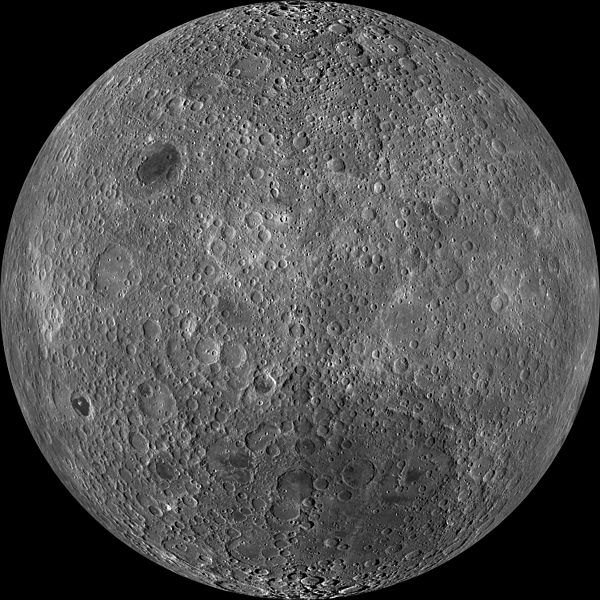
The Moon always shows us the same face, because it rotates exactly once for every orbit around Earth. The side we never see from here is often called the dark side.
That name is misleading. The far side gets just as much sunlight as the near side; when we see a new Moon, the far side is in full daylight. It was only dark in the sense of being unknown until the Soviet Luna 3 probe photographed it in 1959.
4. You would weigh a sixth of your weight
Gravity on the Moon is about one sixth of that on Earth. Someone who weighs 90 kilos at home would weigh about 15 on the Moon, and could jump several times higher.
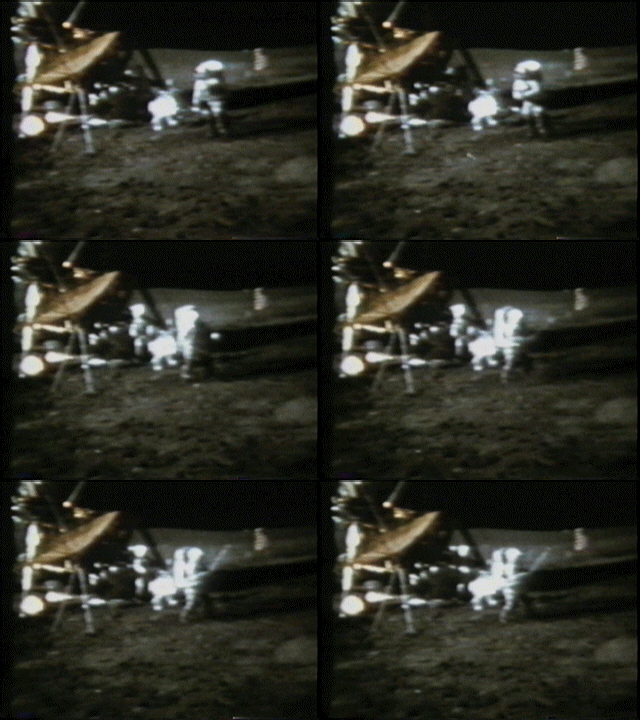
Astronaut Alan Shepard famously took advantage of it in 1971, when he hit two golf balls during the Apollo 14 mission. He claimed the second one went “miles and miles”, though later analysis of the footage suggests it went about 40 meters.
5. It is not always the same size in the sky
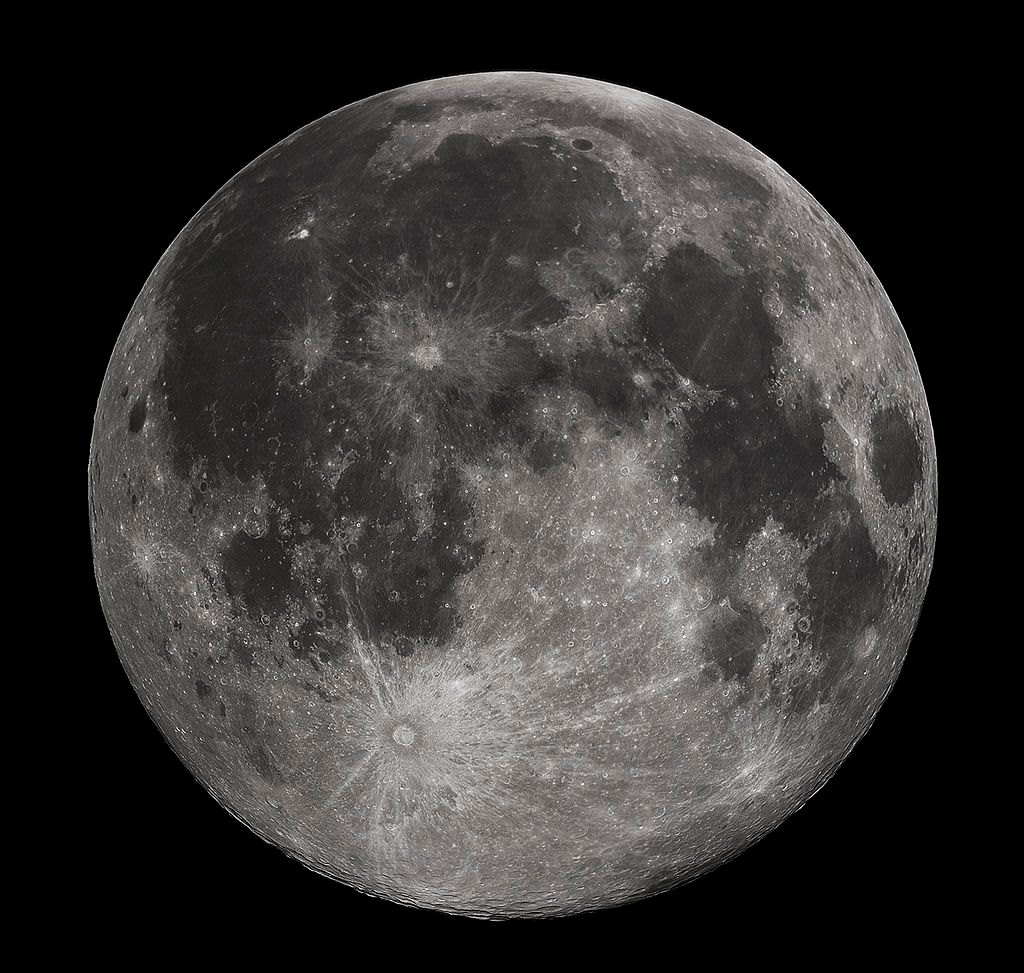
The Moon’s orbit is not a perfect circle but a slight oval. Its distance from Earth varies between about 363,000 and 405,000 kilometers.
When a full Moon happens near its closest point, it looks about 14 percent bigger and noticeably brighter than at its farthest. That is what is popularly called a supermoon.
6. Its face is covered in craters
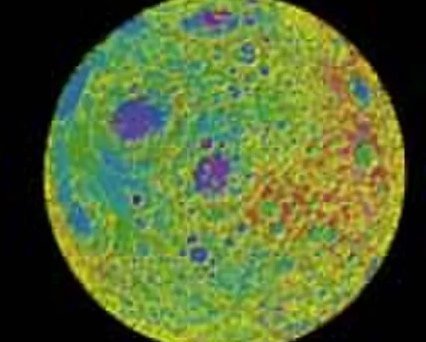
With no atmosphere to burn up incoming rocks and no weather to erase the scars, the Moon has kept a record of billions of years of impacts. Its surface is covered in craters, from tiny pits to basins hundreds of kilometers wide.
The dark patches we see from Earth, which some people see as the “man in the Moon”, are plains of ancient lava that flooded giant impact basins long ago.
7. The Moon has quakes
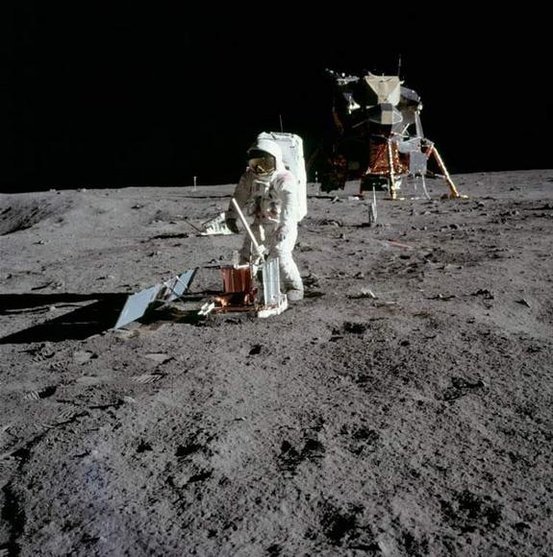
The Apollo astronauts left seismometers on the Moon, and they picked up thousands of moonquakes between 1969 and 1977. Some are caused by Earth’s gravity tugging on the Moon, others by meteorite impacts or by the surface heating and cooling.
The strongest, shallow moonquakes can reach around magnitude 5. Because the Moon is so dry and rigid, they can keep vibrating for more than ten minutes, much longer than earthquakes on Earth.
8. It controls the tides
The Moon’s gravity pulls on Earth’s oceans, creating a bulge of water on the side facing the Moon and another on the opposite side. As the Earth spins through these bulges, most coastlines get two high tides and two low tides a day.
The Sun has an effect too. When Sun and Moon line up, at new and full Moon, the tides are extra high. These are called spring tides, although they have nothing to do with the season.
9. It is slowly drifting away
Using mirrors left on the surface by the Apollo astronauts, scientists bounce lasers off the Moon to measure its distance with great precision. They found that the Moon is moving away from Earth by about 3.8 centimeters a year, about as fast as your fingernails grow.
The same tidal forces are slowly braking Earth’s spin. Hundreds of millions of years ago, a day on Earth lasted only about 21 or 22 hours.
10. Humans are going back
Only twelve people have ever walked on the Moon, all of them during NASA’s Apollo program between 1969 and 1972. Nobody has been back since.
That is about to change. NASA’s Artemis program aims to land astronauts near the Moon’s south pole, where ice in shadowed craters could one day supply water, oxygen and rocket fuel. China has announced plans to put its own astronauts on the Moon by 2030.