Venus is named after the Roman goddess of love and beauty, and from a distance it lives up to the name. It is the brightest planet in our sky, a dazzling point of light at dawn or dusk.
Up close, it is a very different story. Venus is almost the same size as Earth, but conditions on its surface are about as close to hell as anything in the solar system. Here are ten facts about our nearest planetary neighbor.
1. People have watched it for thousands of years
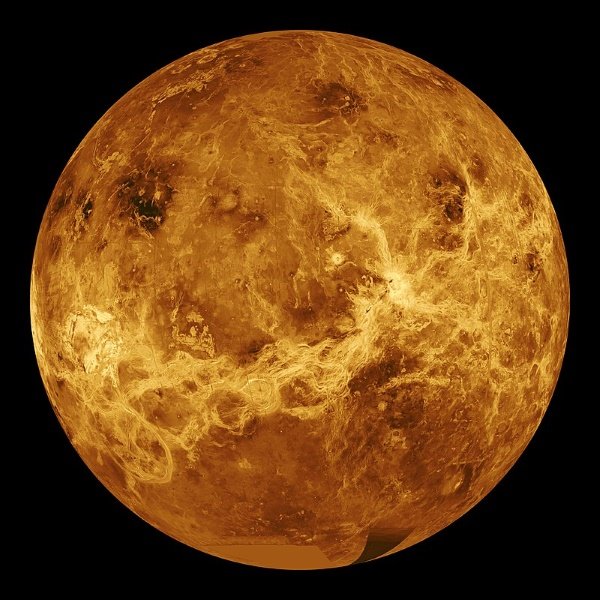
Venus is so bright that it has been tracked since the dawn of astronomy. A Babylonian clay tablet known as the Venus Tablet of Ammisaduqa records its movements over 21 years, from observations made well over 3,000 years ago.
After the Sun and the Moon, Venus is the brightest natural object in the sky. On a very dark night it can even cast faint shadows.
2. The morning star and the evening star are the same thing
Because Venus orbits closer to the Sun than we do, it never strays far from it in our sky. Depending on where it is in its orbit, it shines in the east just before sunrise or in the west just after sunset.
The ancient Greeks thought these were two different objects and gave them separate names, Phosphorus for the morning star and Hesperus for the evening star. It took a while before they realized it was one and the same planet.
3. It is almost Earth’s twin
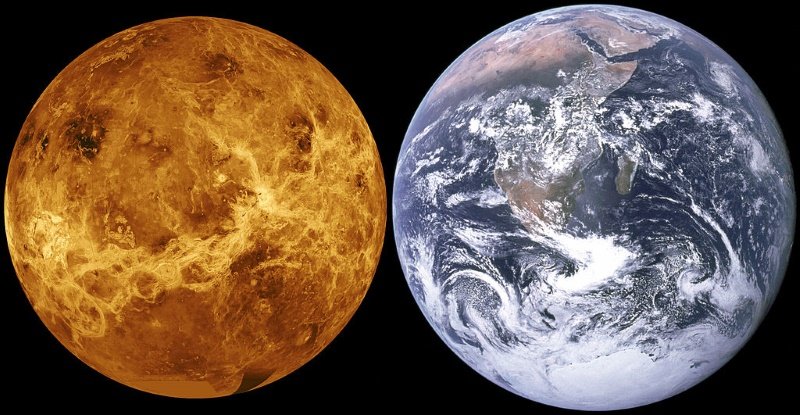
On paper, Venus and Earth look like siblings. Venus is about 95 percent as wide as Earth, has about 80 percent of its mass and is made of similar rock. It is also the planet that comes closest to us.
That is where the similarities end. Somewhere in their histories, the two planets took dramatically different paths, which is why scientists often call Venus Earth’s evil twin.
4. A greenhouse effect gone wild
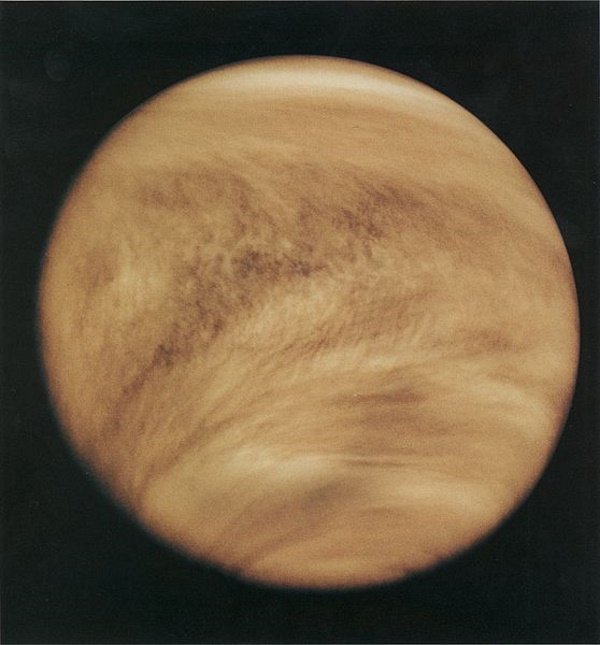
The atmosphere of Venus is about 96 percent carbon dioxide, and it is incredibly dense. Standing on the surface, you would feel a pressure about 90 times that on Earth, the same as being some 900 meters deep in the ocean.
All that carbon dioxide traps heat in what scientists call a runaway greenhouse effect. Venus is the textbook example of what happens when a planet’s climate tips over the edge.
5. It is the hottest planet in the solar system
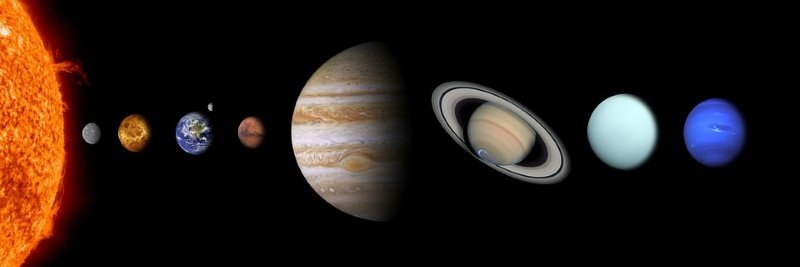
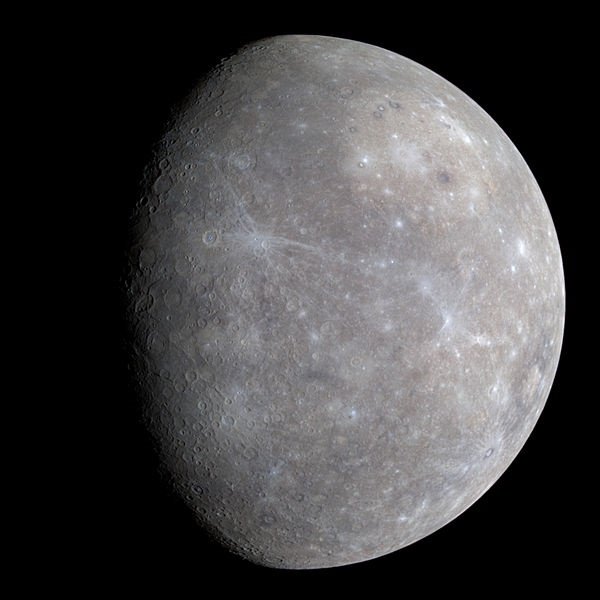
Mercury is much closer to the Sun, yet Venus is hotter. Its surface averages about 465 degrees Celsius, hot enough to melt lead.
Thanks to its thick blanket of gas, the temperature barely changes between day and night or between the equator and the poles. There is nowhere on Venus to escape the heat.
6. Its clouds are made of sulfuric acid
Venus is permanently covered by thick clouds, which is why we can never see its surface with an ordinary telescope. Those clouds are not made of water but of droplets of sulfuric acid.
It does rain acid on Venus, but the drops never reach the ground. The heat below is so intense that they evaporate long before they can land.
7. It has more volcanoes than any other planet
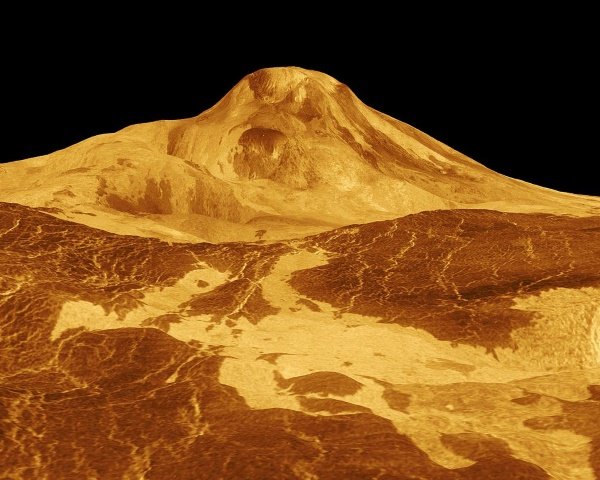
Using radar to peer through the clouds, NASA’s Magellan spacecraft mapped more than 1,600 large volcanoes on Venus in the early 1990s, plus countless smaller ones.
For a long time, nobody knew whether any were still active. In 2023, scientists re-examining Magellan’s images found a volcanic vent that had changed shape over eight months, strong evidence that Venus is volcanically active today.
8. A day on Venus is longer than its year
Venus rotates incredibly slowly. One spin on its axis takes 243 Earth days, while a trip around the Sun takes just 225. In other words, its day is longer than its year.
It also spins backward compared to most planets. If you could see the sky from the surface, the Sun would rise in the west and set in the east.
9. Landing there is a brutal challenge
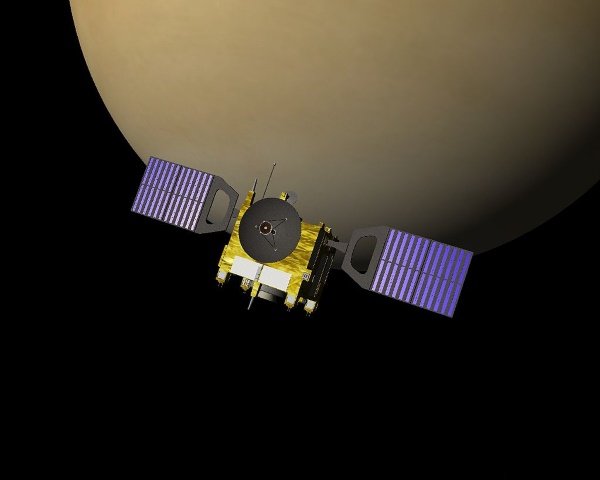
The Soviet Union’s Venera program achieved some of the most impressive feats in space history. In 1970, Venera 7 became the first spacecraft to land on another planet and send back data. In 1982, Venera 13 sent the first color photos from the surface, surviving for just over two hours before the heat and pressure destroyed it.
Since then, orbiters like Europe’s Venus Express have studied the planet from above. NASA’s DAVINCI and VERITAS and Europe’s EnVision are planned to return to Venus in the 2030s.
10. Venus may once have had water
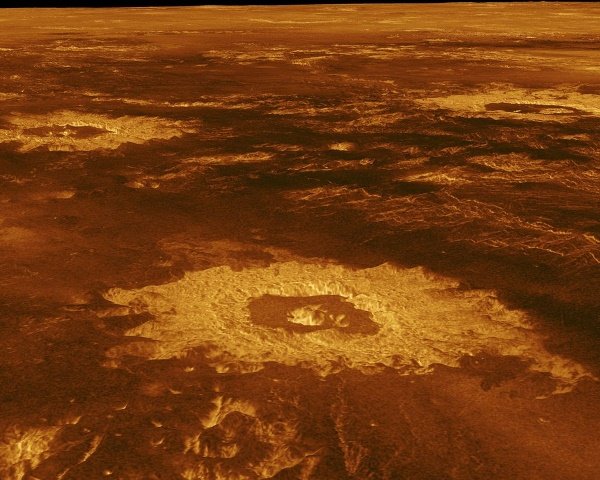
Today Venus is bone dry, but measurements of its atmosphere suggest it once had far more water than it does now. Some scientists think it may have had shallow oceans and a mild climate for hundreds of millions of years.
Others argue that Venus was always too hot for liquid water to collect. Either way, solving the mystery could tell us a lot about how planets become habitable, or lose that chance, including our own.