Every second, the Sun turns about four million tons of matter into pure energy. Without it, Earth would be a frozen, lifeless rock drifting through the dark.
We see it every day, yet the Sun is full of surprises, and some of its biggest mysteries are still unsolved. Here are ten facts about the star at the center of our world.
1. The Sun is practically the whole solar system
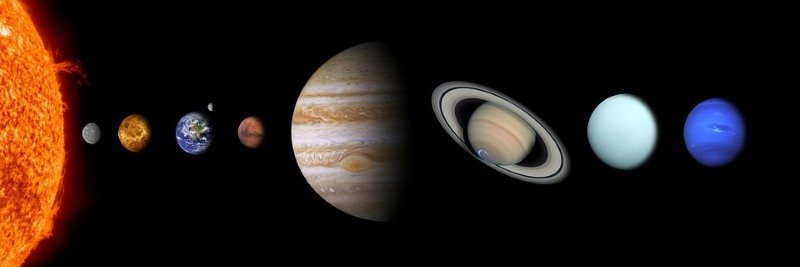
We tend to think of the solar system as the Sun plus the planets. In terms of mass, though, the planets barely register.
The Sun contains about 99.86 percent of all the mass in the solar system. Everything else, including Jupiter, Earth and every moon, asteroid and comet, makes up the remaining 0.14 percent.
2. It is made mostly of hydrogen and helium

By mass, the Sun is about 73 percent hydrogen and 25 percent helium, with small traces of heavier elements such as oxygen, carbon and iron.
Helium was actually discovered on the Sun before it was found on Earth. Astronomers spotted its signature in sunlight during a solar eclipse in 1868 and named it after Helios, the Greek god of the Sun.
3. It is surprisingly light for its size
The Sun is enormous, about 109 times as wide as Earth. You could fit roughly 1.3 million Earths inside it.
Yet it is only about 333,000 times as heavy. That is because, on average, the Sun is much less dense than Earth, only about 1.4 times the density of water, roughly like honey.
4. It is a fairly ordinary star
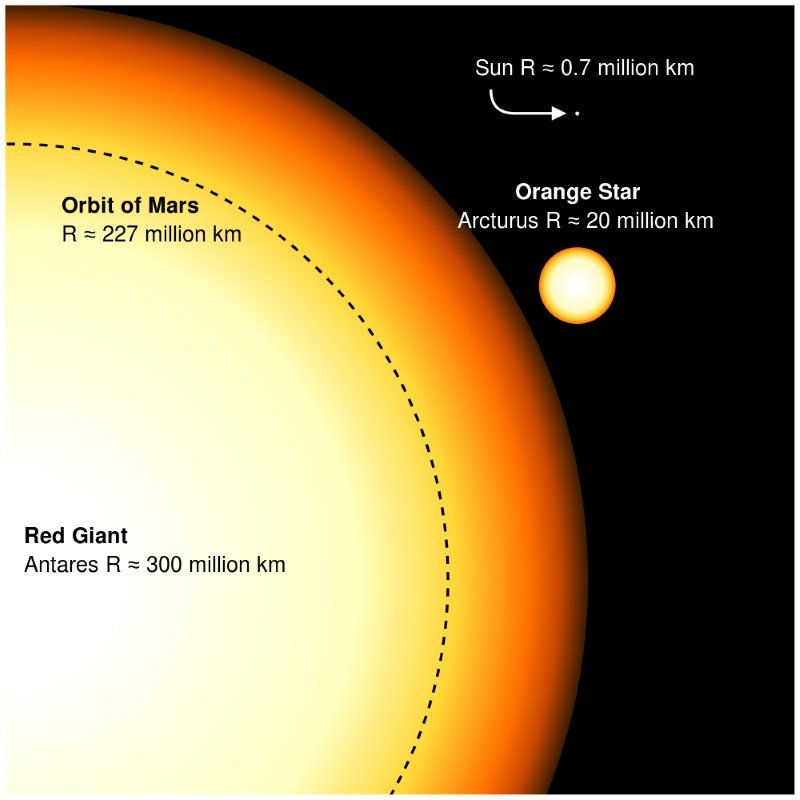
The Sun is a yellow dwarf, a perfectly average type of star. It is actually bigger and brighter than most stars in the Milky Way, which are small, dim red dwarfs.
But next to the true giants, it is tiny. Put the red supergiant Betelgeuse in the Sun’s place, and its surface would reach beyond the orbit of Mars.
5. It is middle-aged
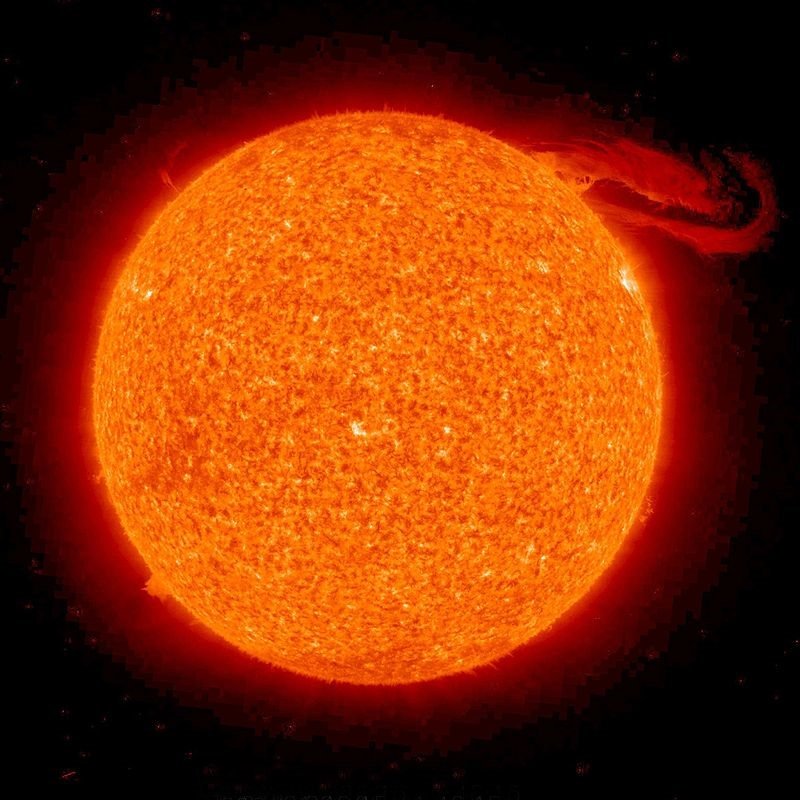
The Sun formed about 4.6 billion years ago and is roughly halfway through its life. It has enough hydrogen fuel left to keep shining steadily for about another five billion years.
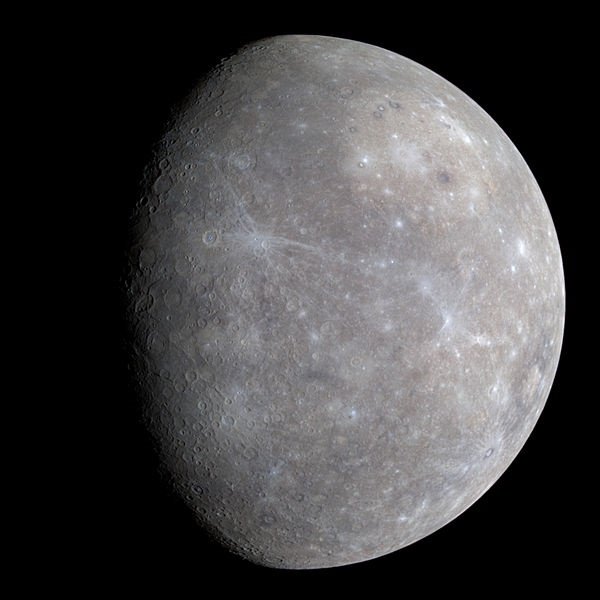
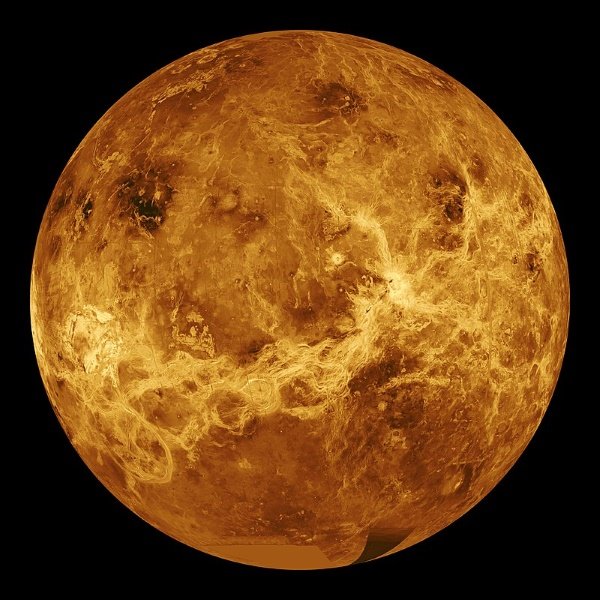
After that, it will swell into a red giant, probably swallowing Mercury and Venus, before shrinking into a white dwarf about the size of Earth.
6. It is slowly getting brighter
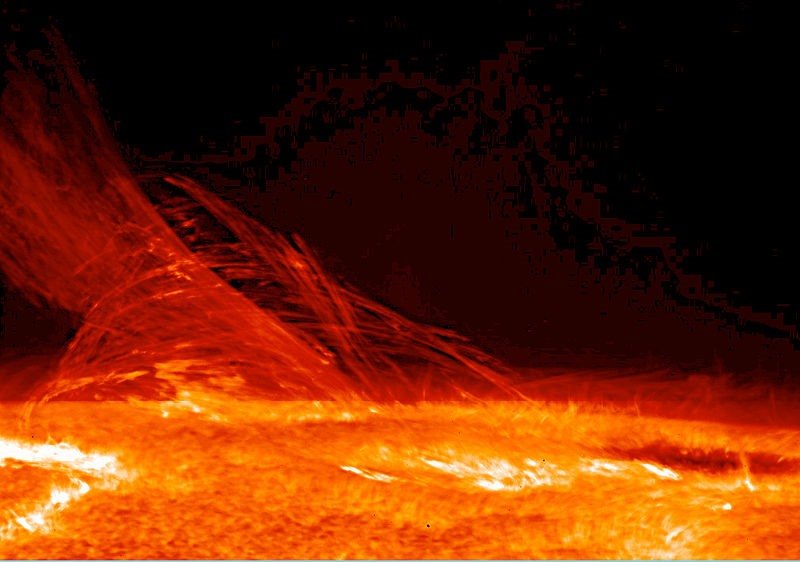
Even in its stable middle age, the Sun is changing. As it burns hydrogen into helium, its core slowly contracts and heats up, making the Sun about 10 percent brighter every billion years.
That has serious consequences for us in the very long run. In roughly a billion years, the extra heat is expected to make Earth too hot for liquid oceans, long before the Sun becomes a red giant.
7. Its light is thousands of years old
The Sun is built in layers. In the core, at about 15 million degrees Celsius, hydrogen fuses into helium. The energy then has to work its way out through the radiative zone and the churning convection zone before it reaches the surface.
Inside the Sun, that journey can take tens of thousands of years, because light is absorbed and re-emitted countless times. Once it escapes, it reaches Earth in just over eight minutes.
8. Different parts spin at different speeds
The Sun is not solid, so it does not rotate like a ball. Its equator spins once about every 25 days, while regions near the poles take around 35 days.
This uneven rotation twists the Sun’s magnetic field, which helps create sunspots, solar flares and the 11-year cycle of solar activity.
9. Its atmosphere is hotter than its surface
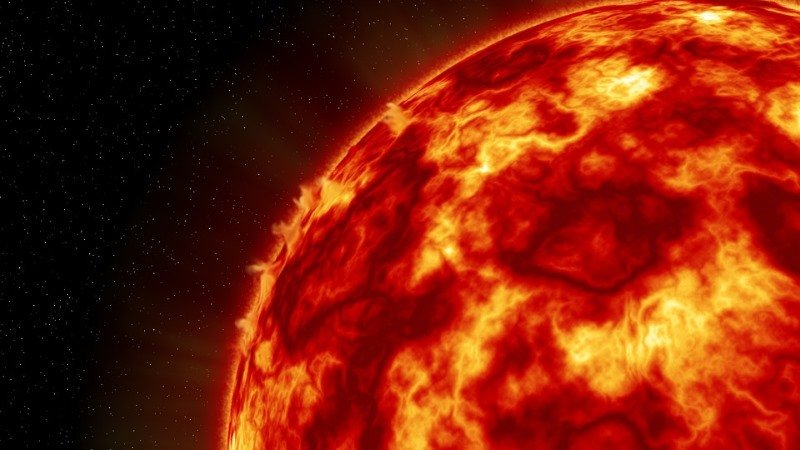
This is one of the great puzzles of astronomy. The visible surface of the Sun is about 5,500 degrees Celsius. You would expect the outer atmosphere, the corona, to be cooler, since it is farther from the core.
Instead, the corona reaches one to three million degrees. Scientists suspect magnetic waves and countless tiny explosions are pumping energy into it, but the exact mechanism is still debated.
10. We are watching it closer than ever
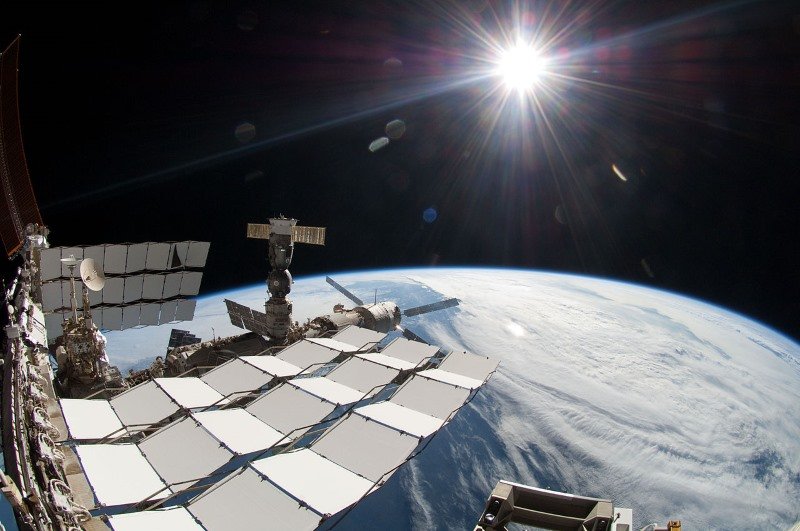
Keeping an eye on the Sun is not just scientific curiosity. Large solar storms can damage satellites, disrupt GPS and knock out power grids, so a fleet of spacecraft watches it around the clock.
The boldest is NASA’s Parker Solar Probe. On December 24, 2024, it flew just 6.1 million kilometers from the Sun’s surface, closer than any spacecraft before it, at about 690,000 kilometers per hour. That made it the fastest object ever built by humans.