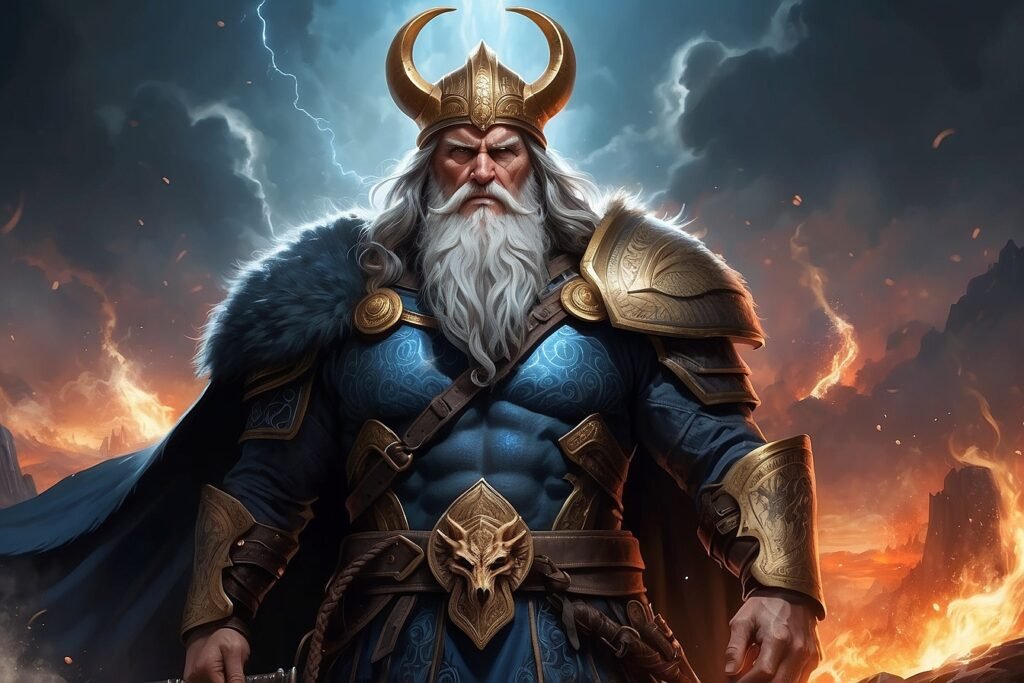
Wherever people fought, they called on the gods for victory. Almost every culture had a deity of war, but they were very different: some stood for strategy and discipline, others for raw rage, and a few were respected generals who became gods after death.
These are ten of the most powerful war gods from around the world, counting down to the one who built an empire.
10. Apedemak, the lion god of Kush
Apedemak was the war god of the kingdom of Kush, in what is now Sudan, a civilization that once even ruled Egypt. He was shown with the head of a lion, sometimes with the body of a snake, and carried a bow.
His temple at Naqa, built around 2,000 years ago, still stands in the Sudanese desert, its walls showing kings and queens offering him their enemies.
9. Maahes, the lion of the pharaohs
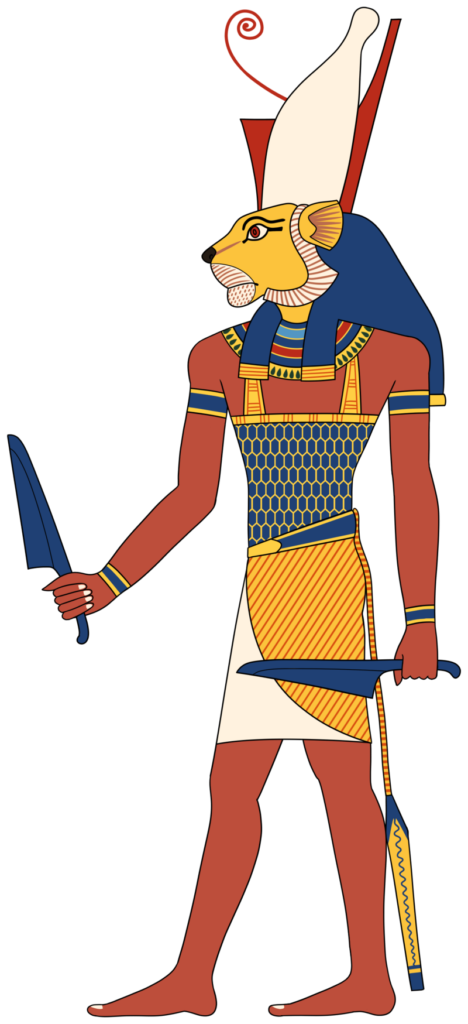
Maahes was an Egyptian war god with the head of a lion, often wielding a knife. He was seen as the protector of the pharaoh and the guardian of sacred places.
Some sources describe him devouring captives. Tame lions were kept at his temple, a living reminder of his power.
8. Kartikeya, commander of the divine armies
In Hinduism, Kartikeya, also known as Murugan or Skanda, is the god of war and the commander-in-chief of the gods’ armies. He is the son of Shiva and is often shown with six faces, riding a peacock.
He was born to defeat the demon Taraka, which he did as a young warrior. He is especially popular in southern India and Sri Lanka, where his festivals draw huge crowds.
7. The Morrígan, the crow over the battlefield
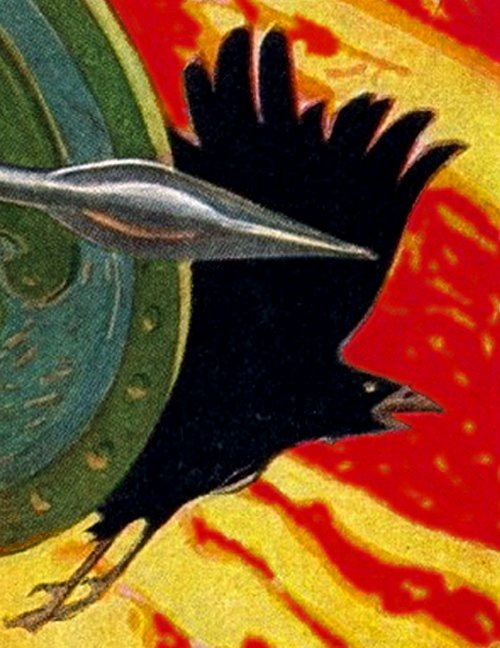
In Irish mythology, the Morrígan was a goddess of war, fate and death. She often appeared as a crow circling the battlefield, and her shrieks could fill armies with terror.
She did not fight with weapons so much as with fear, prophecy and magic, deciding who would live and who would die.
6. Sekhmet, the bloodthirsty lioness
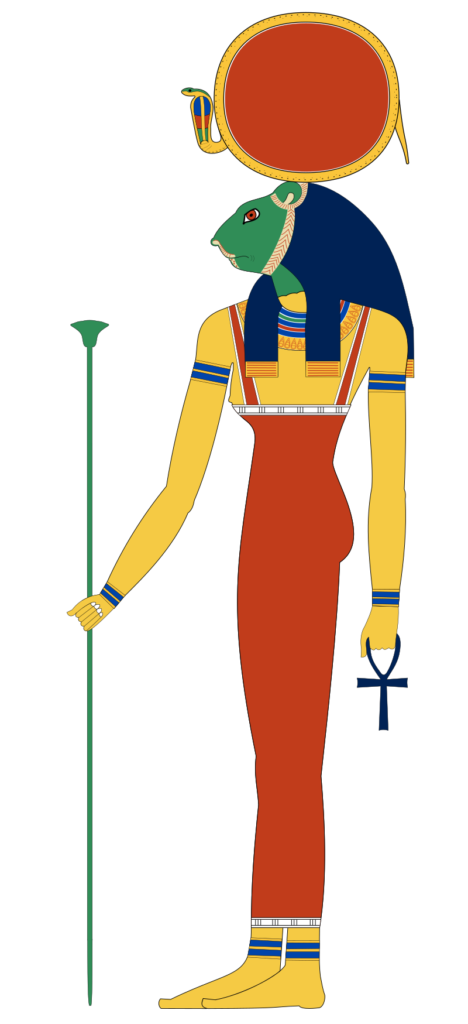
Sekhmet, the lioness-headed goddess of Egypt, was said to breathe fire and to bring both plague and healing. Pharaohs saw her as their protector in war.
In one myth, the Sun god Ra sent her to punish humanity, and she began killing so eagerly that she could not be stopped. The gods saved humankind by flooding the fields with beer dyed red. Sekhmet drank it, thinking it was blood, fell asleep and forgot her rage.
5. Hachiman, protector of the samurai
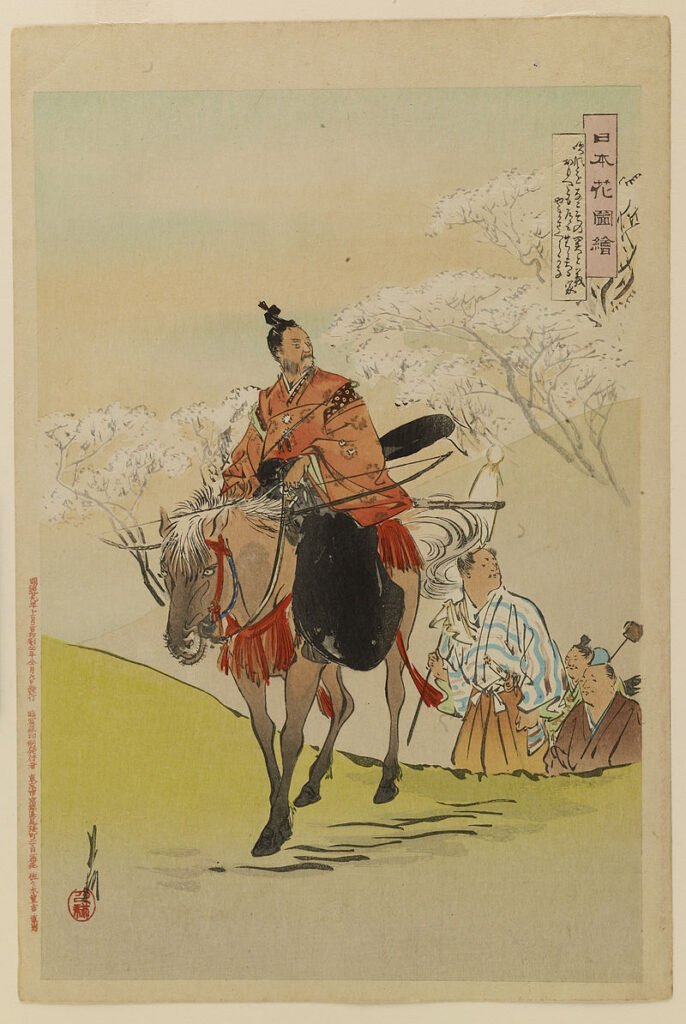
Hachiman is the Japanese god of war and archery, and the divine protector of Japan and its warriors. He is associated with the legendary Emperor Ojin.
The powerful Minamoto clan took him as their patron, and samurai across Japan prayed to him before battle. With tens of thousands of shrines, he is one of the most widely worshipped gods in the country.
4. Guan Yu, the general who became a god
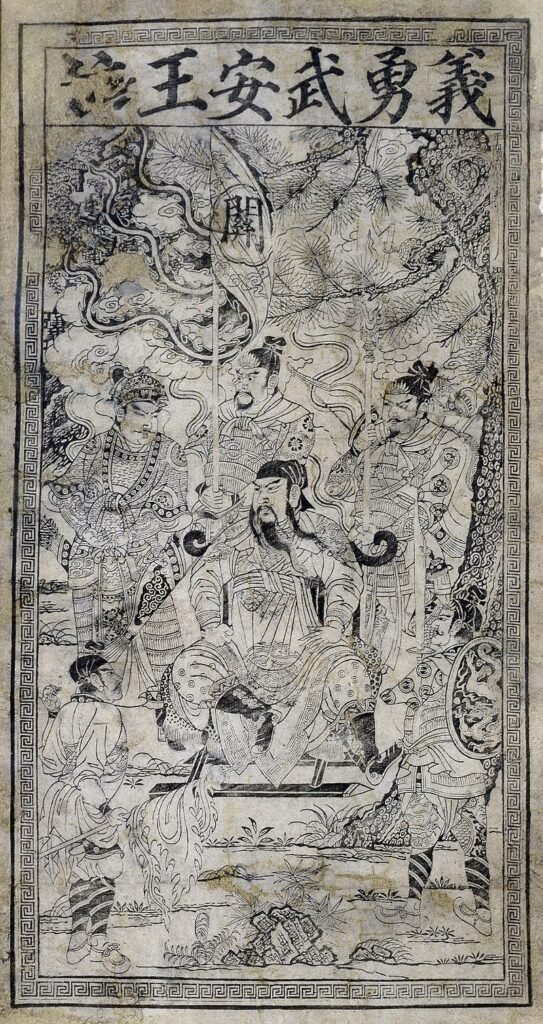
Guan Yu was a real Chinese general who lived around 200 AD, during the Three Kingdoms period. Famous for his loyalty, courage and long beard, he became a legend through the classic novel Romance of the Three Kingdoms.
Over the centuries, he was gradually elevated to a god of war, loyalty and justice. Today his red-faced image can be found in temples, police stations, restaurants and shops across the Chinese-speaking world.
3. Odin, the one-eyed strategist
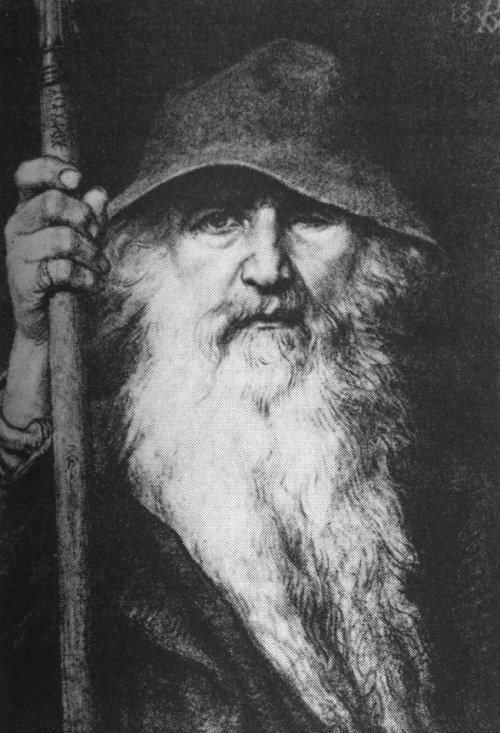
Odin, the chief of the Norse gods, was a god of war, but also of wisdom, poetry and death. He did not win battles through strength, but through knowledge, cunning and magic.
His Valkyries chose which warriors would fall in battle and carried the bravest to Valhalla, where they would feast and train for the final battle at Ragnarök.
2. Ares, the fury of the Greek battlefield
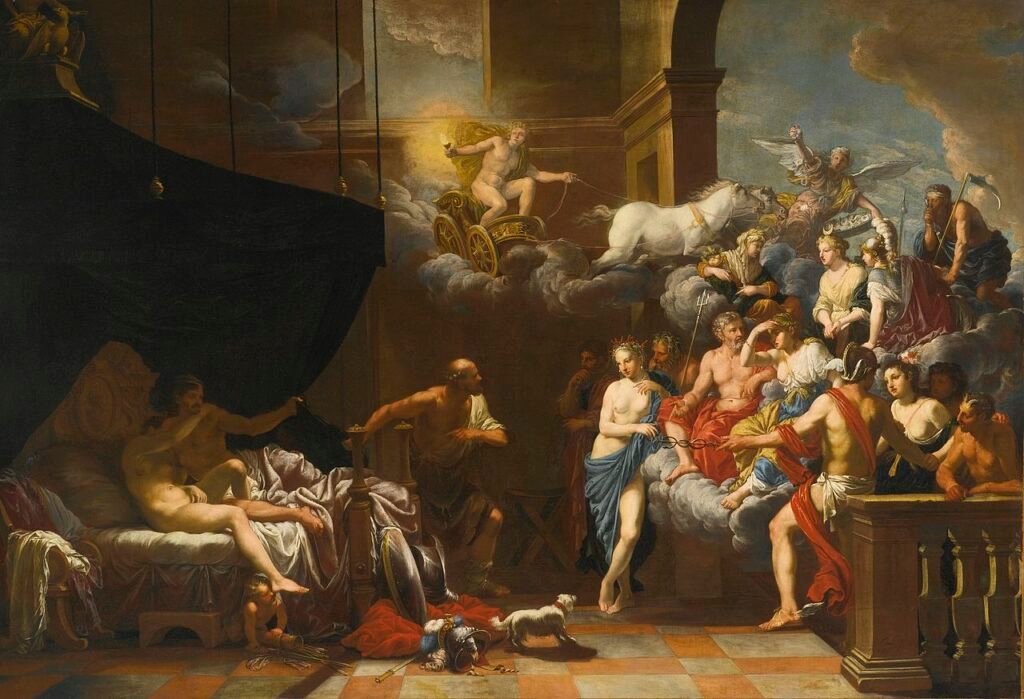
Ares was the Greek god of the violent, chaotic side of war: bloodlust, rage and slaughter. He was accompanied by his sons Phobos and Deimos, fear and terror.
The Greeks were not fond of him. In Homer’s Iliad, even his father Zeus calls him the most hateful of the gods, and he is defeated more than once, including by the wiser war goddess Athena.
1. Mars, father of the Roman Empire
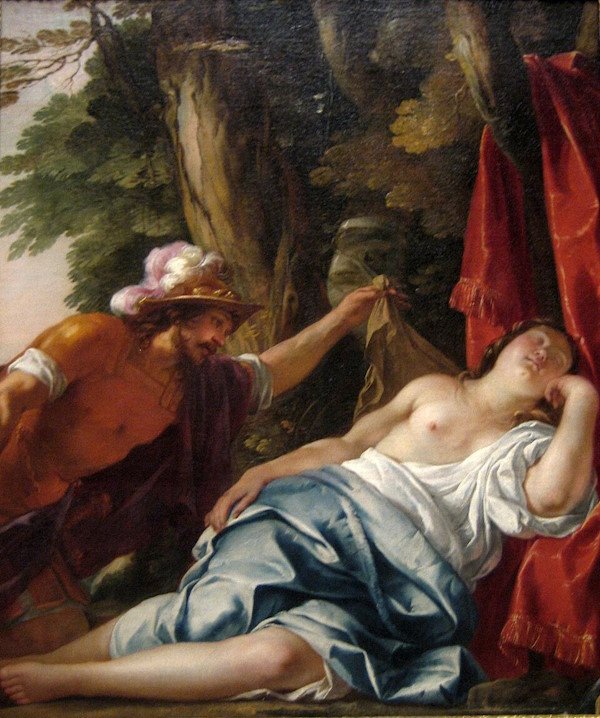
Mars started out as the Roman version of Ares, but became something much greater. As the father of Romulus and Remus, the founders of Rome, he was the divine ancestor of the Roman people and second only to Jupiter.
He stood for disciplined, organized warfare, the kind that conquered most of the known world. The month of March, the planet Mars and the word “martial” are all named after him.