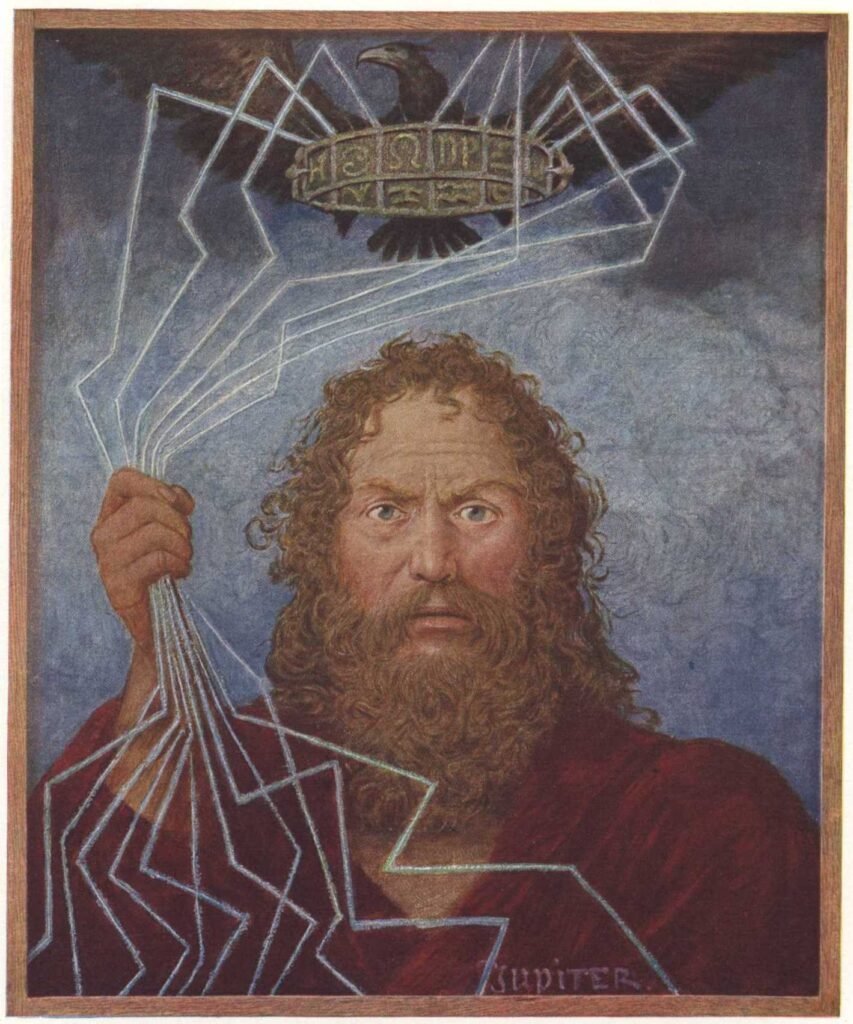
With a thunderbolt in his hand and a golden eagle at his side, Zeus ruled Mount Olympus as king of the ancient Greek gods. His myths of family rebellion, shapeshifting disguises, and divine justice shaped classical literature and art for over a thousand years.
Here are 15 fascinating facts about Zeus, the supreme deity of ancient Greece.
1. He ruled the gods from the peak of Mount Olympus
In Greek mythology, Zeus held court on the highest peak of Mount Olympus, Greece’s tallest mountain range. From his throne, he oversaw both his fellow Olympians and mortal rulers on Earth.
As god of the sky, lightning, thunder, and law, he maintained cosmic order, accompanied by his sacred symbol, the golden eagle.
2. A swaddled stone saved him from being swallowed by his father
Zeus was the youngest child of the ruling Titans Cronus and Rhea. Because a prophecy warned Cronus that one of his own children would overthrow him, Cronus swallowed each of his newborns whole as soon as they were born.
Desperate to save her sixth child, Rhea hid baby Zeus inside a cave on the island of Crete. She wrapped a heavy stone in baby clothes and handed it to Cronus, who swallowed the rock without noticing the switch.
3. He overthrew the Titans in a ten-year cosmic war
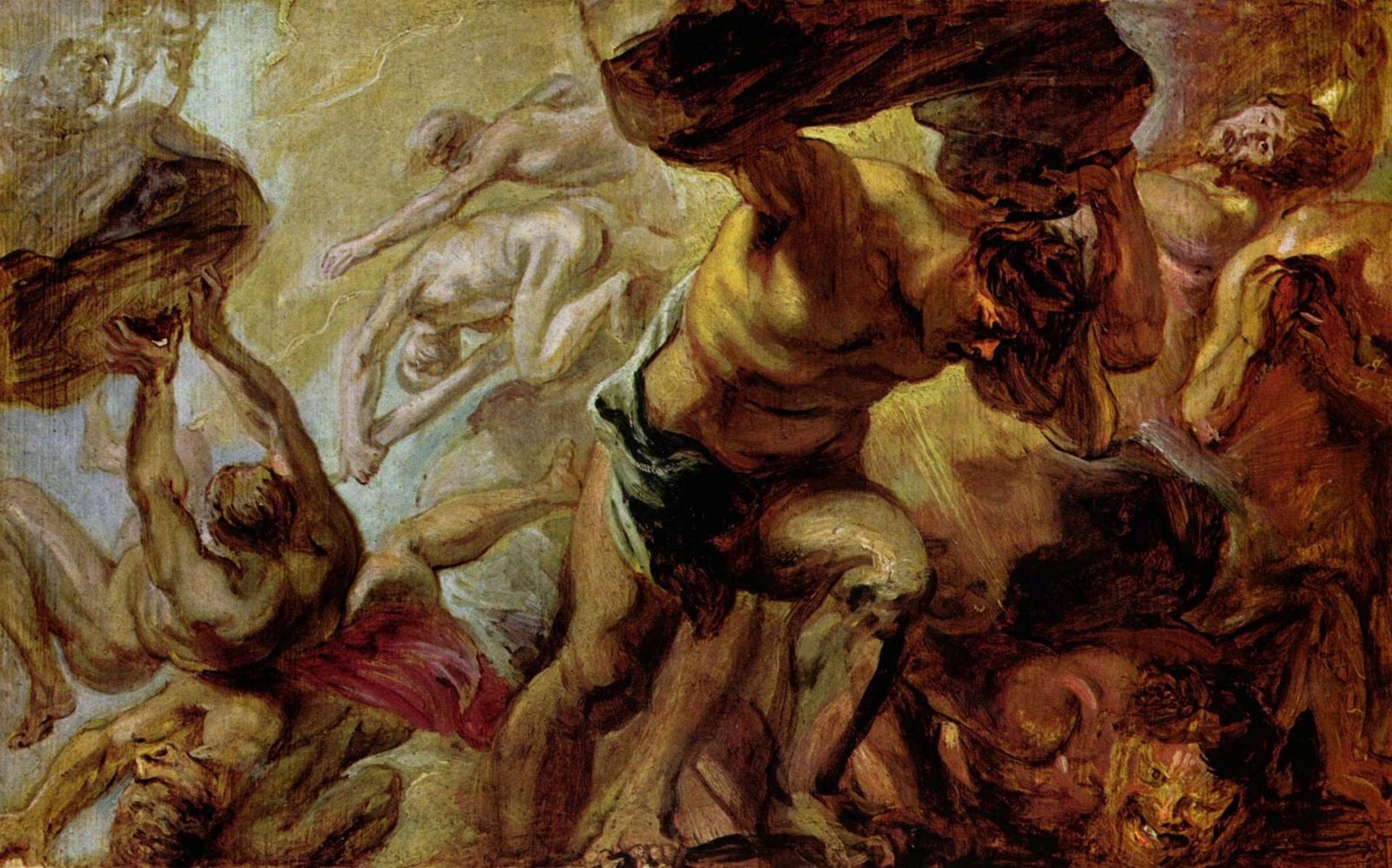
Once Zeus grew up in secret on Crete, he returned to his father’s palace in disguise and slipped Cronus an emetic potion. The Titan vomited up the stone along with Zeus’s five older siblings: Hestia, Demeter, Hera, Hades, and Poseidon, all fully grown and unharmed.
Together, the siblings launched the Titanomachy, a ten-year war against Cronus and the older Titans. After winning the battle, Zeus locked the defeated Titans deep inside the abyss of Tartarus.
4. The Cyclopes forged his thunderbolts
To tip the balance during the war against the Titans, Zeus descended into Tartarus and freed his uncles, the one-eyed Cyclopes and the hundred-handed Hecatoncheires, whom Cronus had imprisoned.
In gratitude, the Cyclopes forged weapons for the three brothers: a trident for Poseidon, a helm of invisibility for Hades, and blazing thunderbolts for Zeus.
5. He divided the universe by drawing lots with Poseidon and Hades
With the Titans defeated, the three brothers drew lots to divide dominion over the world. Zeus drew the sky and upper air, Poseidon received the seas, and Hades took the underworld.
The surface of the Earth and Mount Olympus were left as common ground, though Zeus held supreme authority as king of the gods.
6. He used bizarre animal disguises to pursue his love affairs
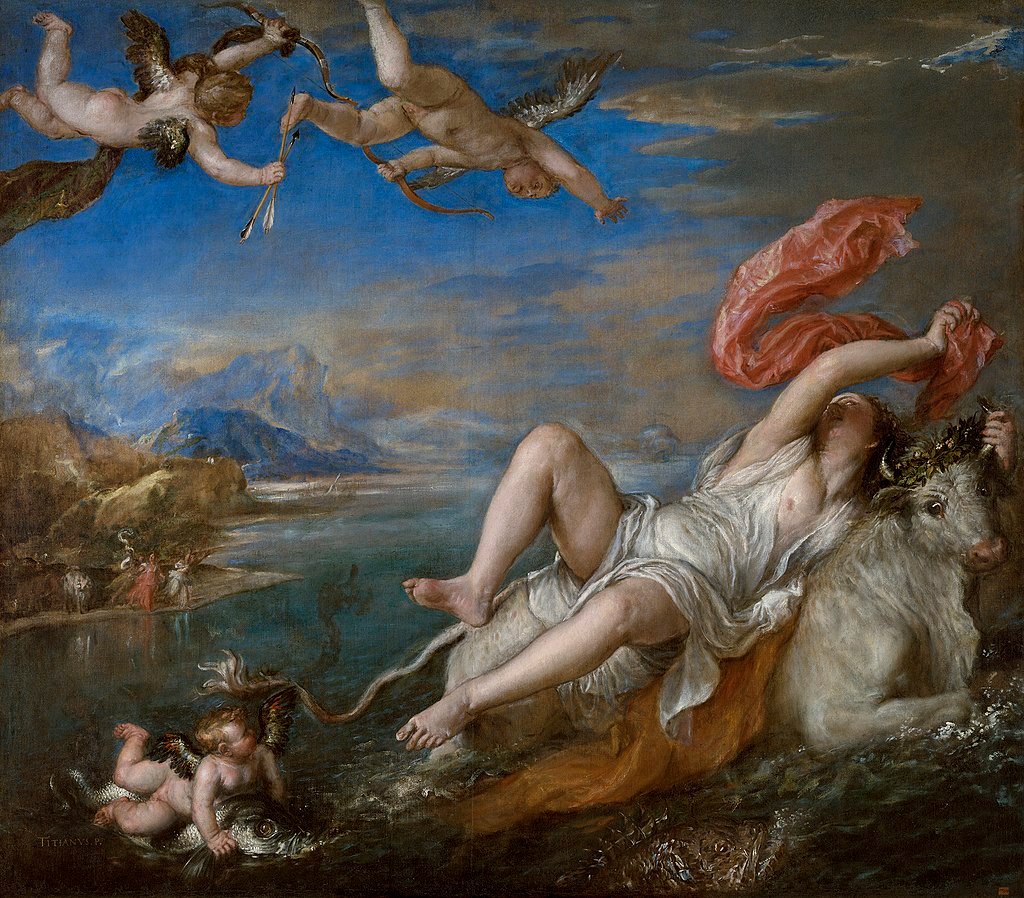
Although married to his sister Hera, the goddess of marriage, Zeus was famous in myth for his constant affairs with goddesses, nymphs, and mortal princesses. To slip past Hera’s watchful eyes and approach mortal women, he frequently changed shape.
He turned himself into a tame white bull to carry off the Phoenician princess Europa, visited Danaë as a shower of gold, and approached the Spartan queen Leda in the form of a swan.
7. He chained Prometheus to a mountain for giving fire to humanity
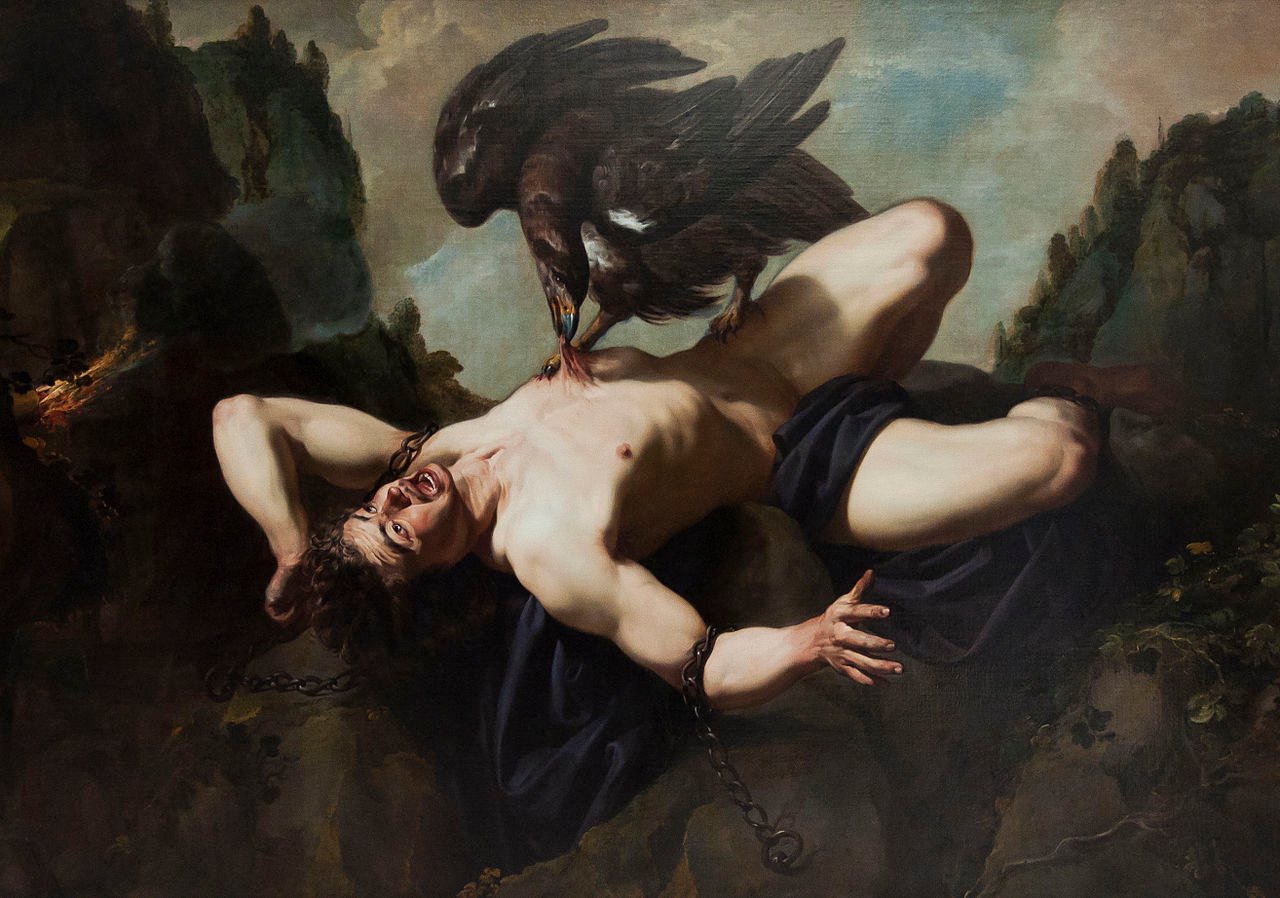
When the Titan Prometheus defied Zeus by stealing fire from Olympus and giving it to mortal humans, Zeus devised a brutal punishment. He had Prometheus chained to a frozen rock high in the Caucasus Mountains.
Every day, an eagle sent by Zeus swooped down to eat Prometheus’s liver, which grew back every night because the Titan was immortal. Generations later, Zeus’s own son Heracles shot the eagle and freed Prometheus.
8. His daughter Athena sprang fully grown from his split skull
Zeus’s first wife was Metis, the Titaness of wisdom. After learning that Metis was pregnant and that a son born to her would eventually overthrow him just as he had overthrown Cronus, Zeus swallowed Metis whole.
Before long, Zeus developed a splitting headache. When the smith-god Hephaestus cracked Zeus’s forehead open with a double-headed axe to relieve the pressure, Athena leaped out fully grown and dressed in battle armor.
9. He buried the hundred-headed monster Typhon under Mount Etna
Zeus faced his greatest personal test when Gaia, Mother Earth, gave birth to Typhon, a winged fire-breathing giant with a hundred serpent heads. While the other Olympian gods fled in terror, Zeus fought the beast in a violent duel.
After battering Typhon with a barrage of thunderbolts, Zeus trapped the monster underneath Mount Etna in Sicily. Ancient Greeks believed that volcanic eruptions and tremors around Etna were caused by Typhon thrashing beneath the mountain.
10. He was the strict protector of strangers and hospitality
Beyond his role as storm-god, Zeus was worshiped as Zeus Xenios, the patron of travelers, guests, and suppliants. In ancient Greece, xenia (sacred hospitality) required hosts to offer shelter, food, and protection to strangers without question.
Violating the laws of hospitality was considered a direct offense against Zeus, and myths often warned that the gods traveled in disguise as humble beggars to test how mortals treated strangers.
11. Priests at Dodona read his will in the rustling of oak leaves
Long before the Oracle of Delphi became famous, the oldest prophetic shrine in Greece belonged to Zeus at Dodona in northwestern Epirus. Pilgrims scratched their questions onto thin lead tablets.
Priestesses known as the Peleiades (“Doves”) interpreted Zeus’s answers by listening to the wind rustling through the leaves of a sacred oak tree and the ringing of bronze cauldrons hung from its branches.
12. The ancient Olympic Games were held in his honor
Starting in 776 BC, athletes from across the Greek world gathered every four years at the sanctuary of Olympia in the western Peloponnese. The competition was not just a sporting event, but a major religious festival dedicated to Zeus.
Before each Olympiad, heralds proclaimed a sacred truce (ekecheiria) that paused wars between rival city-states so athletes and spectators could travel safely to Olympia.
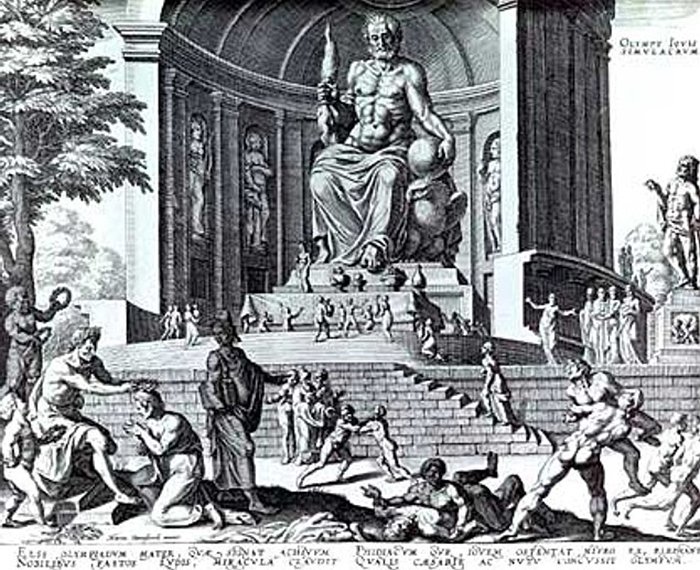
13. His giant statue at Olympia was one of the Seven Wonders of the Ancient World
Around 435 BC, the Athenian sculptor Phidias completed a colossal seated statue of Zeus inside the god’s temple at Olympia. Towering roughly 12.4 meters (41 feet) high, the figure nearly touched the temple ceiling.
Crafted from ivory plates and gold panels over a wooden frame, the statue was celebrated as one of the Seven Wonders of the Ancient World until it was lost in late antiquity.
14. He judged the contest that gave Athens its name
When Poseidon and Athena both claimed the main city of Attica, Zeus decreed that the city would belong to whichever deity gave mortals the more useful gift. Watching from Olympus with the other gods, Zeus presided over the trial on the Acropolis.
After Athena planted the olive tree and proved its value over Poseidon’s saltwater spring, Zeus awarded her the victory, and the city was named Athens in her honor.
15. The Romans worshiped him as Jupiter
As Rome absorbed Greek culture and mythology, Zeus was identified with the supreme Roman sky god, Jupiter (Iuppiter Optimus Maximus). His grand temple on Rome’s Capitoline Hill stood at the center of Roman state religion.
Roman consuls offered sacrifices to Jupiter upon taking office, and victorious generals marched up the hill to lay laurels at his feet during military triumphs. Which of these myths about Zeus do you find the most memorable? Let us know in the comments below.