The global distribution of private capital has reached historically historic dimensions.
Driven by the exponential growth of technology conglomerates, artificial intelligence infrastructure, global supply chains, luxury retail monopolies, and electric vehicle transformations, the world’s wealthiest individuals wield fortunes that rival the annual Gross Domestic Products (GDP) of entire sovereign nations.
10. Warren Buffett ($143 billion)
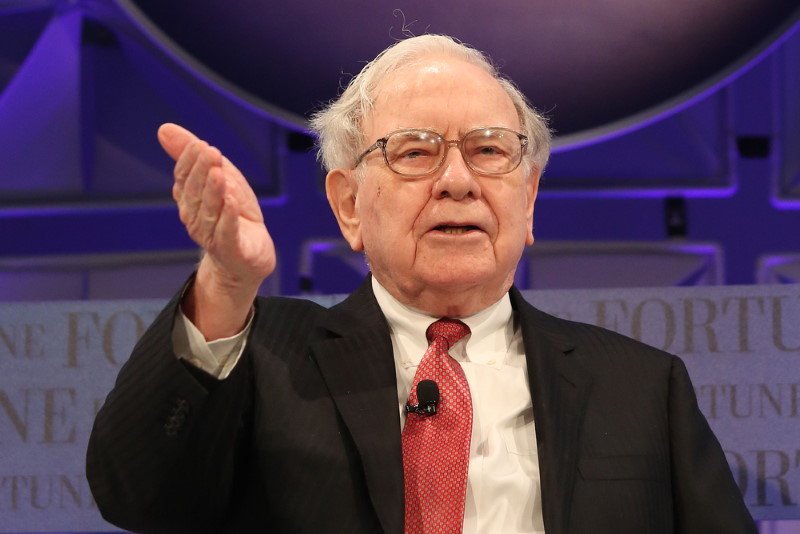
Revered globally as the “Oracle of Omaha,” Warren Buffett is widely celebrated as the greatest value investor in financial history. As the Chairman and CEO of multinational conglomerate Berkshire Hathaway, headquartered in Omaha, Nebraska, Buffett has spent more than six decades compounding capital by identifying undervalued companies with durable competitive advantages (economic “moats”) and exceptional management teams.
Through Berkshire Hathaway, Buffett controls a sprawling industrial empire spanning insurance giants (GEICO, General Re), freight rail networks (BNSF Railway), energy utilities, and massive minority stakes in publicly traded American icons such as Apple, American Express, Coca-Cola, and Bank of America.
9. Amancio Ortega ($145 billion)
Hailing from Galicia, Spain, Amancio Ortega is the wealthiest retailer in the world and the founder of Inditex, the global fashion juggernaut best known for its flagship brand, Zara. The son of a railway worker who began his career as an errand boy for a local shirtmaker in A Coruña, Ortega revolutionized the global retail clothing industry through his pioneering “fast fashion” business model.
Unlike traditional apparel brands that required six to nine months to design, manufacture, and distribute clothing lines, Ortega built a hyper-responsive, vertically integrated supply chain capable of taking a runway trend and delivering it to global store shelves in less than fifteen days.
8. Jensen Huang ($166 billion)
Jensen Huang, co-founder, President, and CEO of Nvidia, has experienced the most meteoric, explosive personal wealth surge in modern capitalist history. Born in Taiwan and raised in Oregon, Huang co-founded Nvidia in a Denny’s diner in 1993, initially focusing on specialized Graphics Processing Units (GPUs) for 3D computer gaming.
However, Huang’s visionary, multi-decade bet on parallel computing and the proprietary CUDA software platform transformed Nvidia into the indispensable technological foundry of the global Artificial Intelligence revolution.
7. Bernard Arnault ($169 billion)
Bernard Arnault is the Chairman and Chief Executive Officer of LVMH Moët Hennessy Louis Vuitton, the world’s largest luxury goods conglomerate, and the wealthiest individual in Europe. An engineering graduate from the École Polytechnique, Arnault entered the luxury sector in 1984 by acquiring a bankrupt textile group that owned Christian Dior, transforming it into the foundation of a global luxury empire.
Over four decades, Arnault earned the moniker of the “Pope of Fashion” and the “Wolf in Cashmere” for his brilliant, cutthroat corporate acquisitions, uniting 75 prestigious Maisons under one corporate umbrella, including Louis Vuitton, Tiffany & Co., Hennessy, Moët & Chandon, Fendi, Bulgari, and Sephora.
6. Larry Ellison ($211 billion)
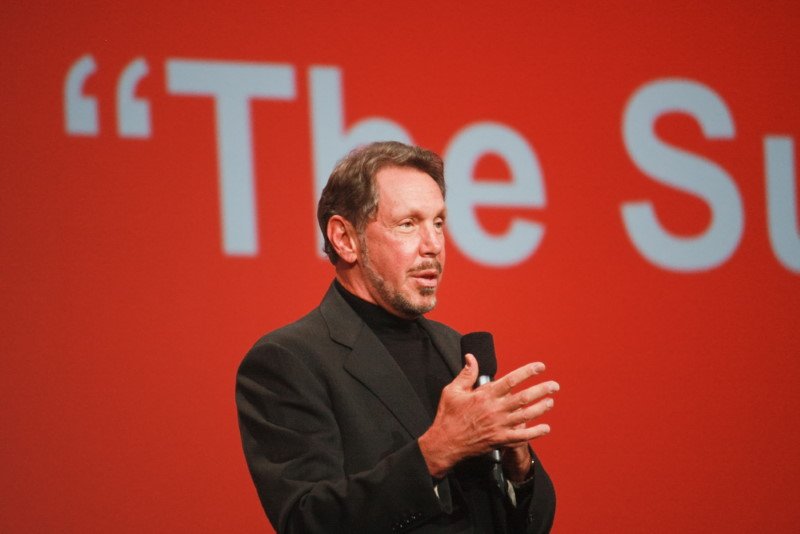
Larry Ellison is the legendary, swashbuckling co-founder, Executive Chairman, and Chief Technology Officer of Oracle Corporation. Dropping out of college twice before moving to California in the 1960s, Ellison co-founded Software Development Laboratories in 1977, developing the world’s first commercial relational database management system (RDBMS) based on IBM researcher Edgar F.
Codd’s papers, landing their very first contract with the Central Intelligence Agency (code-named “Oracle”). Over the following five decades, Oracle grew into the software backbone of global corporate enterprise, financial logistics, and cloud database management.
5. Mark Zuckerberg ($245 billion)
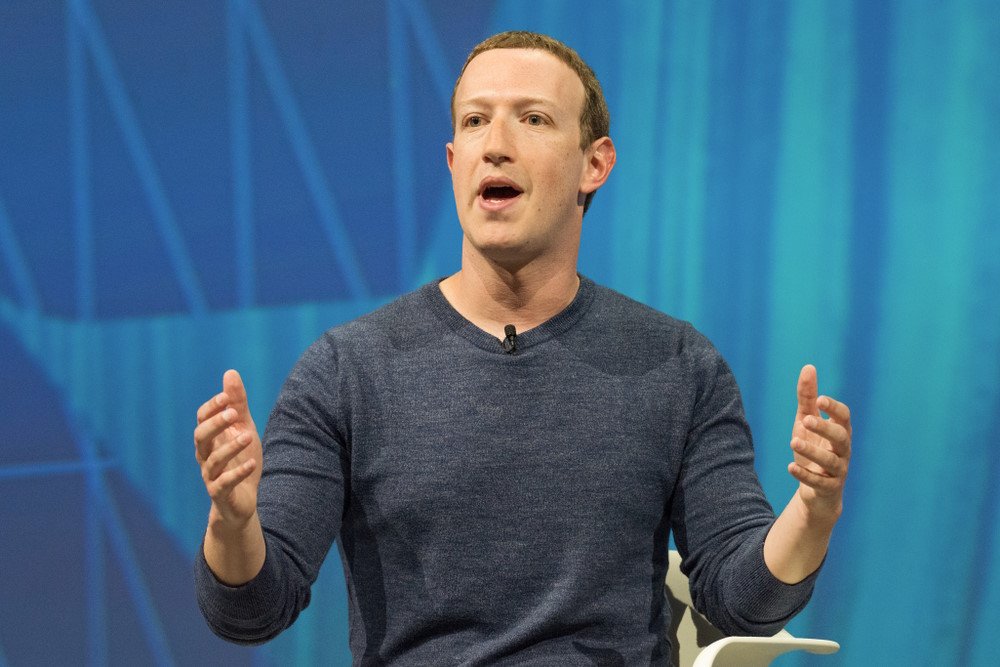
Mark Zuckerberg launched Facebook from his Harvard University dorm room in 2004 at the age of nineteen, permanently transforming global human communication, social interaction, and digital media. Serving as Chairman and CEO of Meta Platforms, Zuckerberg has navigated two decades of intense regulatory scrutiny, platform transitions, and technological pivots to build the largest social network in human history.
Across Meta’s family of apps, including Facebook, Instagram, WhatsApp, and Messenger, more than 3.2 billion people connect daily.
4. Jeff Bezos ($250 billion)
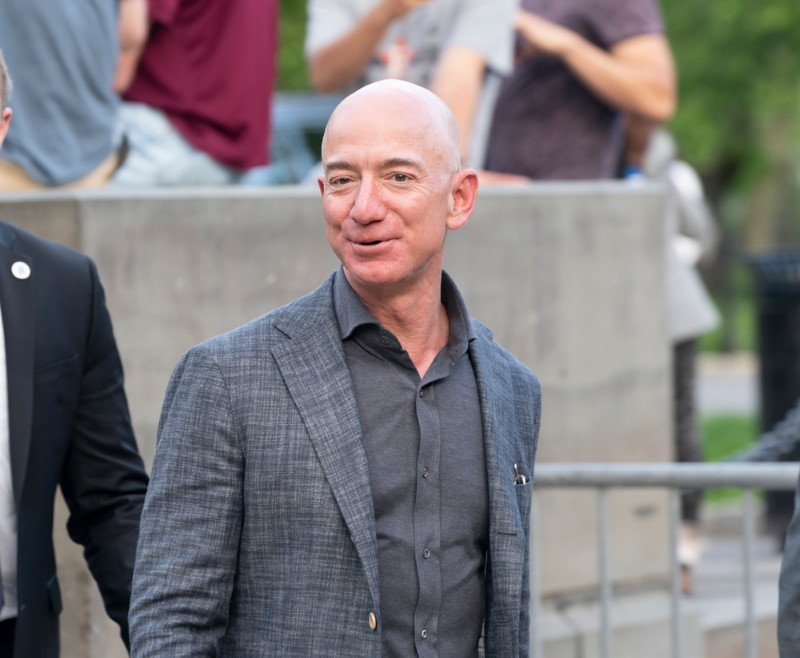
Jeff Bezos revolutionized global commerce, consumer behavior, and cloud computing when he founded Amazon in a Seattle garage in 1994. Leaving a lucrative Wall Street career at hedge fund D.E.
Shaw to capitalize on the nascent World Wide Web, Bezos initially launched Amazon as an online bookstore before expanding it into “The Everything Store.”
3. Sergey Brin ($255 billion)
Sergey Brin co-founded Google in 1998 alongside Stanford University Ph.D. classmate Larry Page, creating the algorithmic search engine that organized the world’s information and fundamentally shaped the internet age. Born in Moscow and immigrating to the United States as a child to escape Soviet anti-Semitism, Brin’s mathematical and computer science brilliance provided the foundational algorithms for Google’s early ranking systems.
Serving as President of Google and later Alphabet until stepping down from day-to-day operations in 2019, Brin led Google X (now “X Development”), the company’s “moonshot” lab responsible for developing self-driving car technology (Waymo), augmented reality glasses (Google Glass), and drone delivery systems (Wing).
2. Larry Page ($276 billion)
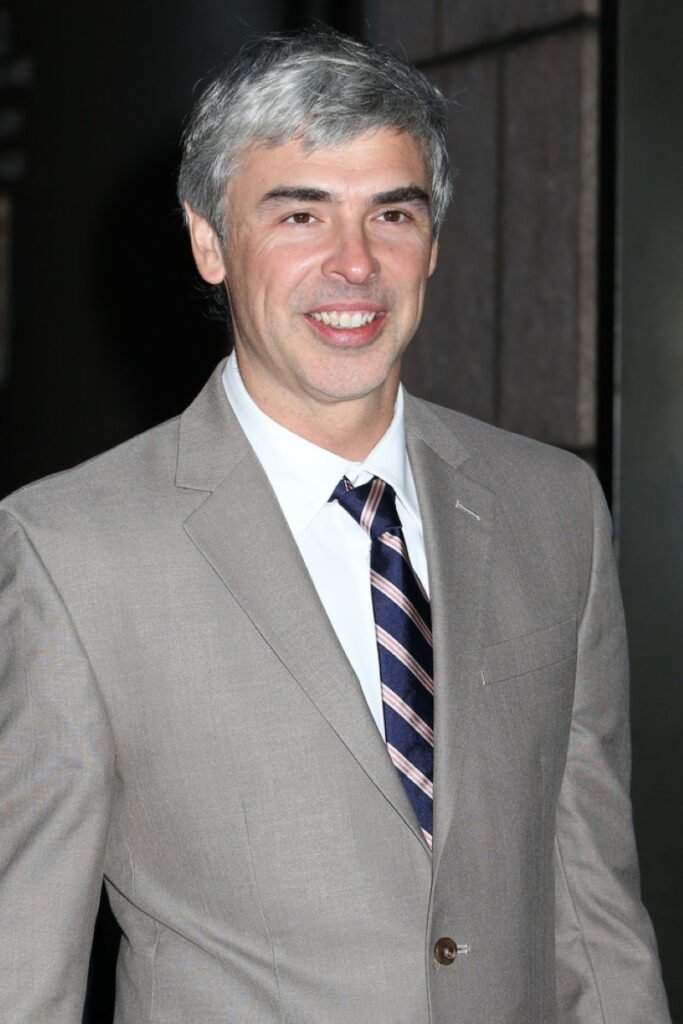
Co-founder of Google and the primary architect of the revolutionary PageRank algorithm, which ranked web pages based on the density and authority of inbound hyperlinks, Larry Page served as Google’s founding CEO from 1998 to 2001, and again from 2011 to 2015, before serving as CEO of parent holding company Alphabet until 2019. Page’s tenure as CEO was defined by major corporate expansion and acquisitions that became digital essentials for billions of global citizens: acquiring Android in 2005 (which now powers over 70 percent of all smartphones on Earth), acquiring YouTube in 2006 for $1.65 billion, and launching Google Chrome, Google Maps, and Gmail.
Page is renowned for his “Toothbrush Test”, requiring that Google products be used at least twice a day and improve everyday human life.
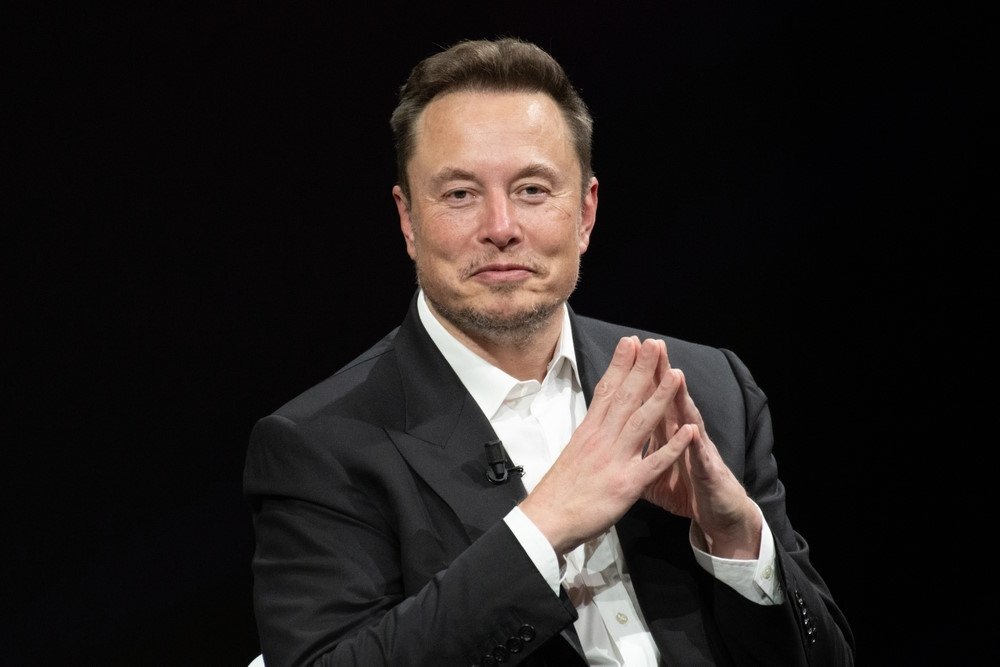
1. Elon Musk ($775 billion)
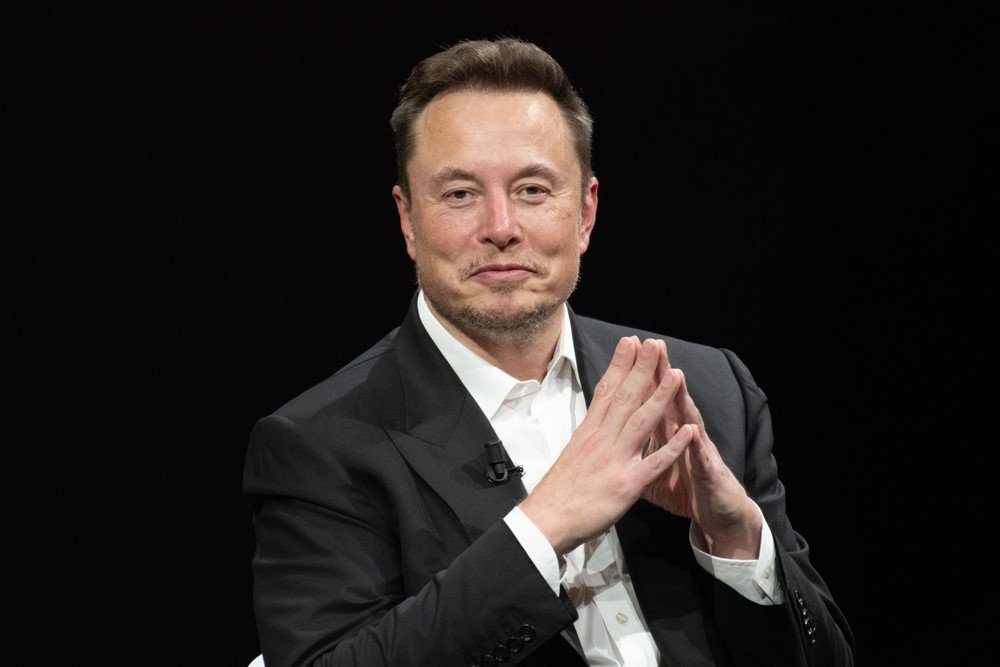
Standing completely unchallenged as the wealthiest human being in modern history, Elon Musk commands an astonishing personal fortune approaching $775 billion, propelled by his historic multi-company empire spanning electric transportation, private space exploration, artificial intelligence, brain-computer interfaces, and social media. Born in South Africa, Musk made his initial fortune as a co-founder of PayPal before risking his entire net worth to launch SpaceX in 2002 and fund Tesla in 2004.
Musk revolutionized automotive history by proving electric vehicles could be luxurious, high-performance, and immensely profitable, building Tesla into a trillion-dollar automaker leading autonomous driving and robotics.
Which choice on this list is your personal favorite? Share your thoughts and rankings in the comments below.