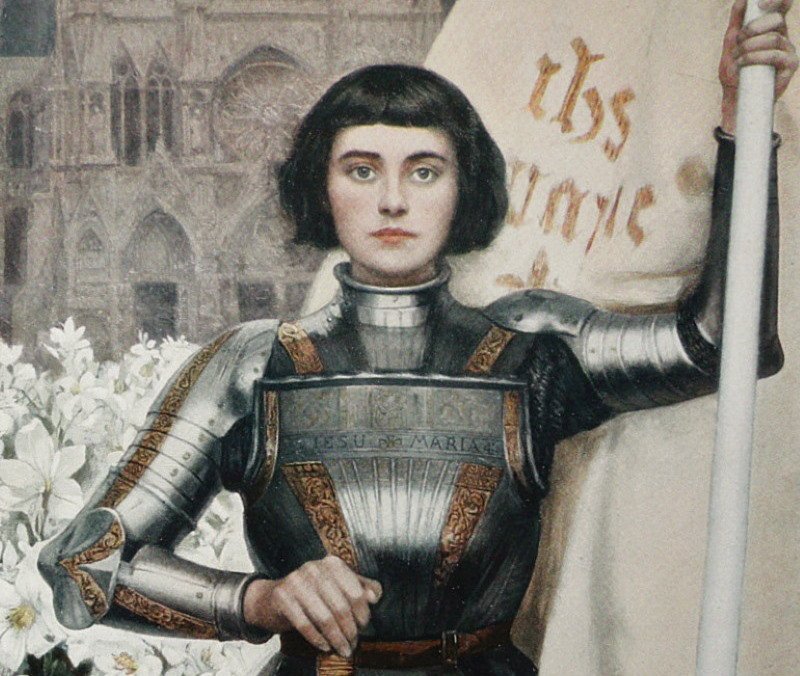
She is a national heroine of France and a Catholic saint: Joan of Arc, the Maid of Orléans. Born around 1412 in the village of Domrémy in northeastern France, she played a crucial role in the Hundred Years’ War between England and France while still a teenager. She was only around 19 when she was burned at the stake. These are ten facts about her extraordinary life.
1. Joan of Arc was not her real name
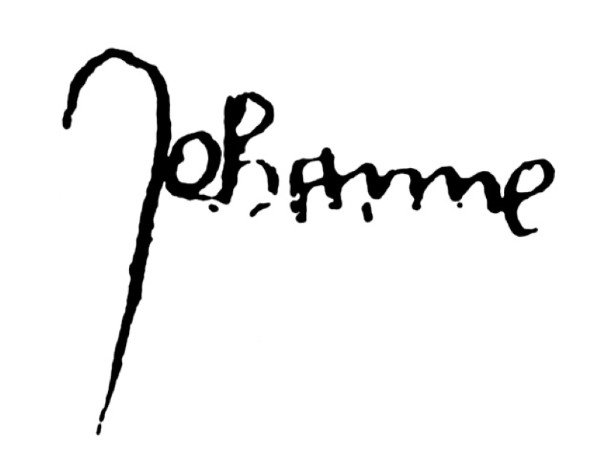
The name Joan of Arc, Jeanne d’Arc in French, is the one history remembers, but she never used it herself. In her own time, she called herself Jehanne la Pucelle, “Joan the Maid”. “Arc” was the name of her father, Jacques d’Arc, and in her region, children often took their mother’s surname instead. At her trial, she said she was sometimes called Jehanne d’Arc and sometimes Jehanne Romée, after her mother.
2. She was an illiterate peasant girl
Joan grew up in a farming family in Domrémy. She helped her parents in the fields and with the animals, and learned to sew and spin from her mother. Like most peasants of her time, she could not read or write, although she later learned to sign her name. Remarkably, this young girl from the countryside would soon be advising the future king and commanding soldiers.
3. She heard voices from the age of 13
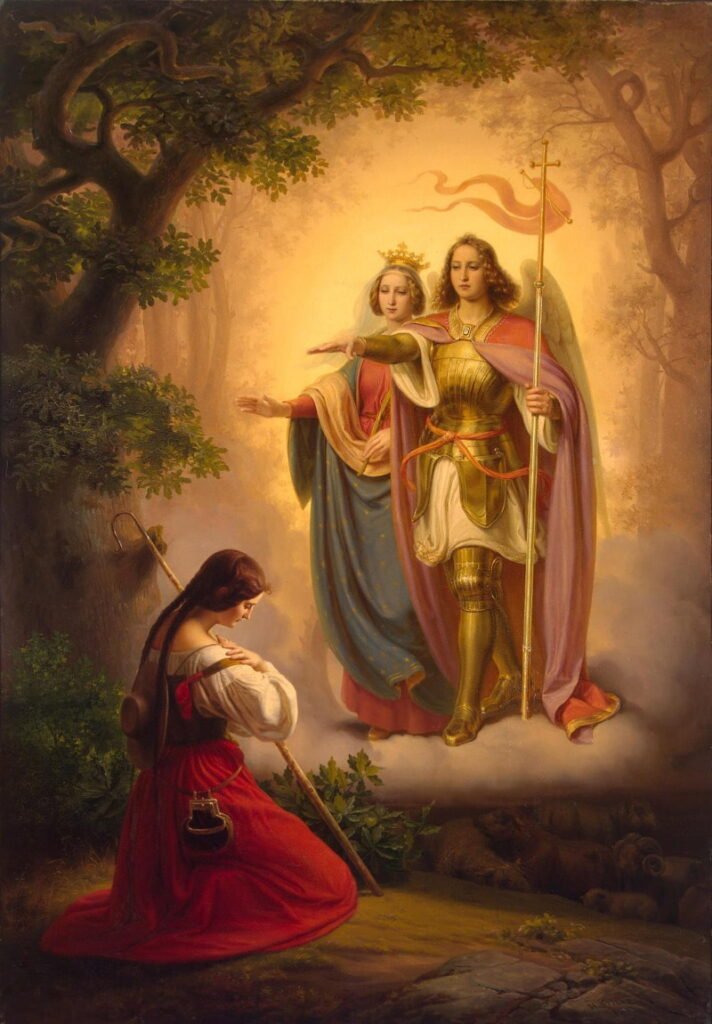
From around the age of 13, Joan said she heard voices and saw visions of the Archangel Michael, Saint Catherine and Saint Margaret. They told her to drive the English out of France and to bring the Dauphin, Charles, to Reims to be crowned king. Historians and doctors have proposed many explanations, from epilepsy and schizophrenia to migraines, but there is no way to know for sure. For her supporters, then and now, they were genuine divine messages.
4. She led the French army at 17
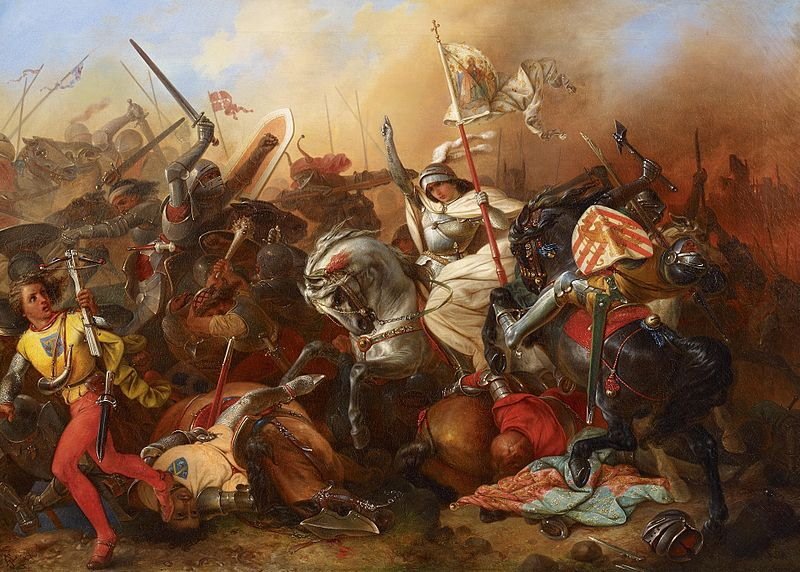
In 1429, at the age of 17, Joan convinced the Dauphin Charles to give her armor and a horse and to let her accompany an army sent to relieve the besieged city of Orléans. Within days of her arrival, the siege was broken, a turning point in the war. Two months later, she stood beside Charles when he was crowned King Charles VII in Reims Cathedral.
Although she was a military leader and inspired the troops, she said she preferred to carry her banner rather than her sword, so that she would never kill anyone. She was, however, wounded several times, including by an arrow in the shoulder at Orléans.
5. She had a fiery temperament
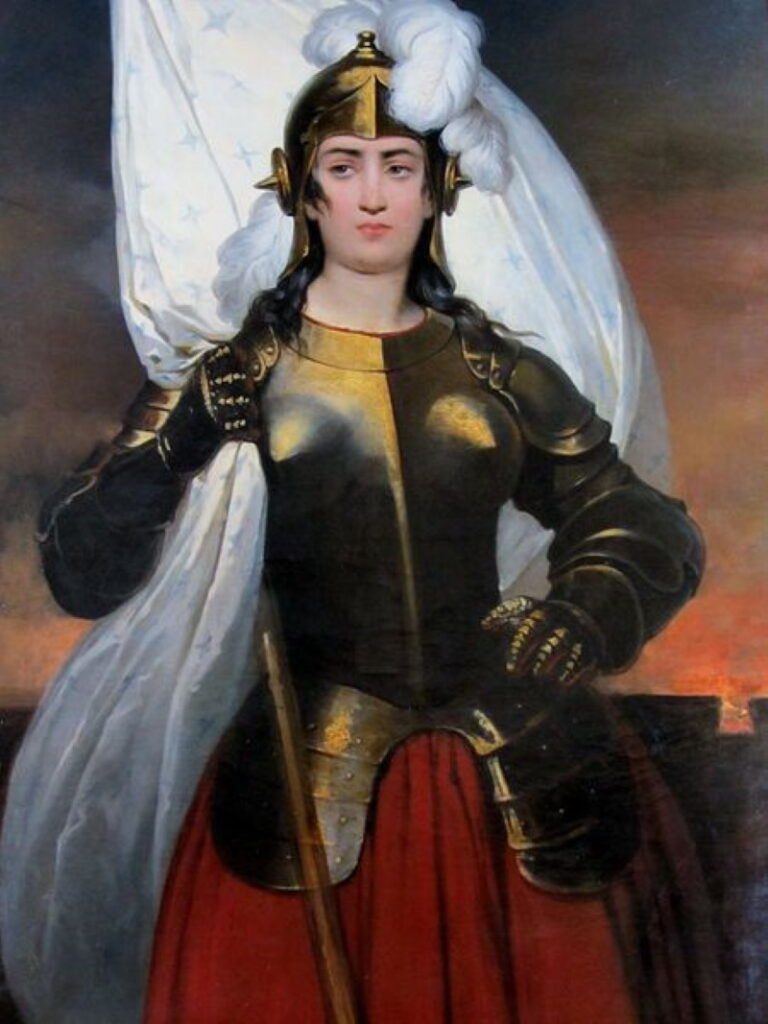
Joan was not a quiet, meek saint. She was known for her strong will and sharp tongue. She chased prostitutes away from the army camp, forbade the soldiers to swear and ordered them to go to confession. She sent letters to the English commanders demanding that they leave France, and was not afraid to argue with the king’s experienced generals when she disagreed with their plans. At her trial, her quick, clever answers to the learned judges impressed even her enemies.
6. She was captured and sold to the English
In May 1430, Joan was captured by Burgundian forces, allies of the English, during a skirmish near Compiègne. While she was held prisoner, she tried to escape by jumping from a tower around 20 meters high, and survived. Charles VII, the king she had helped to the throne, made no serious attempt to rescue her. The Burgundians sold her to the English for 10,000 livres.
7. She was not executed for witchcraft
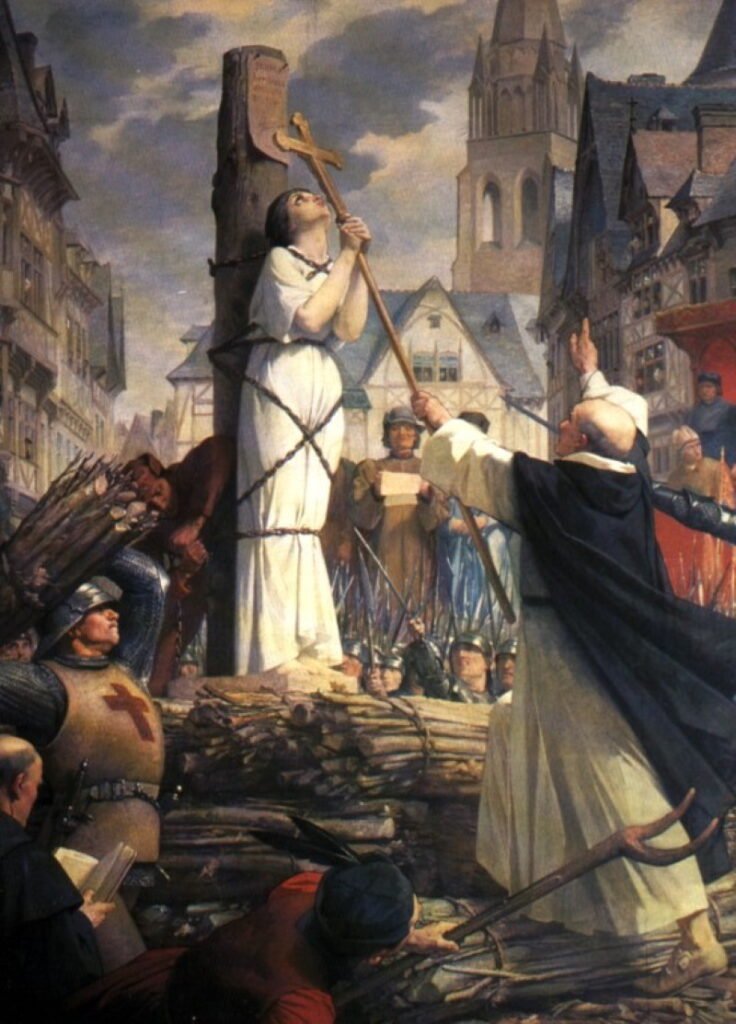
It is often said that Joan was burned as a witch, but that is not quite right. She was tried in Rouen by a church court controlled by the English, on 70 charges that were later reduced to 12, including heresy and wearing men’s clothing. After signing a statement renouncing her claims, she was spared, but a few days later she was found wearing men’s clothes again, which made her a “relapsed heretic”.
On 30 May 1431, she was burned at the stake in the marketplace of Rouen, at around 19 years old. Her body was burned three times, and her ashes were thrown into the Seine, so that no relics would remain. Supposed relics of Joan kept in a French museum were shown in 2007 to come from an Egyptian mummy.
8. An impostor claimed to be Joan
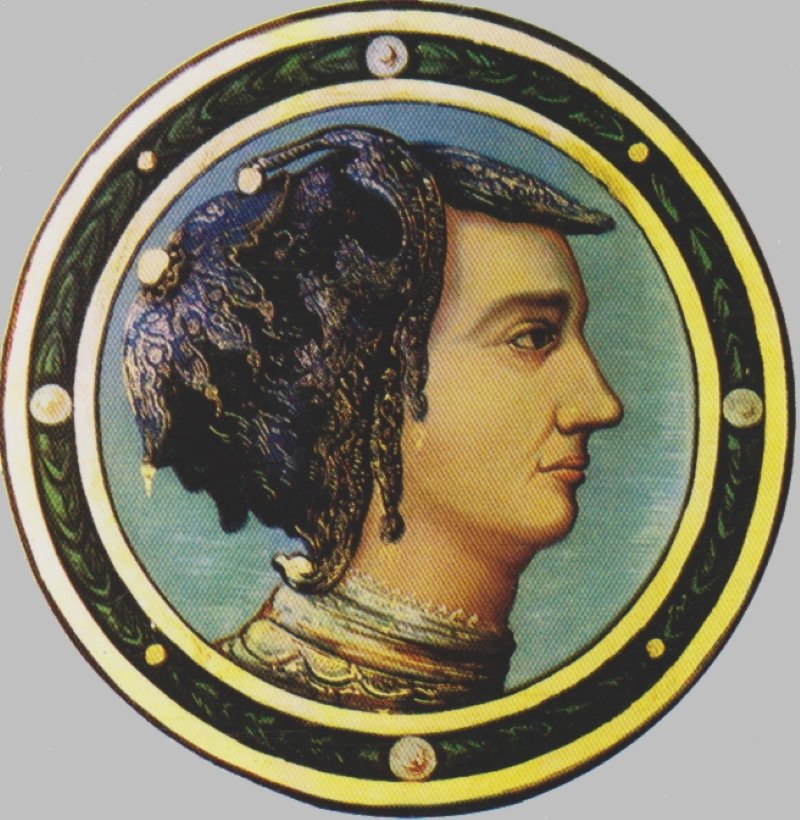
In 1436, five years after Joan’s execution, a woman appeared who claimed to be Joan of Arc and to have escaped the flames. Remarkably, she was even recognized by Joan’s own brothers, perhaps because it suited them. She married a knight and took the name Claude des Armoises. She was eventually exposed as an impostor in Paris around 1440 and admitted that she was not Joan.
9. She was declared innocent 25 years after her death
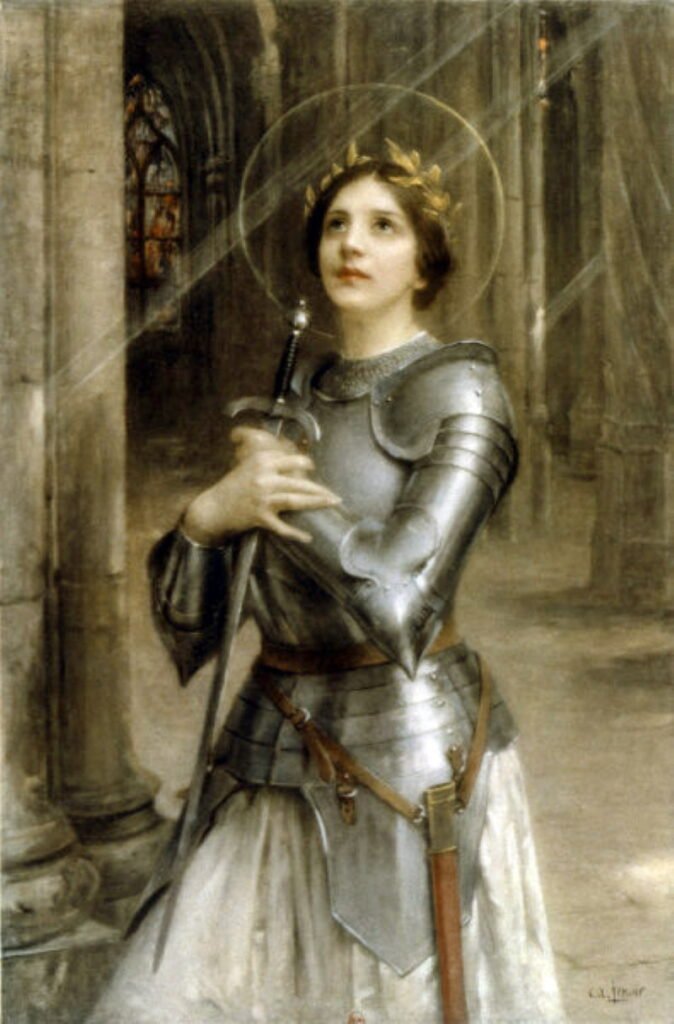
After the English were driven out of most of France, Charles VII had good reasons to clear Joan’s name, since he owed his crown partly to her. At the request of Joan’s mother, the pope ordered a retrial. In 1456, 25 years after her death, the court declared the original trial invalid and Joan innocent.
Centuries later, she became a national symbol of France, used by very different political movements. She was beatified in 1909 and declared a saint by Pope Benedict XV in 1920. She is one of the patron saints of France.
10. She inspired the bob haircut
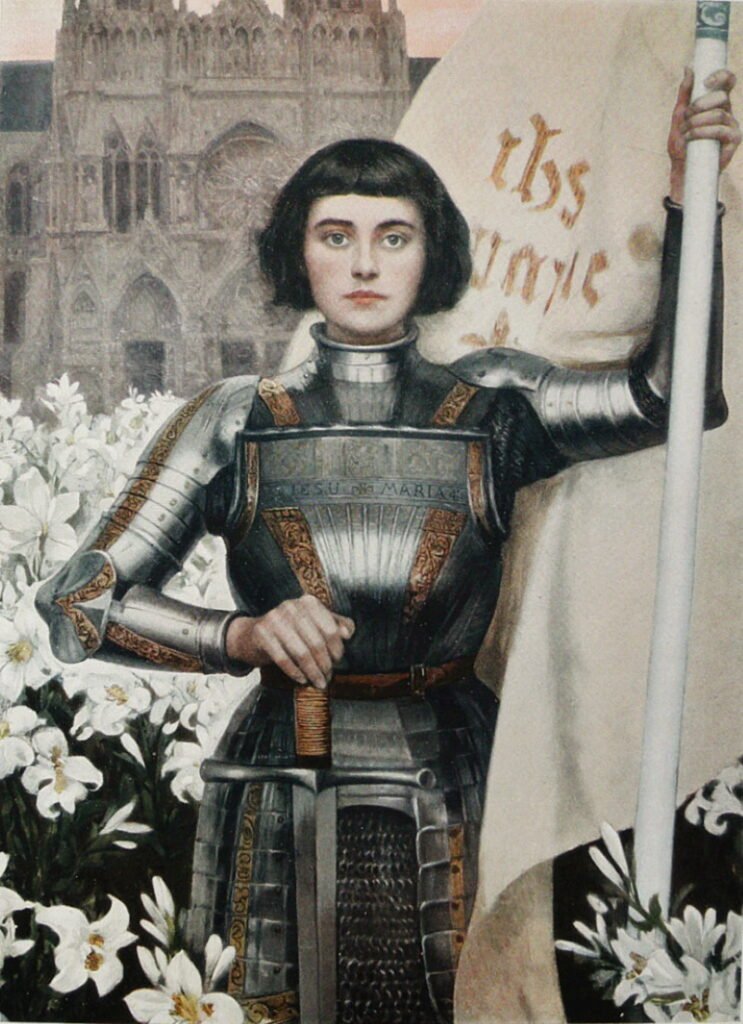
Joan wore her hair cut short, like a man’s, which was very unusual for a woman in the Middle Ages. Centuries later, she became an unexpected style icon. In 1909, the French hairdresser Antoine de Paris is said to have been inspired by Joan of Arc when he created the short “bob” cut. In the 1920s, the bob became a symbol of the independent modern woman, worn by flappers and film stars. And the Joan of Arc story itself has inspired countless films, plays and books, and even a Leonard Cohen song.