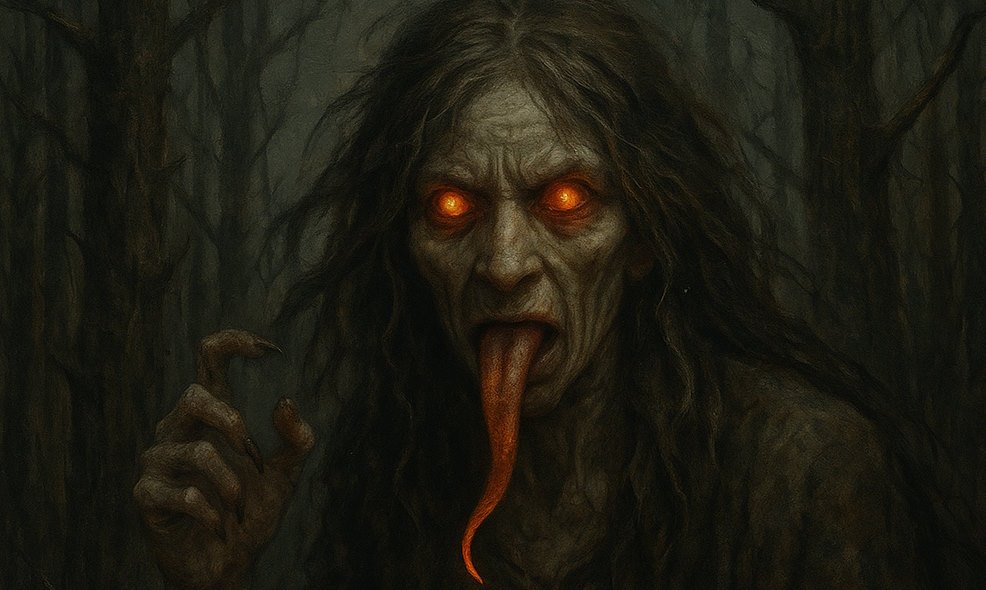
Across ancient mythologies and folklore collections, female demons occupied an especially chilling position. Often born from betrayal, societal taboos, or untamed wilderness, these formidable figures possessed potent sorcery, predatory appetites, and shape shifting gifts that challenged patriarchal authority.
Scholars at the World History Encyclopedia observe that female demons frequently embodied fears of wilderness, infant mortality, and forbidden occult power. Here are the 10 most famous female demons celebrated in world folklore and mythology.
10. Hannya (Japan)
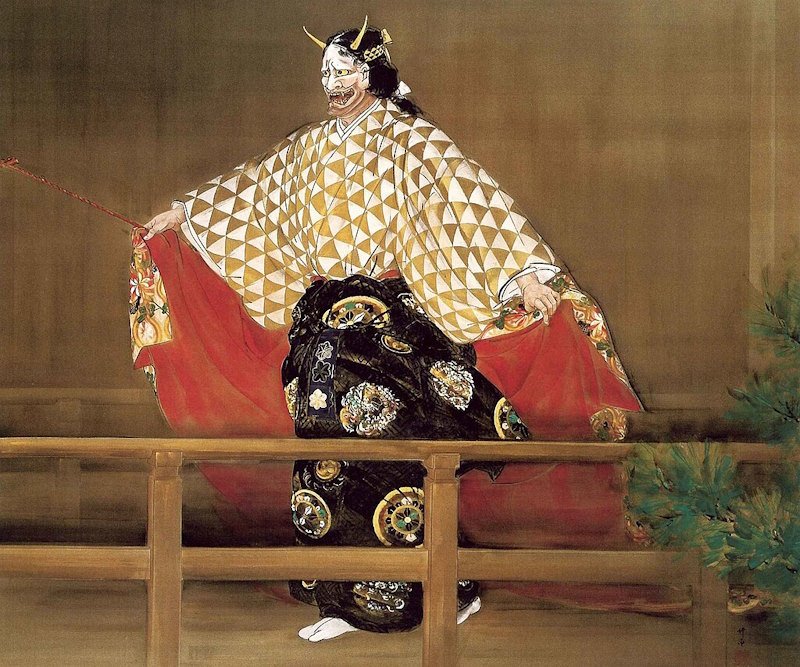
In traditional Japanese Noh theater and folklore, the Hannya is not an innate demon, but the tormented soul of a woman transformed into a vengeful spirit through overwhelming jealousy, betrayal, or obsession. The mask features pointed metallic horns, bulging metallic eyes, and a wide mouth displaying sharp fangs.
Despite its terrifying expression, a subtle tilt of the mask reveals deep sorrow and weeping beneath the demonic fury, capturing the tragic anguish of emotional devastation.
9. Echidna (Ancient Greece)
Known in classical antiquity as the Mother of All Monsters, Echidna was a primordial chimeric being with the torso and face of a nymph and the lower body of an enormous speckled serpent. Dwelling in a deep cavern beneath Arima, she feasted on unwary mortal travelers.
Mated with the storm titan Typhon, she gave birth to Greece most famous terrors, including Cerberus, the Hydra of Lerna, the Chimera, the Nemean Lion, and the Sphinx.
8. Jahi (Persian Zoroastrian Lore)
In ancient Zoroastrian religious texts, Jahi is the demoness of corruption, moral decay, and discord. Associated with Angra Mainyu (Ahriman), the destructive spirit, she played a decisive role in waking him from three thousand years of slumber by kissing his brow.
Her presence was believed to corrupt natural cycles, wither crops, and tempt humanity away from truth, righteousness, and ritual purity.
7. Baba Yaga (Slavic Folklore)
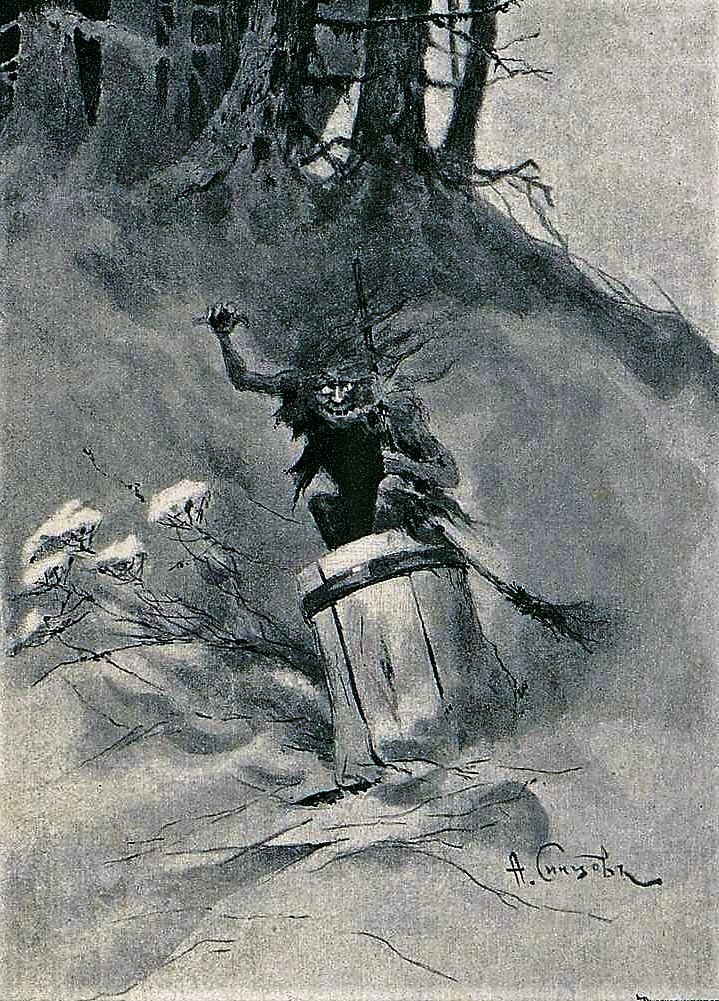
In Slavic fairy tales, Baba Yaga is an enigmatic witch and forest demon who lives in a hut that spins upon giant chicken legs, surrounded by a palisade fence topped with human skulls. She flies through the forest in a flying mortar, steering with a pestle and erasing her tracks with a silver birch broom.
While notoriously known for kidnapping and cooking disobedient children in her brick oven, Baba Yaga also acts as an unpredictable donor who rewards clever and respectful visitors with prophetic advice and magical talismans.
6. Jorogumo (Japanese Folklore)
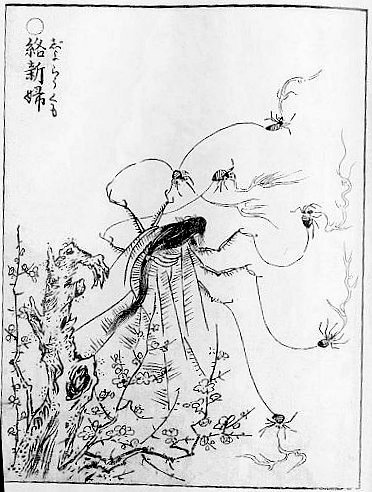
The Jorogumo (literally binding bride) is a monstrous spider demon that reaches supernatural status upon turning four hundred years old. Living near forest waterfalls and isolated temples, she shifts into a radiant young maiden playing a biwa lute to entice lonely travelers.
Once her target drops his guard, she traps him in adhesive silk webbing, paralyzing him with potent venom before consuming him at leisure in her cavern hideaway.
5. Ammit (Ancient Egyptian Religion)
Ammit, known as the Devourer of the Dead, was a female funerary demon combining the three most dangerous man eating predators known along the Nile: the head of a crocodile, the front torso of a lion, and the rear quarters of a hippopotamus.
During the judgment of souls in the Hall of Truth, Ammit crouched beneath the scales of Maat. If a human heart tipped the balance through sinful conduct, Ammit devoured it on the spot, denying the soul any hope of eternal resurrection.
4. Ajatar (Finnish Mythology)
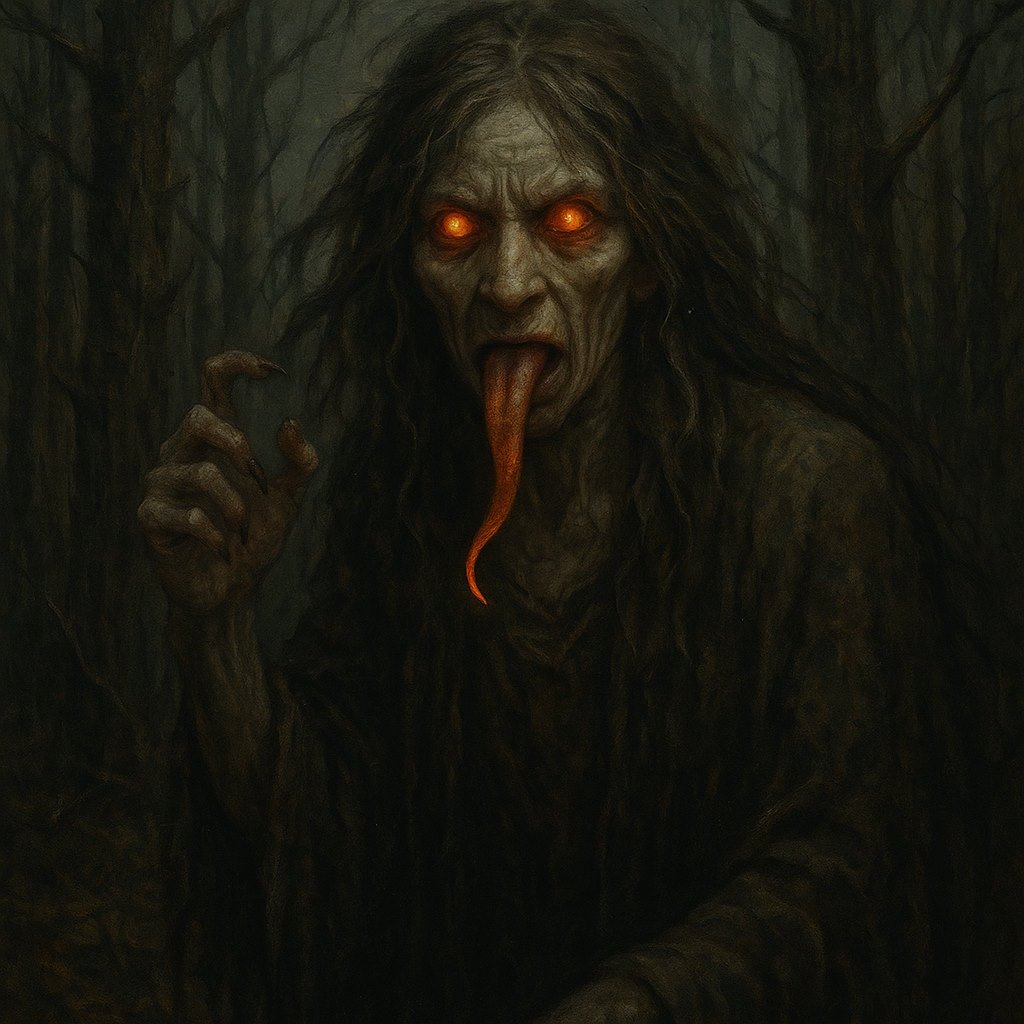
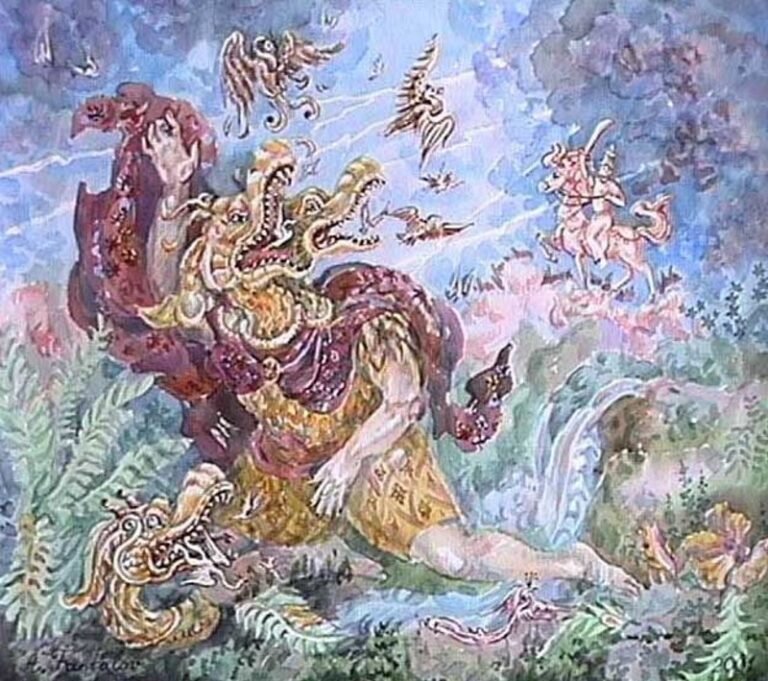
In Finnish and Karelian folklore, Ajatar (or Ajattara) was an evil female forest dragon spirit regarded as the mother of the devil. She dwelt in the thickest pine woods, suckling serpents and woodland vipers at her breast.
Anyone who looked directly into her glowing eyes became stricken with incurable pestilence and madness, making woodsmen pray for divine protection before venturing into untamed northern taiga.
3. Empousa (Ancient Greece)
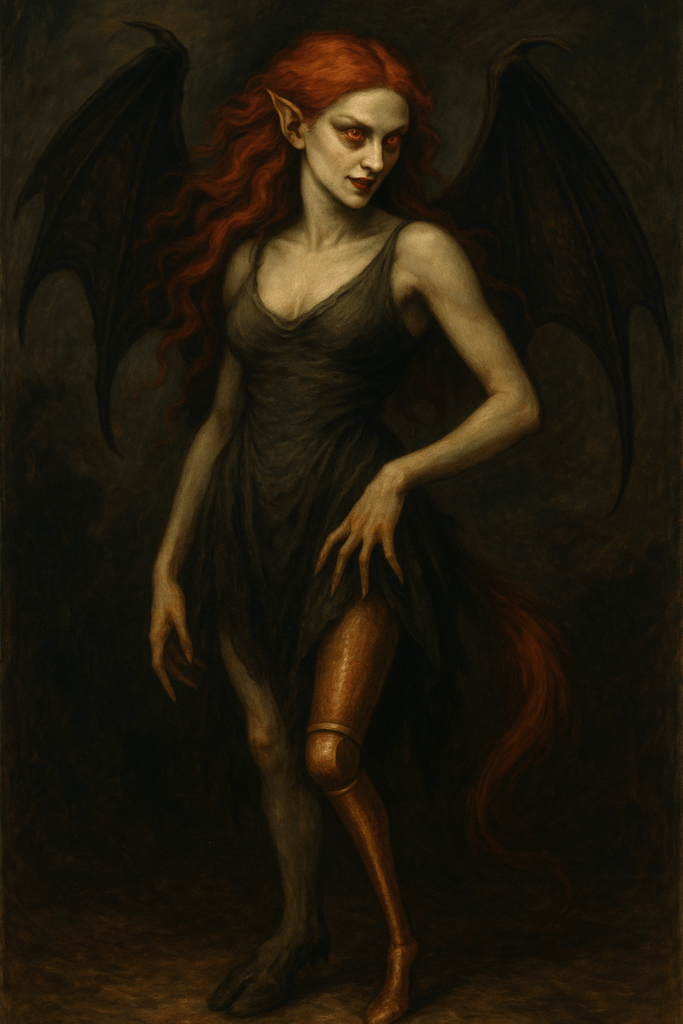
Empousa was a shape shifting underworld demoness serving Hecate, goddess of witchcraft. Appearing as an attractive young maiden to solitary travelers at crossroads, her true grotesque nature was betrayed by having one leg of solid bronze and another of a donkey.
After luring young men into slumber with romantic promises, she drained their blood and devoured their flesh, serving as an ancient Greek prototype of the classical vampire.
2. Abyzou (Near Eastern Lore)
Abyzou was a feared female demon in Mesopotamian, Jewish, and Byzantine folklore blamed for miscarriages and infant mortality. Envious because she was cursed with perpetual infertility, she wandered nocturnal alleys seeking expectant mothers and newborn infants.
According to ancient King Solomon apocryphal legends, Solomon subdued Abyzou by demanding her secret names. Mothers throughout the Mediterranean wore protective silver amulets inscribed with her names to shield their infants from harm.
1. Lilith (Mesopotamian and Jewish Folklore)
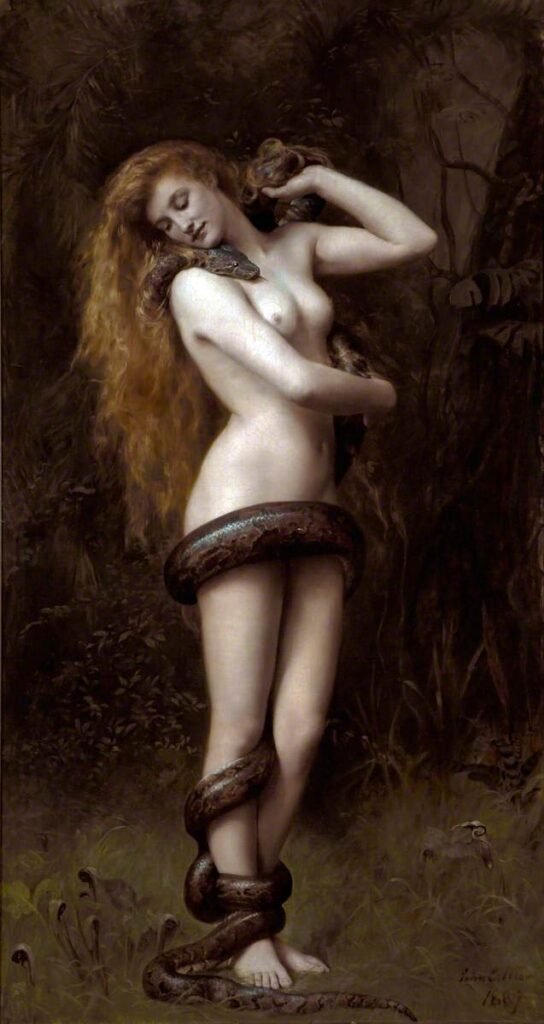
Occupying the foremost rank among female demons, Lilith began in Sumerian and Babylonian mythology as a winged night spirit. In medieval Jewish folklore, she became Adam first wife, refusing to submit to his authority and fleeing Eden to establish her own sovereign domain.
As explored in comprehensive folklore archives at Britannica Folklore Archive, Lilith evolved from a terrifying nocturnal child stealer into a complex cultural symbol of female independence and rebellion against subjugation.
Conclusion
Female demons in folklore reveal how ancient societies grappled with female autonomy, mortal danger, and natural misfortune. Rather than simple villains, these figures frequently possessed tragic backstories and formidable cunning.
From the pine forests of Finland to the desert sands of the Middle East, their legends remain fascinating studies in mythological psychology.