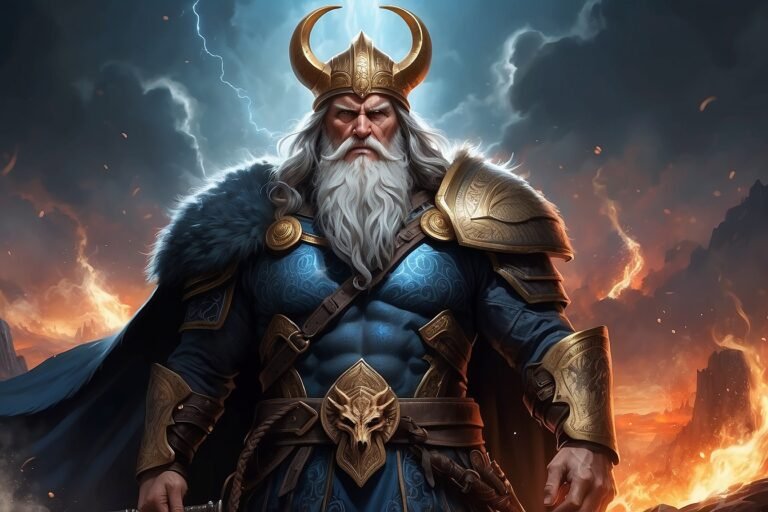
While some chimeras combined multiple animal parts, an even more captivating class of mythological creatures combined human anatomy with animal features. These human animal hybrids reflected the dual nature of humanity, torn between rational civilization and raw animal instincts.
10. The Harpies, Winged Wind Spirits
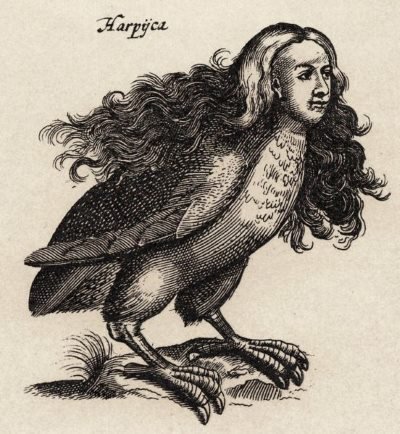
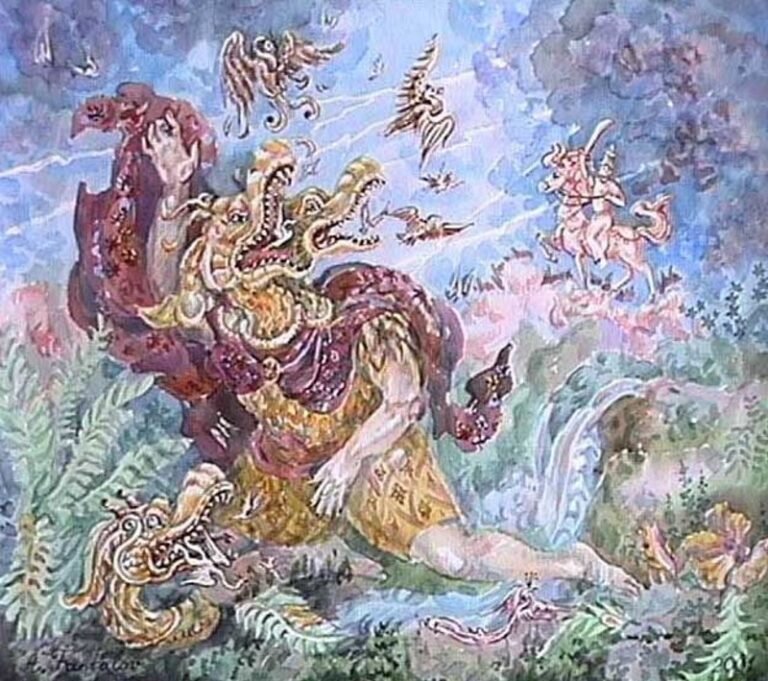
In Greek mythology, the Harpies were predatory wind spirits portrayed with the heads and torsos of pale, emaciated women and the wings and talons of vultures. Dispatched by Zeus to torment the blind seer Phineus, they swooped down whenever food was placed before him, snatching morsels and spoiling the remainder with foul stench.
When Jason and the Argonauts arrived, the winged Boread brothers Calais and Zetes drew their swords and chased the predatory bird women to the Strophades islands, liberating the seer from his torment.
9. The Faun, Roman Spirit of Woodland Pastures
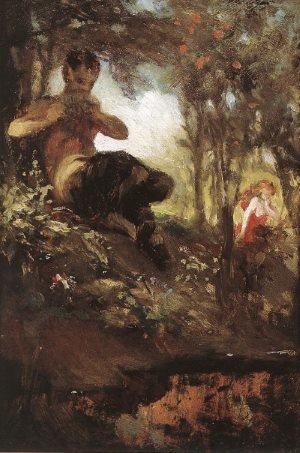
In Roman religion and folklore, Fauns were gentle woodland beings featuring the upper torso of a human and the cloven hooves, hind legs, and horns of a goat. Associated with the god Faunus, they roamed rustic hillsides playing wooden panpipes to protect flocks of grazing sheep.
While related to the wilder Greek satyrs, Fauns were generally regarded as more peaceful rustic spirits who guided solitary mountain travelers and inspired pastoral poetry.
8. The Sphinx, Guardian of Wisdom and Secrets
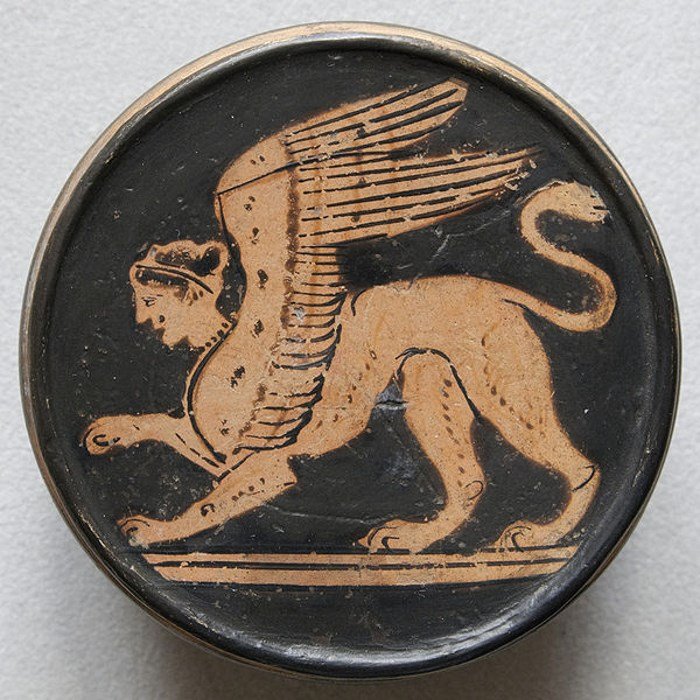
Appearing in both Egyptian and Greek traditions, the Sphinx joined the muscular body of a crouching lion with a human head. In Egypt, colossal male sphinxes like the Great Sphinx of Giza wore royal headdresses, guarding pharaonic pyramids with tranquil dignity.
In Greece, the Sphinx was a predatory female winged creature outside Thebes who strangled and ate travelers unable to solve her intellectual riddles until Oedipus answered her challenge, prompting her to leap from the cliffside.
7. The Selkie, Seal Folk of Celtic Folklore
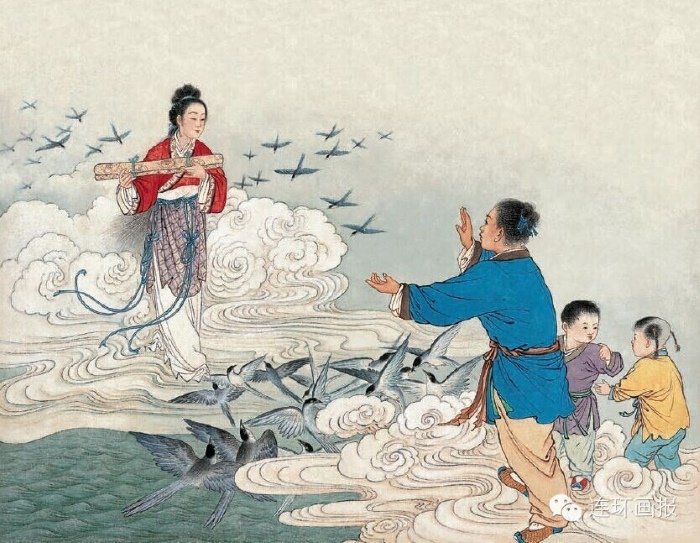
In the folklore of Scotland, Ireland, and the Orkney Islands, Selkies are mythological seal folk capable of shedding their seal skins to walk ashore as beautiful humans on moonlit nights. Melancholy tales recount fishermen stealing a female Selkie skin, forcing her to marry and raise mortal children.
No matter how affectionate she is toward her mortal family, the call of the Atlantic remains irresistible. Once her hidden skin is discovered, the Selkie immediately returns to the ocean deep, swimming alongside her seal kin.
6. Vinayaki, the Elephant Headed Yogini
In Hindu and Buddhist tantric traditions, Vinayaki is an elephant headed goddess revered as the female counterpart or shakti of Ganesha. Portrayed in medieval stone temple carvings with a graceful female body and the head of an elephant, she wields divine weapons and grants spiritual wisdom.
Associated with the Matrikas, the divine mother goddesses, Vinayaki protected cosmic order against demonic forces and bestowed blessings of fertility and intellectual insight upon devotees.
5. The Lamassu, Winged Bull of Assyria
Carved from single blocks of alabaster, the towering Lamassu guarded the palace gates of Assyrian kings in Nineveh and Khorsabad. Possessing the body of a bull or lion, majestic eagle wings, and a bearded human head crowned with a horned headdress, the Lamassu embodied royal intellect and animal strength.
Sculptors ingeniously gave the statue five legs, ensuring that visitors viewing the guardian from the front saw it standing resolute, while visitors viewing it from the side saw it striding boldly forward.
4. Centaurs, Warriors of Forest and Mountain
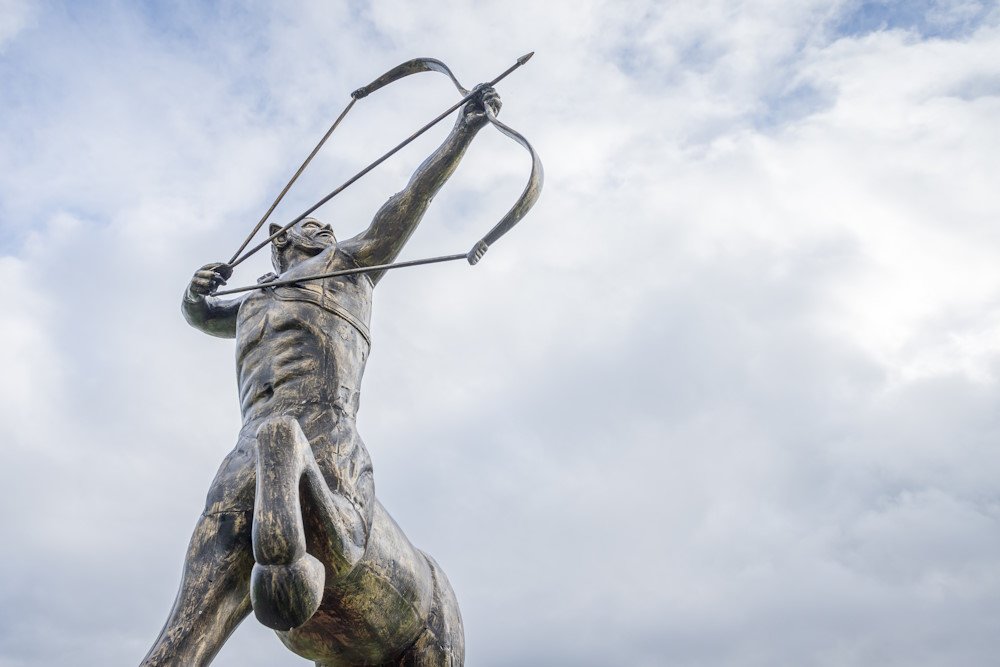
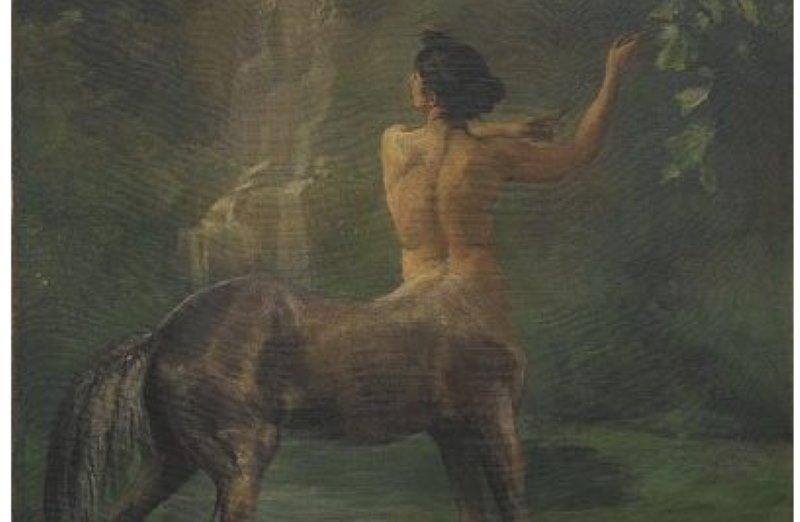
Centaurs were celebrated hybrid beings possessing the torso, arms, and head of a man joined seamlessly to the body and legs of a muscular horse. Dwelling in the wild forests of Mount Pelion in Thessaly, they were renowned for archery, physical endurance, and volatile tempers.
Their exceptional elder Chiron rejected drunken rowdiness, establishing himself as a wise doctor, musician, and tutor who personally educated Greece greatest mortal heroes, including Achilles, Hercules, and Jason.
3. The Sirens, Avian Enchantresses
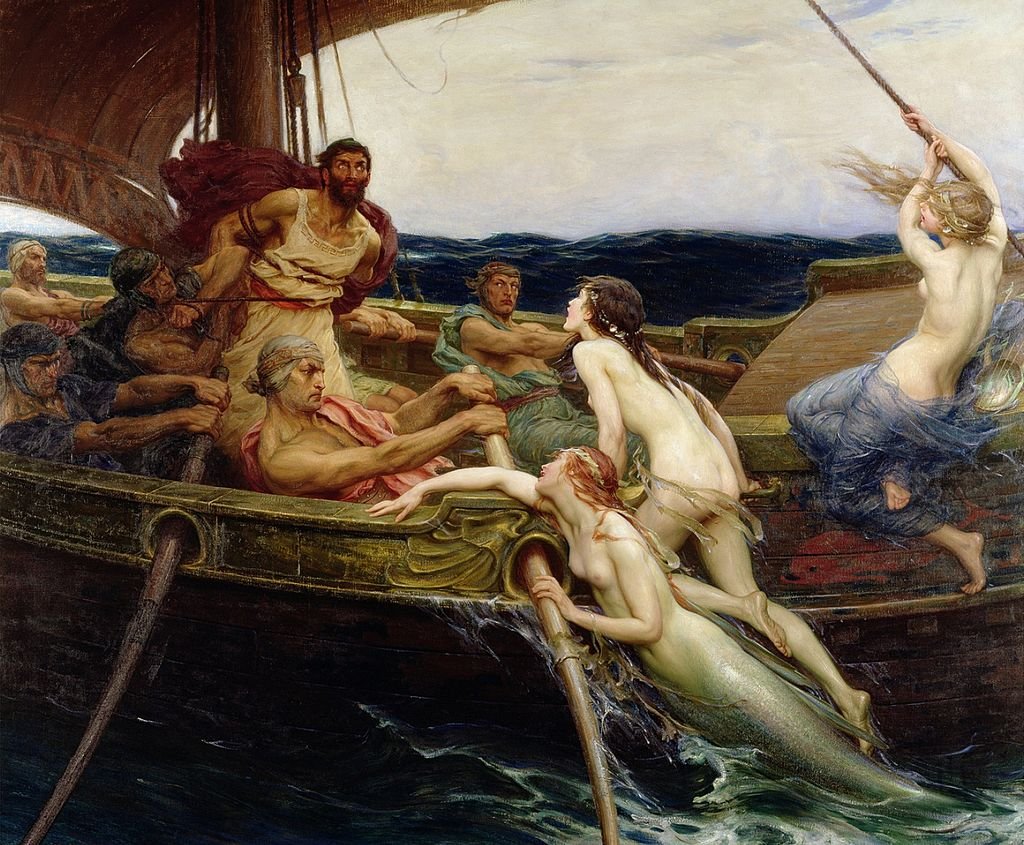
Before later folklore blurred their image with fish tailed mermaids, original Greek sirens were hybrid beings with the bodies of birds and the heads of captivating women. Perched upon rocky cliffs in the Tyrrhenian Sea, their acoustic singing held irresistible power over passing sailors.
Helmsmen entranced by their sweet melodies steered their wooden triremes directly into coastal reefs, where the predatory birds devoured their crews among piles of bleached bones.
2. The Nephilim, Ancient Giants of Legend
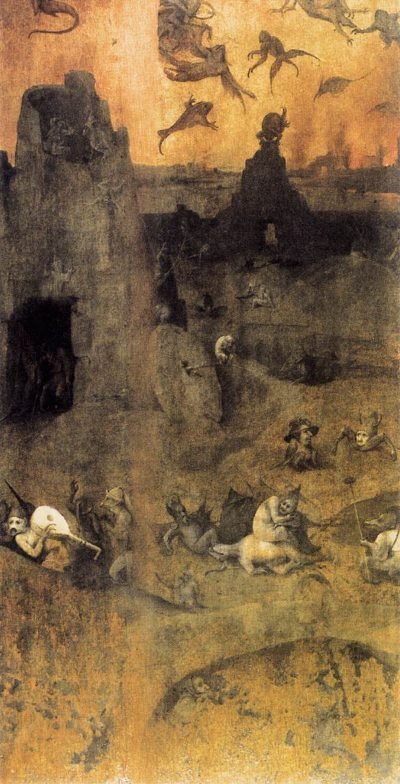
Mentioned in Genesis and detailed in the apocryphal Book of Enoch, the Nephilim were enigmatic hybrid beings born of unions between the Sons of God (fallen angelic Watchers) and the mortal daughters of men. Described as ancient men of renown, they possessed colossal stature and supernatural might.
In apocryphal lore, their rampant violence and corruption consumed worldly resources, prompting divine judgment in the form of the Great Flood to cleanse the earth of their presence.
1. Mermaids, Enchanting Queens of the Deep
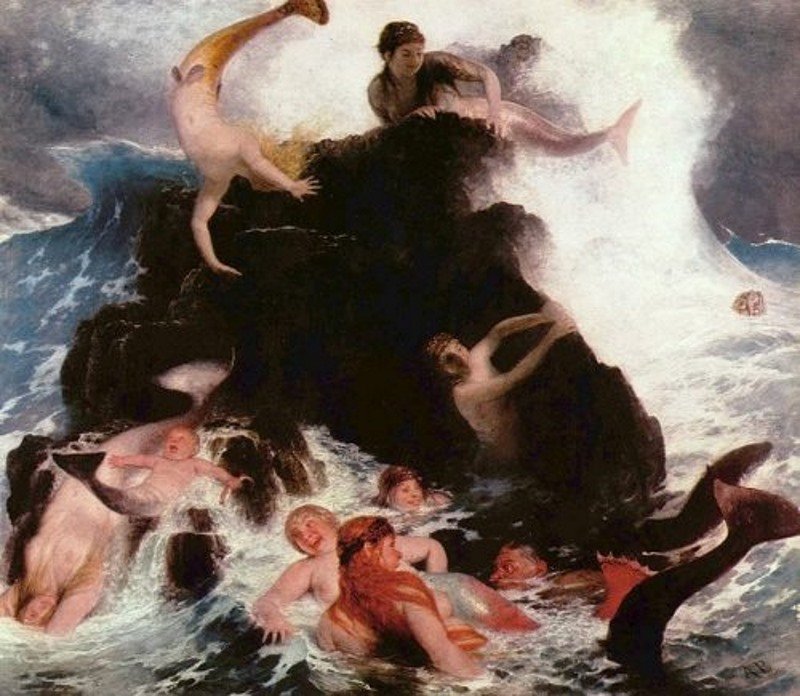
Holding the undisputed premier place among human animal hybrids in global folklore, mermaids possess the upper body of an alluring maiden and the shimmering, scaly tail of a fish. Originating in ancient Assyrian myths of the goddess Atargatis, mermaid legends spread to every maritime culture on earth.
As explored in maritime folklore archives at the World History Encyclopedia, mermaids symbolized the ocean dual nature, capable of granting safe winds and romantic devotion, or summoning devastating storms and drowning sailors in oceanic depths.
Conclusion
Human animal hybrids have fascinated humanity for millennia because they dramatize our own ongoing struggle between primal passions and noble intellect. By giving animal bodies human faces, ancestral mythmakers created living mirrors of human psychology.
Whether acting as protective palace guardians like the Lamassu or tragic sea wanderers like the Selkie, these beings remain unforgettable figures in world folklore.