No mythical creature appears across as many distinct world cultures as the dragon. From the serpentine rain bringers of ancient China to the gold hoarding fire breathers of medieval Europe, dragons symbolized immense cosmic forces that commanded the elements of water, air, earth, and fire.
According to mythological scholarship at Britannica World Mythology, dragons served as humanity ultimate metaphor for natural forces beyond human control. Here are the 10 most famous dragons celebrated in world folklore and mythology.
10. Kur, the Sumerian Primordial Dragon
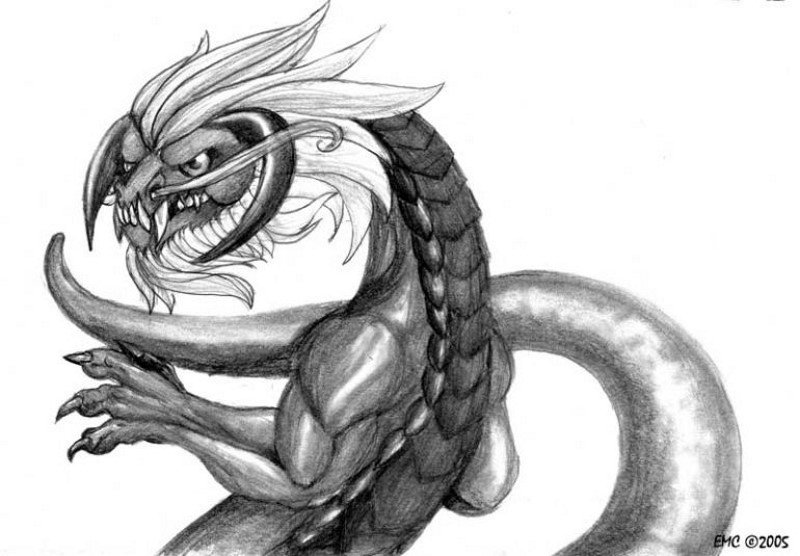
Originating in the ancient cradle of Mesopotamia over four thousand years ago, Kur is regarded by mythologists as the earliest recorded dragon in human literature. In Sumerian cosmology, Kur inhabited the dark underworld void between the earth crust and the subterranean freshwater ocean.
When Kur abducted the goddess of heavens Ereshkigal into the subterranean depths, the water god Enki rode out in a reed boat to do battle, weathering ferocious volleys of stones hurled by the monstrous serpent.
9. Ladon, Guardian of the Golden Apples
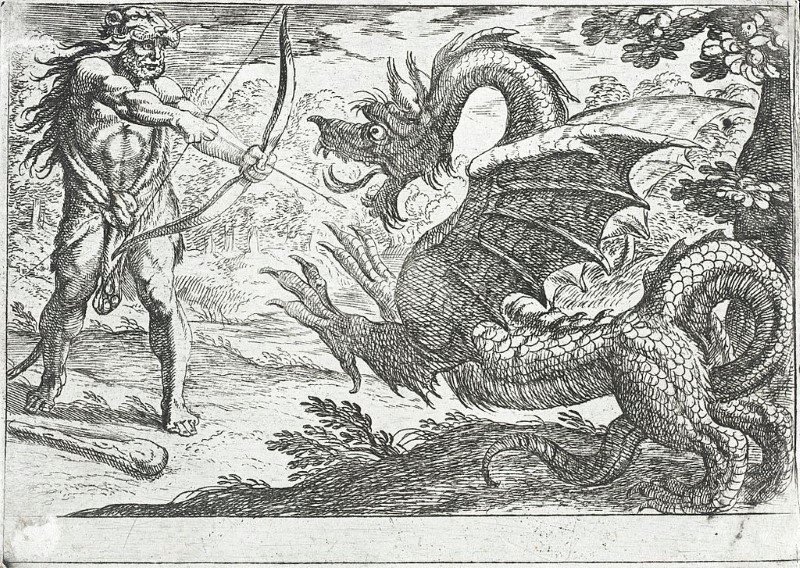
In Greek mythology, Ladon was a serpentine dragon with a hundred heads, each speaking with a distinct voice and language. Hera stationed Ladon in the sacred Garden of the Hesperides to coil around the golden apple tree that produced the fruit of immortality.
Never sleeping, Ladon kept eternal vigil until Hercules arrived for his eleventh labor. Hercules shot an arrow tipped with lethal Hydra poison over the garden wall, slaying the beast before collecting the golden apples. Hera mourned the creature, setting Ladon among the stars as the constellation Draco.
8. Ryujin, the Dragon King of the Sea
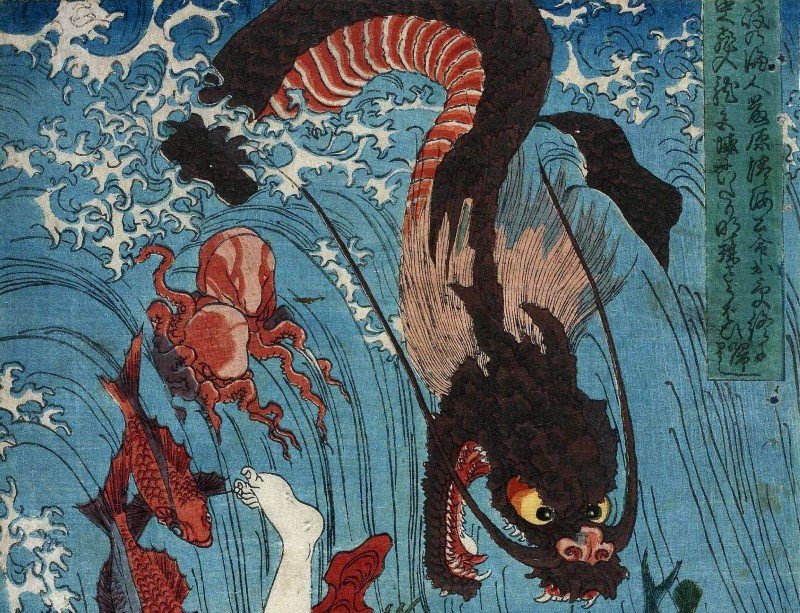
In Japanese Shinto mythology, Ryujin was the supreme dragon deity commanding the oceans and all marine life. Living in Ryugu-jo, an underwater palace constructed from red and white coral, he possessed magical tide jewels called kanju and manju that allowed him to control the ebb and flow of ocean tides.
Ryujin was regarded as a guardian ancestor of the imperial line. Japanese fishing communities prayed to the benevolent dragon god for calm seas, safe voyages, and abundant catches.
7. Vritra, the Drought Serpent
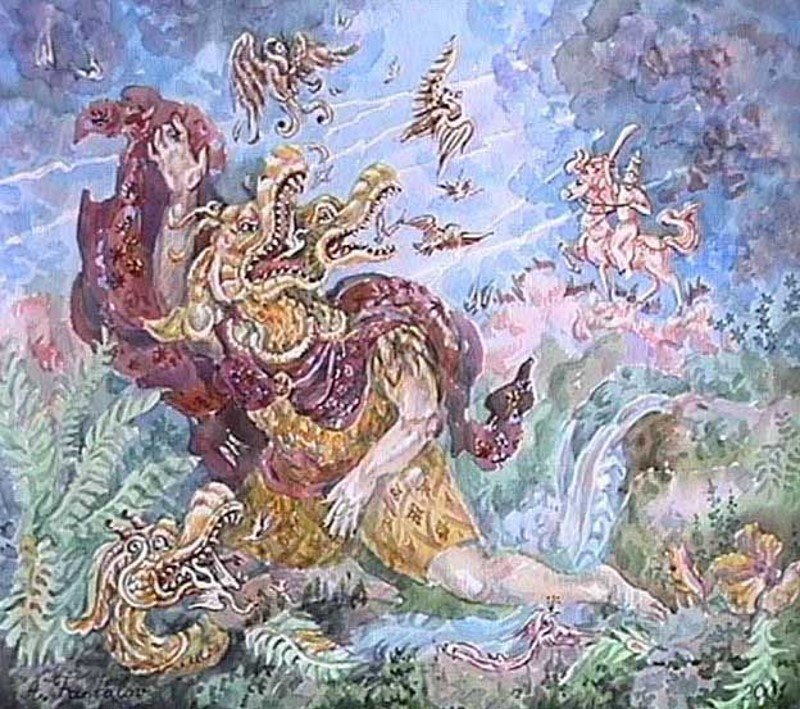
In the ancient Vedic traditions of India, Vritra was an enormous dragon who enclosed all the waters of the universe within his gargantuan body, bringing widespread drought and famine across the mortal realm.
Thunder deity Indra confronted the drought demon, consuming divine soma drink to gain cosmic strength. Indra struck Vritra with his lightning thunderbolt weapon, the vajra, splitting ninety nine mountain ramparts and freeing ninety nine cosmic rivers to nourish the earth.
6. The Nagas
Revered across Hindu, Buddhist, and Southeast Asian traditions, the Nagas are divine semi-human serpents capable of shape shifting between mortal form and multi-headed cobras. Dwelling in subterranean palaces, they protect water springs, lakes, and sacred treasures.
Along the Mekong River in Thailand and Laos, locals still celebrate the mysterious Naga fireballs festival each autumn, attributing glowing orbs that rise from the river surface to underwater serpent spirits honoring Buddha.
5. Nidhogg
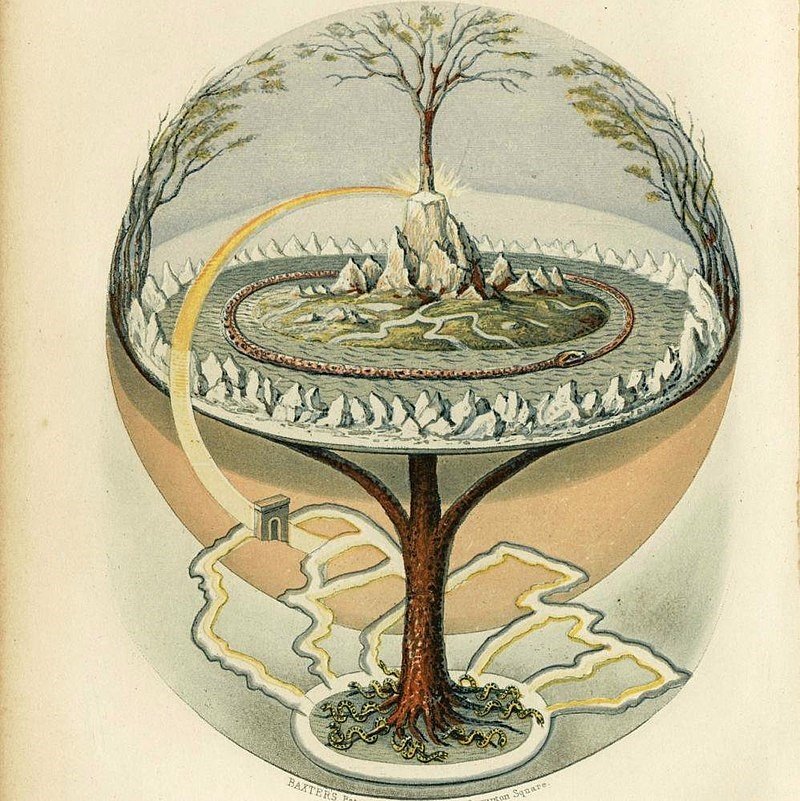
In Norse cosmology, Nidhogg was the dreadful dragon living in the frozen mist realm of Niflheim beneath the roots of the world tree Yggdrasil. The dragon gnawed constantly at the deepest root of the cosmic ash tree, seeking to destroy the cosmic order.
Old Norse poems describe Nidhogg exchanging insults with the eagle perched in the upper branches through the messenger squirrel Ratatoskr. In the aftermath of Ragnarok, Nidhogg is described flying across corpse fields, carrying the bodies of oath breakers upon his dark wings.
4. Fafnir
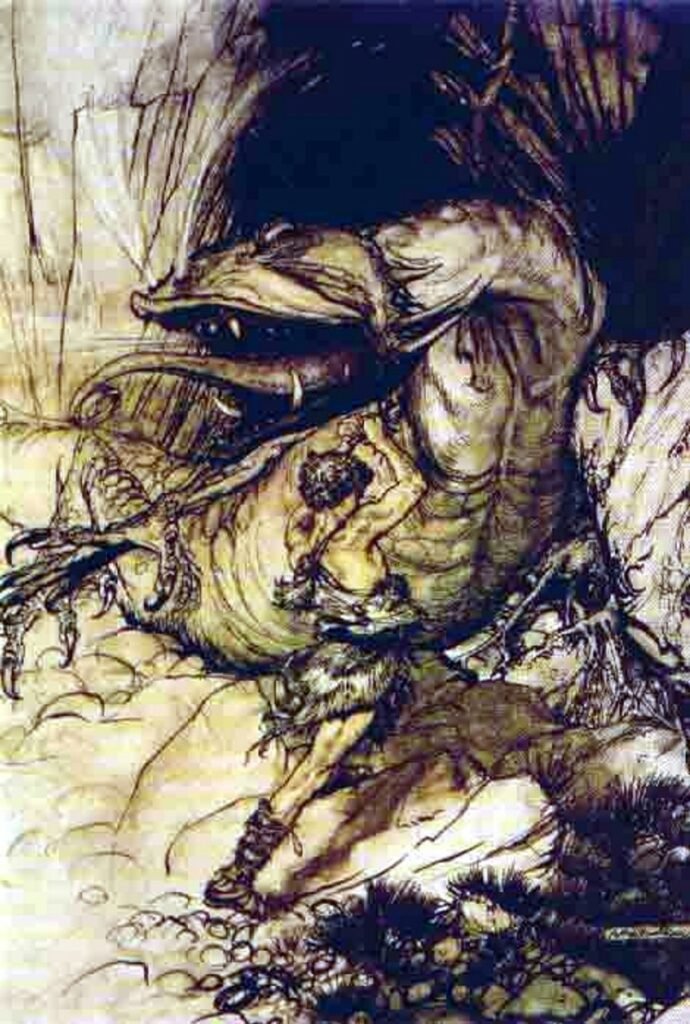
Fafnir was originally a sturdy dwarf prince who succumbed to overwhelming greed after claiming the cursed hoard of the dwarf Andvari. Driven by avarice, Fafnir murdered his father Hreidmar, fled into the wilderness of Gnitaheath, and transformed into a venom breathing dragon to guard his gold.
The legendary hero Sigurd dug a pit along Fafnir path to the waterhole, thrusting his sword Gram upward into the dragon soft underbelly. Sigurd tasted the dragon roasted heart, instantly gaining the ability to understand the speech of birds.
3. Mester Stoor Worm
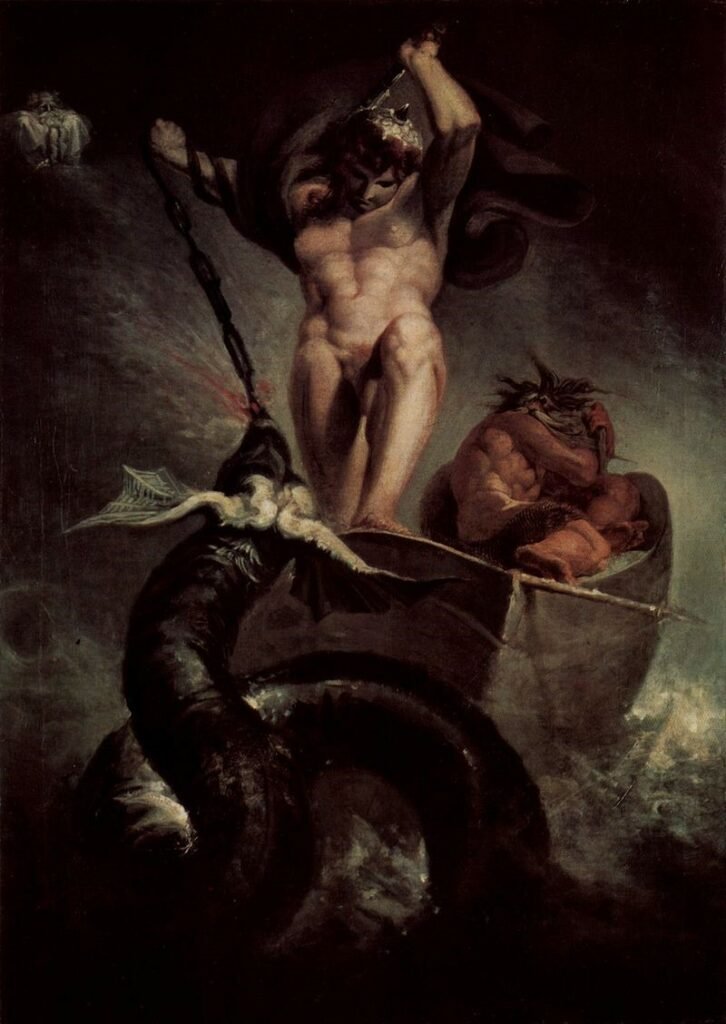
In Scottish and Orcadian folklore, the Mester Stoor Worm was a colossal sea dragon whose coiled body spanned the ocean floor. His breath was so foul that it withered crops, poisoned fish, and killed any living creature within miles.
A brave youth named Assipattle sailed a small boat directly into the monster yawning mouth. Assipattle thrust a smoldering peat ember into the beast liver, sparking an internal inferno. As the dying serpent writhed in agony, its falling teeth became the Orkney, Shetland, and Faroe islands.
2. Y Ddraig Goch, the Welsh Red Dragon
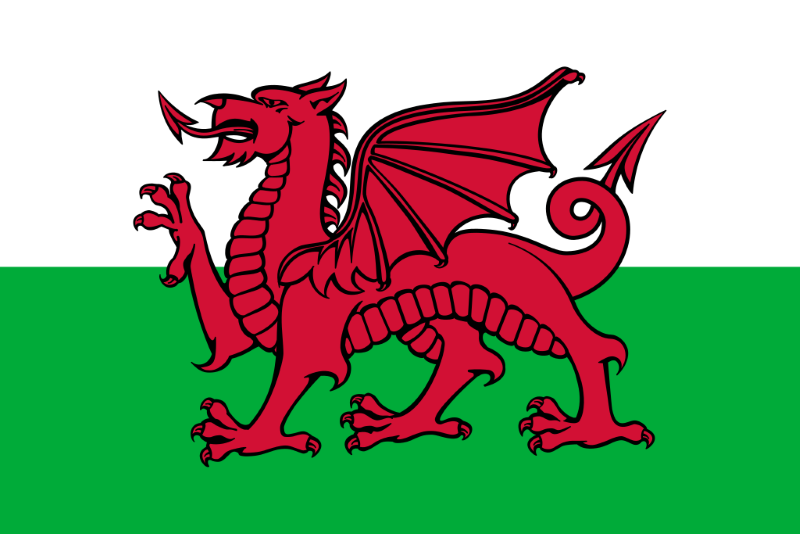
Y Ddraig Goch (The Red Dragon) is the national symbol of Wales, celebrated in Celtic mythology and the Historia Brittonum. According to legend, King Vortigern struggled to construct a fortress at Dinas Emrys because the foundation stones collapsed every night.
The young prophet Merlin revealed that two dragons, one red representing native Britons and one white representing Saxon invaders, were locked in subterranean combat. The red dragon eventually triumphed, cementing its status as an emblem of Celtic sovereignty that still graces the Welsh national flag.
1. The Long, Chinese Dragon
Unlike destructive Western dragons, the Chinese Long is a benevolent celestial being embodying yang energy, royal authority, and auspicious fortune. Composed of nine animal features, including the antlers of a stag, the scales of a carp, and the talons of an eagle, the dragon commands cloudbursts, rainfall, and flowing rivers.
As explored in mythological surveys at the World History Encyclopedia, Chinese emperors claimed descent from the yellow dragon, featuring the five clawed imperial dragon on silk robes. Dragon boat festivals and lantern dances continue to honor the creature across East Asia today.
Conclusion
Dragons occupy a unique place in human mythology, serving as mirrors for cultural values. In the West, dragons represented chaotic greed and untamed fire to be overcome through chivalric valor; in the East, they symbolized cosmic harmony, rain, and royal blessing.
Across thousands of years, these grand scaled beings continue to inspire wonder, standing as humanity most enduring mythic invention.