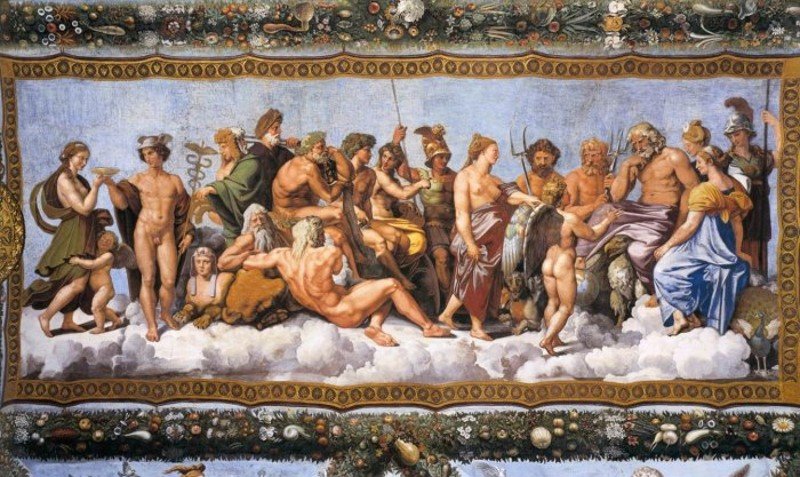
The ancient Greeks believed their most important gods lived on Mount Olympus, the highest mountain in Greece. Ruled by Zeus, this divine family was powerful, but also jealous, vain, passionate and often badly behaved, just like the humans who worshipped them.
Together they are known as the Twelve Olympians. Ancient sources do not always agree on exactly who belonged to the twelve, so here are the gods most often counted among them.
1. Zeus, king of the gods
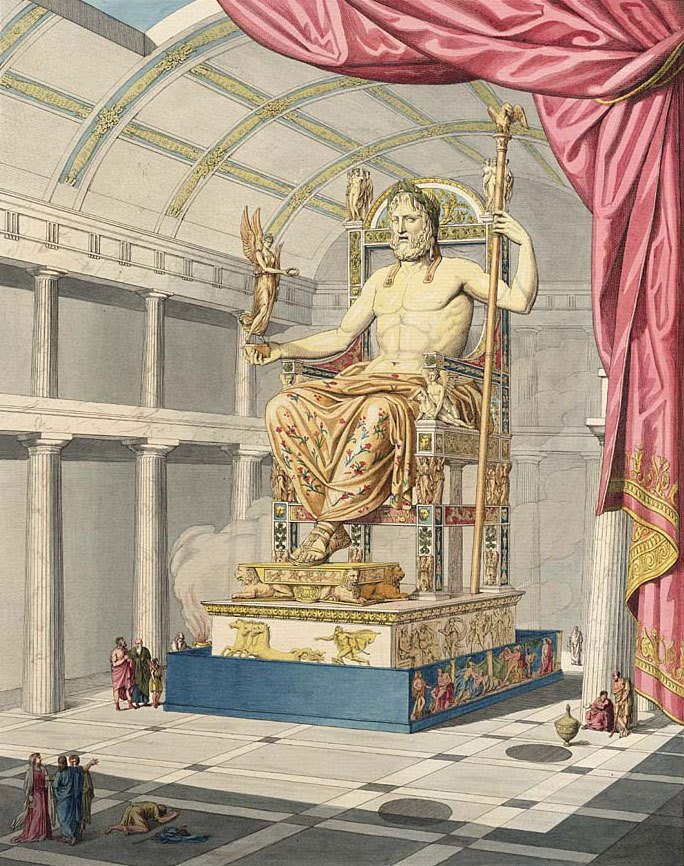
Zeus was the ruler of Olympus and god of the sky, thunder and justice. As a baby, he was hidden from his father Cronus, who swallowed his children to prevent them from overthrowing him. When Zeus grew up, he did exactly that, and freed his brothers and sisters.
He wielded the thunderbolt and kept order among gods and mortals. He was also notoriously unfaithful, fathering countless children with goddesses and mortal women, often in disguise.
2. Hera, queen of the gods
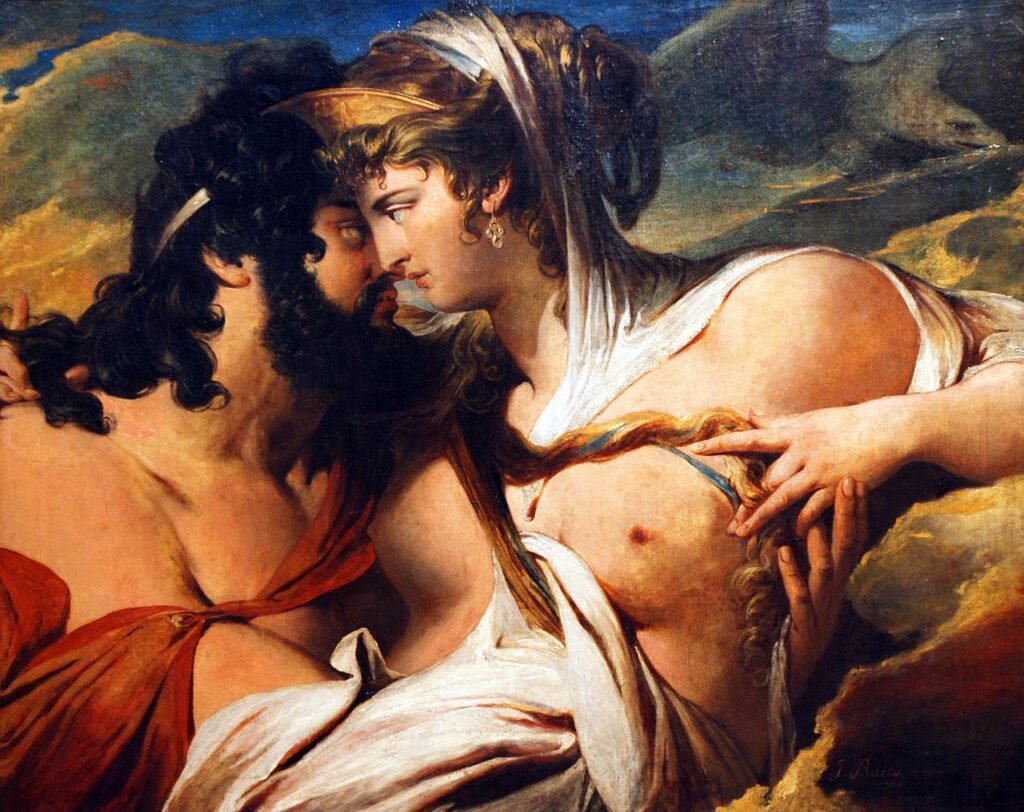
Hera was Zeus’s sister and wife, and the goddess of marriage, women and family. Her sacred animals were the peacock and the cow.
Given her husband’s behavior, she is best known in the myths for her jealousy and her revenge, which usually fell on Zeus’s lovers and their children. The hero Heracles, son of Zeus and a mortal woman, suffered her anger for most of his life.
3. Poseidon, god of the sea
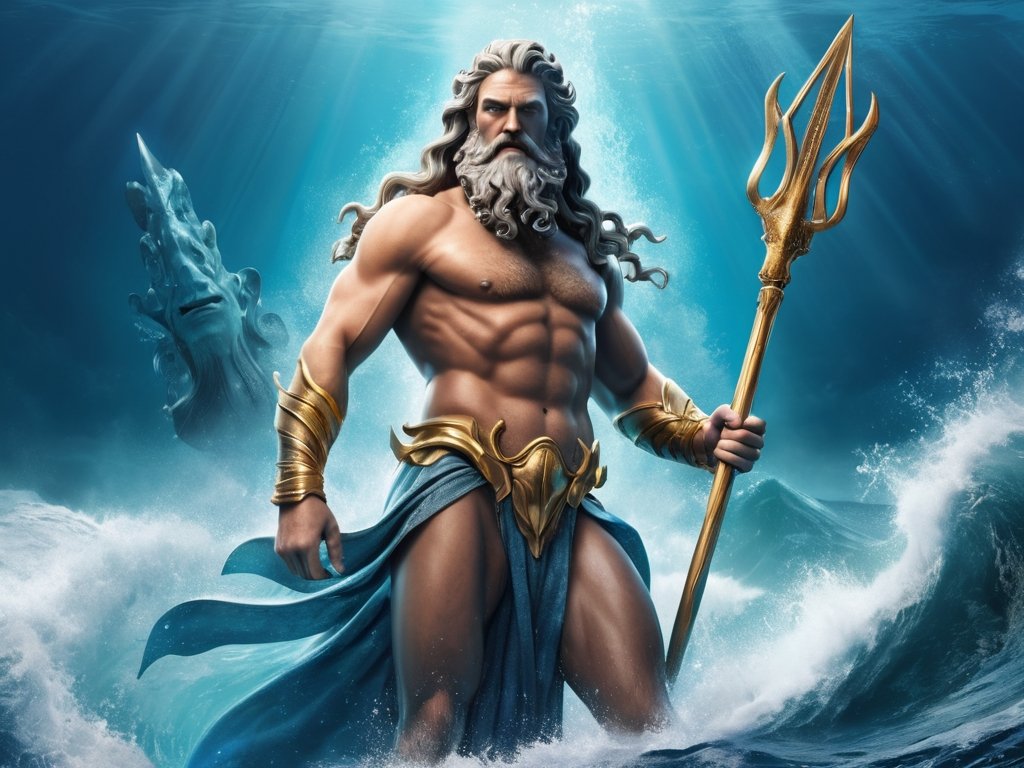
Poseidon ruled the seas with his three-pronged trident. He was also the god of earthquakes, known as the Earth-shaker, and the creator of horses.
Sailors prayed to him for safe passage, because his moods were as unpredictable as the sea itself. In Homer’s Odyssey, it is his anger that keeps Odysseus from getting home for ten long years.
4. Demeter, goddess of the harvest
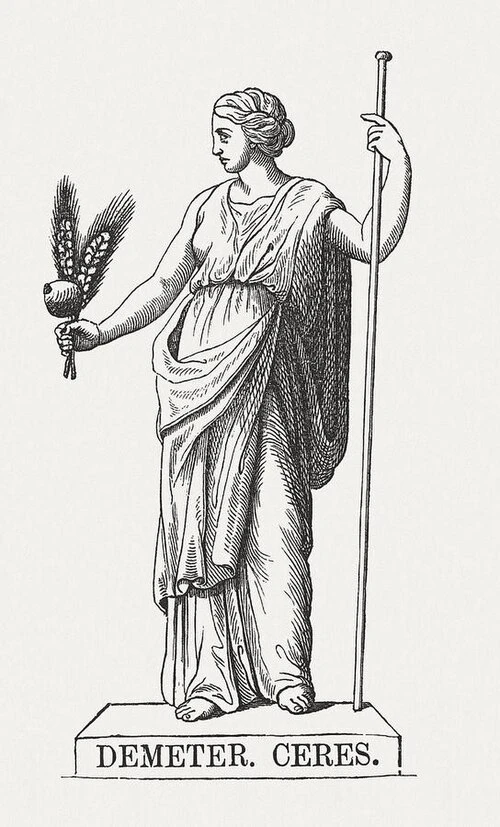
Demeter was the goddess of agriculture and grain, who made the crops grow. Her most famous story explains the seasons.
When Hades kidnapped her daughter Persephone and took her to the underworld, Demeter’s grief made the earth barren. A deal was struck: Persephone would spend part of each year below ground. During those months, her mother mourns and nothing grows. That is winter.
5. Athena, goddess of wisdom and war strategy
Athena was born in the strangest way of all: she sprang fully armed from the head of Zeus. She was the goddess of wisdom, crafts and the clever side of war, strategy rather than brute force.
She won the city of Athens in a contest with Poseidon by giving its people the olive tree, and the Parthenon was built in her honor. Her symbol was the owl, still a sign of wisdom today.
6. Apollo, god of light, music and prophecy
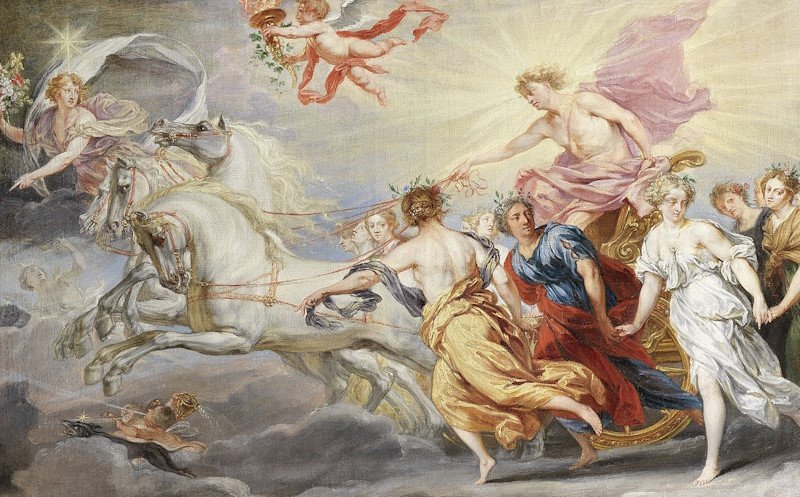
Apollo was the god of music, poetry, healing, archery and prophecy, and later became associated with the Sun. He was usually shown as a handsome young man with a lyre.
His most important sanctuary was at Delphi, where his priestess, the Pythia, delivered prophecies that kings and generals traveled from all over the Greek world to hear.
7. Artemis, goddess of the hunt
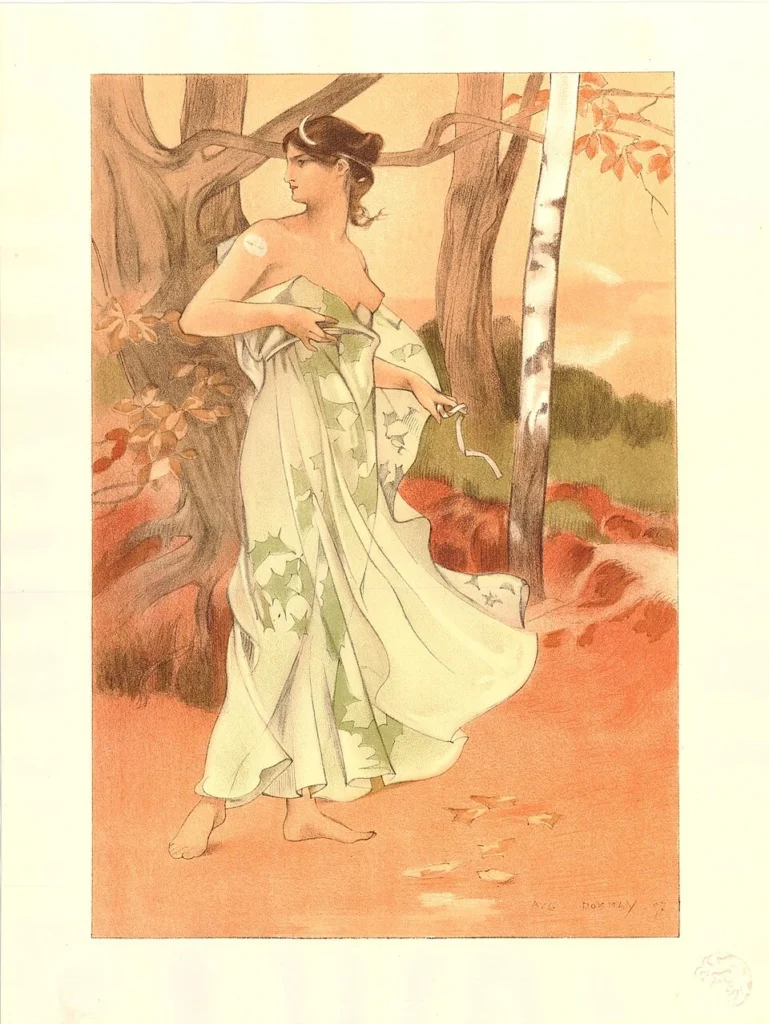
Apollo’s twin sister Artemis was the goddess of the hunt, wild animals, the wilderness and the Moon. She roamed the forests with her bow and a band of nymphs.
She was also the protector of young girls and of women in childbirth. Fiercely independent, she never married, and anyone who crossed her paid a heavy price.
8. Ares, god of war
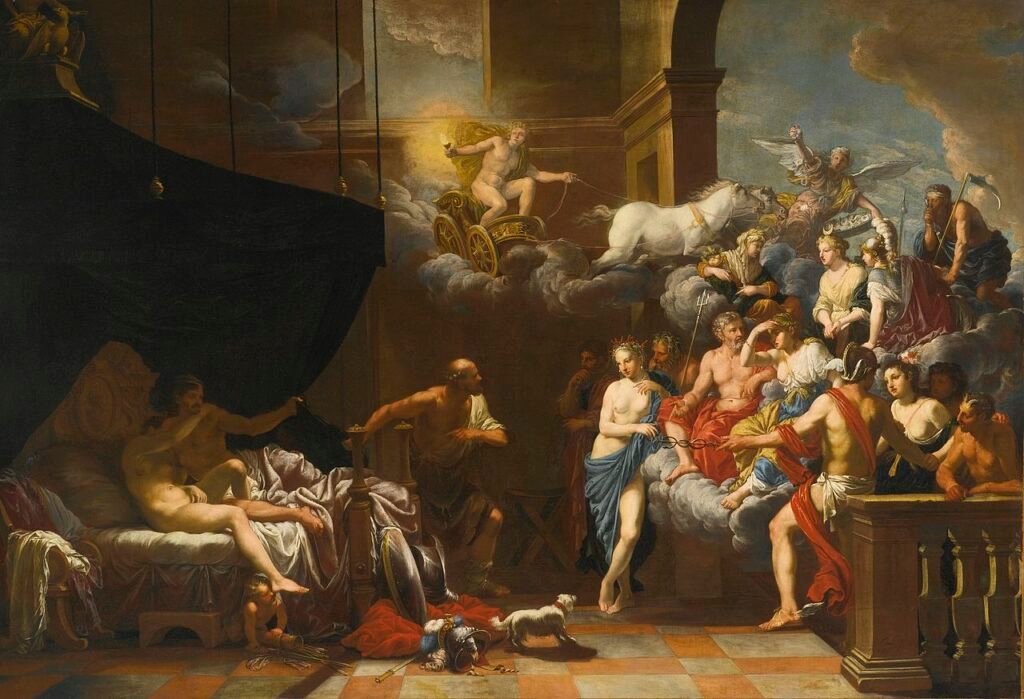
Where Athena stood for strategy, Ares stood for the violent, bloody chaos of battle. Even the Greeks did not like him much, and few temples were built in his honor.
His most famous story is not about war at all: his affair with Aphrodite, wife of Hephaestus. The cheated husband caught them in an unbreakable golden net and invited the other gods to come and laugh.
9. Aphrodite, goddess of love and beauty
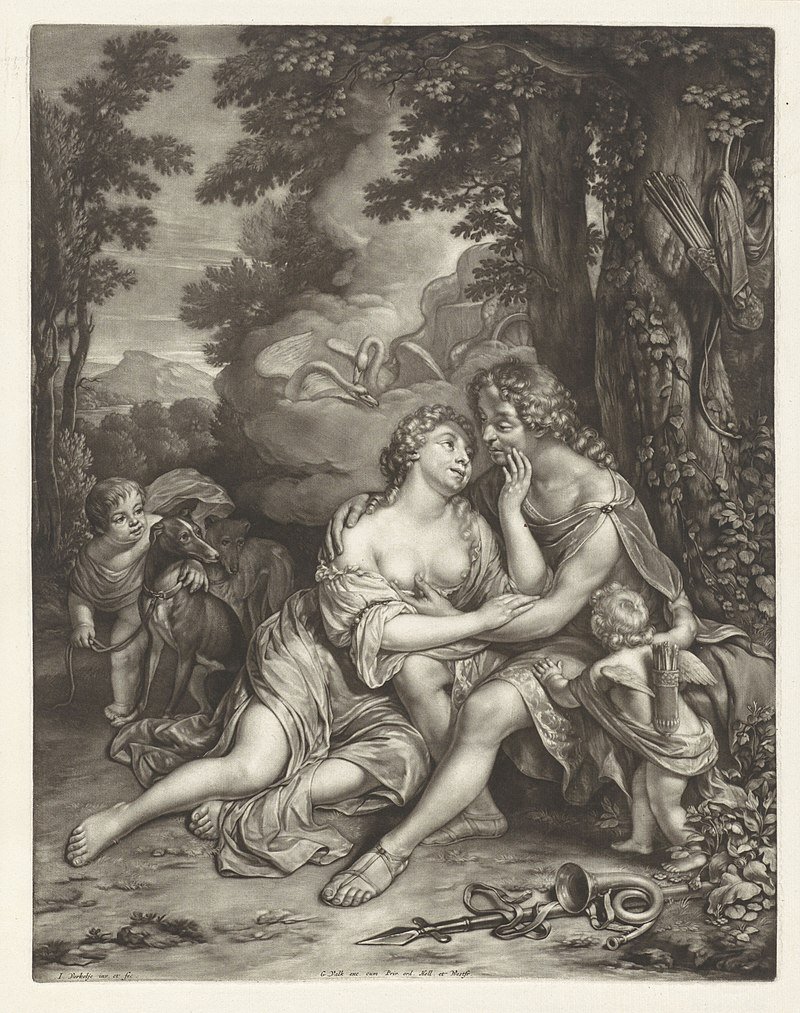
According to one myth, Aphrodite was born from the foam of the sea near Cyprus. She was the goddess of love, beauty and desire, and no god or mortal could resist her.
She also helped start the Trojan War. When she promised the Trojan prince Paris the most beautiful woman in the world, Helen of Sparta, the result was a ten-year war.
10. Hephaestus, god of fire and the forge
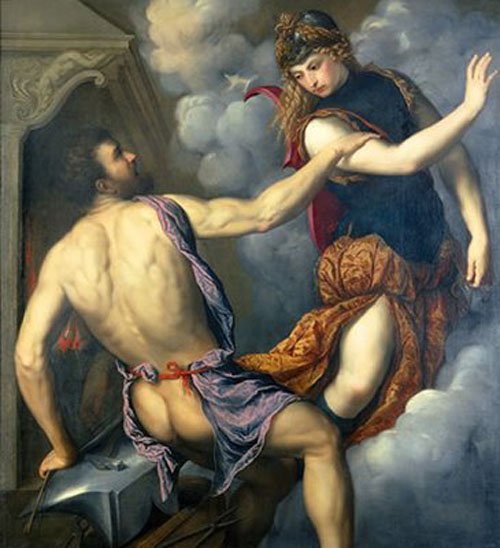
Hephaestus was the blacksmith of the gods and the only Olympian who was not considered beautiful. According to one story, he was thrown off Olympus as a baby and left lame.
He was a brilliant craftsman who built the gods’ palaces, Zeus’s thunderbolts and Achilles’ armor. He was married to Aphrodite, a marriage that did not go well.
11. Hermes, messenger of the gods
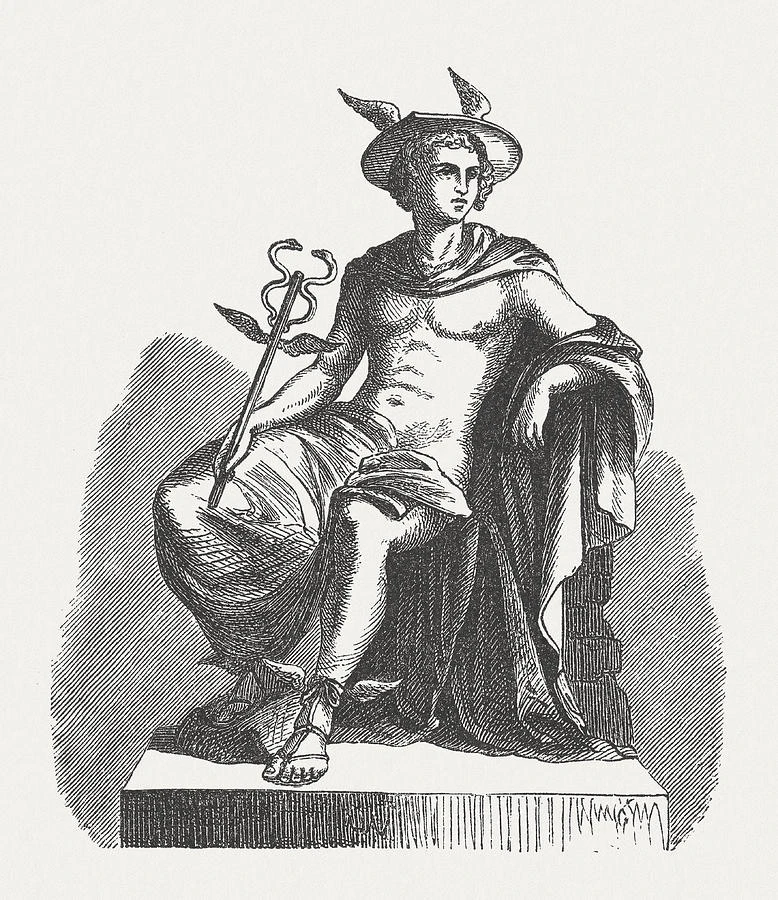
With his winged sandals and winged hat, Hermes was the fastest of the gods and carried messages between Olympus and the mortal world. He was also the god of travelers, merchants, thieves and luck.
His career as a trickster started early. On the day he was born, he stole fifty cattle from his half-brother Apollo, then calmed him down by giving him the first lyre, which Hermes had just invented.
12. Hestia or Dionysus
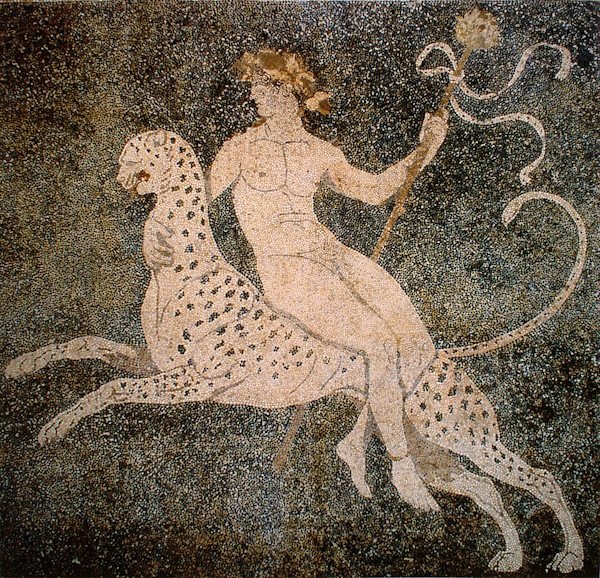
The twelfth seat on Olympus is where ancient lists disagree. Some include Hestia, the gentle goddess of the hearth and home, who received the first offering at every sacrifice.
Others give the place to Dionysus, the god of wine, festivals and ecstasy, whose wild celebrations gave rise to Greek theater. According to a later story, Hestia peacefully gave up her seat to him to avoid an argument, which would make her the only Olympian ever to do so.