Ancient Egypt had hundreds of gods, many with the heads of animals: falcons, jackals, cats, ibises and crocodiles. They controlled the Sun, the flooding of the Nile, the afterlife and every part of daily life.
Over three thousand years, gods rose and fell in importance, merged with each other and changed roles. These are ten of the most important, counting down to the king of the gods.
10. Hathor, goddess of love, music and joy
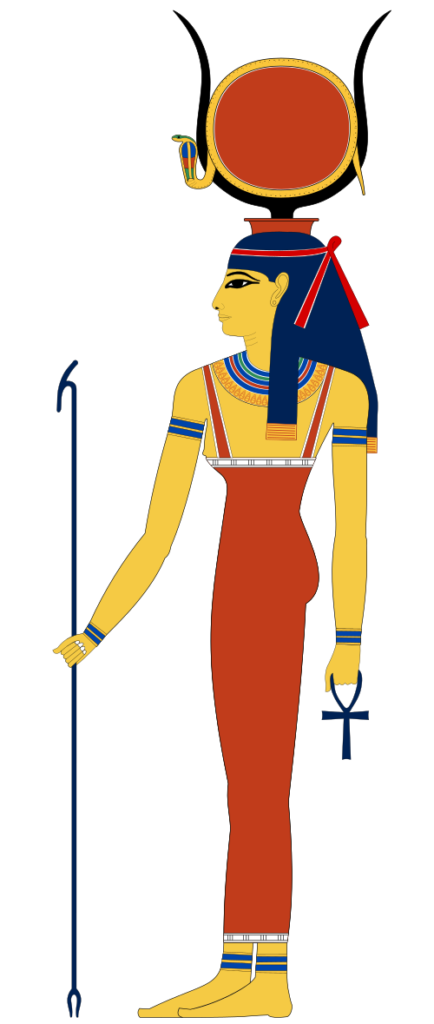
Hathor was the goddess of love, music, dance, joy and motherhood, often shown as a cow or as a woman with cow’s ears and a sun disk between horns. She was one of the most popular goddesses in Egypt, worshipped by royalty and ordinary people alike.
She also had a terrifying side. In one myth, Ra sent her to punish humanity, and she turned into the bloodthirsty lioness Sekhmet. She was only stopped when the gods tricked her into drinking beer dyed red to look like blood.
9. Bastet, the cat goddess
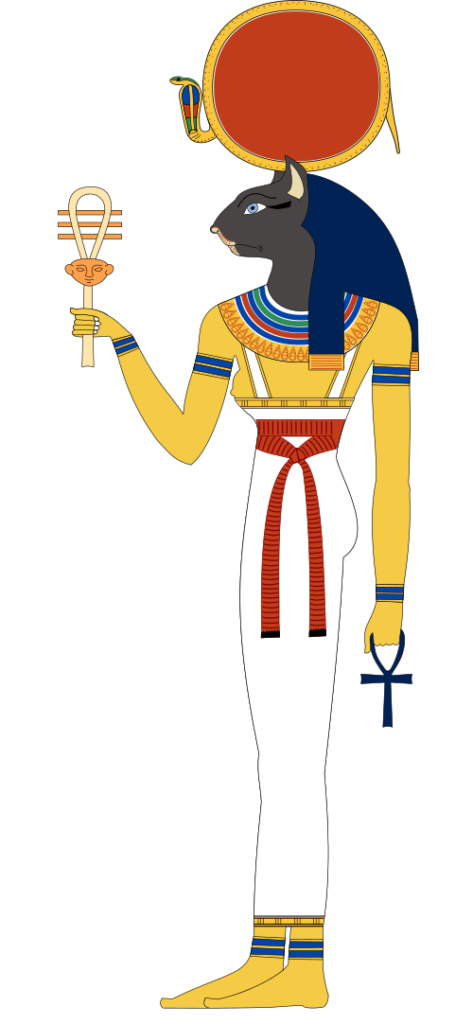
Bastet started out as a fierce lioness goddess but over time became the gentle cat-headed protector of the home, women, children and fertility.
Cats were sacred to her, and her main temple at Bubastis was surrounded by cat cemeteries. Archaeologists have found hundreds of thousands of mummified cats there. Her festival, according to the Greek historian Herodotus, attracted huge crowds and involved a great deal of wine.
8. Isis, mistress of magic
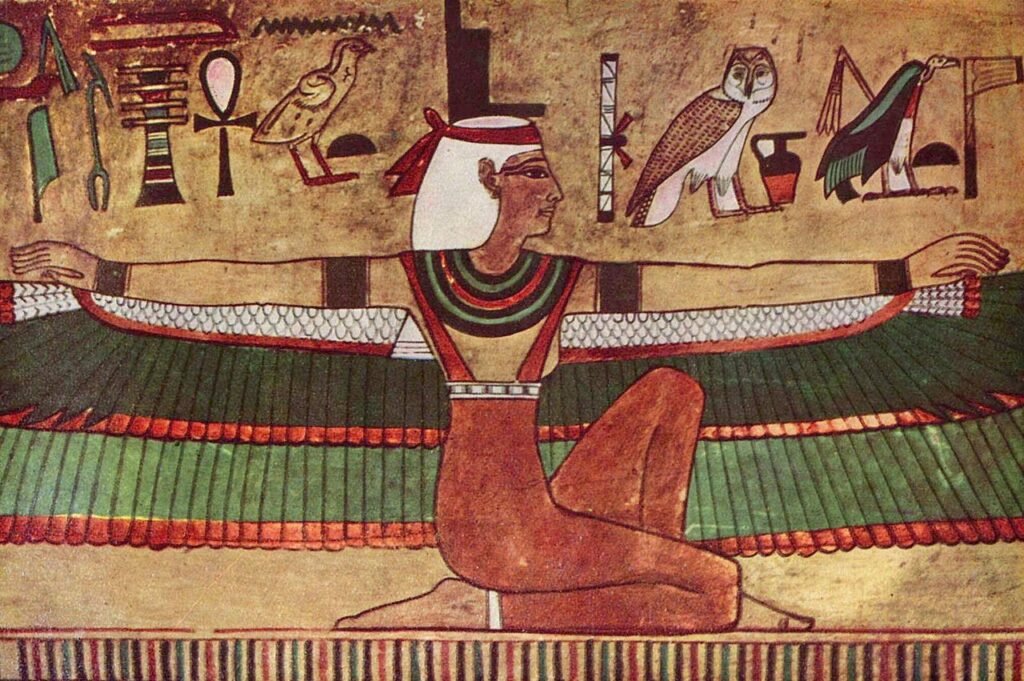
Isis was the goddess of magic, motherhood and healing, and the devoted wife of Osiris. When her husband was murdered and his body cut into pieces, she searched all of Egypt to find them and used her magic to bring him back to life long enough to conceive their son, Horus.
Her worship spread far beyond Egypt, across the Roman Empire as far as Britain. Temples to Isis were still active in Egypt until the 6th century AD.
7. Thoth, god of writing and wisdom
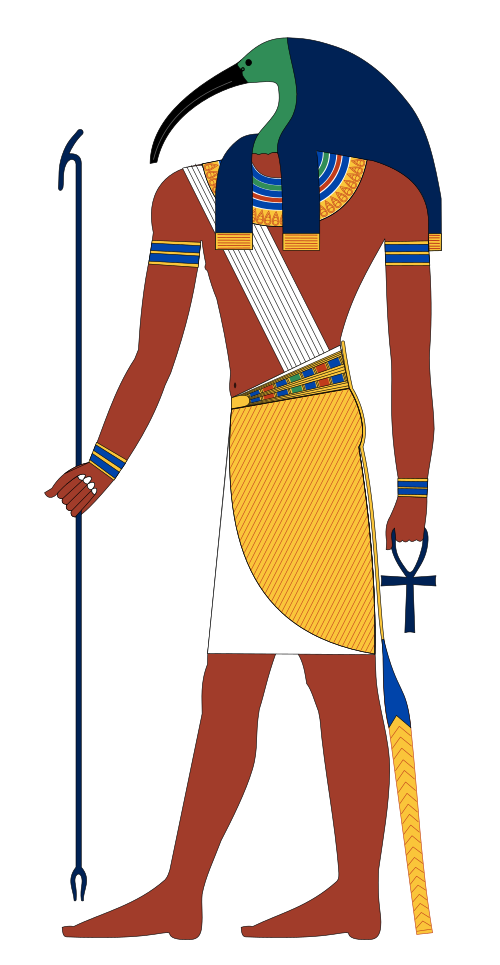
Thoth, usually shown with the head of an ibis, was the god of writing, knowledge, mathematics and the Moon. The Egyptians believed he invented hieroglyphs.
He was the scribe of the gods and played a key role in the afterlife: when the hearts of the dead were weighed, Thoth recorded the result.
6. Anubis, god of mummification
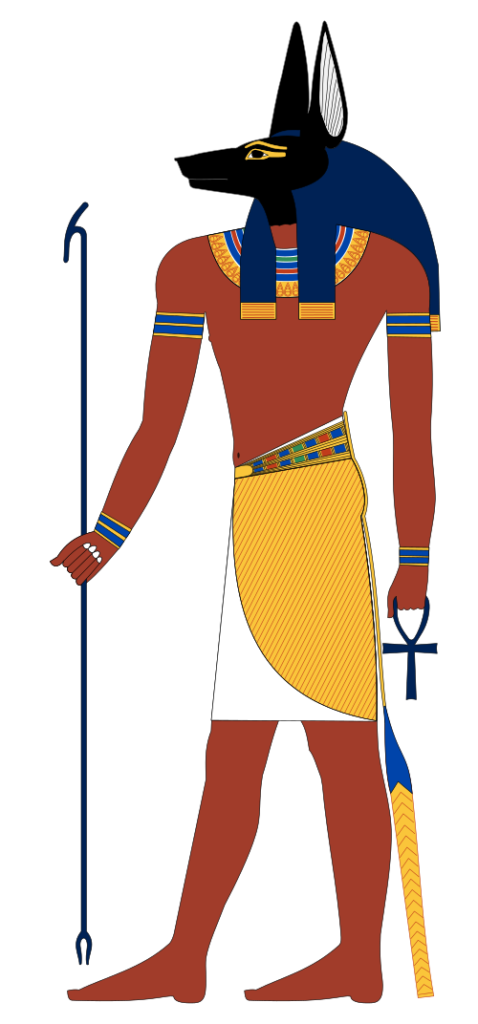
The jackal-headed Anubis was the god of embalming and the protector of graves. Jackals were often seen around cemeteries at the edge of the desert, which may be how he got his head.
He guided the dead to the afterlife and oversaw the famous weighing of the heart, in which a person’s heart was balanced against the feather of truth. A heart heavy with sin was devoured by a monster called Ammit.
5. Shu, god of the air
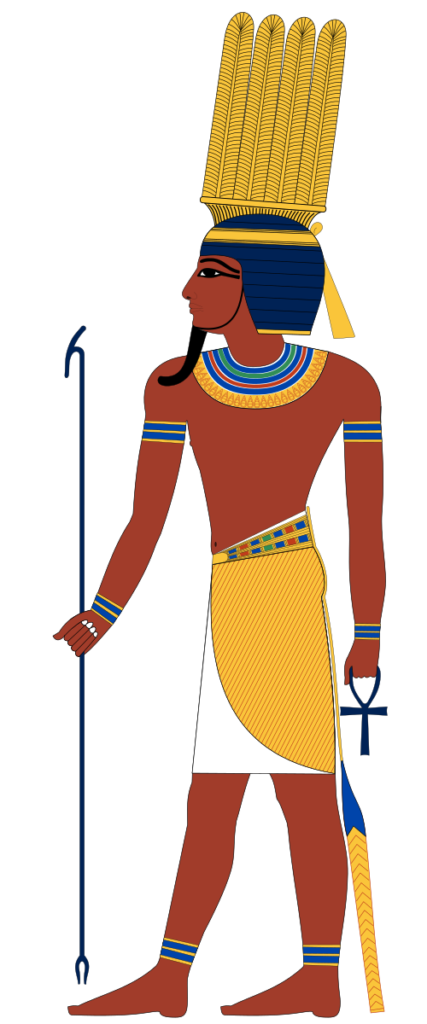
Shu was the god of air and light, one of the very first gods in the Egyptian creation story. He separated his children, Geb the earth and Nut the sky, who had been locked in an embrace.
In Egyptian art, he is often shown standing between them, holding up the arched body of the sky goddess so that there is room for air, light and life beneath her.
4. Osiris, lord of the underworld
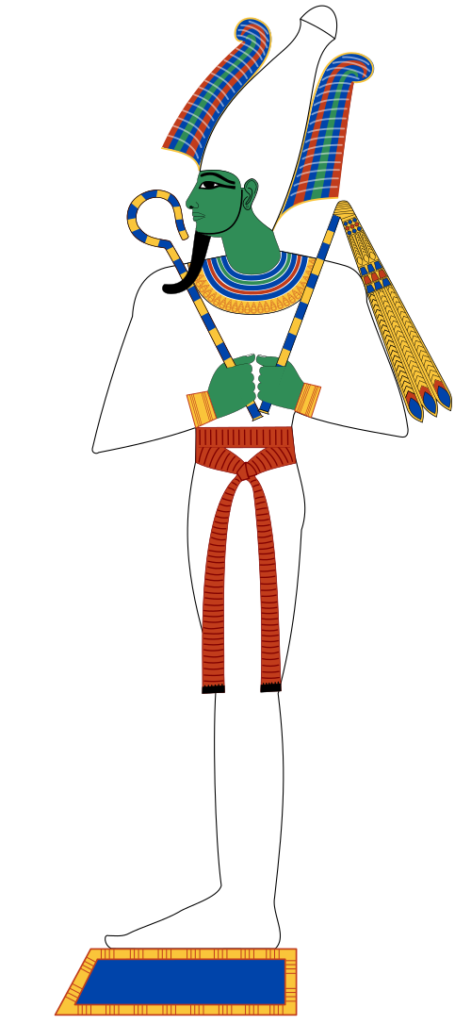
Osiris was once a good king of Egypt, until his jealous brother Seth killed him and scattered his body. Brought back to life by Isis, he became the ruler and judge of the underworld.
He is usually shown with green or black skin, symbols of new growth and the fertile soil of the Nile. Every Egyptian hoped to become one with Osiris after death and share in his rebirth.
3. Seth, god of storms and chaos
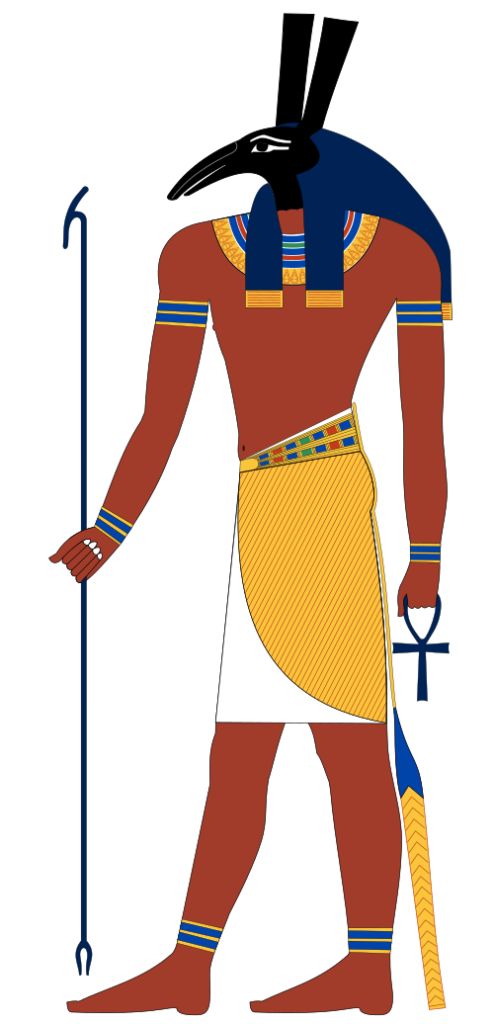
Seth was the god of the desert, storms, violence and foreigners, with the head of a strange animal that has never been identified. After murdering Osiris, he fought a long battle for the throne with his nephew Horus, in which Horus lost an eye.
Yet Seth was not purely evil. He also protected the Sun god every night, standing at the prow of Ra’s boat to spear the chaos serpent Apophis.
2. Ra, the Sun god
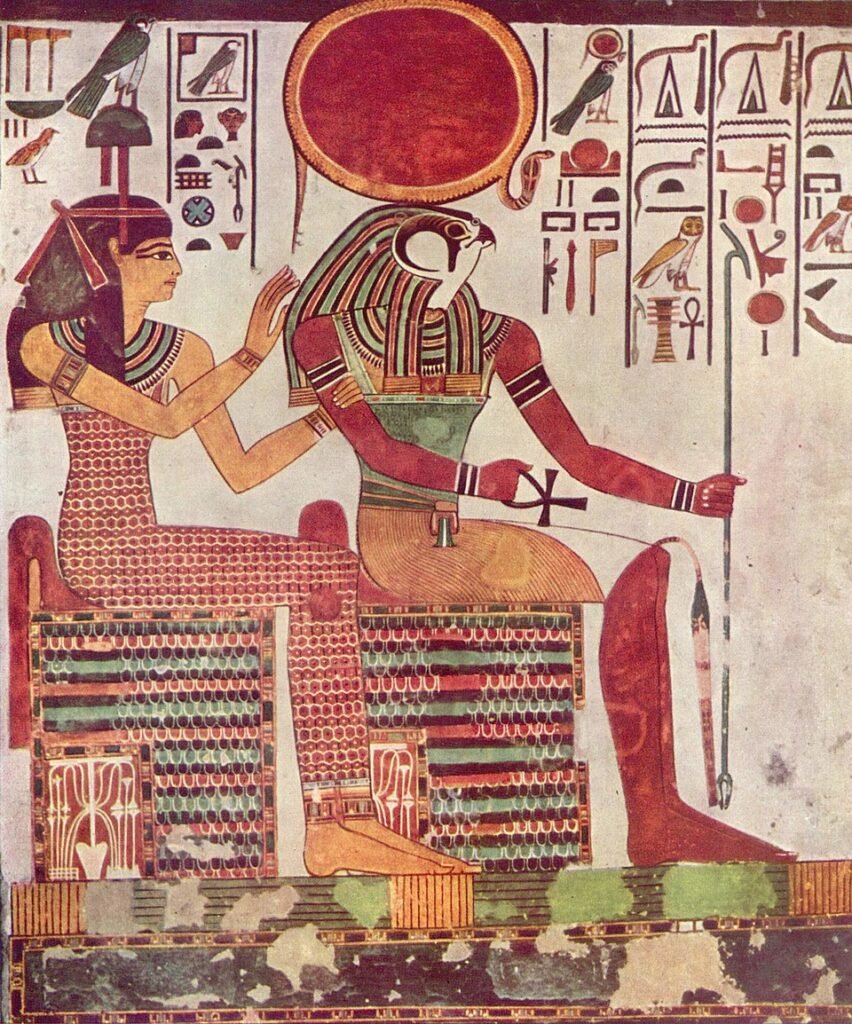
Ra was the god of the Sun and one of the most important gods in Egypt, usually shown with the head of a falcon crowned with a sun disk. Pharaohs called themselves “son of Ra”.
Every day, Ra sailed across the sky in his boat. Every night, he traveled through the underworld, battling the serpent Apophis, and was reborn at dawn.
1. Amun-Ra, king of the gods
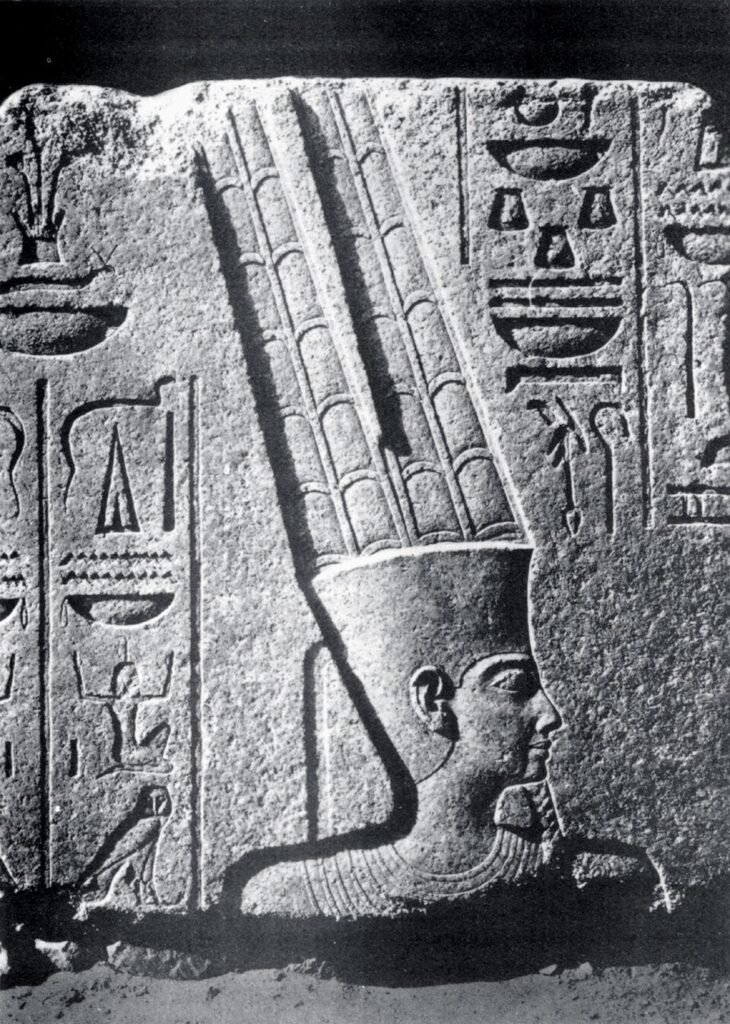
Amun started out as a local god of the city of Thebes, whose name meant “the hidden one”. When Theban kings came to rule all of Egypt, Amun rose with them and merged with Ra to become Amun-Ra, king of the gods.
His temple complex at Karnak became the largest religious site in the ancient world, and his priests grew so rich and powerful that they rivaled the pharaohs themselves.