Since 1945, nuclear weapons have been used in war only twice. That makes it easy to forget how many times the world came close to using them again, often because of a technical glitch, a misunderstanding or a single person’s decision.
These ten near misses show how thin the line has sometimes been. In several of them, disaster was avoided only because someone hesitated.
1. The Moon is mistaken for a missile attack (1960)
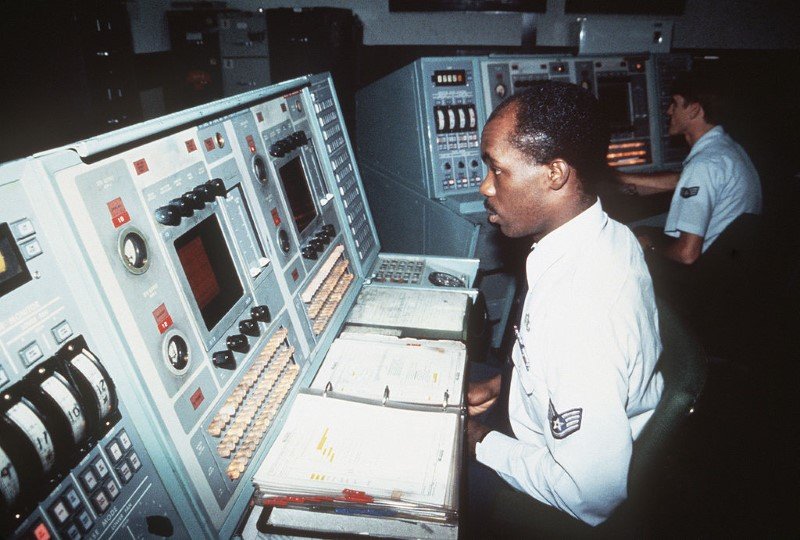
In October 1960, a brand-new American early-warning radar in Thule, Greenland, reported dozens of Soviet missiles heading for the United States. The system rated its confidence at 99.9 percent.
Officials quickly noted that Soviet leader Nikita Khrushchev happened to be in New York at the time, which made an attack unlikely. The cause turned out to be the radar picking up the Moon rising over Norway, something the designers had not accounted for.
2. Communications go dead (1961)
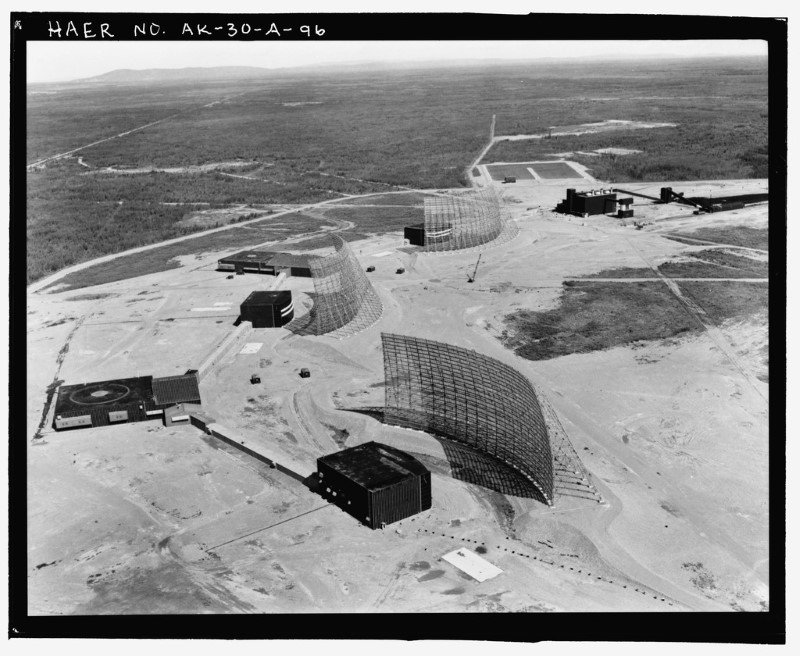
In November 1961, the US Strategic Air Command suddenly lost contact with its early-warning radar stations and with NORAD headquarters at the same time. One explanation was that they had all been destroyed in a surprise attack.
Bomber crews were put on alert. A pilot flying over one of the radar sites confirmed that it was still standing. The cause turned out to be a single failed relay station in Colorado, through which all the lines happened to run.
3. A bear sets off the alarm (1962)
At the height of the Cuban Missile Crisis, in October 1962, a guard at an air defense center in Duluth, Minnesota, spotted a figure climbing the fence. Fearing a Soviet saboteur, he fired at it and raised the alarm.
A faulty alarm system at a nearby base in Wisconsin sounded the signal for nuclear war instead, and fighter jets armed with nuclear weapons started their engines. They were stopped on the runway at the last moment. The intruder turned out to be a bear.
4. A Soviet submarine nearly fires a nuclear torpedo (1962)
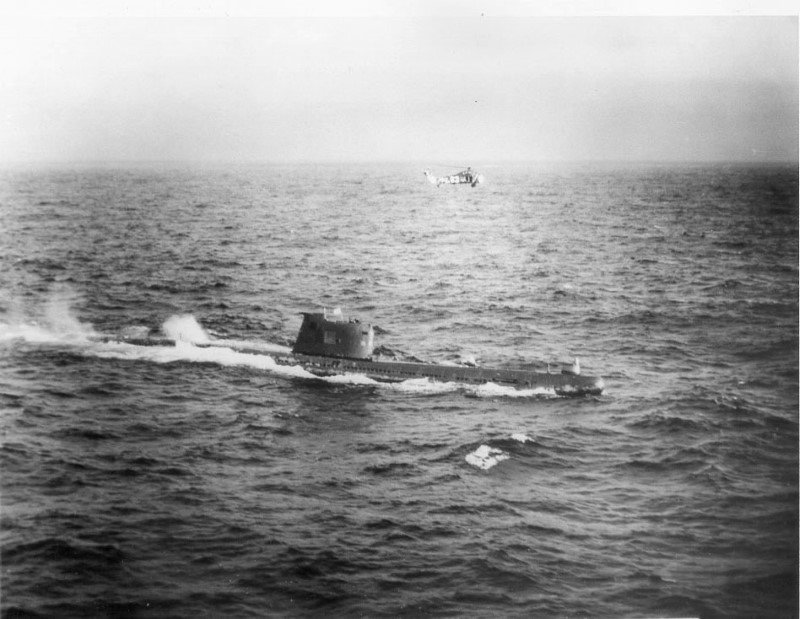
On October 27, 1962, the Soviet submarine B-59 was cornered near Cuba by American warships dropping practice depth charges to force it to surface. Out of contact with Moscow and thinking war might have started, the captain wanted to launch a nuclear torpedo.
Launching required the agreement of three senior officers. One of them, Vasili Arkhipov, refused. The submarine surfaced and headed home. Arkhipov is often called the man who saved the world.
5. An American spy plane strays over the Soviet Union (1962)
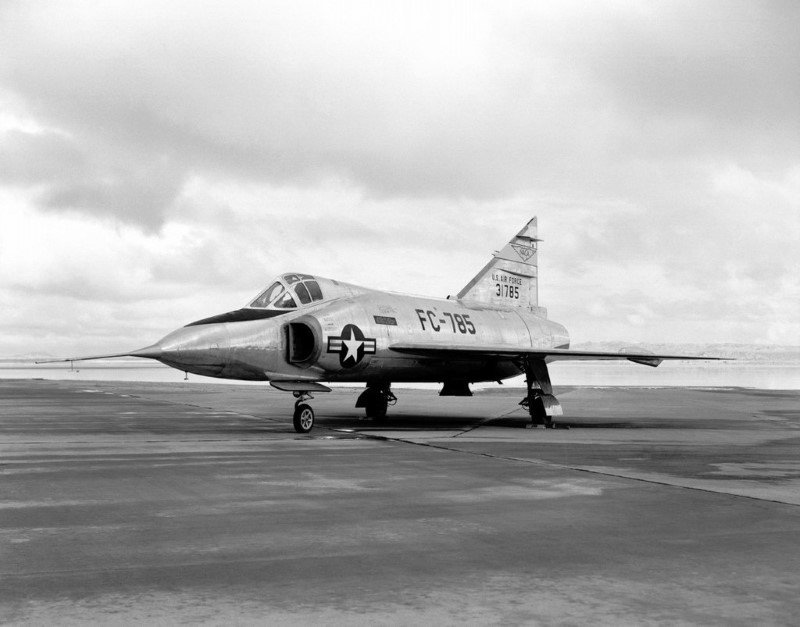
On the very same day, an American U-2 spy plane on a mission near the North Pole got lost and drifted deep into Soviet airspace. Soviet fighter jets scrambled to intercept it.
American fighters armed with nuclear air-to-air missiles were sent to escort it home. The U-2 made it back safely, but in Moscow the incident could easily have been seen as a final reconnaissance flight before an attack.
6. A solar storm blinds the radars (1967)
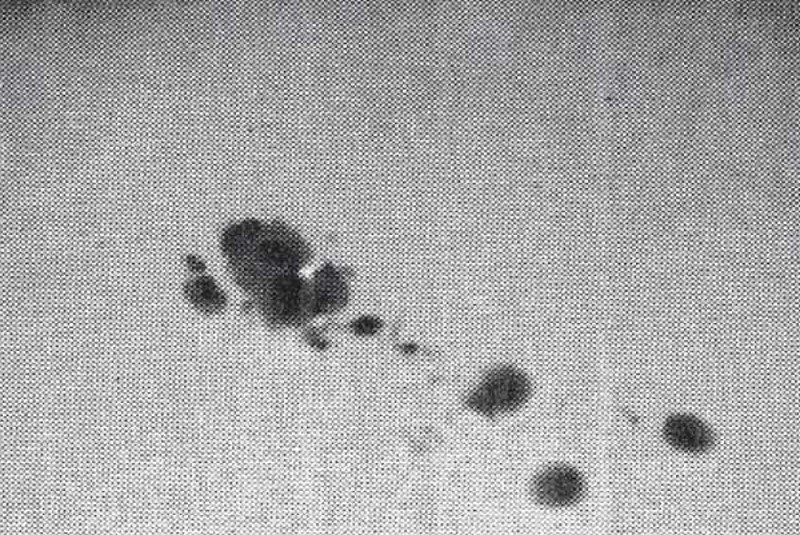
In May 1967, all three American early-warning radar stations in the far north were suddenly jammed. The US Air Force feared the Soviets were deliberately blinding them ahead of an attack, and prepared bombers for takeoff.
Fortunately, the military’s young space weather forecasters had been tracking an enormous solar flare. They were able to tell commanders that the Sun, not the Soviets, was to blame.
7. A training tape almost becomes reality (1979)
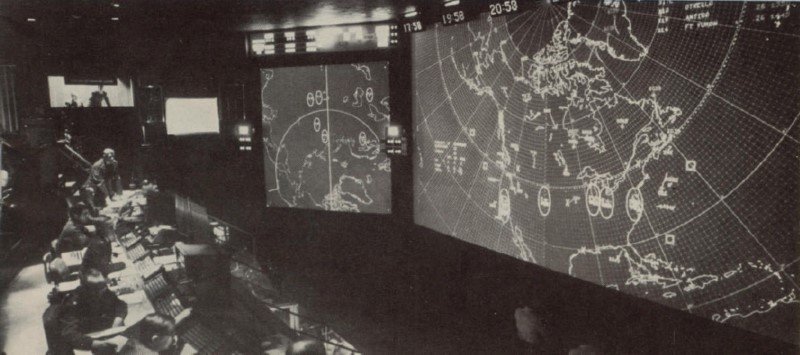
In November 1979, screens at NORAD and other command centers suddenly showed a massive Soviet missile attack in progress. Fighter jets were scrambled, and President Jimmy Carter’s national security adviser was woken in the middle of the night.
Within minutes, it became clear that satellites and radars were not seeing any missiles. A technician had loaded a training tape simulating an attack into a live computer system.
8. Stanislav Petrov trusts his gut (1983)
On September 26, 1983, Soviet officer Stanislav Petrov was on duty at an early-warning center near Moscow when the system reported an American missile launch, then four more.
His orders were to report it up the chain of command, which could have led to a Soviet counterattack. Petrov reasoned that a real first strike would involve hundreds of missiles, not five, and reported a false alarm. He was right: the satellite had mistaken sunlight reflecting off clouds for missile launches.
9. NATO’s war game is taken seriously (1983)
Just weeks later, in November 1983, NATO held a large exercise called Able Archer 83, which simulated the run-up to a nuclear war in unusually realistic detail.
The Soviet leadership, already convinced the United States might attack, feared it was a cover for a real strike and put some of its forces on alert. Western leaders only fully realized how dangerous the moment had been years later.
10. A Norwegian research rocket (1995)
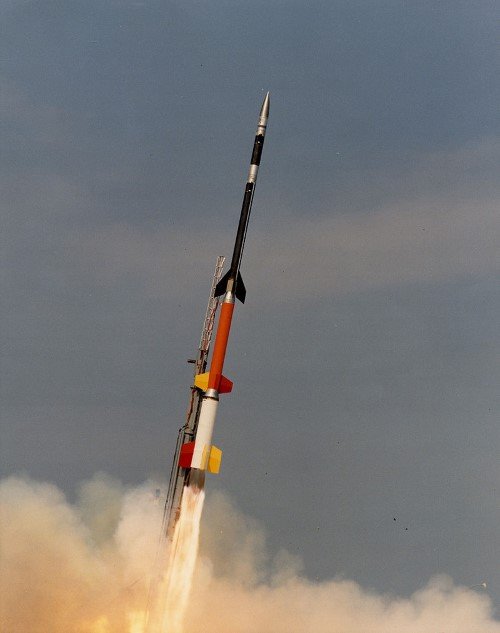
The danger did not end with the Cold War. In January 1995, Norway launched a scientific rocket to study the northern lights. Russian radar operators thought it looked like a missile launched from an American submarine.
For the first time, the Russian “nuclear briefcase” was activated and brought to President Boris Yeltsin. After a few tense minutes, it became clear the rocket was heading out to sea. Norway had in fact notified Russia weeks earlier, but the message never reached the right people.