Blistering heat waves routinely dominate summer headlines, but single-day spikes only tell part of the story. The true test of a scorching environment lies in relentless, year-round warmth that lingers day and night without seasonal reprieve.
Modern climatologists rely on extensive records compiled by organizations like the World Bank Climate Change Knowledge Portal to evaluate long-term mean annual surface temperatures. In tracking planetary extremes, researchers at National Oceanic and Atmospheric Administration emphasize that true thermal pressure comes from constant nighttime baselines. Looking across every continent, these ten sovereign states experience the highest average annual temperatures across their entire national territories.
10. Benin (28.52°C / 83.34°F)
Benin stretches north from the Gulf of Guinea straight into the arid West African interior. Tropical humidity along the Atlantic coast prevents night temperatures from cooling off, while the arid northern borderlands face blistering continental winds from the Sahara.
This geographic duality keeps the country in a state of continuous thermal pressure. Even during the monsoon period, elevated moisture levels keep apparent temperatures uncomfortably intense around the clock.
9. Mauritania (28.54°C / 83.37°F)
Approximately three-quarters of Mauritania consists of barren desert terrain within the western Sahara. Sunlight strikes the exposed desert floor with exceptional intensity throughout the calendar year.
The vast sand sheets and rocky reg plains store thermal energy and radiate it upward long after dusk. Strong harmattan winds frequently blanket settlements in swirling dust, further insulating the lower atmosphere against evening cooling.
8. Oman (28.68°C / 83.62°F)

Perched on the southeastern corner of the Arabian Peninsula, the Sultanate of Oman borders the vast Rub al-Khali sand desert. Dark rocky ridges trap thermal currents inside interior valleys, pushing summer daytime temperatures far past 45°C.
Winter brings little respite to the desert plains. Except for the elevated summits of the Al Hajar Mountains, tropical sun angles maintain high baseline readings throughout all twelve months.
7. Guinea-Bissau (28.72°C / 83.70°F)
Dense tropical woodlands and coastal mangroves might look lush, but they frequently function like a planetary greenhouse. In Guinea-Bissau, saturated coastal air holds vast quantities of latent heat close to the forest floor.
Atlantic sea breezes rarely penetrate deep into the river deltas. As a consequence, ambient heat remains stubbornly elevated across both wet and dry seasons alike.
6. United Arab Emirates (28.74°C / 83.73°F)
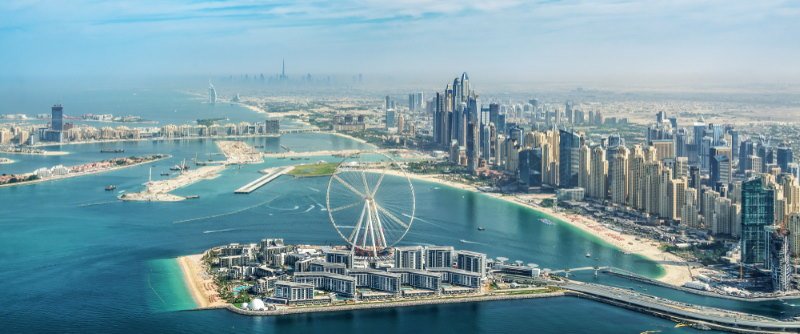
The United Arab Emirates demonstrates the clash between modern urban design and raw climatic reality. While climate-controlled towers line Dubai and Abu Dhabi, exterior ground temperatures climb to punishing heights between May and October.
Expansive coastal developments, dense asphalt networks, and hypersaline gulf waters amplify thermal retention. Even in January, pleasant daytime highs prevent national averages from dipping significantly.
5. The Gambia (28.99°C / 84.18°F)
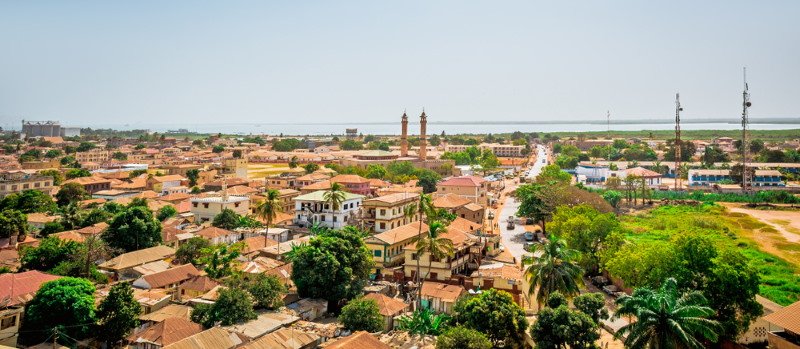
As the smallest mainland nation in Africa, The Gambia occupies a narrow ribbon of land flanking the lower Gambia River. Surrounded completely by Senegal, its climate mirrors the intense continental warmth of the surrounding Sahel.
While the river system nourishes mangrove forests and wildlife sanctuaries, the water creates elevated humidity that prevents rapid radiative cooling. Seasonal rains bring lush growth, yet they do virtually nothing to suppress the oppressive annual mean temperatures.
4. Djibouti (29.40°C / 84.92°F)
Situated in the Horn of Africa where the Red Sea meets the Gulf of Aden, Djibouti occupies an active volcanic rift zone. Dark basalt plains absorb immense amounts of solar radiation and release heat continuously into the surrounding atmosphere.
The combination of shallow, warm seas and surrounding desert plateaus produces intense humidity alongside high temperatures. Lake Assal, resting 155 meters below sea level, sits in one of the most hostile thermal depressions on the planet.
3. Burkina Faso (29.49°C / 85.08°F)
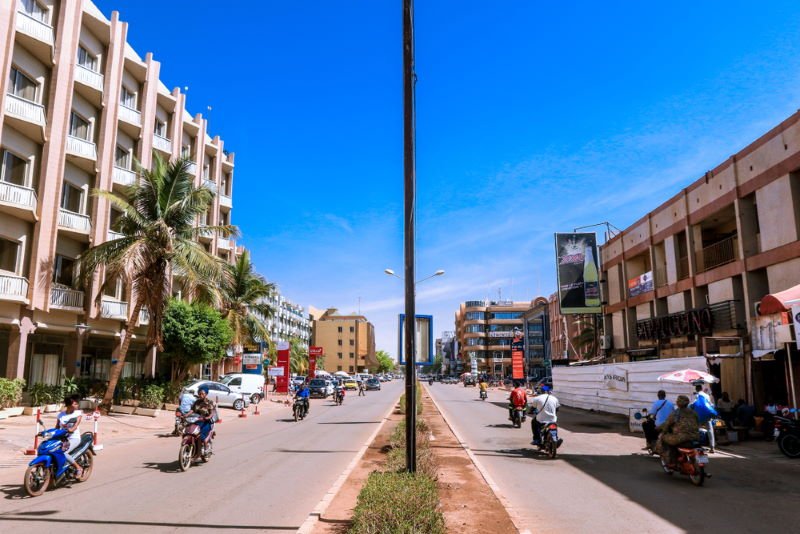
Landlocked in the center of West Africa, Burkina Faso sits directly within the semi-arid Sahel transition zone. Cloud cover remains minimal through three-quarters of the year, granting unfiltered sunlight free rein across the savannas.
Hot, parching winds blow southward from the Sahara between November and March. When the brief rainy season finally arrives, elevated humidity replaces dry heat, ensuring no relief from the stifling thermal baseline.
2. Mali (29.55°C / 85.19°F)
Mali spans vast ecological zones, but its northern half dissolves entirely into the heart of the Sahara. The expansive gravel plains and shifting sand seas function as a colossal thermal radiator for West Africa.
Historical centers like Timbuktu and Gao experience consecutive months where afternoon mercury readings breach 45°C. Sparse vegetation and cloudless skies allow solar radiation to bake the ground surface relentlessly year in and year out.
1. Senegal (29.83°C / 85.69°F)
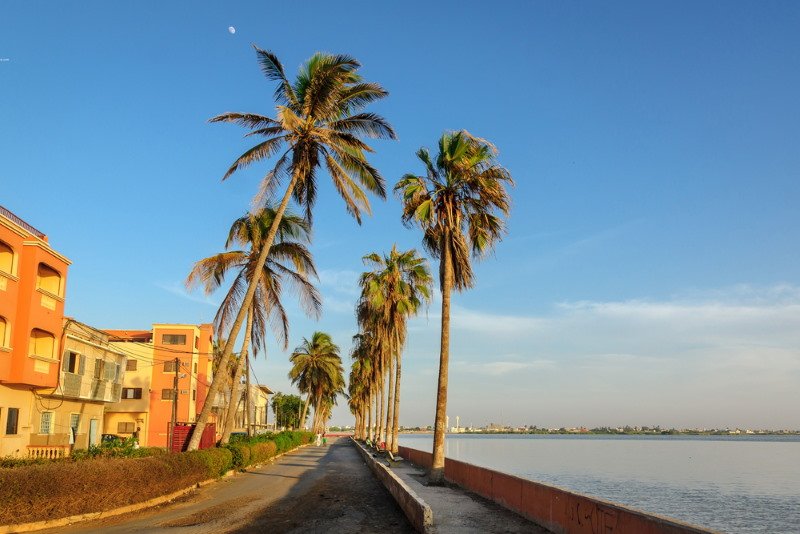
Senegal tops global records as the warmest country on Earth by overall mean temperature. Although capital Dakar benefits from cool ocean currents along the Cap-Vert peninsula, the vast interior plains endure exceptional heat throughout every season.
Prolonged dry spells, expansive savanna scrub, and steady desert air currents push regional temperatures to extreme levels. In eastern regions like Tambacounda and Matam, scorching conditions are a daily reality that defines architecture, farming routines, and daily community life.