Across ancient civilizations, the forces of love, erotic desire, and fertility were considered among the most volatile and dangerous cosmic powers. Long before modern psychology analyzed romance and obsession, human cultures explained the uncontrollable intoxication of desire through divine pantheons. These deities were rarely gentle cherubs; they were fierce, capricious rulers who incited wars, dismantled kingdoms, and shattered mortal sanity.
From the temples of ancient Mesopotamia to the jagged fjords of Scandinavia, here are ten of the most powerful gods and goddesses of love, lust, and seduction in world mythology.
10. Astarte
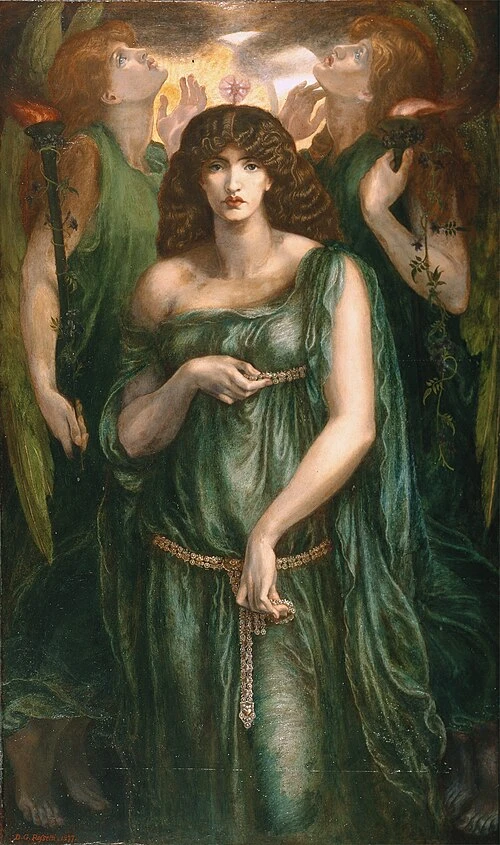
Worshipped by the Phoenicians, Canaanites, and across the ancient Levant, Astarte was the supreme deity of sexual love, fertility, and martial triumph. Associated with the planet Venus as the morning and evening star, her temples featured sacred erotic rituals and fertility offerings.
As a seafaring culture, the Phoenicians carried Astarte’s cult across the Mediterranean basin to Cyprus, Carthage, and Sicily, directly influencing the Greek development of Aphrodite and the Roman worship of Venus.
9. Pan
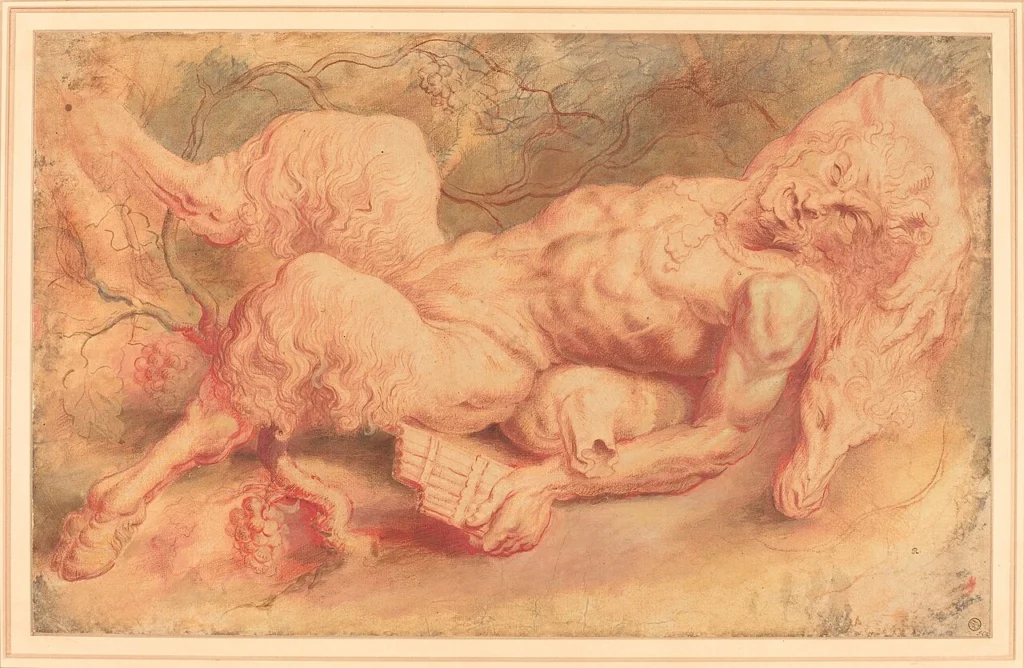
The Greek god of the wild, shepherds, and unbridled carnal lust, Pan dwelt in the rugged woodlands of Arcadia. Depicted with the horns, legs, and beard of a goat, Pan personified raw, uncivilized masculine sexuality, perpetually pursuing nymphs through secluded glens with his rustic reed pipes.
His sudden, startling shouts in dark forest groves inspired the word “panic.” Pan represented the untamed animal instincts that civilized Greek cities sought to suppress, celebrating primal passion detached from societal constraints.
8. Kamadeva
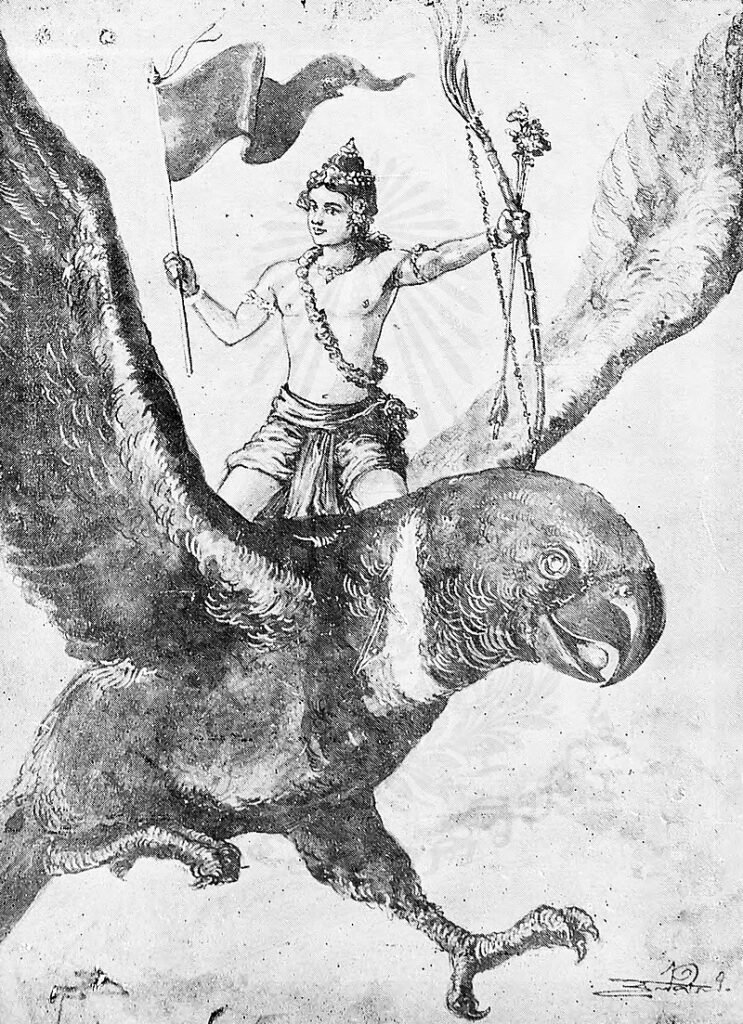
In Hindu mythology, Kamadeva is the youthful celestial god of erotic desire and love. Riding on a parrot and carrying a bow crafted from sugarcane with a string of honeybees, he fires five arrows tipped with fragrant blossoming flowers, each symbolizing a different aspect of romantic infatuation.
Accompanied by his consort Rati (passion) and his companion Vasanta (spring), Kamadeva embodies the sweet, intoxicating madness of attraction that sparks all creative life across the cosmos.
7. Hathor
One of ancient Egypt’s most beloved deities, Hathor was worshipped as the mistress of joy, music, drunkenness, and sensual love. Frequently depicted as a cow or a woman bearing cow horns enclosing a radiant sun disk, she protected women during childbirth and guided lovers through courtship.
Her cult center at Dendera was a site of joyous celebration where music from bronze sistrum rattles and wine libations commemorated the goddess’s power to soothe the anger of the sun god Ra with dance and erotic charm.
6. Inanna
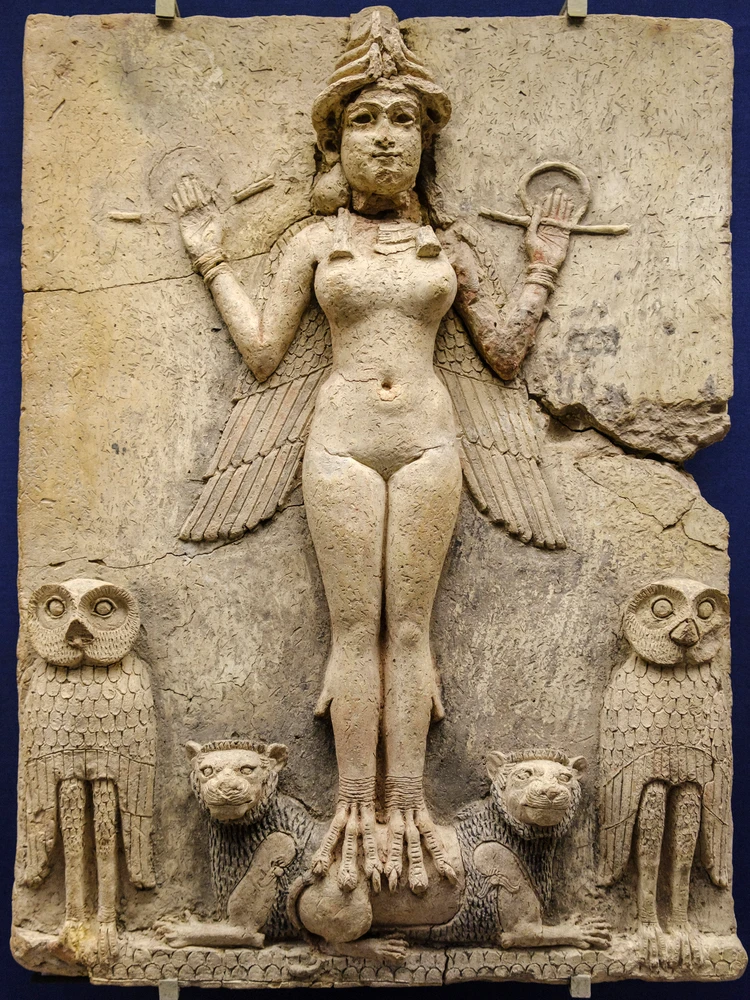
Dating back more than four thousand years to ancient Sumer, Inanna is among the earliest documented love goddesses in human history. Worshipped in the city of Uruk, Inanna ruled not only carnal passion and female sexuality but also devastating warfare and political ambition.
In the famous myth of her descent into the Underworld, she voluntarily strips away her garments and divine jewels at seven subterranean gates to confront death itself, proving her indomitable sovereignty over both creation and destruction.
5. Dionysus
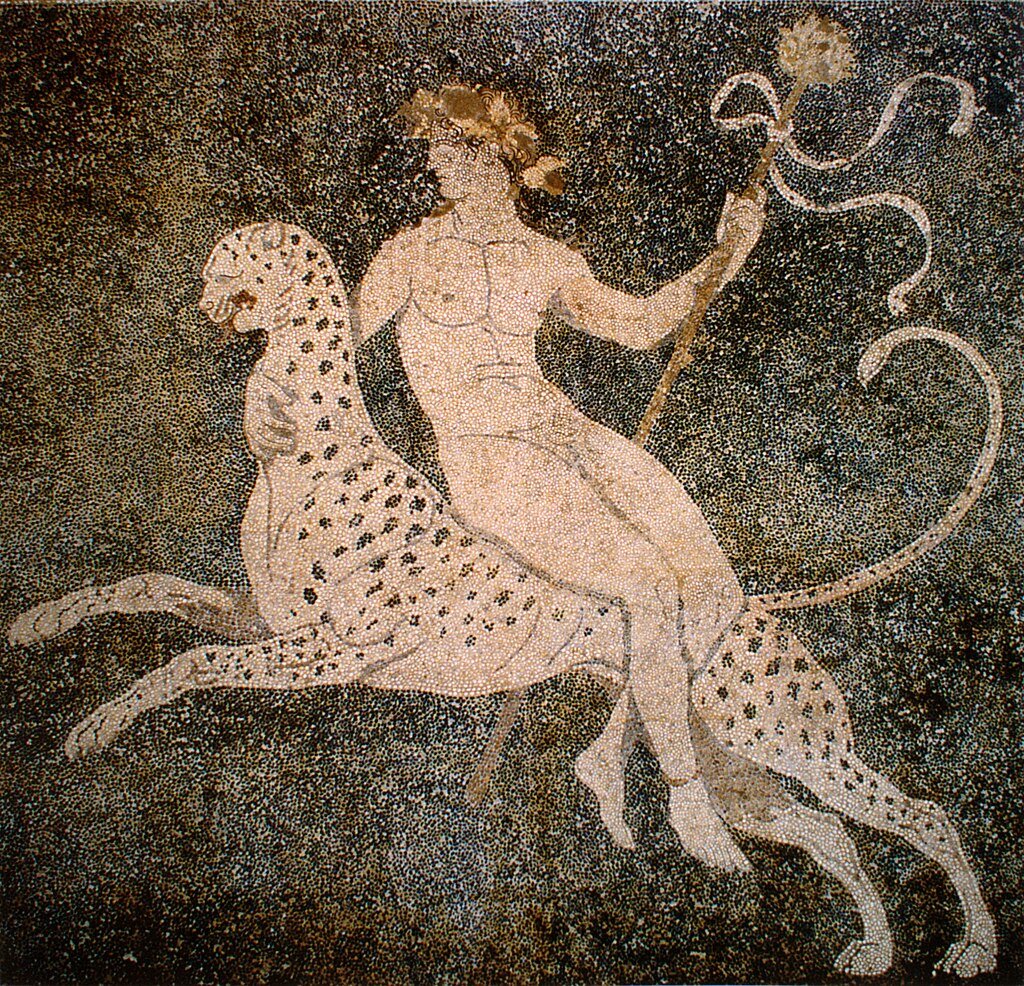
While primarily known as the Greek god of wine and theater, Dionysus was fundamentally the deity of ecstasy, ritual madness, and uninhibited physical seduction. Accompanied by wild maenads and satyrs, his nocturnal rites in mountain forests released worshippers from social inhibitions.
Through intoxicating vintage and rhythmic drumming, Dionysus dissolved boundaries between the mortal and the divine, unleashing suppressed erotic desires that polite Athenian society dared not acknowledge in daylight.
4. Freyja
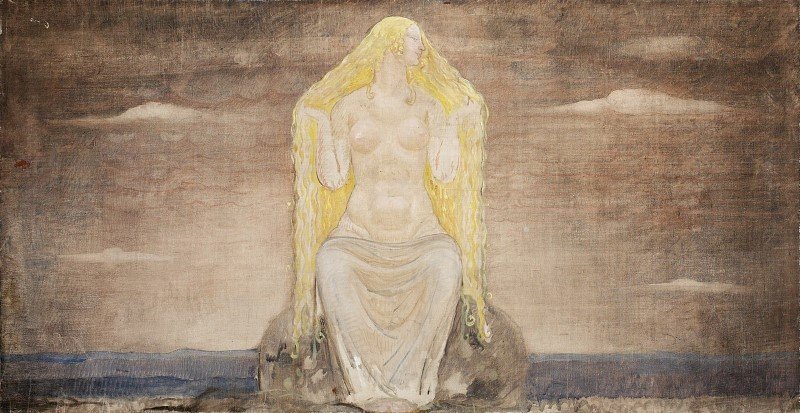
In Norse mythology, Freyja of the Vanir was the radiant goddess of love, beauty, fertility, and gold. Riding in a chariot drawn by two blue cats and wearing the dazzling necklace Brísingamen, she possessed a magical feather cloak that allowed her to fly between realms.
Freyja was an independent sovereign who claimed half of all slain warriors on the battlefield for her meadow Fólkvangr, preceding even Odin. Unapologetic in her romantic freedom, she embodied female agency in a harsh warrior culture.
3. Eros
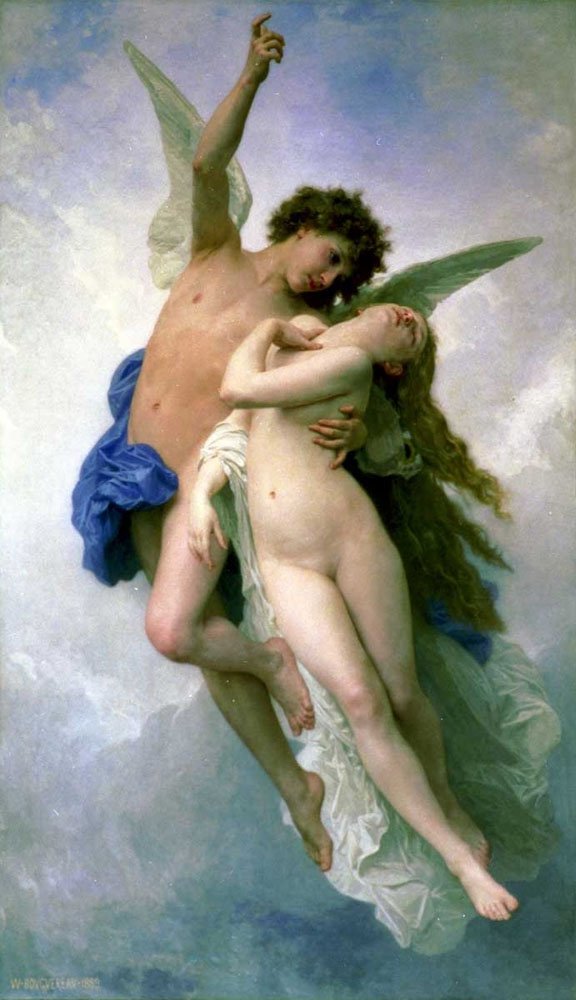
In early Greek cosmology, Eros was one of the primeval forces born from Chaos, whose gravity pulled cosmic elements together into physical form. In classical mythology, he was reimagined as the son of Aphrodite, an athletic youth armed with golden arrows of love and lead arrows of aversion.
The philosophical tale of Eros and Psyche illustrates how raw, blind physical desire can mature into spiritual devotion through loyalty, trust, and shared suffering.
2. Venus
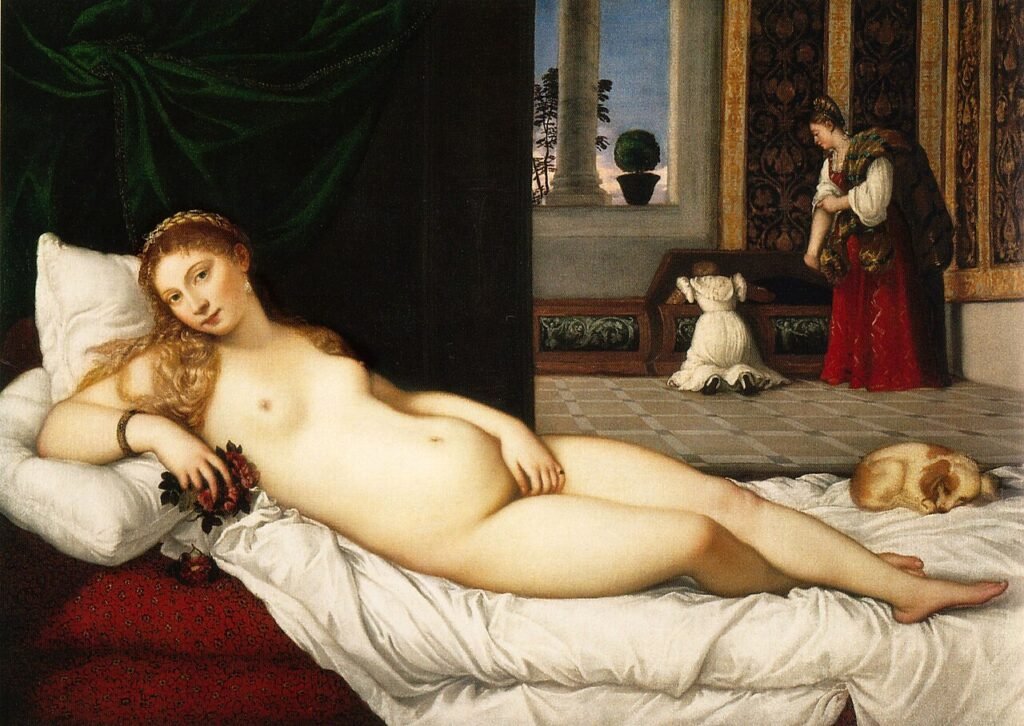
Originally an archaic Roman agricultural spirit of gardens and vineyards, Venus expanded under Greek influence into the majestic patron goddess of erotic desire, marital harmony, and imperial victory. As the mythical mother of Aeneas, the Romans regarded Venus Genetrix as the divine ancestor of the Roman people.
Immortalized in Renaissance art by Titian and Botticelli, Venus balanced seductive elegance with civic grandeur, standing as the eternal muse of European artistic beauty.
1. Aphrodite
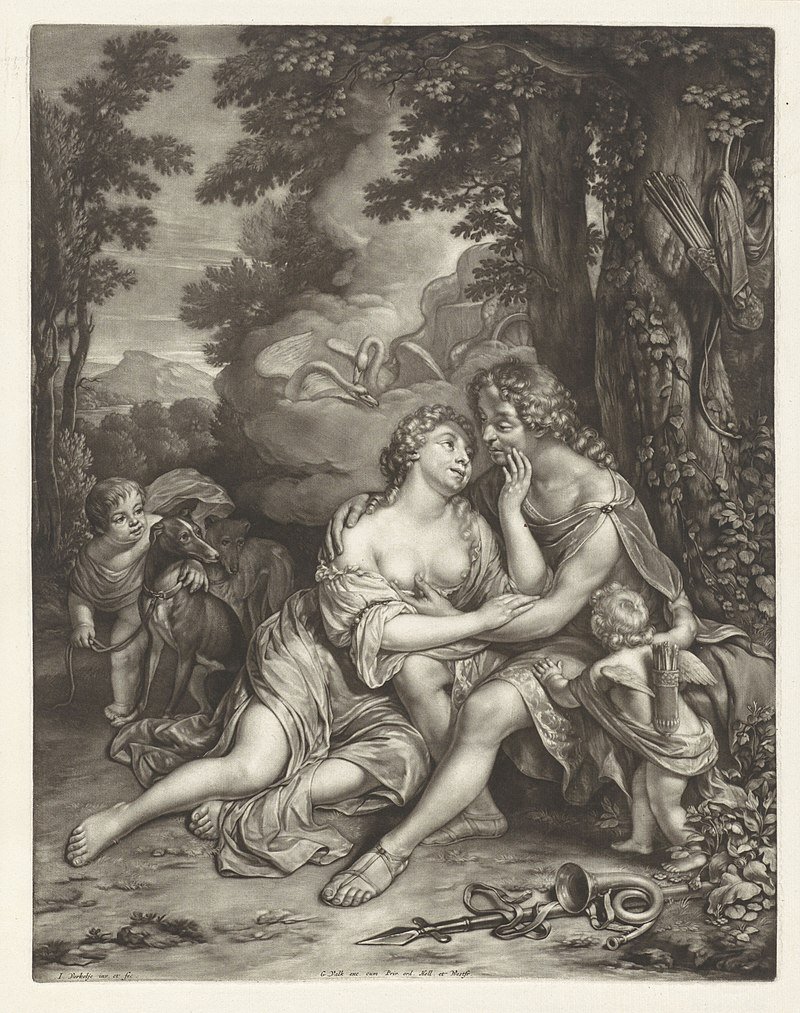
Born from the white sea foam off the coast of Cyprus, Aphrodite is the supreme Greek deity of beauty, sexual desire, and irresistible allure. No god or mortal could resist her golden girdle, which contained every form of seductive magic, whispered sweet-talk, and romantic infatuation.
Her jealousy and capricious favor ignited the decade-long Trojan War after Paris awarded her the Golden Apple of Discord. Aphrodite embodies the full spectrum of love: intoxicating, irrational, and completely irresistible.