Human history is populated with romantic legends of wondrous golden metropolises, sunken empires, and hidden mountain sanctuaries swallowed by sand, sea, or jungle. These lost cities served as cautionary moral tales illustrating how excessive hubris, moral decadence, or divine retribution brought down the proudest capitals of antiquity.
Historical surveys at the World History Encyclopedia note that expeditions seeking mythical realms often spurred actual geographic discoveries across unexplored continents. Here are the 10 most famous lost cities celebrated in global folklore and mythology.
10. Ubar, the Lost Atlantis of the Sands
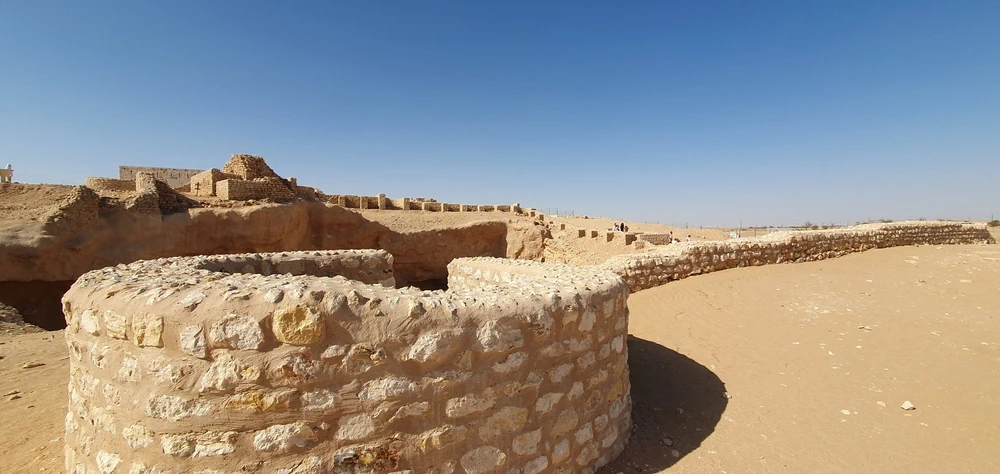
Recorded in Arabian oral traditions and the Quran as Iram of the Pillars, Ubar was a prosperous trading oasis flourishing along the frankincense caravan routes through the arid Rub al Khali desert. Its inhabitants grew immensely wealthy, erecting towering palaces with pillars of marble and brass.
Legend relates that King Shaddad grew so arrogant that he claimed his city rivaled paradise itself. Divine wrath struck the sinful capital, triggering catastrophic sinkholes and violent sandstorms that swallowed its fortified towers beneath hundreds of feet of shifting desert dunes.
9. Kitezh, the Invisible City Beneath Lake Svetloyar
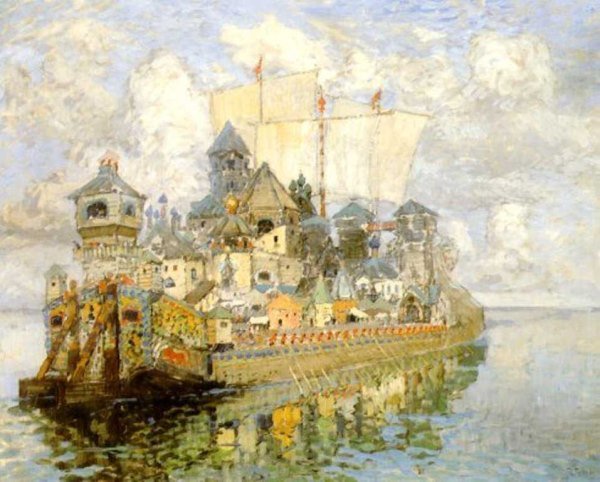
In Russian folklore, Grand Prince Georgy Vsevolodovich founded the glorious city of Kitezh on the shores of Lake Svetloyar in the thirteenth century. When Mongol warriors led by Batu Khan advanced to sack the city, citizens offered no armed defense, gathering in churches to pray for divine protection.
Before the invaders could strike, bubbling geysers erupted around Kitezh, submerging the entire fortified citadel beneath crystal clear lake waters. Russian folklore claims that only those pure in heart can still hear cathedral bells chiming beneath the lake surface.
8. Ys (Ker Ys), the Sunken Breton Capital
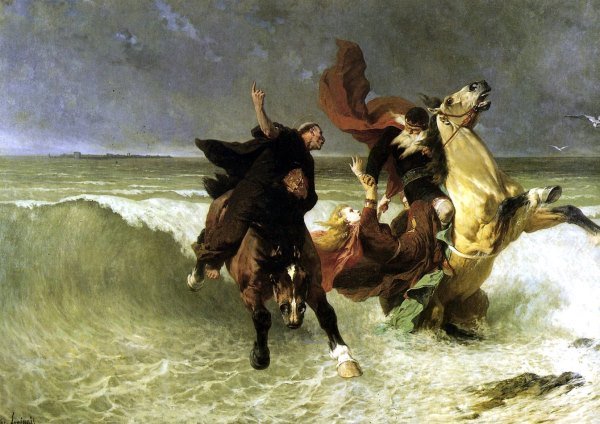
Built beneath sea level in the Bay of Douarnenez in Brittany, Ker Ys was a splendid coastal realm protected by an immense bronze dike. Its benevolent ruler, King Gradlon, held the sole golden key to the sea gates around his royal neck.
His rebellious daughter, Princess Dahut, fell under the sway of a mysterious devilish suitor who convinced her to steal the key while the king slept. The opening of the gates unleashed roaring Atlantic storm surges, drowning the decadent city beneath the cold ocean waves in a single night.
7. The Seven Cities of Cibola
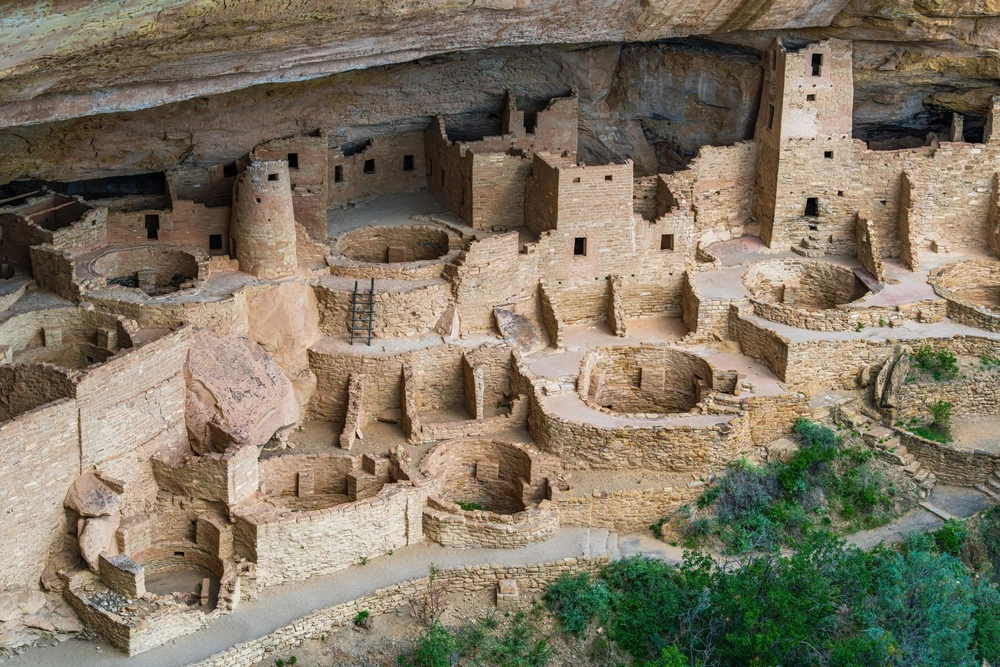
During the sixteenth century Age of Discovery, Spanish conquistadors were captivated by tales of seven opulent metropolises in North America where streets were paved with gold and houses sparkled with turquoise. The myth stemmed from medieval Iberian legends of seven bishops who fled Moorish conquests to establish cities in uncharted lands.
Francisco Vazquez de Coronado led a grueling expedition across the American Southwest in 1540, discovering indigenous Zuni pueblos of sun dried adobe brick rather than mountains of precious treasure.
6. Shambhala, the Hidden Himalayan Sanctuary
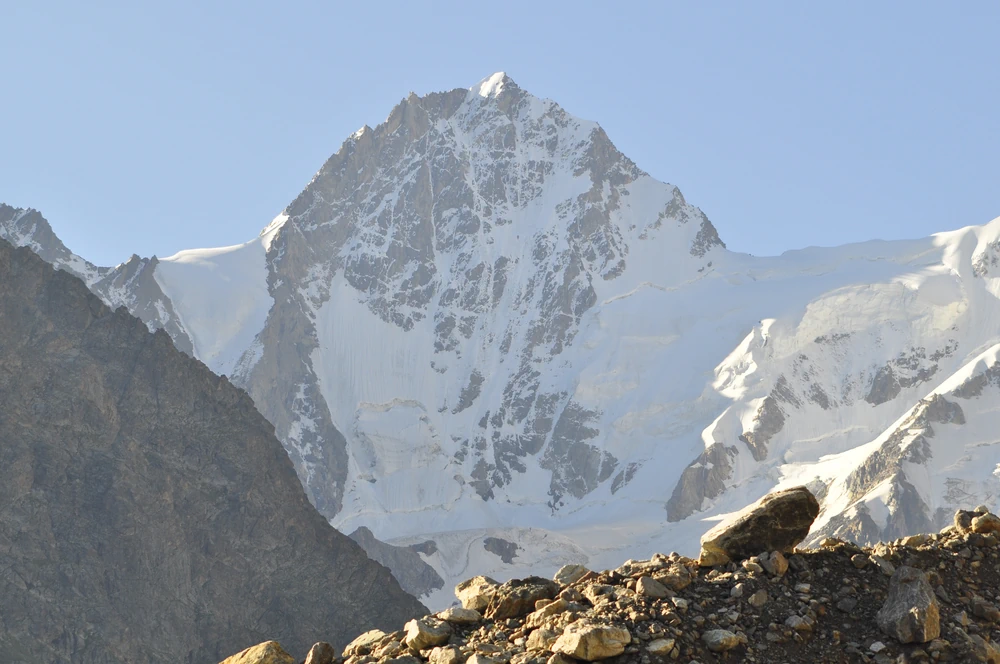
Revered in Tibetan Buddhist texts like the Kalachakra Tantra, Shambhala is a hidden kingdom encircled by snowy Himalayan peaks. It is described as a land of universal harmony, advanced spiritual science, and enlightened rulers who preserve sacred teachings for future generations.
Prophecies foretell that when the mortal world falls into materialism and spiritual darkness, the twenty fifth Kalki king of Shambhala will ride forth with celestial armies to defeat corruption and initiate an era of peace.
5. Aztlan, the Ancestral Cradle of the Aztecs
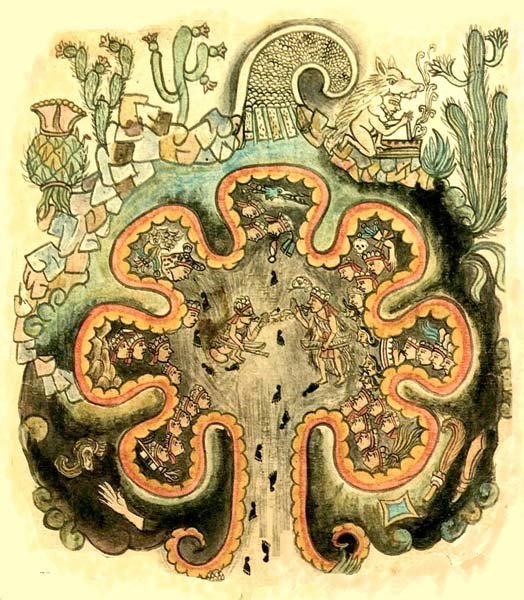
In Mesoamerican mythology, Aztlan (The Place of Herons) was the legendary island birthplace of the Mexica people, situated in a lake surrounded by reed beds somewhere north of the Valley of Mexico. The Aztecs lived peacefully until their sun god Huitzilopochtli commanded them to leave their idyllic home.
They undertook a two hundred year migration until spotting an eagle perched on a nopal cactus devouring a snake, marking the divine location where they founded Tenochtitlan, modern Mexico City.
4. Ai, the Fortified Bronze Age Stronghold
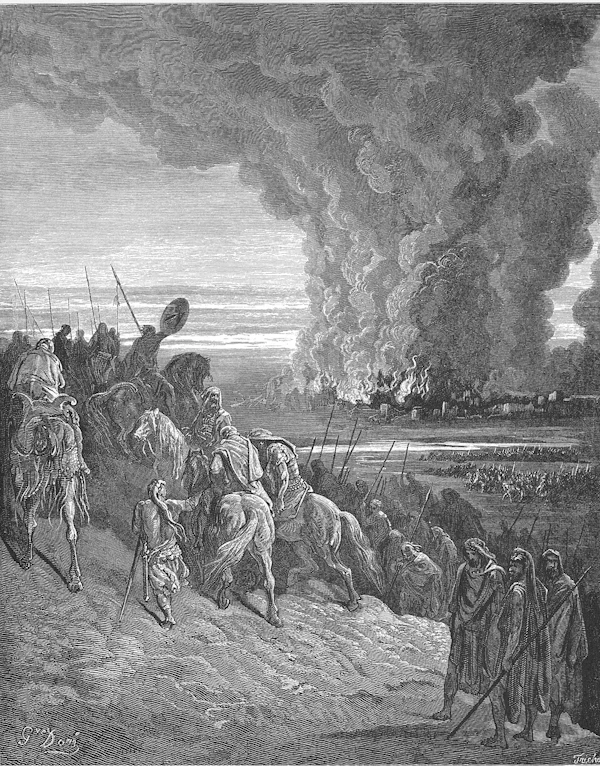
Recorded in the biblical Book of Joshua, Ai was a fortified Canaanite hill city whose name literally meant ruin in Hebrew. Joshua army initially suffered defeat due to spiritual transgression in camp, before executing a brilliant ambush using dummy retreats to lure defenders outside the city walls.
Archaeologists working near Et Tell have debated the historical location of Ai for over a century, uncovering massive Early Bronze Age fortifications that collapsed centuries before the biblical conquest narratives occurred.
3. Sodom and Gomorrah, the Cities of the Plain
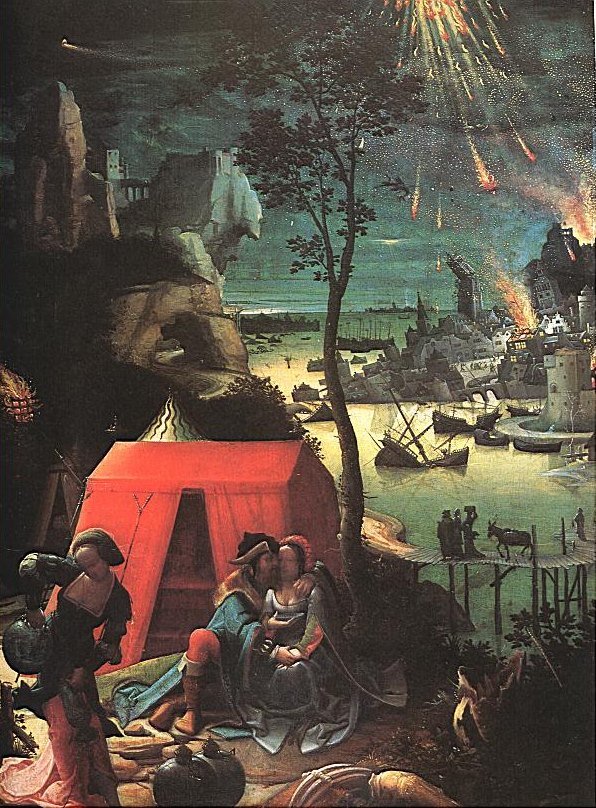
Situated near the mineral rich shores of the Dead Sea, Sodom and Gomorrah stood as archetypes of moral corruption, greed, and ruthless inhospitality toward strangers. The Book of Genesis chronicles how divine justice rained sulfur and fire down upon the fertile plain, incinerating both settlements into scorched ash.
Lot wife famously looked back toward the burning metropolises, transforming into a pillar of salt. Geological researchers often study ancient seismic faults and asphalt seeps around the Dead Sea rift to examine possible natural disasters behind the dramatic narrative.
2. El Dorado, the Golden Realm of the Andes
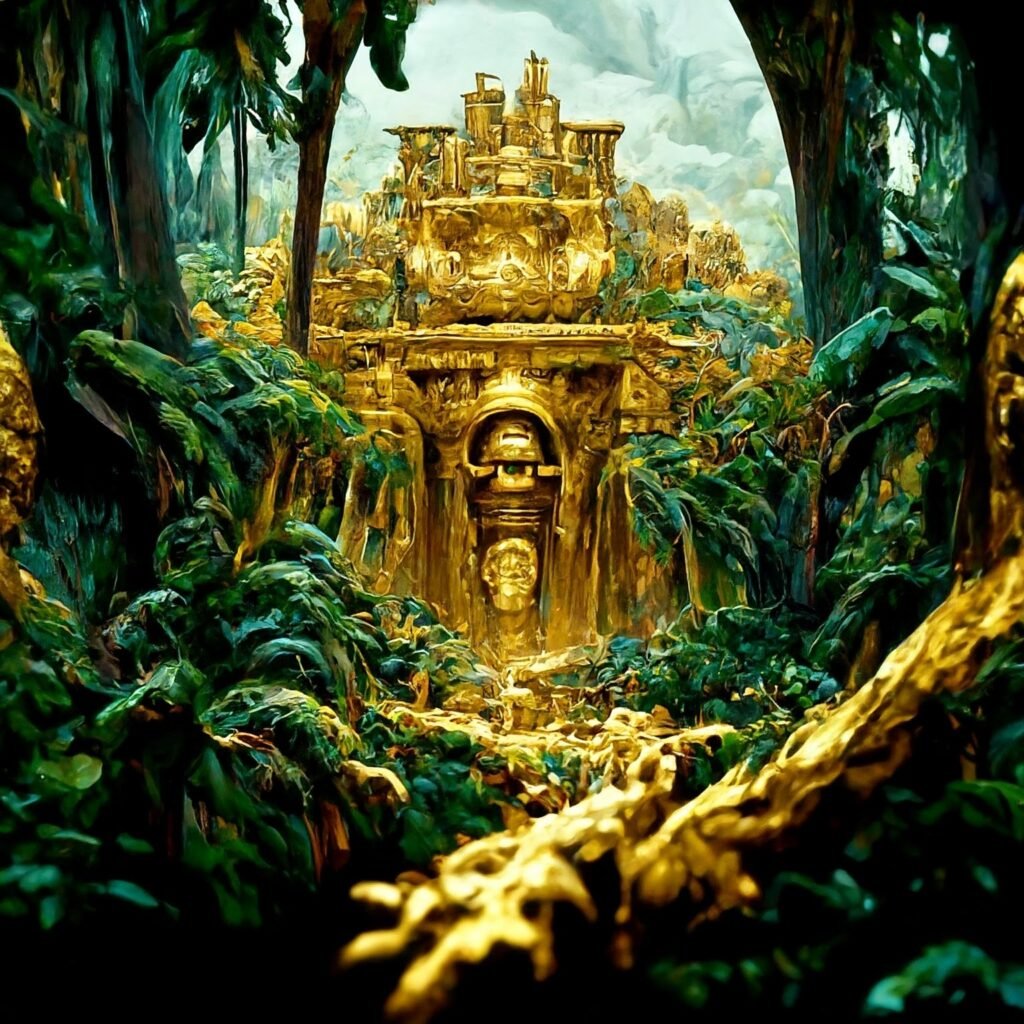
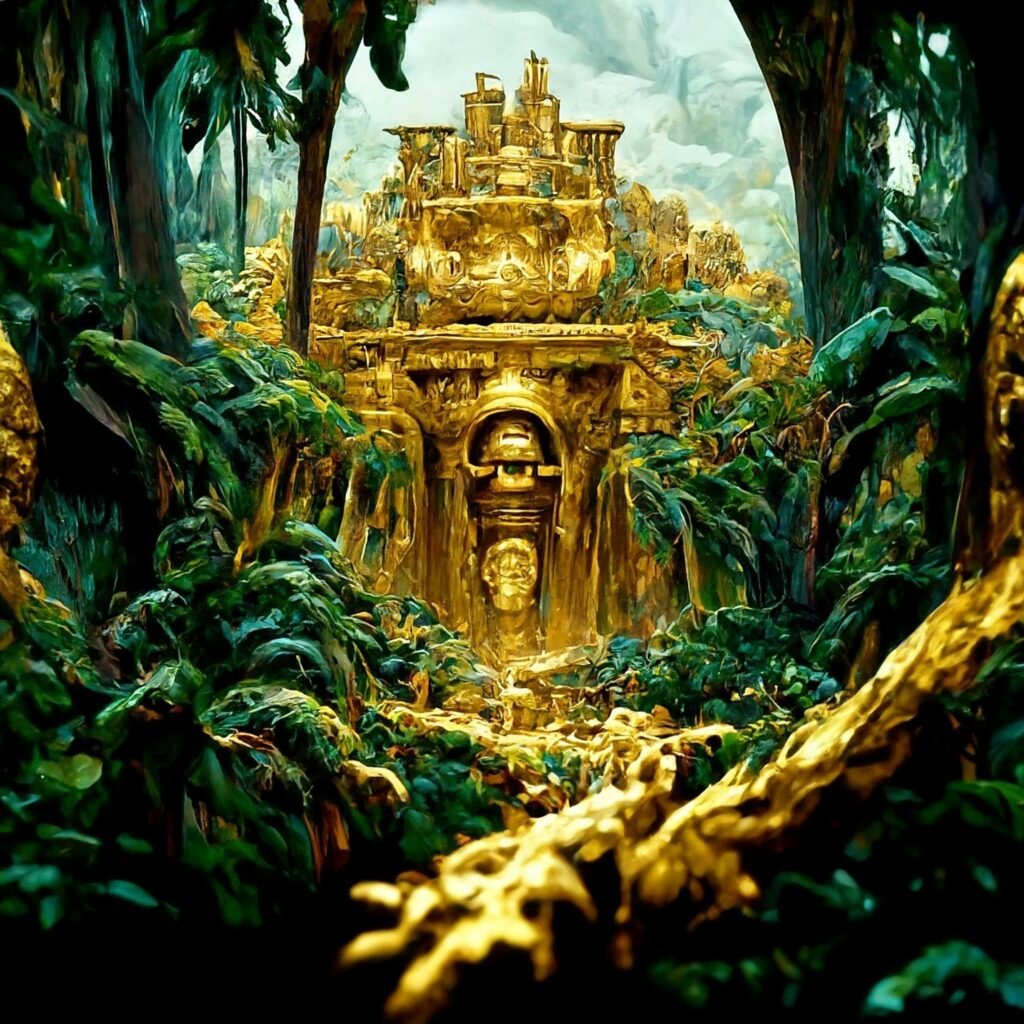
What began as a real Muisca tribal ritual in Lake Guatavita, where newly crowned chieftains were dusted with gold powder and submerged while throwing gold offerings into sacred waters, mutated into the European myth of El Dorado, a city paved entirely in yellow metal.
For over two centuries, hundreds of expeditions led by Spanish conquistadors and English adventurers like Sir Walter Raleigh endured malaria, starvation, and treacherous rainforest navigation in vain searches through the Amazon and Orinoco basins.
1. Atlantis, the Sunken Empire of Plato
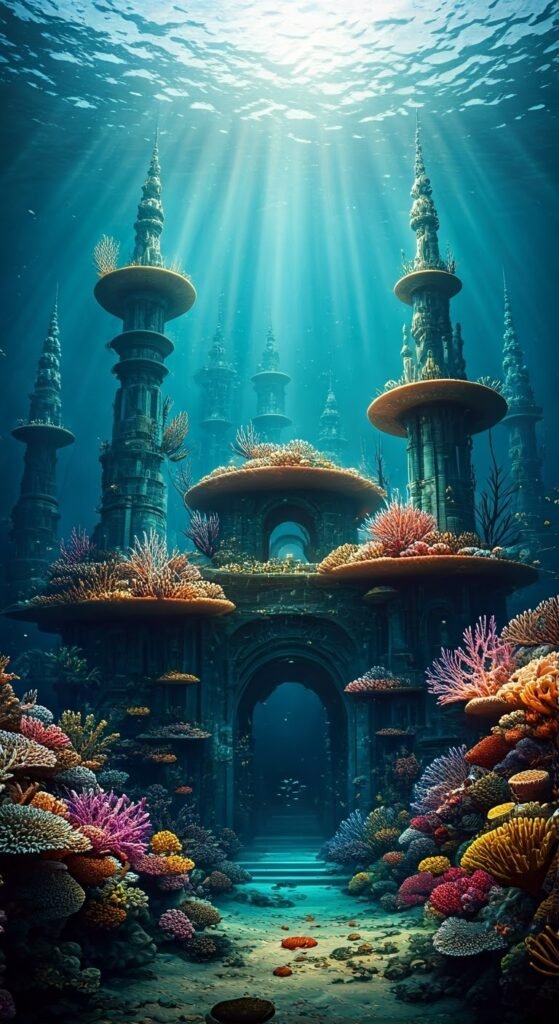
First described by Athenian philosopher Plato in the dialogues Timaeus and Critias around 360 BCE, Atlantis stood as a naval superpower situated beyond the Pillars of Hercules. The utopian island possessed concentric rings of land and water, lavish temples plated with orichalcum, and a mighty fleet.
As analyzed in classical studies at Britannica Classical Philosophy, Plato presented Atlantis as an allegory for imperial greed. When the Atlanteans attempted to conquer the Mediterranean, violent earthquakes and cataclysms swallowed the island into the oceanic abyss in a single day and night.
Conclusion
Lost cities captivate human imagination because they represent both the pinnacle of human achievement and the fragile transience of worldly power. From underwater ruins to sand buried citadels, these legends reflect our eternal desire to explore the unknown.
Whether rooted in historical cataclysms or philosophical allegories, the memory of these mythical metropolises continues to inspire archaeology, literature, and dreamers worldwide.