We love to quote historical icons to win an argument. A point simply sounds more convincing when Albert Einstein, Mahatma Gandhi or Winston Churchill seems to back it up. Yet a surprising number of our favorite one-liners were made up, mistranslated or put into famous mouths long after the fact.
These are ten famous quotes that were never actually said by the people we credit them to.
1. Marie Antoinette: “Let them eat cake”
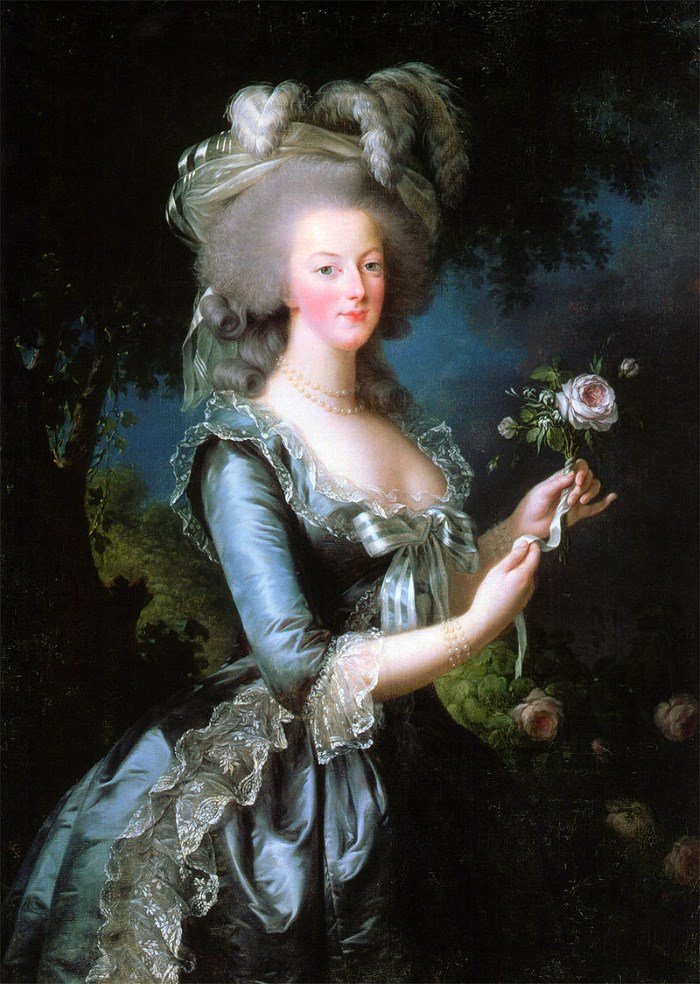
According to the story, the French queen said this when told that the starving people of Paris had no bread. The line made her the symbol of an out-of-touch, decadent monarchy that deserved the guillotine.
It is almost certainly not true. The phrase, actually “Qu’ils mangent de la brioche”, appears in the Confessions of Jean-Jacques Rousseau, written in the 1760s and attributed to “a great princess”. At the time, Marie Antoinette was a young girl living in Vienna. The story was attached to her name later, when it served her enemies well.
2. Gandhi: “Be the change you wish to see in the world”
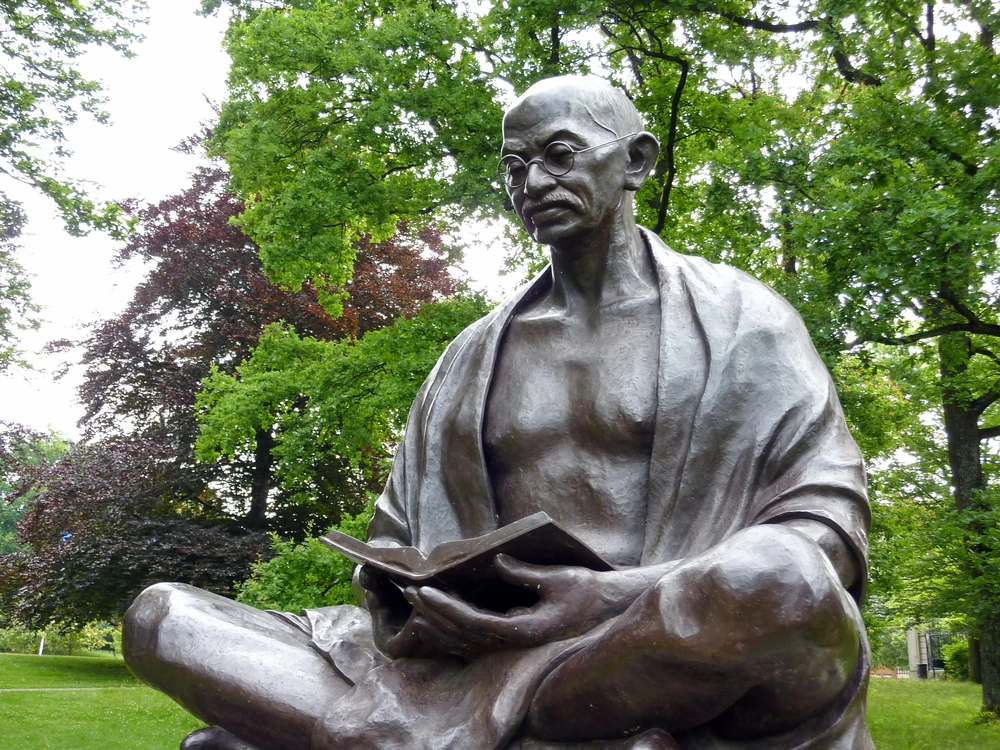
This slogan appears on millions of posters, mugs and social media profiles, but Gandhi never said or wrote it in those words. In a 1913 article, he expressed a similar but longer and more nuanced idea: that if we change ourselves, the world around us also changes. The short, catchy version appears to date from the 1970s and became linked to Gandhi later.
3. Julius Caesar: “Et tu, Brute?”

When Caesar was stabbed by a group of senators on the Ides of March in 44 BC, he supposedly looked at his friend Brutus in disbelief and spoke these Latin words. They became the ultimate symbol of political betrayal.
We owe the line to William Shakespeare, not to history. Roman historians such as Suetonius report that Caesar said nothing and covered his face with his toga, although Suetonius adds that some claimed he said, in Greek, “You too, child?” Either way, the famous Latin phrase is a later invention.
4. Albert Einstein: “Insanity is doing the same thing over and over and expecting different results”
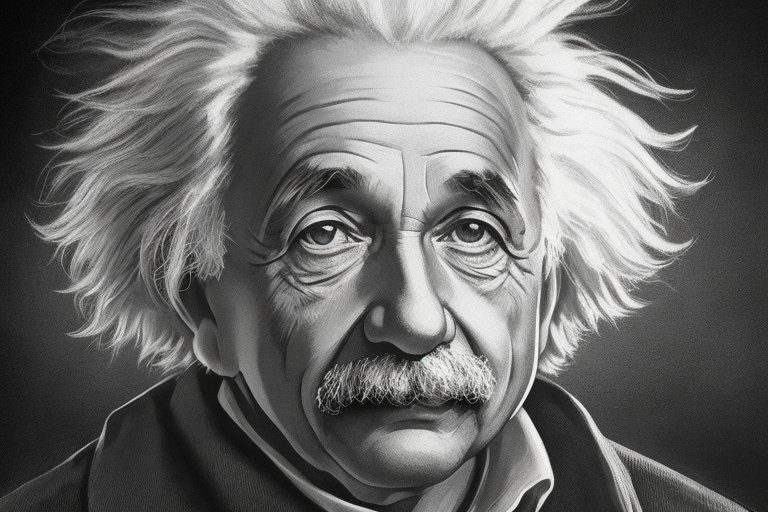
A favorite at business seminars and on office walls, used to encourage change with a nod to history’s most famous genius. But no trace of it has ever been found in Einstein’s writings, letters or interviews.
The line first appears in the early 1980s, in Narcotics Anonymous literature and in a novel by Rita Mae Brown. Only later did it get attached to Einstein.
5. Winston Churchill: “If you’re going through hell, keep going”
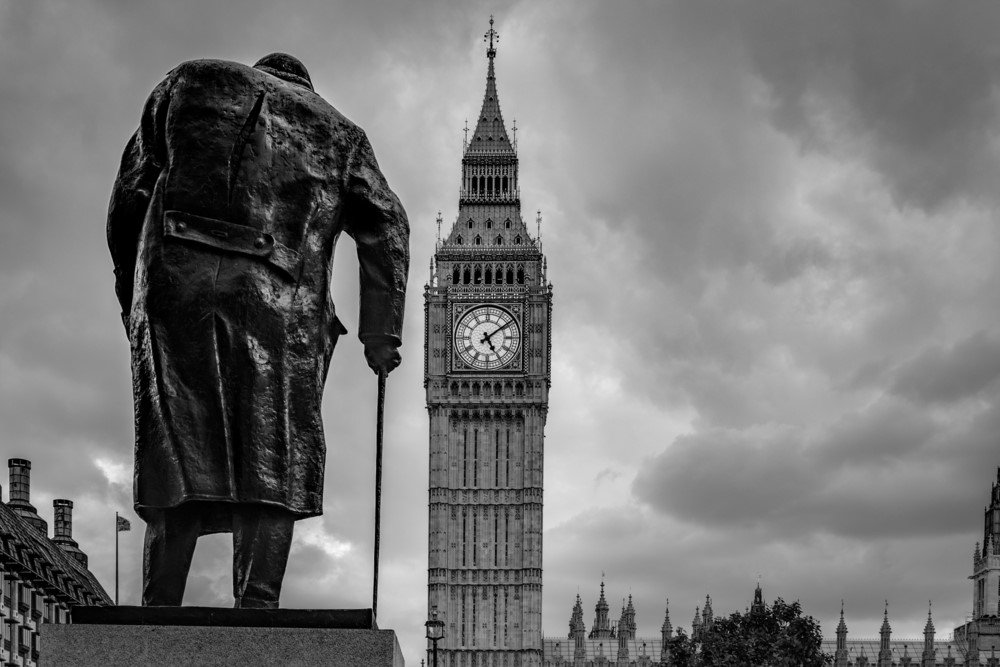
It sounds like the perfect summary of Churchill’s defiance during the Blitz: when things get tough, grit your teeth and push on. But the International Churchill Society has found no evidence that he ever said it. Churchill is one of the most misquoted people in history: countless lines are attributed to him simply because they sound like something he would say.
6. Voltaire: “I disapprove of what you say, but I will defend to the death your right to say it”
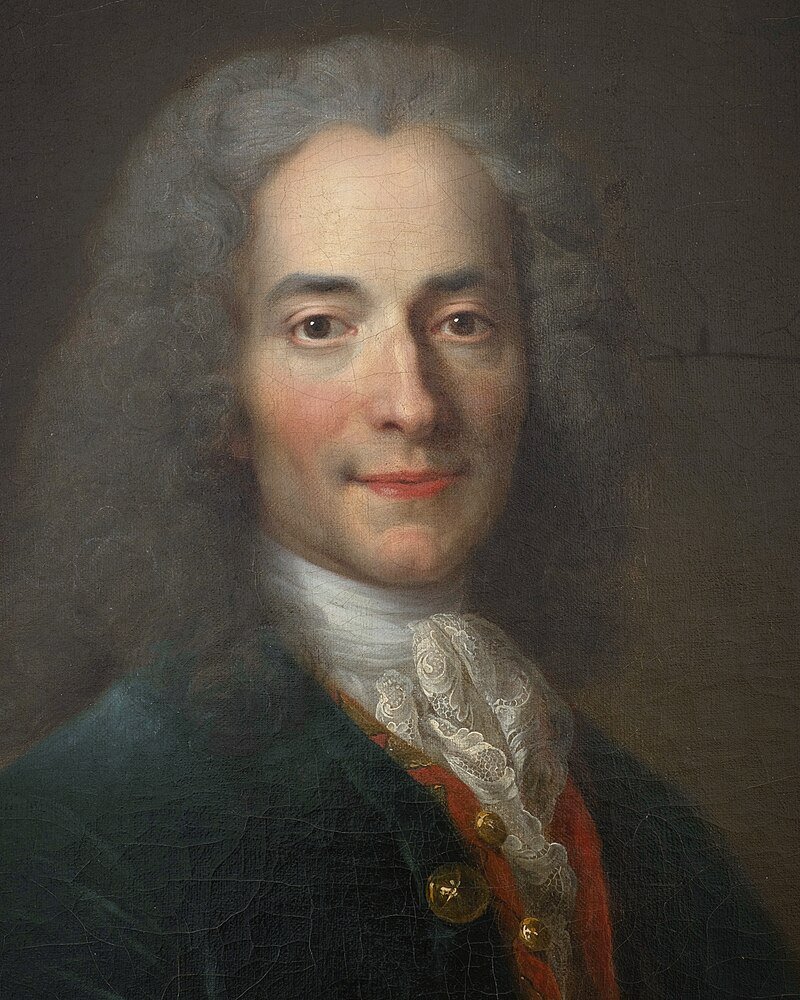
No quote is used more often to defend freedom of speech. In reality, it was written more than a century after Voltaire’s death by the English writer Evelyn Beatrice Hall. In her 1906 book The Friends of Voltaire, she used it to sum up his attitude toward the philosopher Helvétius, whose book had been banned. Readers mistook her summary for a real quote.
7. Sherlock Holmes: “Elementary, my dear Watson”

You will look in vain for this catchphrase in Arthur Conan Doyle’s original stories. Holmes does say “Elementary” and often addresses his friend as “my dear Watson”, but never in the same sentence. The famous combination came later, and it was the Sherlock Holmes films of the 1930s and 1940s, starring Basil Rathbone, that made it world famous.
8. Charles Darwin: “Survival of the fittest”
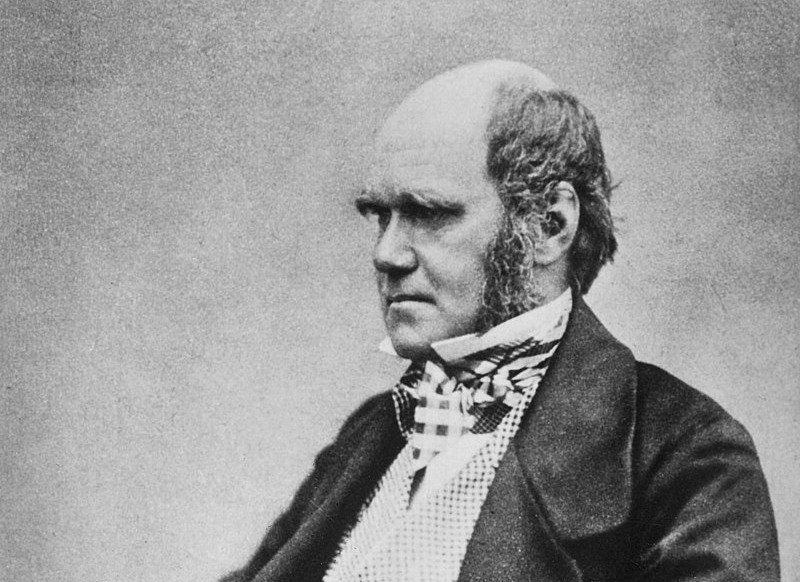
Many people think Darwin coined the phrase in On the Origin of Species (1859). It was actually the philosopher Herbert Spencer who came up with it in 1864. Darwin adopted it in the fifth edition of his book in 1869.
Even then, “fittest” did not mean strongest or most aggressive. Darwin meant the organism best suited to its environment, which might just as well be the smallest, the best camouflaged or the most cooperative.
9. Machiavelli: “The end justifies the means”
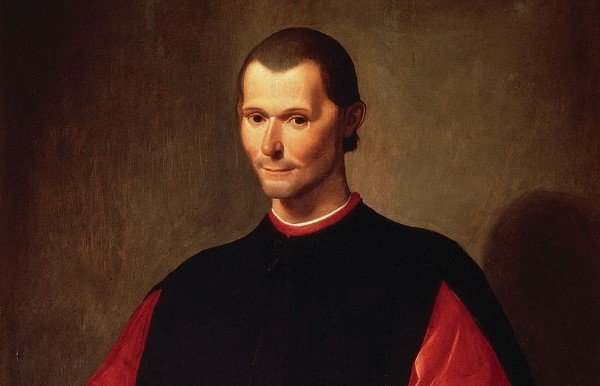
Machiavelli is remembered as the father of ruthless power politics. In The Prince (1513), he did argue that rulers sometimes have to do morally questionable things to keep the state safe, and wrote that people judge by results. But he never wrote the famous phrase. A similar idea goes back to the Roman poet Ovid (“exitus acta probat”, the outcome justifies the deed), and the modern wording became attached to Machiavelli much later.
10. Galileo: “And yet it moves”
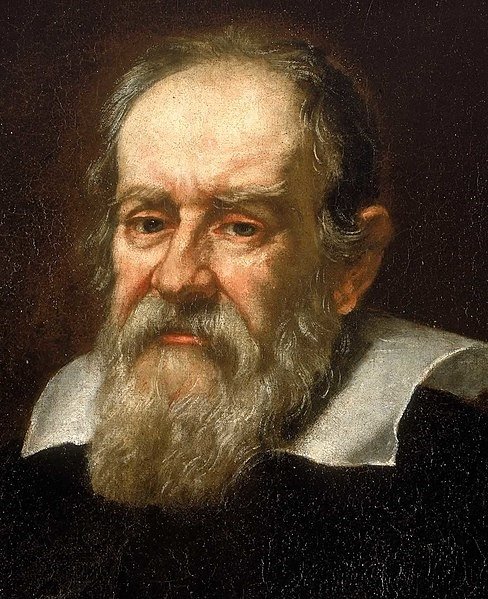
After the Inquisition forced Galileo to renounce the idea that the Earth moves around the Sun in 1633, he supposedly stamped his foot and muttered “Eppur si muove”. A heroic legend of scientific defiance, but there is no evidence for it. Saying it in front of the Inquisition would have been extremely dangerous. The story first appeared in print in 1757, more than a century later, in a book by the Italian writer Giuseppe Baretti.