Count Dracula is the most famous vampire in literature. Since Irish author Bram Stoker published his Gothic novel in 1897, the aristocratic bloodsucker from Transylvania has become a global icon, from stage plays and classic horror films to modern TV series.
Yet the image Hollywood created of the Count differs in many ways from the original novel and from historical fact. These are ten surprising facts about Dracula.
1. He is one of the most filmed characters ever
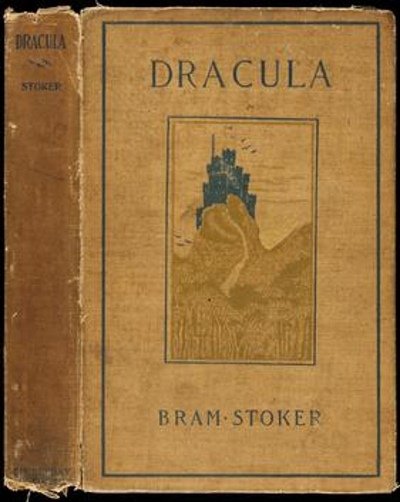
According to Guinness World Records, Dracula is one of the most portrayed characters in film history, appearing in well over 200 films, cartoons and TV productions, played by dozens of actors. Among literary characters, only Sherlock Holmes has been portrayed more often.
2. The link with Vlad the Impaler is weaker than you think
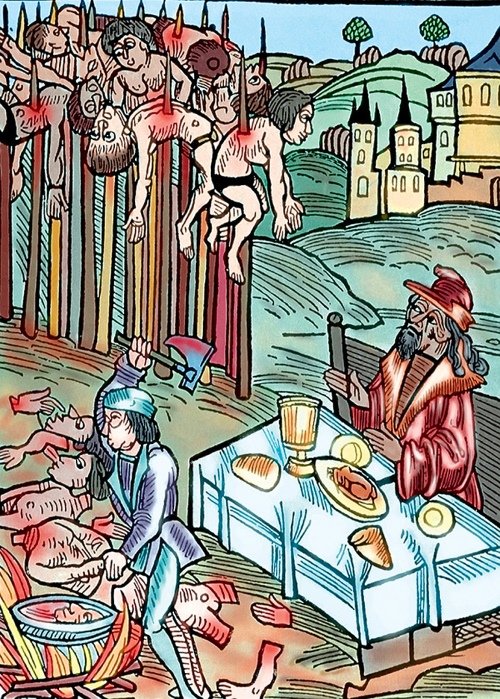
It is often said that Stoker based his character directly on Vlad III of Wallachia, the 15th-century ruler better known as Vlad the Impaler, who fought the Ottoman Empire and was notorious for impaling prisoners and enemies on wooden stakes.
Research shows the connection is much thinner. Stoker’s original name for his vampire was Count Wampyr. In the summer of 1890, on holiday in the English seaside town of Whitby, he came across a book by the diplomat William Wilkinson in the local library. It mentioned that the rulers of Wallachia were called Dracula, which Stoker noted meant “devil”. He liked the sound and renamed his villain, but took almost nothing from the real Vlad’s life.
3. He was partly modeled on a famous actor
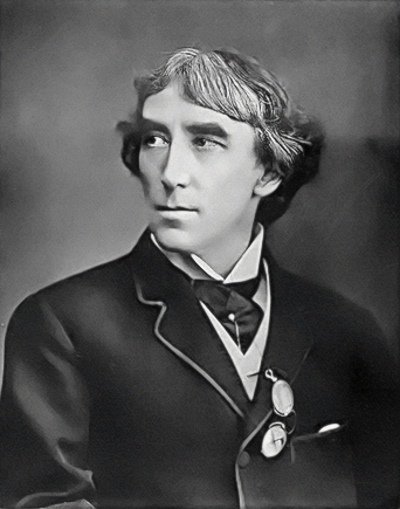
Stoker worked for almost 30 years as the business manager of the Lyceum Theatre in London, run by Henry Irving, the most celebrated Shakespearean actor of his day. Irving was a domineering, charismatic man, and many scholars believe Stoker drew on him for the Count’s proud, commanding presence.
Stoker hoped Irving would play Dracula on stage, but it never happened. According to a well-known anecdote, after hearing a reading of the script, Irving simply called it “dreadful”.
4. Stoker did not invent the literary vampire
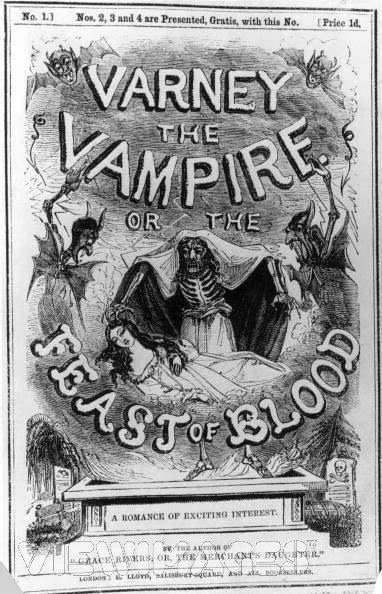
Vampire fiction was already popular in Britain long before Dracula. John Polidori, Lord Byron’s doctor, started the trend in 1819 with The Vampyre. In the 1840s came Varney the Vampire, a hugely popular “penny dreadful” sold in cheap weekly installments.
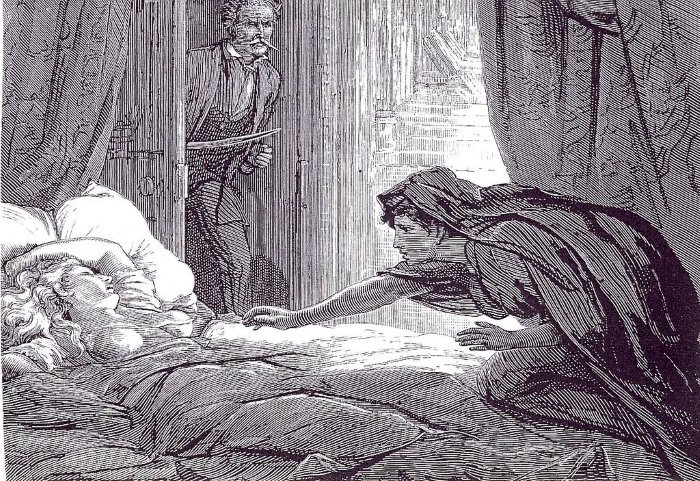
The biggest influence on Stoker, though, was Carmilla (1872) by his fellow Irishman Sheridan Le Fanu. This story about a female vampire in Styria introduced many elements Stoker would later use, from eerie carriage rides through dark forests to the seductive threat of a nighttime visitor.
5. The book was no instant bestseller, and a pirated film made it famous
When Dracula was published on 26 May 1897, reviews were good but sales were modest. It did not make Stoker rich, and when he died in 1912 he left only a small estate.
Ironically, a copyright violation helped make Dracula a worldwide phenomenon. In 1922, German director F.W. Murnau released Nosferatu without buying the rights. He changed the names, so Count Dracula became Count Orlok, and moved much of the story to a fictional German town called Wisborg.
Stoker’s widow, Florence, sued and won: a court ordered all copies of the film destroyed. Fortunately, some copies survived abroad, and Nosferatu became one of the most celebrated films of the silent era.
6. Bela Lugosi created the classic look
The classic image of Dracula, with evening wear, a black cape, slicked-back hair and a heavy Eastern European accent, was not created by Stoker but by Hungarian actor Bela Lugosi, first on Broadway and then in Universal’s 1931 film.
Lugosi, who spoke little English at first and reportedly learned his lines phonetically, gave the vampire an exotic, aristocratic menace. The film was a huge hit and launched Universal’s famous series of monster movies. Lugosi became so identified with the role that he was buried in one of his Dracula capes when he died in 1956.
7. In the book, he has a white mustache and hairy palms
Readers of the original novel may be surprised by the Count’s appearance. Unlike the clean-shaven film versions, Jonathan Harker describes Dracula as an old man with a long white mustache, pointed ears, eyebrows that almost meet, a very pale face and, strangely, hair growing in the center of his palms. His breath is foul. As the Count feeds in London, he grows younger: his white hair darkens and his face fills out.
8. Sunlight does not kill him
Stoker’s Dracula has an impressive set of powers. He has the strength of many men, can control wolves and other creatures, and can turn into a bat, a wolf, mist or specks of dust in the moonlight. In one of the creepiest scenes, Harker watches him crawl face-down along the castle wall like a lizard.
But in the book, sunlight does not destroy him. The idea that daylight burns vampires to ash comes from Nosferatu in 1922. In the novel, sunlight only limits Dracula’s powers, and he even walks the streets of London by day.
9. He is not killed with a wooden stake
In most vampire stories, the monster is destroyed with a wooden stake through the heart. In Stoker’s novel, a stake is only used on one of the victims, Lucy Westenra, in her tomb.
Dracula himself meets a different end. In the climax in the snowy mountains of Transylvania, the hunters catch up with the box of earth in which he is resting. Jonathan Harker slashes his throat with a large kukri knife, while the Texan Quincey Morris plunges a bowie knife into his heart. The Count crumbles to dust in the setting sun.
10. Stoker never visited Transylvania
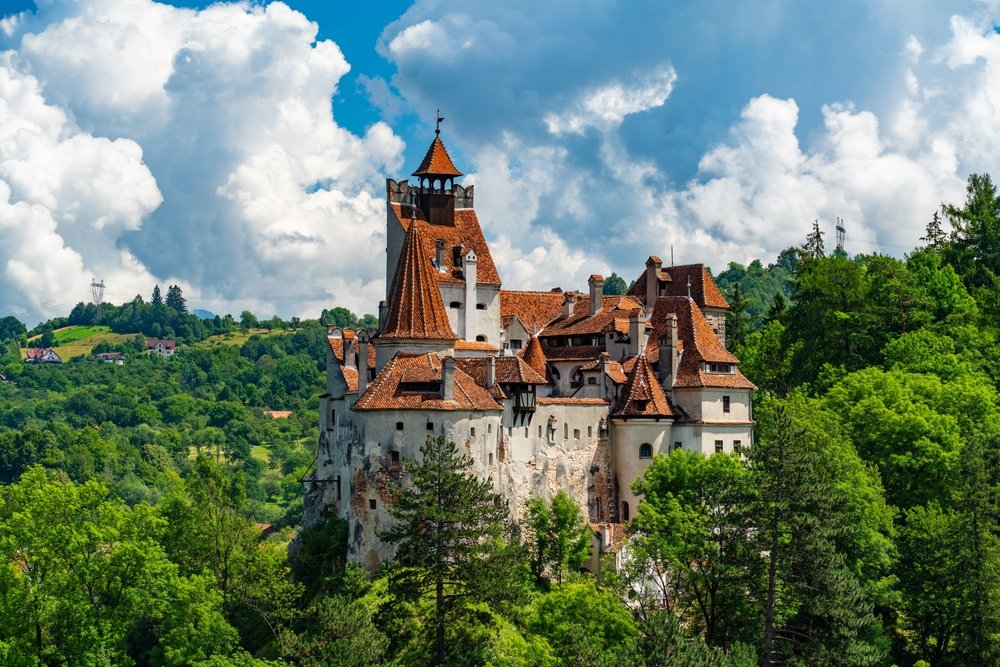
Thanks to Stoker, Transylvania is now synonymous with vampires, dark forests and Gothic castles. Romania’s biggest tourist attraction is Bran Castle near Brașov, promoted as “Dracula’s Castle” and visited by hundreds of thousands of people a year.
But Stoker never set foot in Romania; he researched the region in libraries, including the British Museum reading room. And Bran Castle has little to do with Vlad the Impaler, who may never have stayed there at all. Its towers and dramatic location simply made it the perfect Dracula castle for tourism marketing.