The Romans borrowed heavily from Greek mythology, and many of their gods are Greek gods with a new name. But the Roman versions were often different in character: more serious, more connected to the state and more concerned with duty than with drama.
Their names are still all around us, in the planets, the months of the year and everyday words. Here are the twelve most important Roman gods.
1. Jupiter, king of the gods
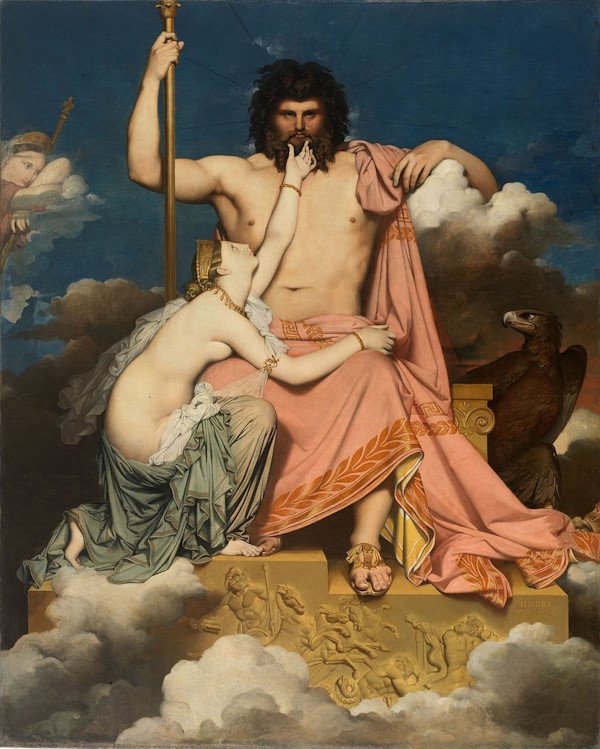
Jupiter, the Roman Zeus, was the god of the sky and thunder and the protector of Rome itself. His great temple on the Capitoline Hill was the religious heart of the city.
Victorious generals ended their triumphal processions there, and the eagle, his sacred bird, became the symbol of the Roman legions. The largest planet in our solar system is named after him.
2. Juno, queen of the gods
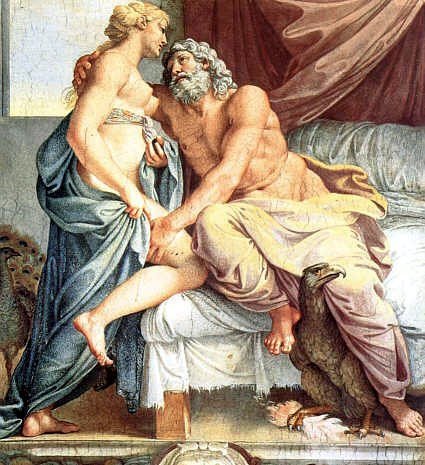
Juno was Jupiter’s wife and the protector of women, marriage and childbirth. She was also a guardian of the state, and she watched over Rome’s finances.
Her temple on the Capitoline housed the Roman mint, and one of her titles, Juno Moneta, is where the words “money” and “mint” come from. The month of June is probably named after her too.
3. Neptune, god of the sea
Neptune, the Roman Poseidon, ruled over the seas and was usually shown with a trident. Originally he was a god of fresh water, and the Romans celebrated his festival in the heat of July, when water was scarce.
He is one of the gods whose name lives on in the solar system: the most distant planet, with its deep blue color, was named after him.
4. Ceres, goddess of agriculture
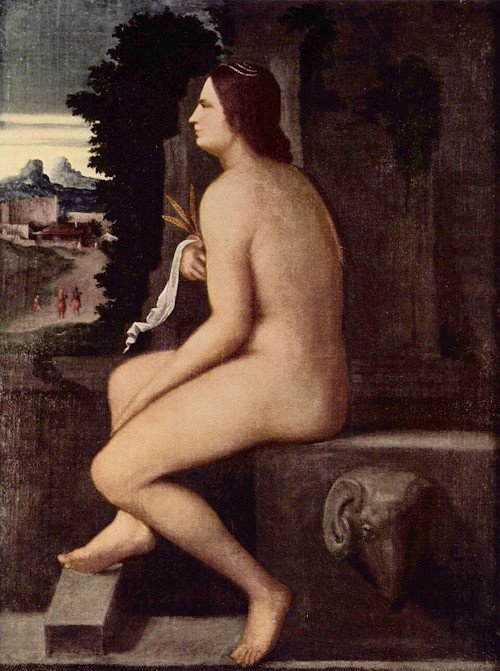
Ceres was the goddess of grain, farming and fertility, the equivalent of the Greek Demeter. For an empire that depended on bread to keep its people fed and calm, she was enormously important.
Her name lives on every morning at breakfast tables around the world, in the word “cereal”. The largest object in the asteroid belt is also named after her.
5. Vesta, goddess of the sacred fire
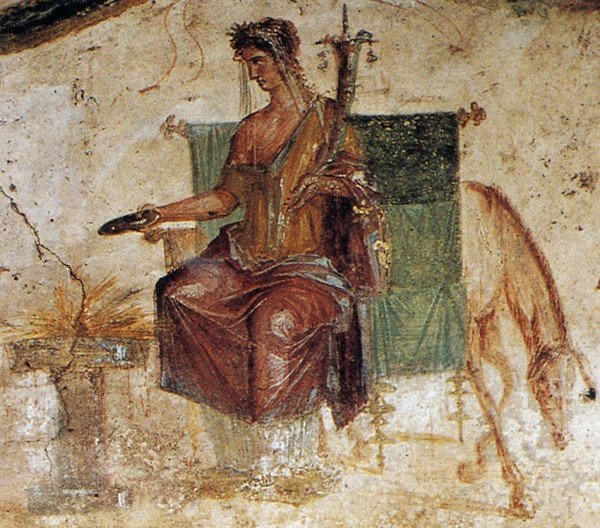
Vesta was the goddess of the hearth, the home and the family. In her round temple in the Roman Forum, a sacred fire burned that was never allowed to go out, because it symbolized the survival of Rome.
The flame was tended by the Vestal Virgins, priestesses who served for thirty years and enjoyed great privileges. If one of them broke her vow of chastity, however, she was buried alive.
6. Minerva, goddess of wisdom
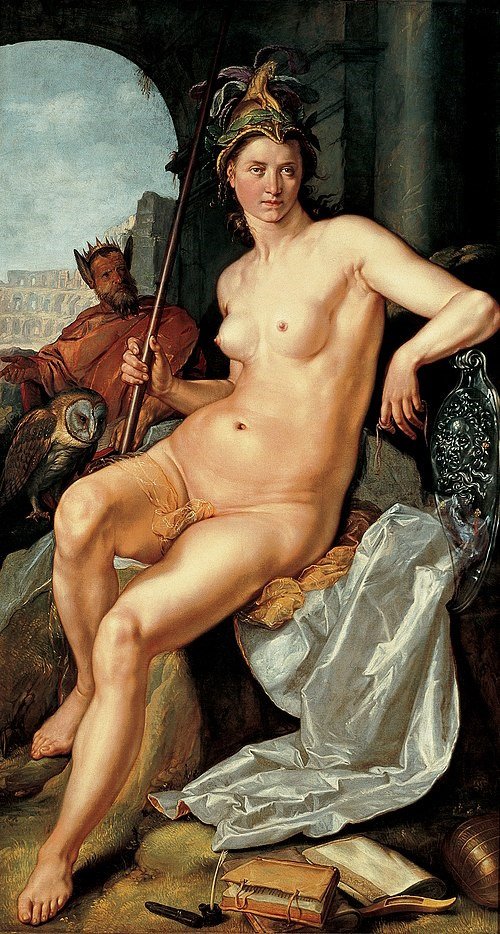
Minerva, the Roman Athena, was the goddess of wisdom, crafts, medicine and strategy. Together with Jupiter and Juno, she formed the Capitoline Triad, the three most important gods of the Roman state.
Craftsmen, doctors, teachers and students all looked to her for help. Like Athena, she is often shown with a helmet and an owl.
7. Diana, goddess of the hunt
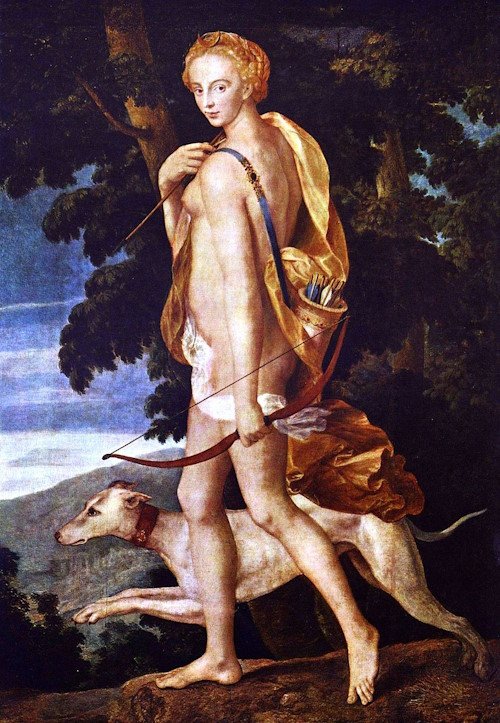
Diana was the goddess of the hunt, the wilderness and the Moon, the Roman counterpart of Artemis. She was especially popular among ordinary people and slaves, and her sanctuaries were often in forests and groves.
She was also a protector of women in childbirth. Her name remains one of the most popular girls’ names in the world.
8. Apollo, god of light and healing
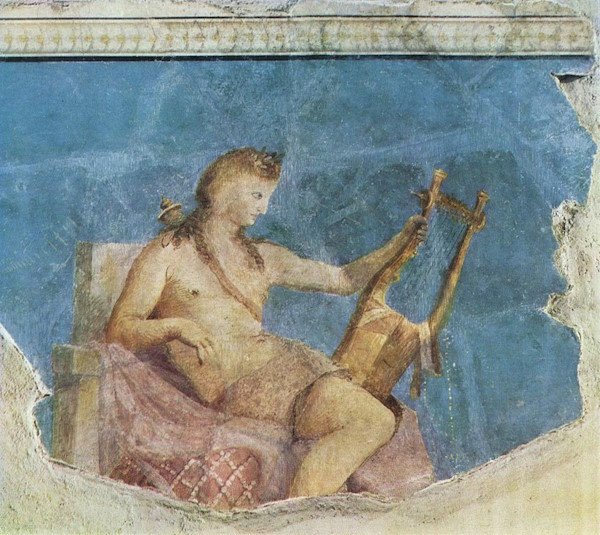
Apollo is a rare case: the Romans did not give him a new name. They adopted him directly from the Greeks as the god of healing, music, poetry and prophecy.
The first emperor, Augustus, made Apollo his personal patron and built him a magnificent temple next to his own house on the Palatine Hill.
9. Venus, goddess of love and mother of Rome
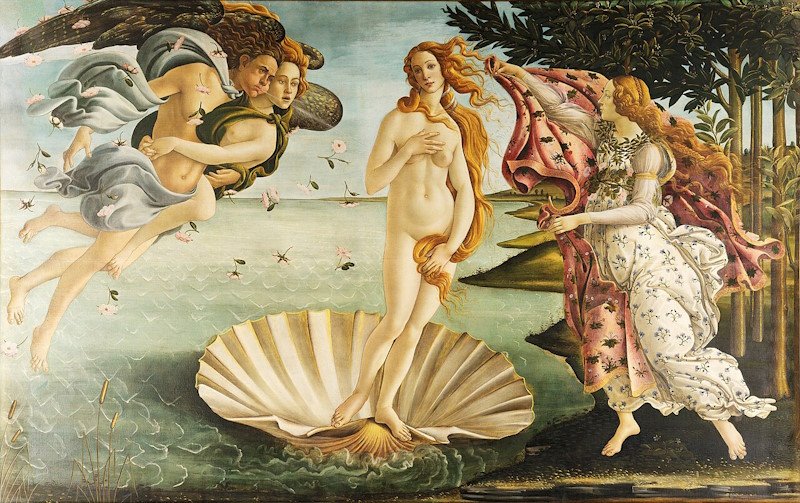
Venus was the goddess of love, beauty and desire, like the Greek Aphrodite. But for the Romans she meant even more: she was the mother of the Trojan hero Aeneas, who, according to legend, was the ancestor of the Roman people.
Julius Caesar claimed to descend from her and built a temple to Venus Genetrix, “Venus the mother”. The brightest planet in the night sky carries her name.
10. Vulcan, god of fire and the forge
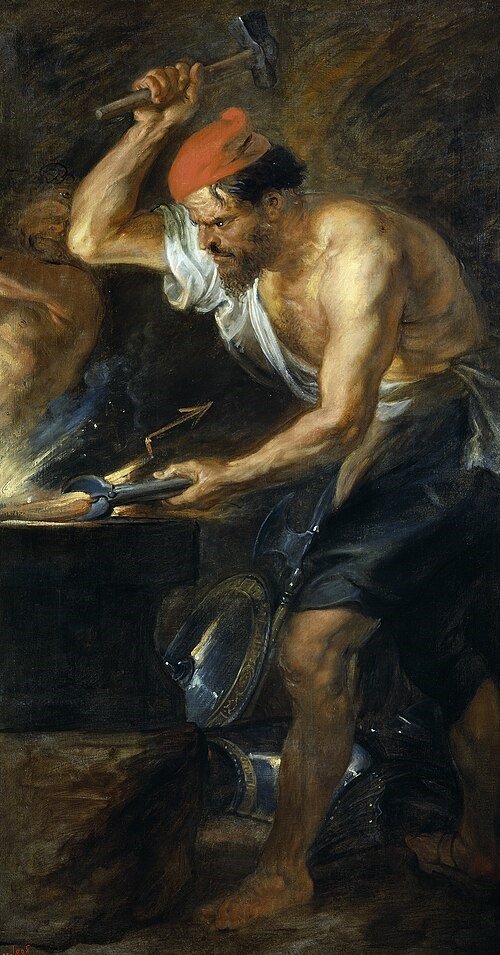
Vulcan was the god of fire, metalworking and the blacksmith’s forge, the Roman Hephaestus. His workshop was thought to lie beneath Mount Etna in Sicily.
The Romans also feared his destructive side, and his festival was meant to keep fires away from the city’s grain stores. His name gave us the word “volcano”.
11. Mars, god of war and father of Rome
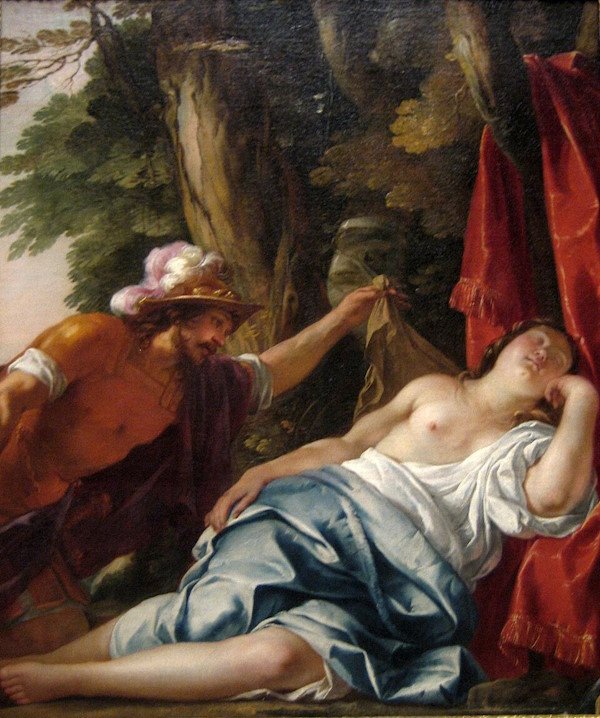
Mars was the Roman version of Ares, but far more respected. As the father of Romulus and Remus, the legendary founders of Rome, he was second only to Jupiter in importance.
The Roman year originally began in his month, March, at the start of the campaign season. The red planet is named after him, as is the word “martial”.
12. Mercury, god of trade and travelers
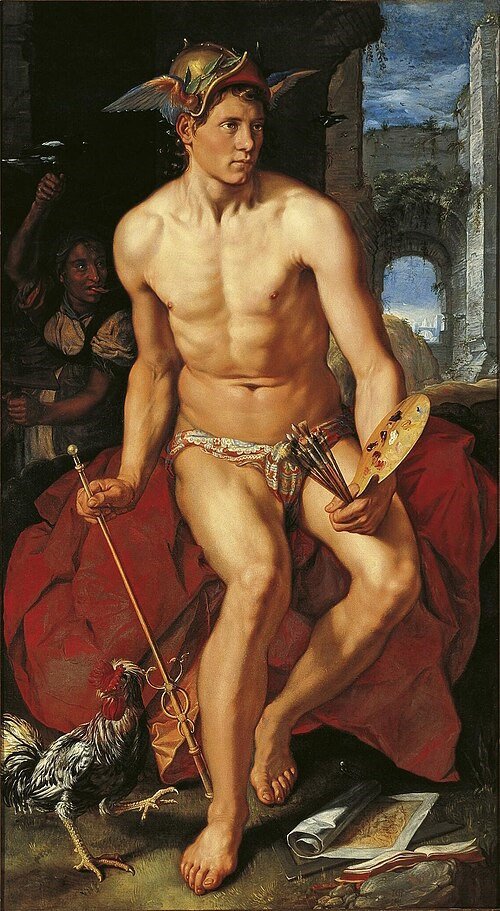
Mercury, the Roman Hermes, was the messenger of the gods and the patron of merchants, travelers, communication and thieves. His name is connected to the Latin word for goods, “merx”.
The smallest and fastest planet is named after him, as is the liquid metal that seems to race around when you spill it.