Every world map is a snapshot of a specific moment in history. Even within living memory, familiar country names, flags, and borders have vanished through peaceful reunifications, constitutional reforms, or the collapse of multinational federations.
Here are ten countries and autonomous unions that disappeared from the map between the mid-1970s and the early twenty-first century.
10. South Vietnam (Until 1976)
After the Partition of Vietnam at the 17th parallel in 1954, the Republic of Vietnam (South Vietnam) spent two decades locked in war against the communist North. While Saigon fell to North Vietnamese troops on April 30, 1975 amid dramatic rooftop helicopter evacuations, the southern territory was briefly governed by a provisional revolutionary administration until July 2, 1976, when North and South were formally merged into the Socialist Republic of Vietnam and Saigon was renamed Ho Chi Minh City.
9. East Germany / GDR (Until 1990)
For forty-one years, the German Democratic Republic (GDR) stood on the front line of the Cold War behind the Berlin Wall and the Iron Curtain.
Once East Berlin border guards opened the wall on the night of November 9, 1989, the state unraveled with astonishing speed. Rather than drafting a brand-new constitution for a merged country, East Germany’s five recreated federal states simply acceded to the Federal Republic of Germany on October 3, 1990, erasing the GDR overnight.
8. South Yemen (Until 1990)
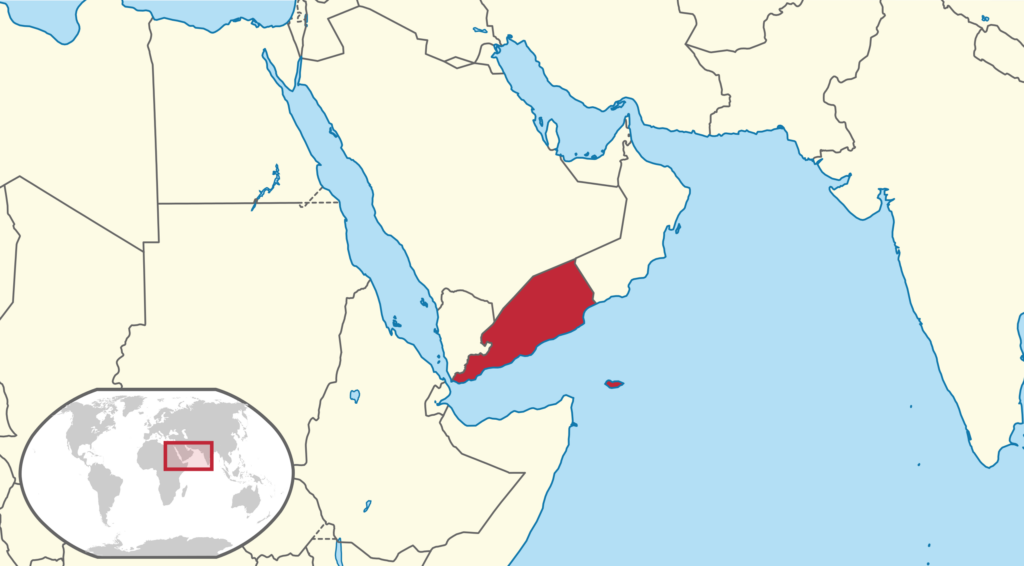
Officially named the People’s Democratic Republic of Yemen, South Yemen holds a unique place in modern history as the only avowedly Marxist-Leninist state ever established in the Arab world. Centered on the strategic port city of Aden after British withdrawal in 1967, the regime relied heavily on economic and military aid from Moscow; when Soviet support dried up at the end of the 1980s, South Yemen agreed to merge with its northern neighbor on May 22, 1990.
7. Yemen Arab Republic / North Yemen (Until 1990)
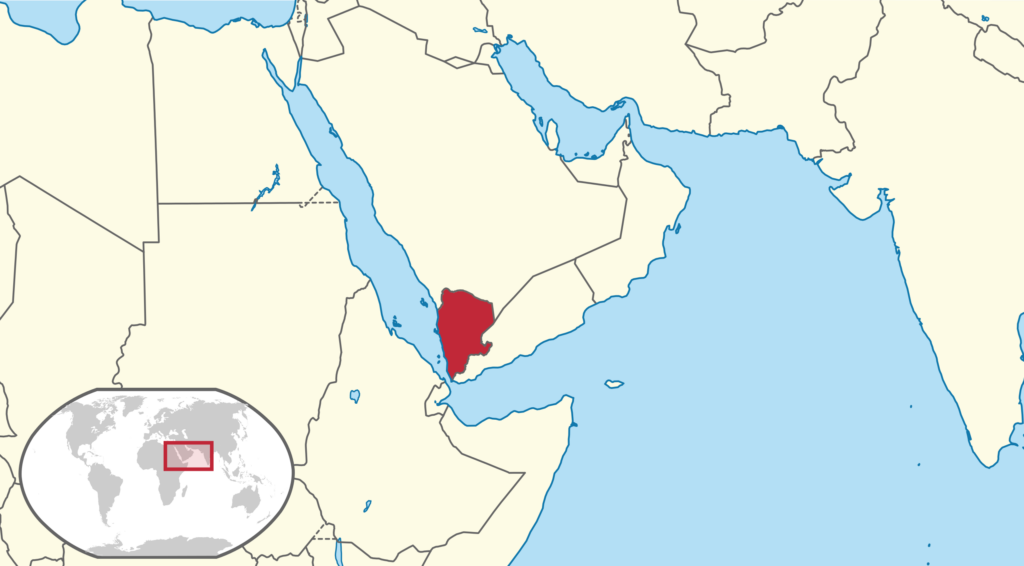
On that same day in May 1990, the Yemen Arab Republic (North Yemen) also ceased to exist as a separate entry on the map.
Governed from the ancient mountain capital of Sana’a, North Yemen had been formed in 1962 after military officers overthrew the thousand-year-old Zaidi Imamate. Although North and South united into today’s Republic of Yemen with high hopes, deep political and tribal divisions between the two former states never fully healed and continue to fuel conflict to this day.
6. The Soviet Union (Until 1991)
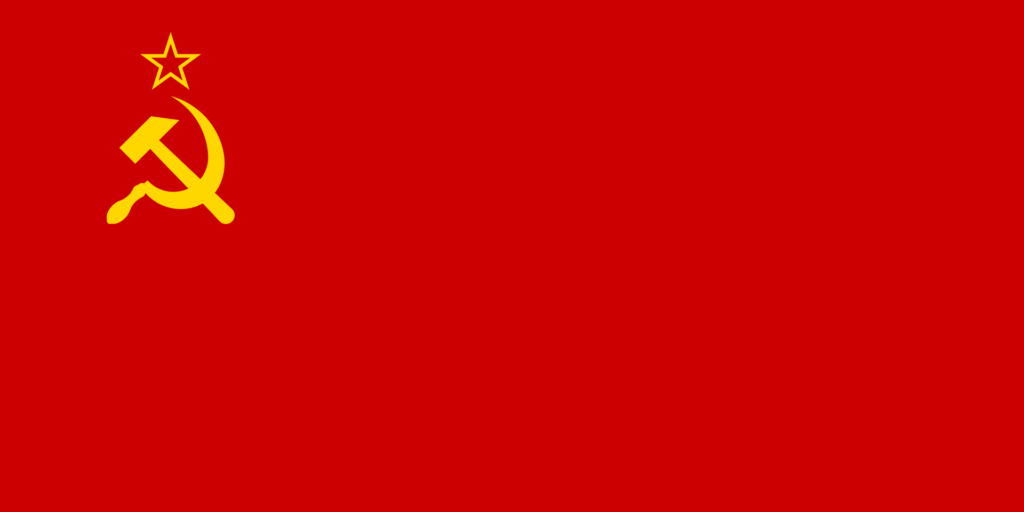
Spanning eleven time zones and one-sixth of the Earth’s land surface, the Union of Soviet Socialist Republics (USSR) was one of the two global superpowers of the twentieth century.
Stagnant central planning, the costly war in Afghanistan, and Mikhail Gorbachev’s reforms of glasnost (openness) and perestroika (restructuring) unleashed independence movements across the Baltic states, the Caucasus, and Ukraine. On Christmas Day, December 25, 1991, Gorbachev resigned and authorities lowered the hammer-and-sickle flag over the Kremlin for the last time, replacing a single superpower with fifteen independent republics.
5. Czechoslovakia (Until 1992)
Created out of the ruins of the Austro-Hungarian Empire in 1918, Czechoslovakia survived Nazi occupation and four decades of communist rule before throwing off dictatorship in the peaceful Velvet Revolution of 1989. Just three years later, Czech and Slovak political leaders peacefully dissolved their federation without firing a single shot or holding a divisive referendum, waking up on January 1, 1993 as citizens of two separate nations: the Czech Republic and Slovakia.
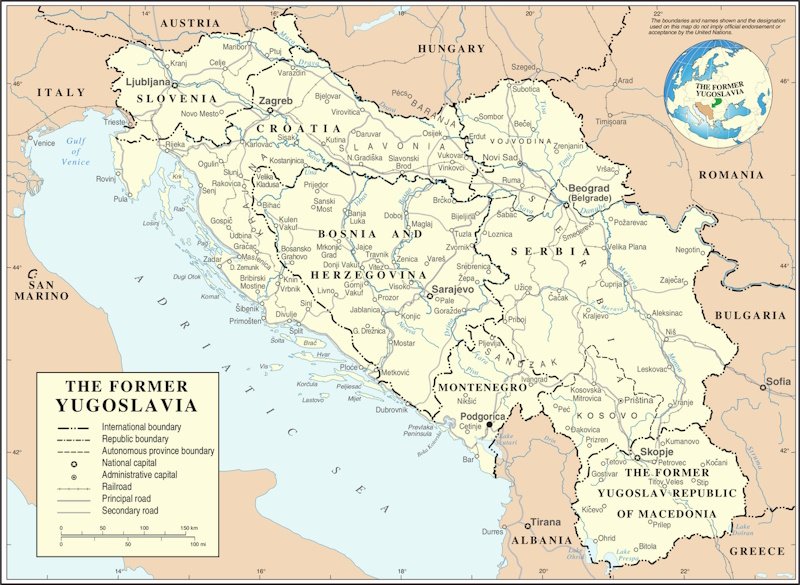
4. Yugoslavia (Until 2003)
Even after Slovenia, Croatia, Bosnia and Herzegovina, and North Macedonia broke away during the devastating Balkan wars of the early 1990s, the remaining two republics of Serbia and Montenegro continued to call their country the Federal Republic of Yugoslavia for another decade. The historic name Yugoslavia finally vanished from official maps on February 4, 2003, when Belgrade reconstituted the two republics into a loose state union.
3. Serbia and Montenegro (Until 2006)
That successor union lasted barely three years.
Built into the 2003 constitutional charter was an explicit exit clause allowing either member to hold an independence referendum after three years. Montenegrin voters narrowly passed the 55 percent threshold in May 2006, and on June 3, 2006 Montenegro declared independence, leaving Serbia and Montenegro as two separate neighbors.
2. The Netherlands Antilles (Until 2010)
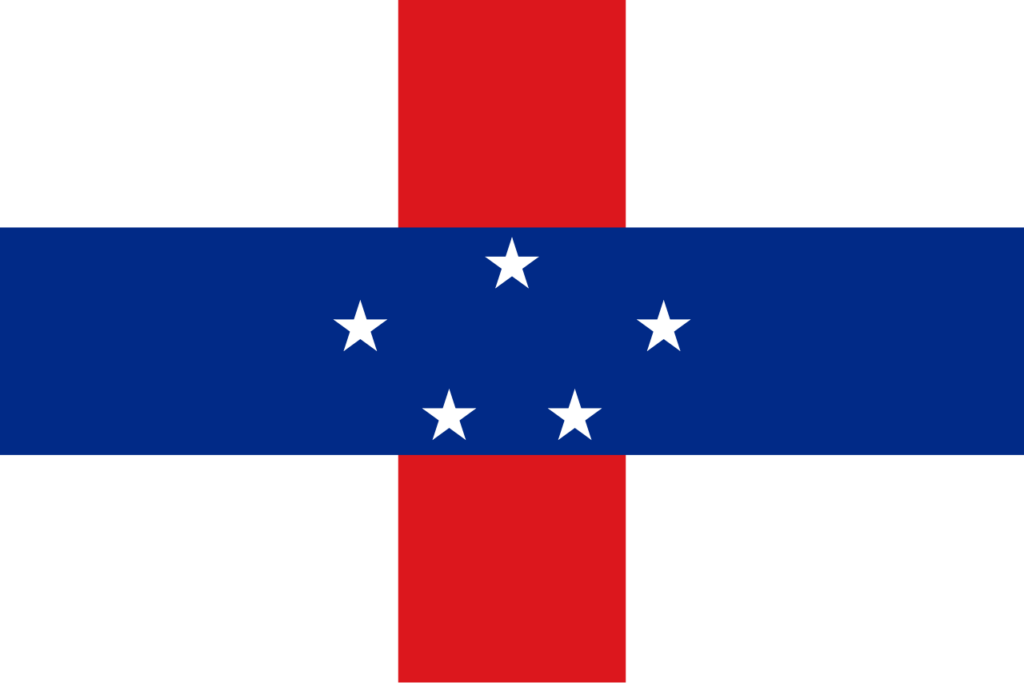
For more than half a century, the Caribbean islands of the Dutch realm were grouped together as an autonomous country called the Netherlands Antilles, with its capital in Willemstad, Curacao. After Aruba separated in 1986, the remaining five islands voted to dismantle the overarching Antillean government altogether on October 10, 2010 (a date remembered across the Kingdom as 10-10-10), turning Curacao and Sint Maarten into constituent countries while Bonaire, Sint Eustatius, and Saba became special municipalities of the Netherlands.
1. The Unified Republic of the Sudan (Until 2011)
Before 2011, Sudan was the largest country on the African continent by land area, stretching from the Egyptian desert in the north to the tropical rainforests and swamps of the Equatoria region in the south.
Following two civil wars between the Arab-dominated government in Khartoum and the predominantly Christian and animist south that claimed more than two million lives, the 2005 Comprehensive Peace Agreement granted southerners a self-determination vote. In January 2011, 98.8 percent of southern voters chose secession, and on July 9, 2011 the Republic of South Sudan became the world’s newest sovereign state, shrinking Sudan’s territory by a quarter overnight.