History textbooks focus on empires that endured for centuries, yet the margins of the world map are littered with sovereign states that vanished almost as quickly as they appeared. Some were crushed by invading armies within days, others collapsed from internal division, and a few functioned purely as a brief legal stepping stone between two larger powers.
What makes these fleeting nations so fascinating is that nearly all of them went through the full motions of statehood: they drafted constitutions, designed flags, appointed presidents, and appealed for international recognition. Here are ten countries whose entire existence lasted from less than a decade down to just eight seconds.
10. The Republic of Texas (Nearly 10 Years: 1836 to 1846)
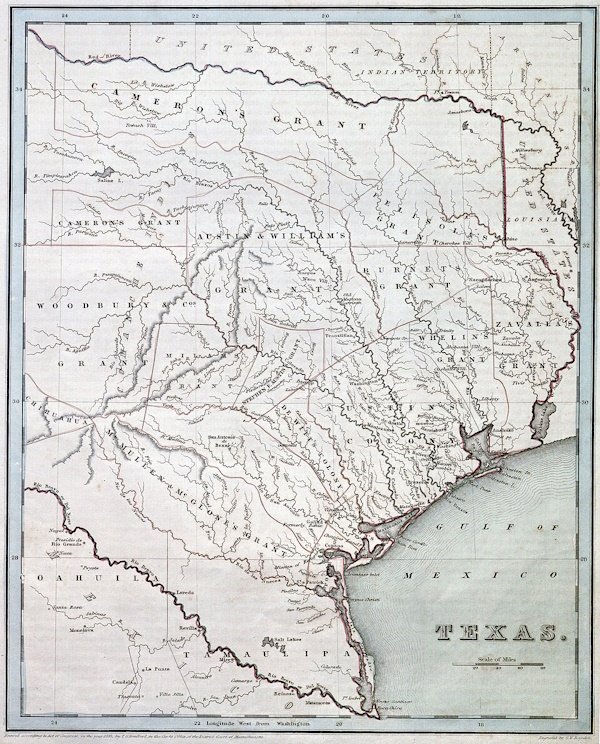
Before becoming the 28th state of the United States, Texas spent nearly a decade as a fully independent nation. Declaring independence from Mexico on March 2, 1836 during the Texas Revolution, the young republic elected Sam Houston as president, adopted the iconic Lone Star flag, and received diplomatic recognition from the United States, France, and the United Kingdom.

Running an independent frontier state proved exhausting: crippled by heavy public debt, Comanche raids, and repeated Mexican military incursions, Texan voters approved annexation by the United States in 1845, formally handing over sovereignty in February 1846.
9. The Republic of Biafra (2.5 Years: 1967 to 1970)
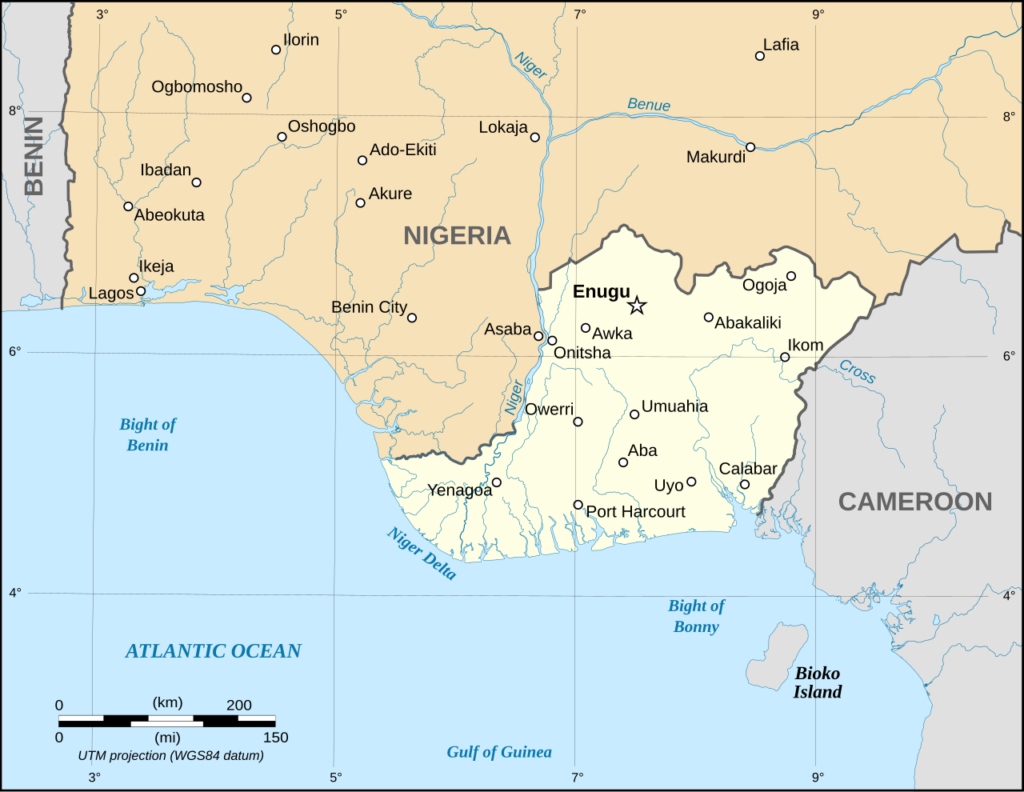
On May 30, 1967, following military coups and deadly pogroms against ethnic Igbo citizens in northern Nigeria, military governor Odumegwu Ojukwu proclaimed the independent Republic of Biafra in Nigeria’s oil-rich southeast. The secession sparked a brutal 30-month civil war in which a federal Nigerian blockade cut Biafra off from food and medicine, causing a devastating famine that killed up to two million civilians before Biafran forces surrendered on January 15, 1970.
8. The Republic of Mahabad (11 Months: January to December 1946)
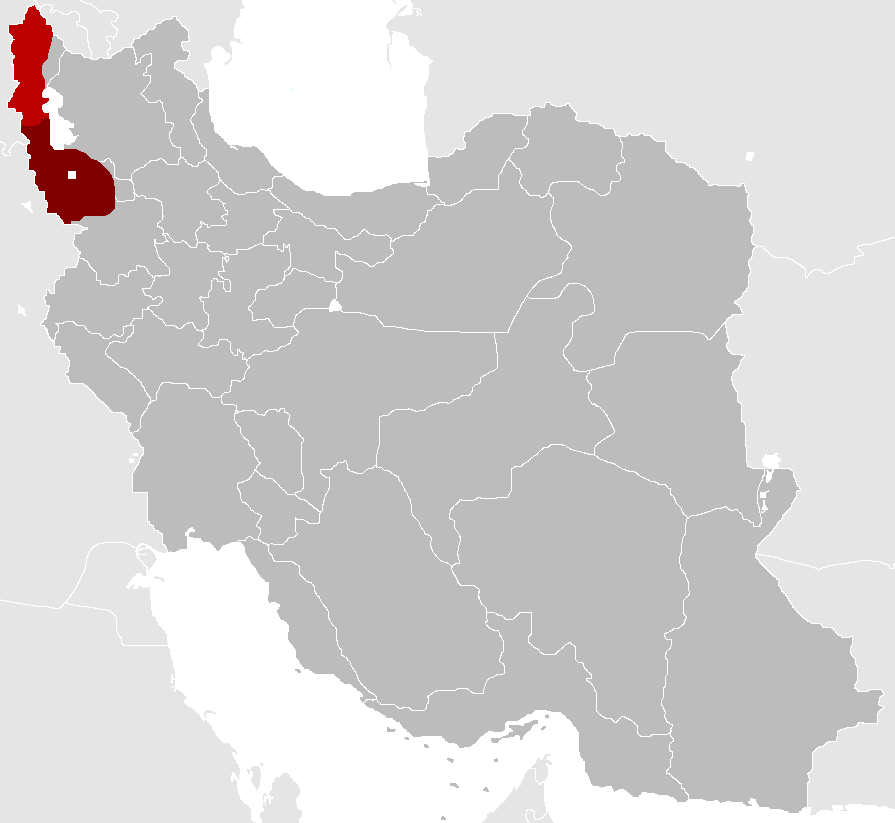
In the aftermath of World War II, while Soviet troops still occupied northern Iran, Kurdish leader Qazi Muhammad proclaimed the Republic of Mahabad on January 22, 1946. For eleven months, Mahabad printed Kurdish-language textbooks, raised a Kurdish flag, and operated its own administration, until Moscow withdrew its troops under Western diplomatic pressure and Iranian imperial forces marched back into the city in December 1946.
7. The Republic of the Rio Grande (283 Days: January to November 1840)
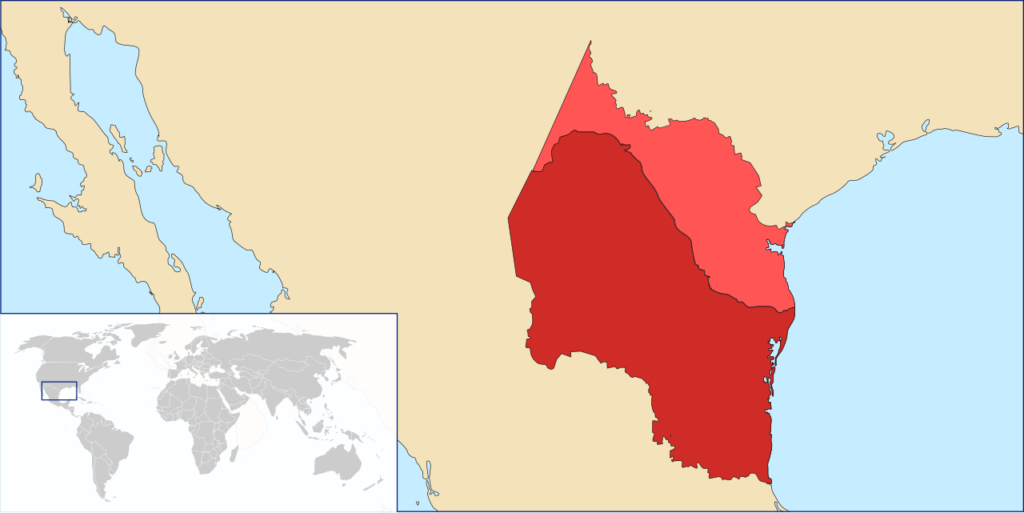
Outraged when Mexican President Antonio Lopez de Santa Anna abolished Mexico’s federalist constitution in favor of central rule from Mexico City, rebels across the northern states of Coahuila, Nuevo Leon, and Tamaulipas declared the independent Republic of the Rio Grande on January 17, 1840.
With its capital in Laredo (now in Texas) and its own three-star flag, the insurgent republic fought several pitched battles against centralist Mexican armies before surrendering on November 6, 1840 after 283 days of independence.
6. The Republic of Formosa (151 Days: May to October 1895)
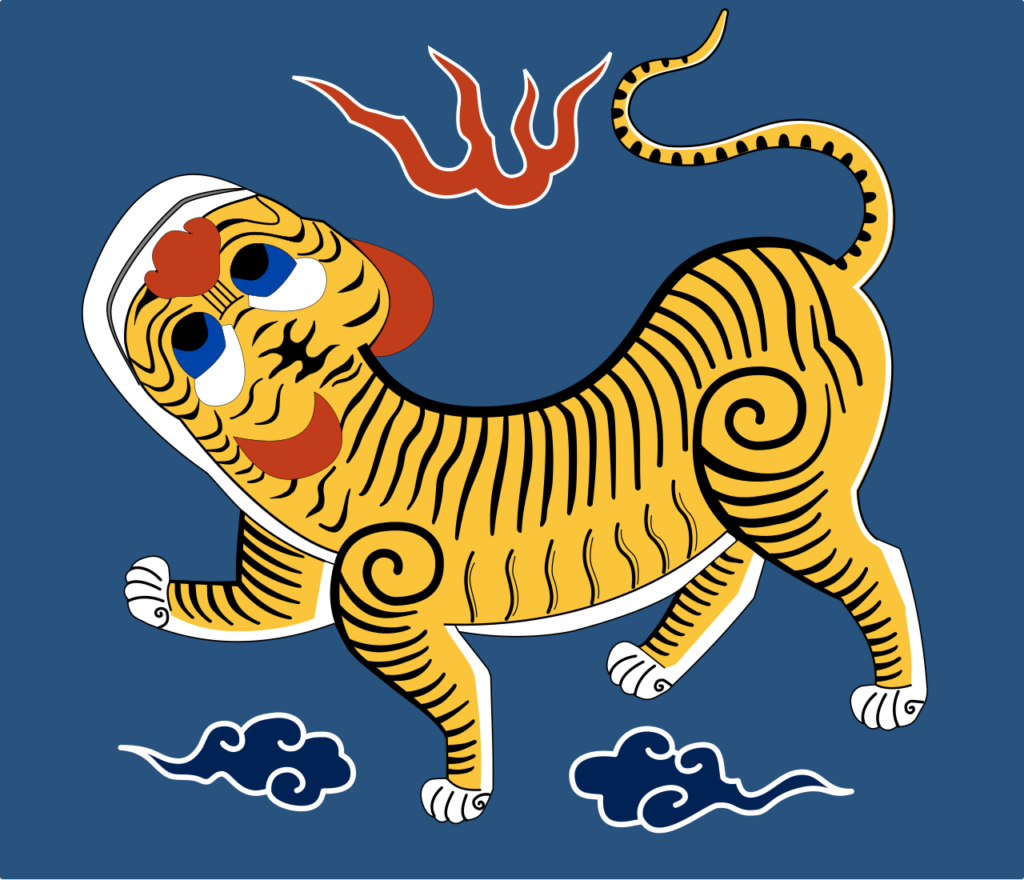
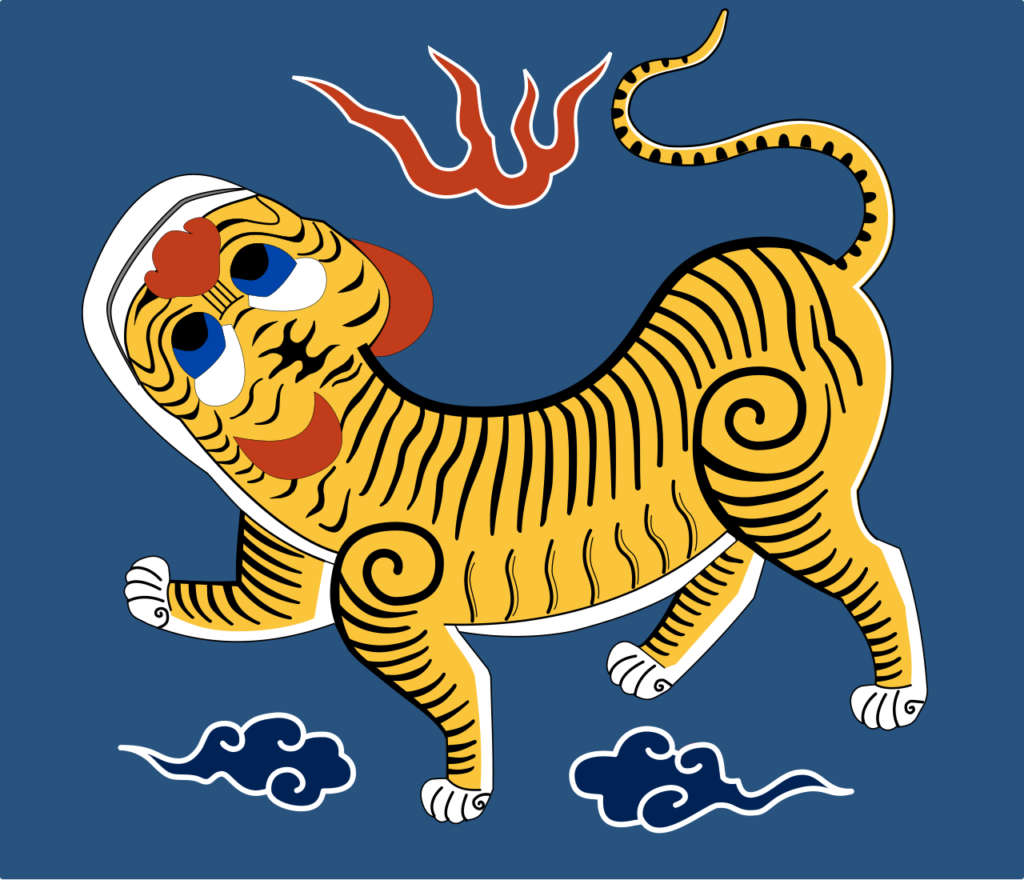
When the Qing Dynasty ceded the island of Taiwan (Formosa) to the Empire of Japan under the Treaty of Shimonoseki in April 1895, pro-Qing officials and local gentry on the island hatched a desperate plan: by declaring Taiwan an independent republic on May 23, 1895 under a yellow tiger flag, they hoped Western powers would intervene to prevent a Japanese takeover. No foreign fleet came to their rescue, and Japanese troops landed days later, capturing Tainan and extinguishing Asia’s shortest-lived republic after 151 days.
5. The Transcaucasian Democratic Federative Republic (36 Days: April to May 1918)
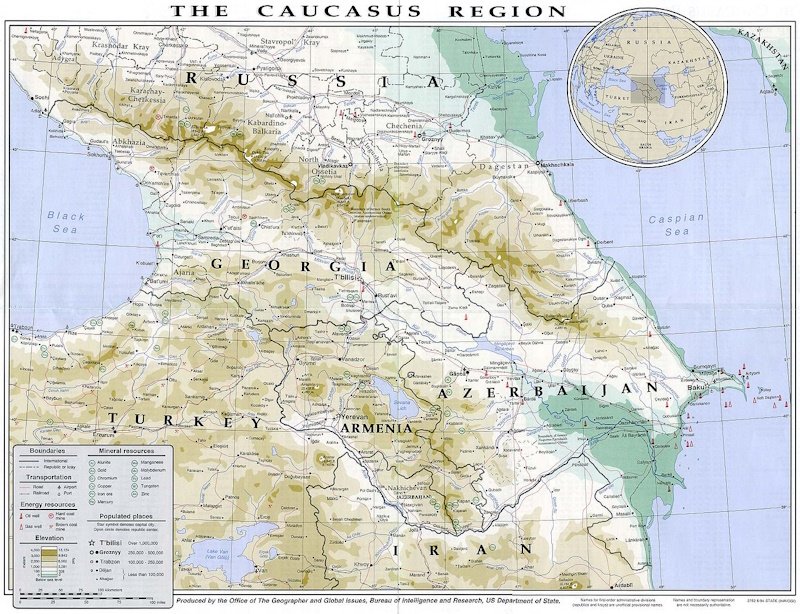
Caught between the collapse of the Russian Empire in the Bolshevik Revolution and advancing Ottoman armies during World War I, Georgia, Armenia, and Azerbaijan banded together on April 22, 1918 to form a single Transcaucasian Federation with its capital in Tbilisi.
The union was doomed from day one. With the three partners pulling in opposite diplomatic directions (Georgia seeking German protection and Azerbaijan allied with the Ottomans), Georgia declared separate independence on May 26, 1918, followed two days later by Armenia and Azerbaijan, ending the federation after just five weeks.
4. Carpatho-Ukraine (1 Day: March 15 to 16, 1939)
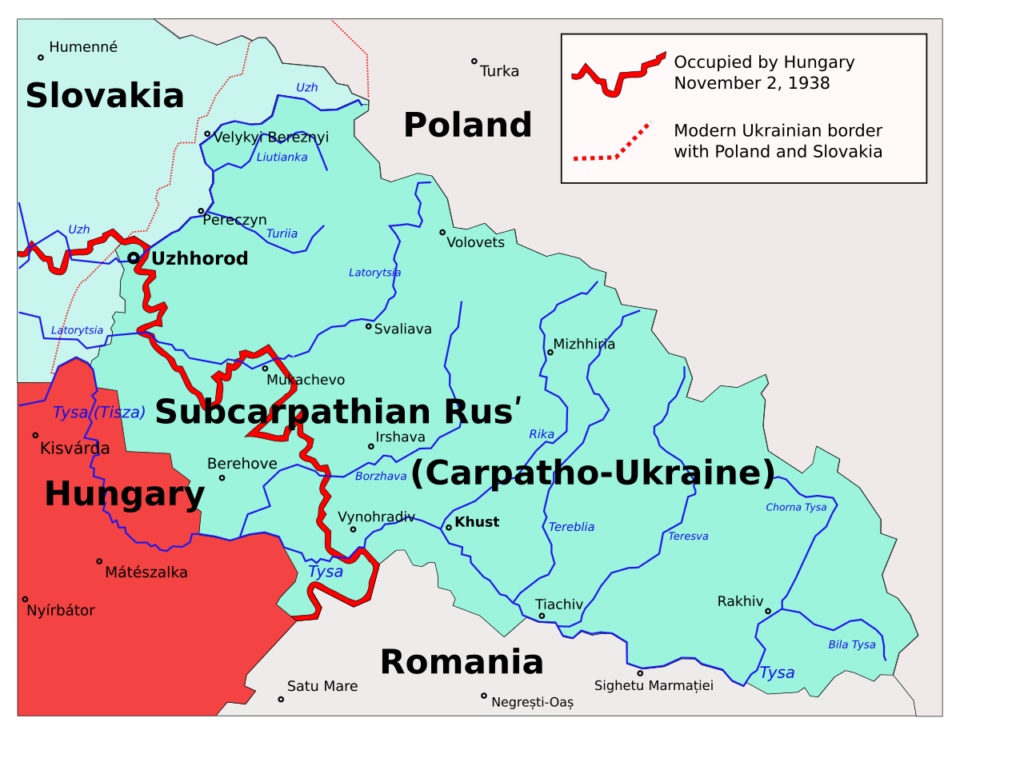
On the exact day Nazi Germany occupied Prague and dismantled Czechoslovakia (March 15, 1939), the autonomous eastern mountain region of Carpatho-Ukraine declared full independence in the town of Khust under President Avgustyn Voloshyn, adopting the blue-and-yellow Ukrainian flag and national anthem. Hungarian troops had already crossed the border that very morning, overrunning Khust the next day and annexing the territory within hours.
3. The Republic of Crimea (1 Day: March 17 to 18, 2014)
Not every short-lived state fails on the battlefield; some are designed from the start to last only 24 hours. Following Russia’s military takeover of the Ukrainian peninsula and a disputed local referendum in March 2014, authorities in Simferopol proclaimed the sovereign Republic of Crimea on March 17, 2014 solely so that it could sign an accession treaty as an ostensibly independent state with Moscow the very next day, March 18, 2014.
2. The Republic of Benin (7 Hours: September 19, 1967)
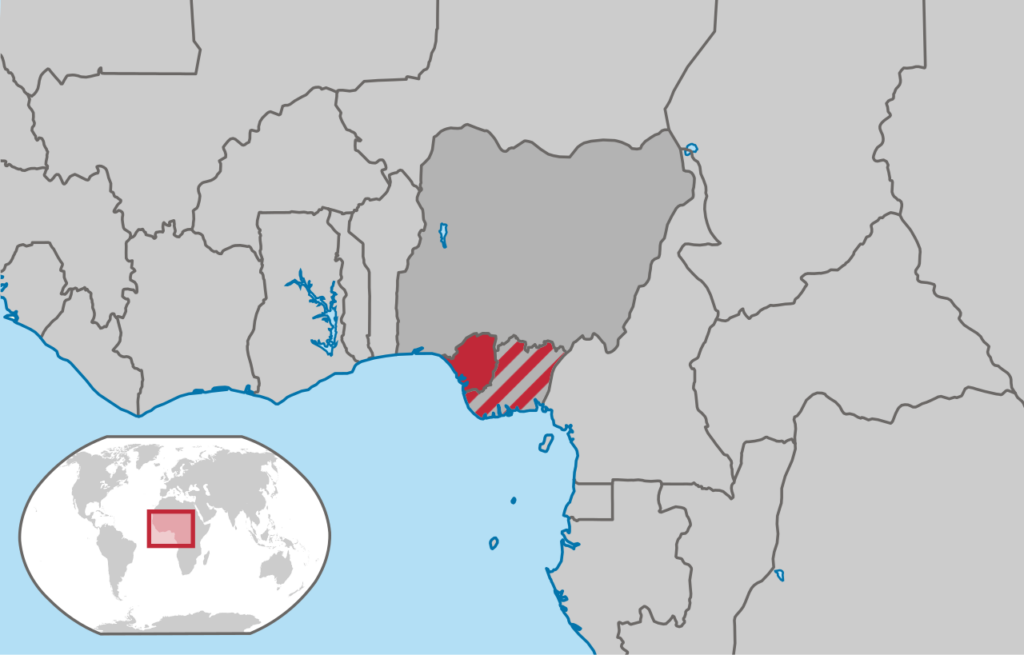
Not to be confused with the modern West African country of Benin, this fleeting state was proclaimed in Benin City inside Nigeria’s Mid-Western Region during the Nigerian Civil War. After Biafran troops occupied the region in August 1967, American-educated physician Albert Okonkwo declared the independent Republic of Benin at 7:00 a.m. on September 19, 1967 as a friendly buffer state alongside Biafra.
Even as Okonkwo read his radio proclamation, Nigerian federal soldiers were marching into the outskirts of Benin City. By 2:00 p.m. that same afternoon, federal troops captured the city and the seven-hour republic vanished into history.
1. The Catalan Republic (8 Seconds: October 10, 2017)
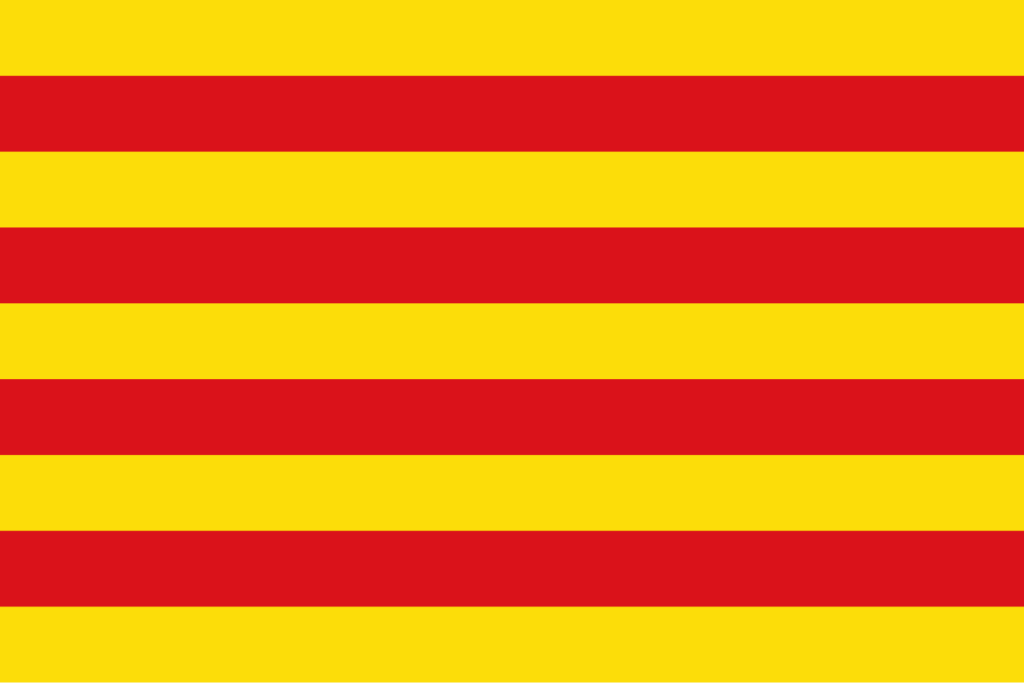
The shortest declaration of independence in modern history lasted barely a breath.
On October 10, 2017, nine days after a turbulent and contested independence referendum in Catalonia, regional president Carles Puigdemont addressed the Catalan Parliament in Barcelona. Declaring that he accepted the mandate of the people for Catalonia to become an independent state in the form of a republic, Puigdemont paused for roughly eight seconds before immediately asking parliament to suspend the declaration so negotiations could take place with Madrid. When the parliament voted for a unilateral declaration seventeen days later on October 27, the Spanish government immediately invoked Article 155 of the constitution, dissolved the regional cabinet, and assumed direct control.