Nobody wants to think about a third world war, but rising geopolitical tensions and nuclear modernization have made the question of where to go in a global crisis far less theoretical. If global trade collapsed and major alliances went to war, which countries would offer the best chance of survival?
Drawing on the Global Peace Index and a landmark University of Otago study on nations capable of feeding themselves during a nuclear winter, here are the 10 safest countries in the event of a world war, along with each country’s hidden vulnerabilities.
10. Bhutan
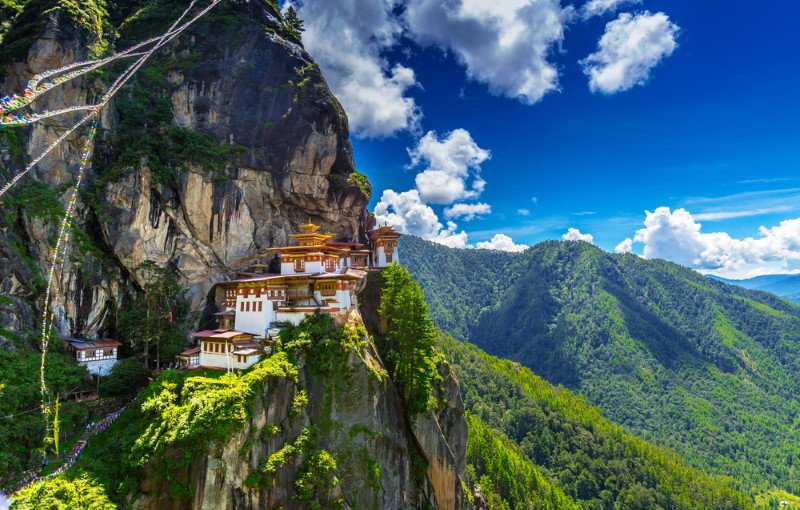
Tucked high in the eastern Himalayas, the Kingdom of Bhutan is a natural mountain fortress that would be nearly impossible for any army to invade overland. Guided by its famous philosophy of Gross National Happiness, Bhutan avoids foreign entanglements and doesn’t even maintain formal diplomatic ties with any of the permanent members of the UN Security Council.
Its weak spot is its neighborhood: Bhutan sits wedged directly between two nuclear-armed rivals, China and India, who have clashed along disputed Himalayan borders, and the country relies heavily on India for fuel and food imports.
9. Costa Rica
Costa Rica has been an island of stability in Central America for decades. In 1948, the country abolished its military altogether and redirected its defense budget into healthcare, education, and environmental protection, before declaring permanent neutrality in 1983.
Because it hosts no military bases or strategic targets, no superpower has any reason to attack it. However, Costa Rica imports much of its grain and refined fuel and is economically tied to the United States, meaning a global supply chain collapse would hit local stores quickly.
8. Chile
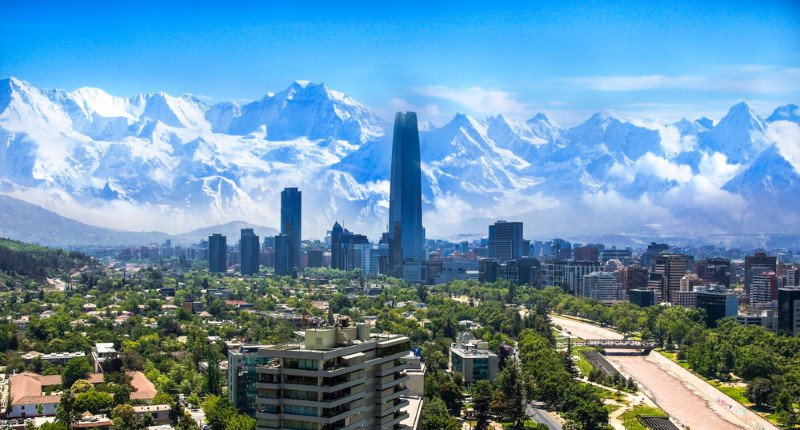
Situated in the Southern Hemisphere far from the likely flashpoints of North America, Europe, and East Asia, Chile is protected by the towering Andes Mountains to the east and the vast Pacific Ocean to the west.
With rich agricultural valleys, fisheries, and fresh water from Andean glaciers, Chile produces far more food than its population consumes. Its greatest threats are natural rather than military: sitting along the Pacific Ring of Fire, Chile regularly experiences powerful earthquakes and volcanic eruptions.
7. Switzerland
Switzerland has maintained armed neutrality since the Congress of Vienna in 1815, staying out of both World Wars and declining to join NATO. Surrounded by the Alps, the country is famously prepared for the worst: since the 1960s, Swiss law has required fallout shelter space for every single resident, giving the country enough underground bunkers to house more than 100 percent of its population.
The catch is geography and food: sitting right in the middle of Europe, Switzerland is surrounded by NATO members and only produces about half of the calories its population eats.
6. Ireland
Ranked the second most peaceful country in the world on the Global Peace Index, Ireland has practiced military neutrality since the 1930s and is not a member of NATO. As a fertile agricultural island on the western edge of Europe, Ireland produces a huge surplus of dairy, beef, and crops.
Its vulnerability is its proximity to the United Kingdom and its tiny defense force: lacking fighter jets of its own, Ireland relies on the British Royal Air Force to police its airspace, which could pull the island into a European conflict against its will.
5. Canada
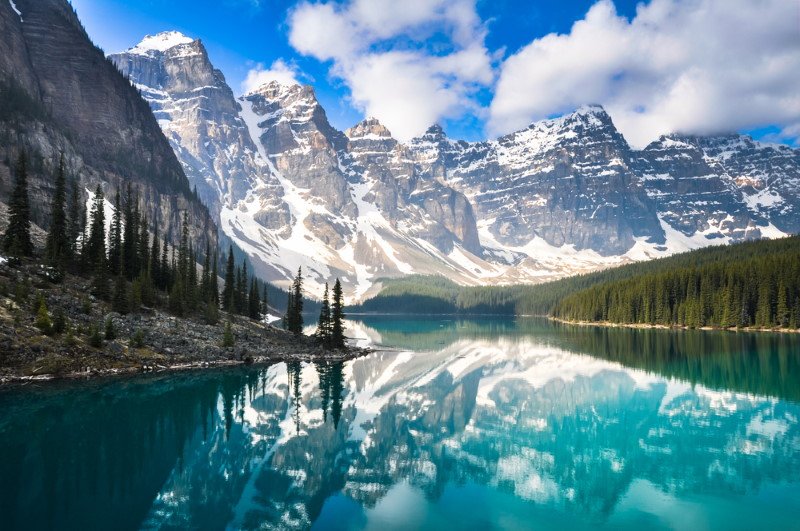
As the second-largest country on Earth, Canada possesses almost limitless wilderness, vast reserves of fresh water, oil, timber, and enough farmland to feed its population many times over. Anyone seeking isolation could head thousands of kilometers north into Yukon or the Northwest Territories.
Politically, however, Canada is anything but neutral: it is a founding member of NATO, shares the NORAD air defense command with the United States, and sits directly underneath the Arctic flight path that intercontinental missiles would take between Russia and the U.S.
4. Vanuatu
Located in the South Pacific Ocean thousands of kilometers from any nuclear power, the island nation of Vanuatu was singled out by the University of Otago study as one of the few countries that could continue producing enough food for its people even during the sun-blocking soot of a nuclear winter.
Most residents already rely on small-scale subsistence farming and coastal fishing rather than complex industrial supply chains, though the islands face frequent tropical cyclones and earthquakes.
3. Australia
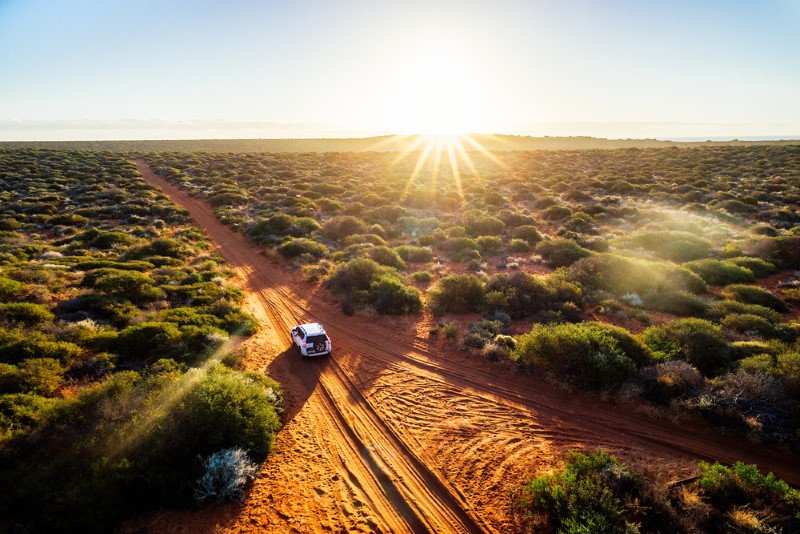
An entire continent surrounded by ocean in the Southern Hemisphere, Australia is virtually impossible to invade and produces enough wheat, cattle, and sheep to feed roughly triple its own population. In the Otago nuclear winter study, Australia scored at the very top for calorie self-sufficiency.
The major drawback is its military alliances: through ANZUS and the AUKUS nuclear submarine pact, Australia is a key strategic ally of the United States and hosts the joint U.S.-Australian intelligence base at Pine Gap, making it a potential target in a Pacific war.
2. Iceland
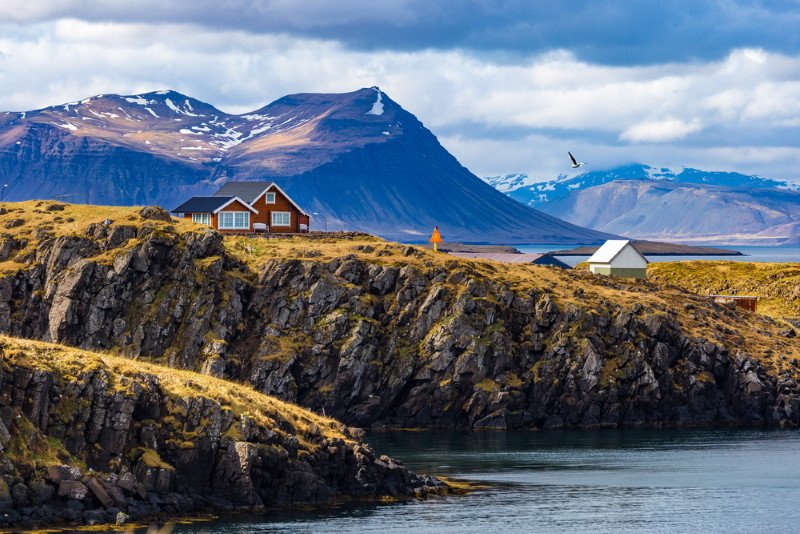
Iceland has topped the Global Peace Index as the world’s most peaceful nation every year since 2008. Sitting isolated in the North Atlantic, it has no standing army, virtually no violent crime, abundant fish stocks, and nearly 100 percent renewable electricity and heating from geothermal energy and hydropower, freeing it from imported oil and gas for heating.
Still, Iceland is a founding NATO member and sits in the strategic GIUK gap between Greenland, Iceland, and the UK, where NATO aircraft regularly patrol out of Keflavík Air Base to track Russian submarines.
1. New Zealand
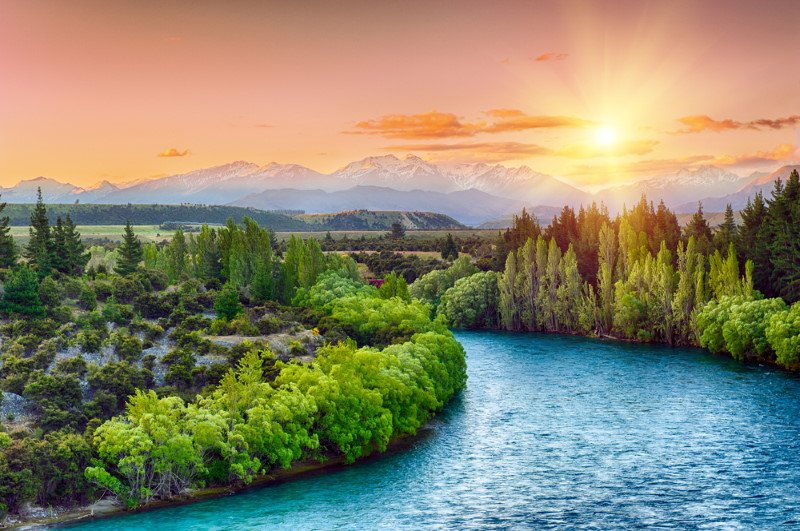
When experts rank the safest places on Earth during a global catastrophe, New Zealand almost always takes the number one spot. Isolated in the southwestern Pacific more than 1,500 kilometers from Australia, New Zealand has been a legally nuclear-free zone since 1987, ranks third on the Global Peace Index, and exports enough food to feed tens of millions of people.
Even New Zealand has an Achilles’ heel: after closing its only oil refinery at Marsden Point in 2022, the country depends entirely on foreign tankers to bring in diesel for farm tractors and food trucks. Even so, its distance from nuclear targets, mild maritime climate, and abundant farmland make it the best-positioned refuge on the planet. Where would you head if a global crisis broke out? Let us know in the comments below.