The Catholic Church recognizes more than 10,000 saints, ranging from first-century martyrs in the catacombs of Rome to modern humanitarians. While some are remembered primarily in local parishes, a select few shaped the course of Western theology, philosophy, and monastic life.
Here are the 10 most influential saints in the history of the Catholic Church.
1. Mary, Mother of God
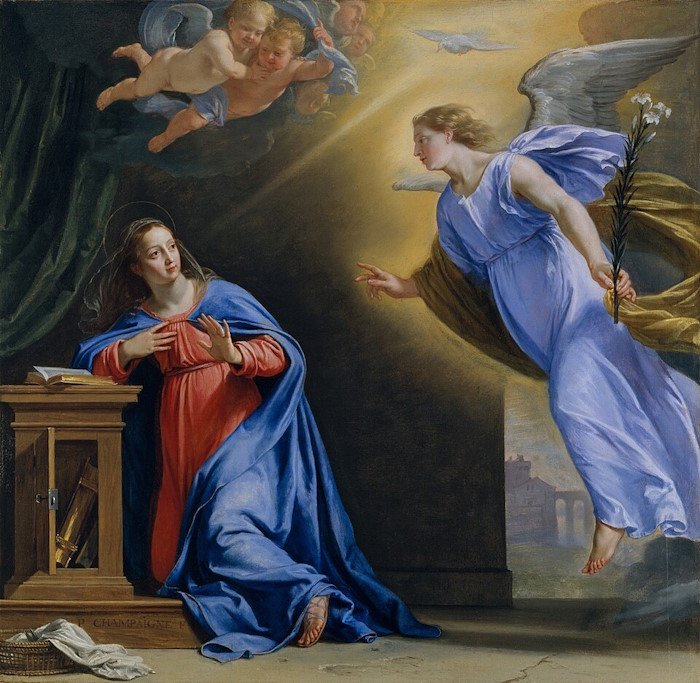
Within Catholic tradition, the Virgin Mary holds a place above all other saints, honored with a special degree of veneration known in theology as hyperdulia. Although she lived long before formal canonization procedures existed, the Council of Ephesus officially affirmed her title as Theotokos (“Mother of God”) in 431 AD.
Hundreds of Europe’s greatest cathedrals (including every Notre-Dame) were built in her honor, and Marian shrines such as Lourdes in France, Fátima in Portugal, and Guadalupe in Mexico draw tens of millions of pilgrims every year.
2. Saint Peter
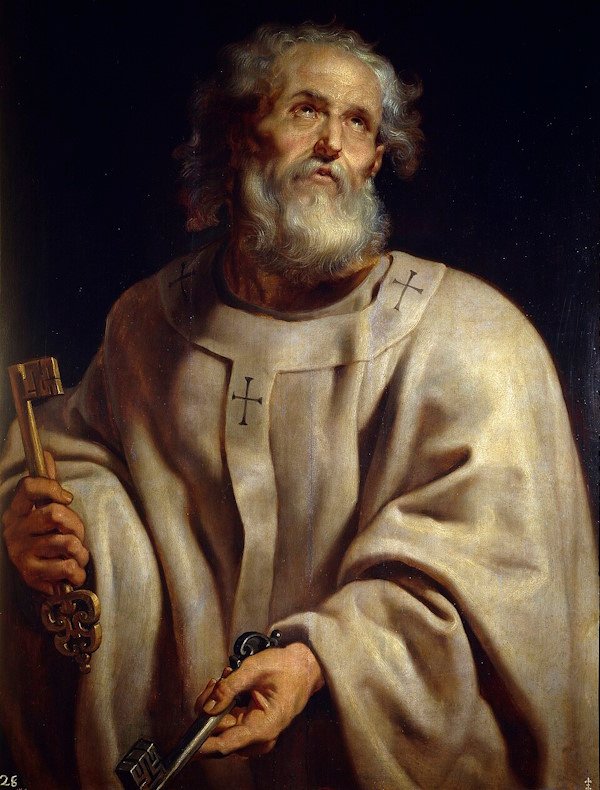
Originally a Galilean fisherman named Simon, Peter was called by Jesus to be the leader of the Twelve Apostles and the “rock” upon which the Church would be built. In Catholic tradition, he is recognized as the first Bishop of Rome and the first Pope, holding the symbolic keys to the Kingdom of Heaven.
After leading the early Christian community in Jerusalem and Rome, Peter was martyred around 64 AD during the persecutions of Emperor Nero. According to ancient Christian accounts, he asked to be crucified upside down because he felt unworthy to die in the exact same manner as Christ.
3. Saint Paul
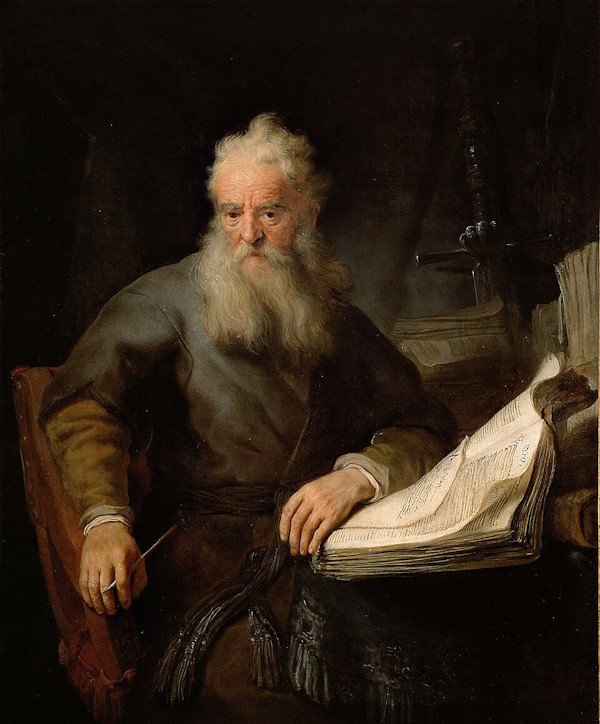
Born Saul of Tarsus, a Roman citizen and zealous Pharisee, Paul initially persecuted the early followers of Jesus until a dramatic vision on the road to Damascus changed his life forever.
Becoming the “Apostle to the Gentiles”, Paul traveled thousands of miles across Asia Minor, Greece, and Rome, establishing Christian communities open to non-Jews. His thirteen New Testament epistles laid the core theological foundation of Christian doctrine.
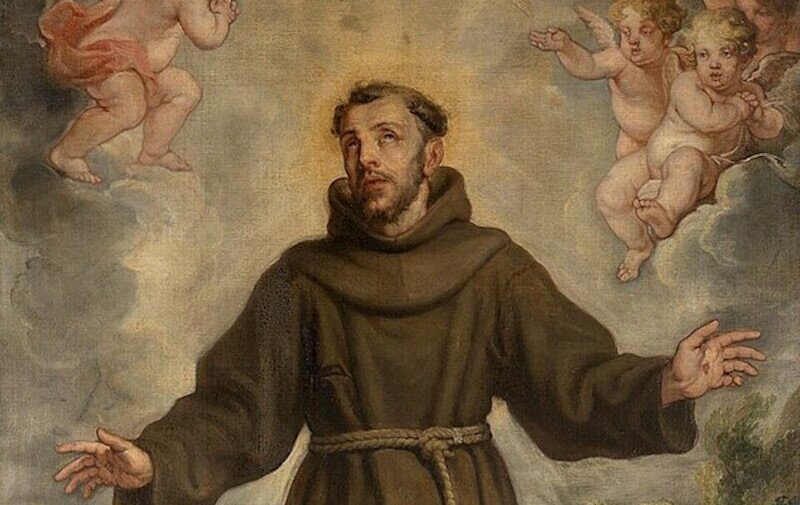
4. Saint Francis of Assisi
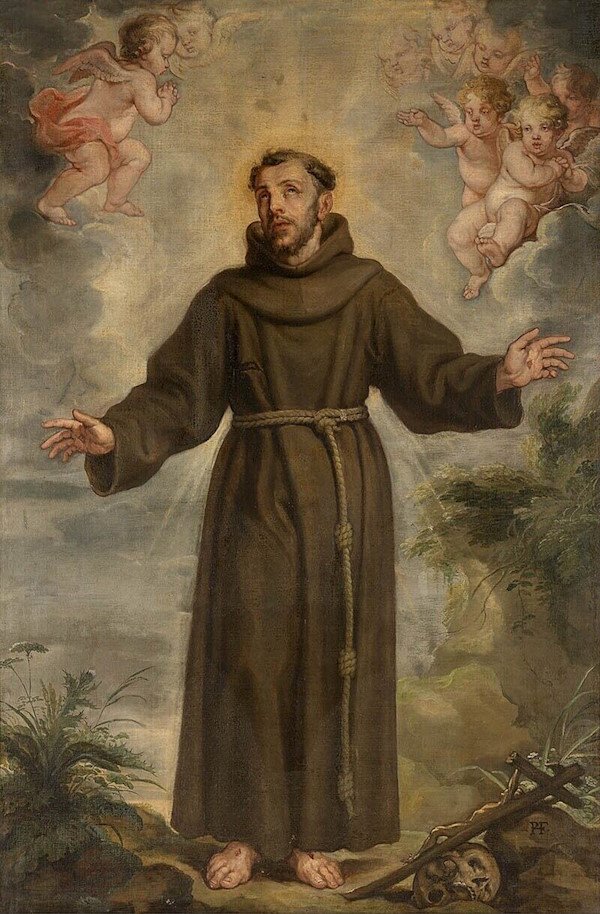
Born into a wealthy silk merchant’s family in Umbria in 1181, Francis renounced his inheritance in the public square of Assisi to live in complete poverty, preaching peace, caring for lepers, and seeing all of nature as his brothers and sisters.
He founded the Franciscan Order, staged the first live Nativity scene in 1223, and composed the Canticle of the Sun, one of the earliest works of literature written in the Italian vernacular. Eight centuries later, Cardinal Jorge Mario Bergoglio chose his papal name, Pope Francis, in his honor.
5. Saint Augustine of Hippo
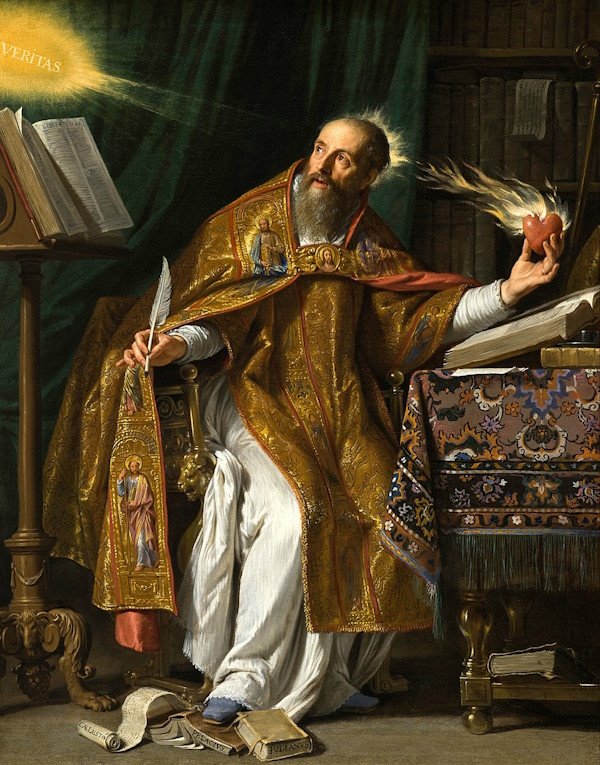
Born in Roman North Africa in 354 AD, Augustine spent his youth studying rhetoric and philosophy while wrestling with skepticism and worldly ambition before converting to Christianity in Milan at age 31.
As Bishop of Hippo, he bridged classical Greco-Roman philosophy and Christian theology. His Confessions is widely considered the first Western autobiography, and his treatise The City of God shaped Christian thought on grace, original sin, and just war for over a millennium.
6. Saint Thomas Aquinas
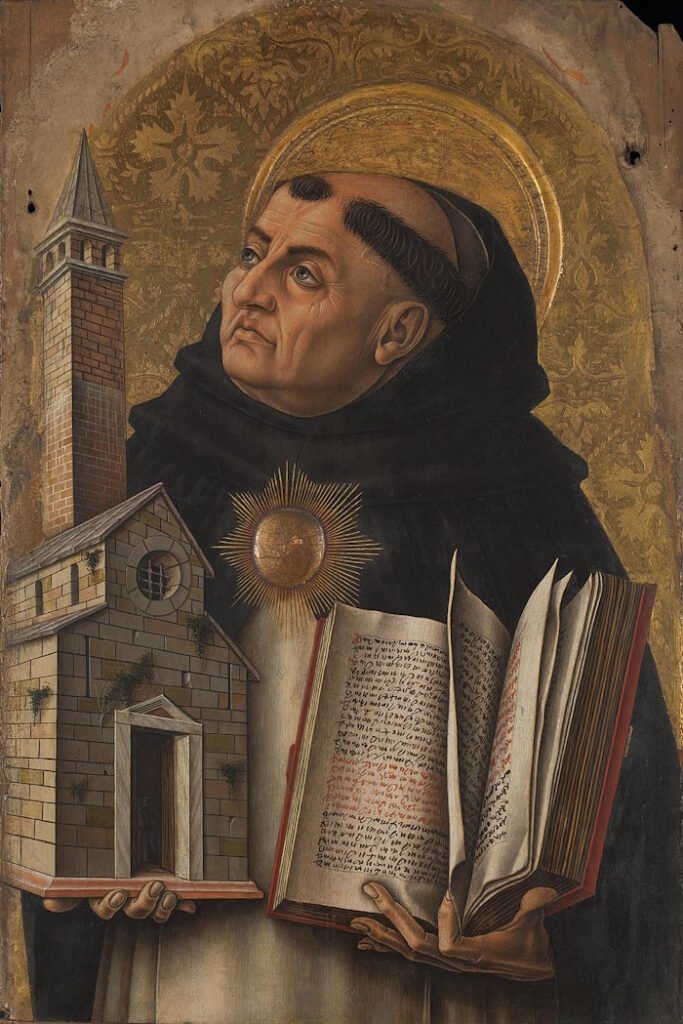
In the 13th century, the newly rediscovered works of the Greek philosopher Aristotle sparked a crisis in medieval universities, as scholars wondered whether pagan logic contradicted Christian faith. The Italian Dominican friar Thomas Aquinas answered that challenge by uniting the two.
In his massive Summa Theologiae, Aquinas argued that reason and faith both come from God and work together in harmony. Known as the Doctor Angelicus (“Angelic Doctor”), he remains the most influential philosopher and theologian in Catholic history.
7. Saint Teresa of Ávila
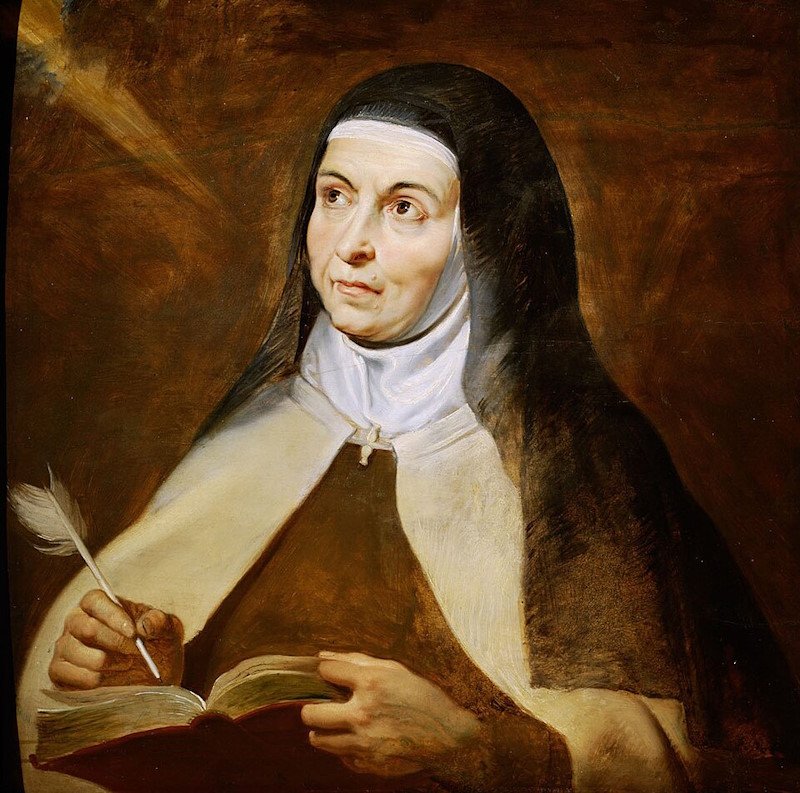
In 16th-century Spain, Carmelite nun Teresa of Ávila set out to reform her religious order, founding the Discalced (“barefoot”) Carmelites alongside Saint John of the Cross to return convent life to strict simplicity and contemplative prayer.
Despite battling chronic illness and suspicion from the Spanish Inquisition, she wrote The Interior Castle, an enduring guide to Christian mysticism that compares the soul to a crystal castle of seven chambers. In 1970, Pope Paul VI named her the first female Doctor of the Church.
8. Saint Ignatius of Loyola
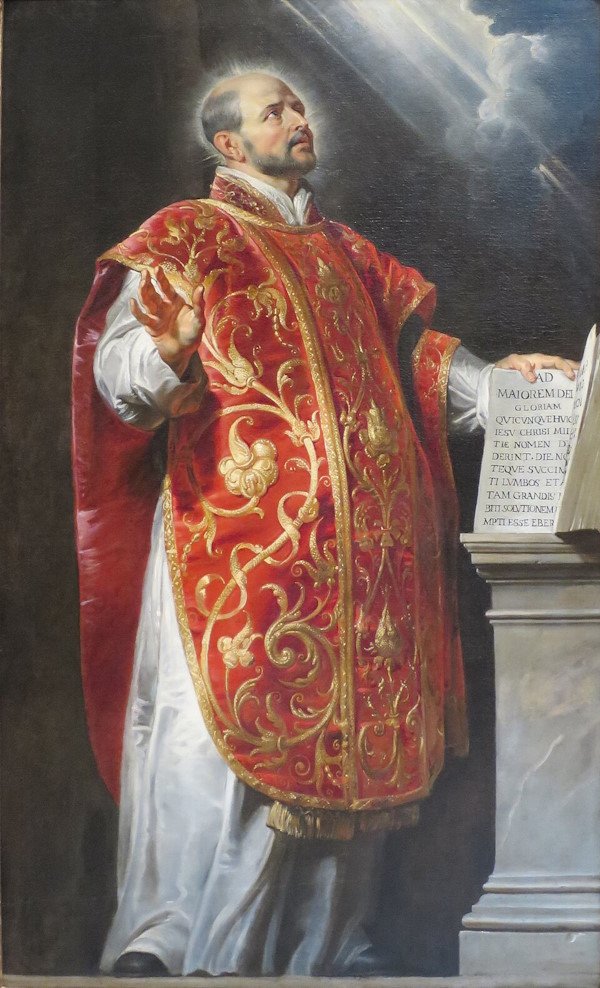
In 1521, a French cannonball shattered the leg of Basque nobleman and soldier Íñigo López de Loyola at the Battle of Pamplona. Confined to bed for months during a painful recovery, the only reading material available in the castle was a book on the life of Christ and the saints.
Trading his knightly armor for a pilgrim’s sackcloth, Ignatius wrote the Spiritual Exercises and co-founded the Society of Jesus (the Jesuits) in 1540, an order that built a global network of schools, universities, and missions during the Counter-Reformation.
9. Saint Benedict of Nursia
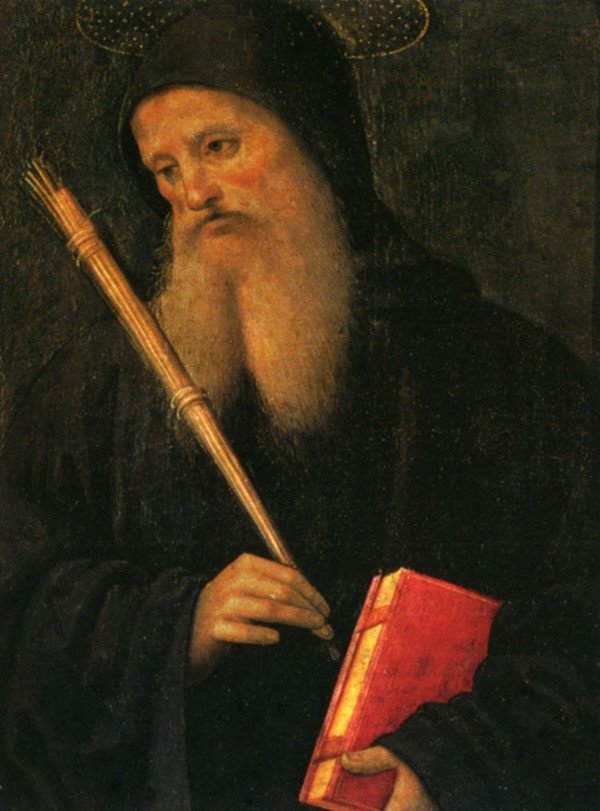
Born around 480 AD as the Western Roman Empire collapsed, Benedict left his studies in Rome to live as a hermit in a cave at Subiaco before founding the famous monastery of Monte Cassino.
To govern his monks, he wrote the Rule of Saint Benedict, a balanced guide built around the motto ora et labora (“pray and work”). Adopted across Europe, Benedictine monasteries preserved classical manuscripts, agriculture, and literacy throughout the Early Middle Ages, earning Benedict the title Patron Saint of Europe.
10. Saint Jerome
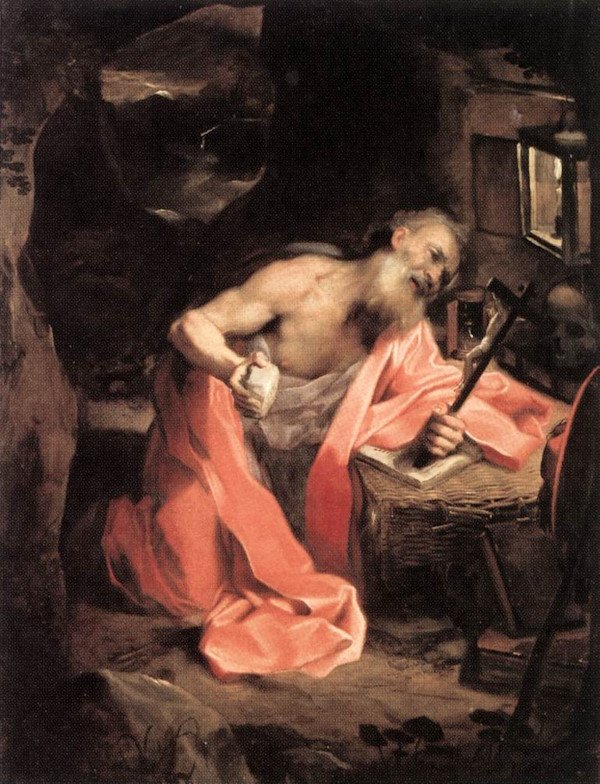
Commissioned by Pope Damasus I in 382 AD to standardize the jumble of Latin Bible translations circulating at the time, the scholar Jerome moved to a cave near Bethlehem and spent decades translating the Old Testament directly from Hebrew alongside the Greek New Testament.
His Latin translation, known as the Vulgate, served as the official biblical text of Western Christianity for more than a thousand years. Which historical figure on this list do you find most interesting? Let us know in the comments below.