Chinese mythology is an complex cultural tradition stretching back over five millennia, blending Taoist cosmology, Buddhist philosophy, Confucian ethics, and lively folk traditions. These ancient tales explain the cosmic origins of the world, celebrate clever folk heroes, and highlight the delicate harmony between humanity and nature.
Sinological records at the World History Encyclopedia reveal how these timeless legends shaped national holidays, festivals, and architectural customs still practiced across the globe today. Here are the 10 most famous Chinese myths and legends.
10. Guardian Temple Lions (Shishi / Foo Dogs)
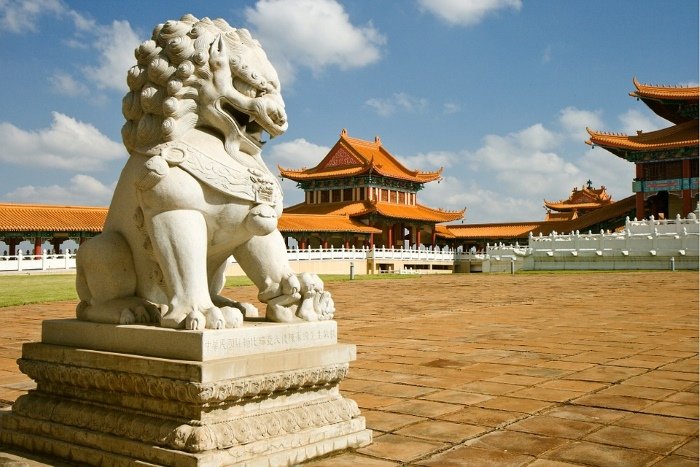
Flanking the entrance gates of imperial palaces, Buddhist temples, and traditional homes, carved stone lions known as Shishi provide spiritual protection. Always positioned in pairs, the male lion rests his paw on an embroidered sphere representing dominion over the world, while the female protects a playful cub underfoot.
Traditional folklore attributes supernatural vigilance to these stone sentinels, believing they actively ward off malevolent spirits, pestilence, and negative qi energy from entering sacred buildings.
9. The Jade Rabbit (Yutu on the Moon)
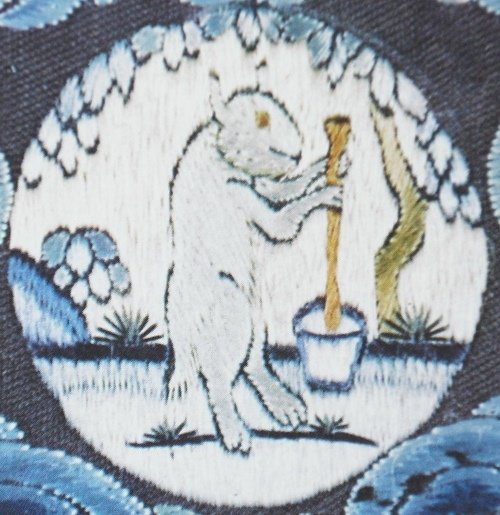
In traditional Chinese astronomy and folklore, shadows on the surface of the full moon depict the selfless Jade Rabbit standing beside the Moon Goddess Chang’e. Legend tells that the Jade Emperor tested animal virtue by begging in the disguise of a starving wanderer.
While other animals brought fruit or fish, the humble rabbit leaped into the campfire to offer itself as nourishment. Touched by this noble sacrifice, the Emperor resurrected the rabbit, elevating it to the Moon Palace to brew the sacred elixir of immortality.
8. Nian and the Origins of Chinese New Year
According to ancient folklore, Nian was a fearsome sea monster with sharp horns who crawled ashore every winter on New Year Eve to devour livestock and villagers. Communities lived in terror until an elderly sage discovered the beast weaknesses: loud noises, bright flames, and the color red.
Villagers pasted red paper scrolls upon their doors, wore crimson garments, and lit bamboo firecrackers. Terrified by the noise and lively glow, Nian fled back into the sea depths, giving birth to the lively traditions of the Spring Festival.
7. The Legend of the White Snake (Bai Suzhen)
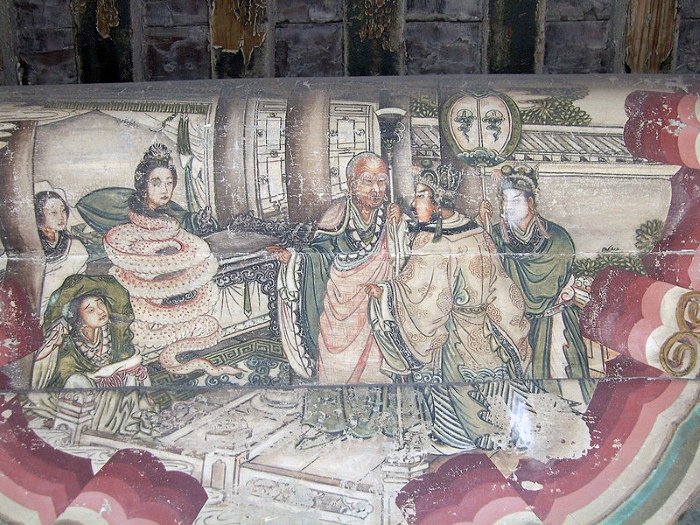
Dating to the Tang dynasty, this romantic folklore classic tells of Bai Suzhen, a benevolent white snake spirit who achieved human form after a thousand years of spiritual meditation. Visiting West Lake in Hangzhou during a spring rain, she fell in love and married a kind mortal apothecary named Xu Xian.
A dogmatic Buddhist monk named Fahai viewed their interspecies love as an abomination, imprisoning Xu Xian in a temple. Bai Suzhen summoned ocean waters to flood the monastery in a desperate struggle to rescue her husband, cementing her place as a beloved symbol of devoted love.
6. The Weaver Girl and the Cowherd (Qixi Festival)
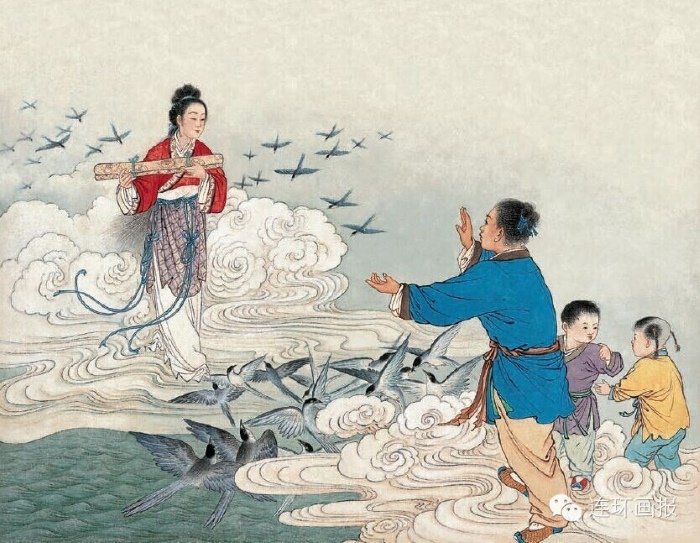
Celebrated during the Qixi Festival (Chinese Valentine Day), this myth describes the forbidden love between Zhinü, a celestial fairy who wove clouds in heaven, and Niulang, an honest mortal cowherd. Enraged by their secret marriage, the Queen Mother of Heaven drew a silvery river across the sky (the Milky Way) to separate them forever.
Moved by their devotion, flocks of magpies fly to heaven every seventh day of the seventh lunar month, interlocking their wings to form a bridge so the lovers can reunite for a single joyful night.
5. The Great Race and the Chinese Zodiac
To establish an orderly calendar for mankind, the Jade Emperor announced a swimming race across a wide river, awarding the twelve lunar years to the first twelve animals to reach the shore. The clever Rat hitched a ride upon the sturdy Ox back, leaping off at the riverbank to take first place.
The compassionate Dragon finished fifth because he detoured to bring rain to a drought stricken village, while the Pig took the twelfth spot after stopping for a brief nap, creating the beloved twelve year animal cycle.
4. Chang’e and Hou Yi, the Moon and Sun Legend
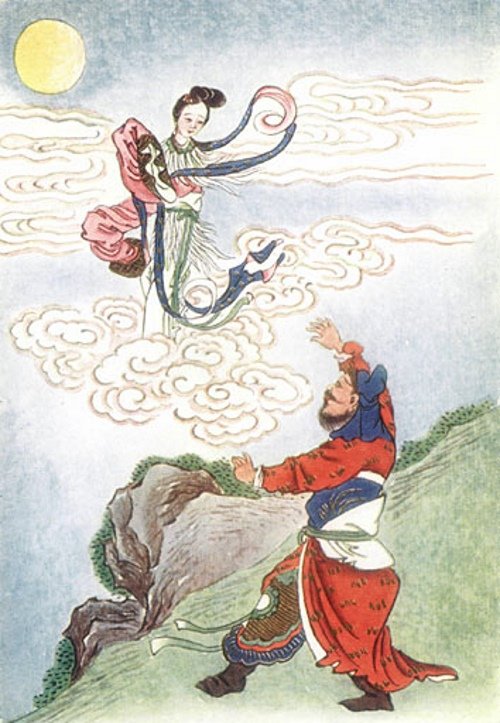
When ten suns rose simultaneously into the sky, scorching crops and parching rivers, heroic archer Hou Yi drew his divine bow and shot down nine of them, saving mankind. The Queen Mother of the West rewarded him with a pill of immortality.
When an evil apprentice attempted to steal the potion, Hou Yi wife Chang’e swallowed the elixir herself to protect it, floating weightlessly upward to the moon. During the annual Mid Autumn Festival, families share sweet mooncakes while admiring the glowing full moon in her honor.
3. Pangu and the Creation of the Universe
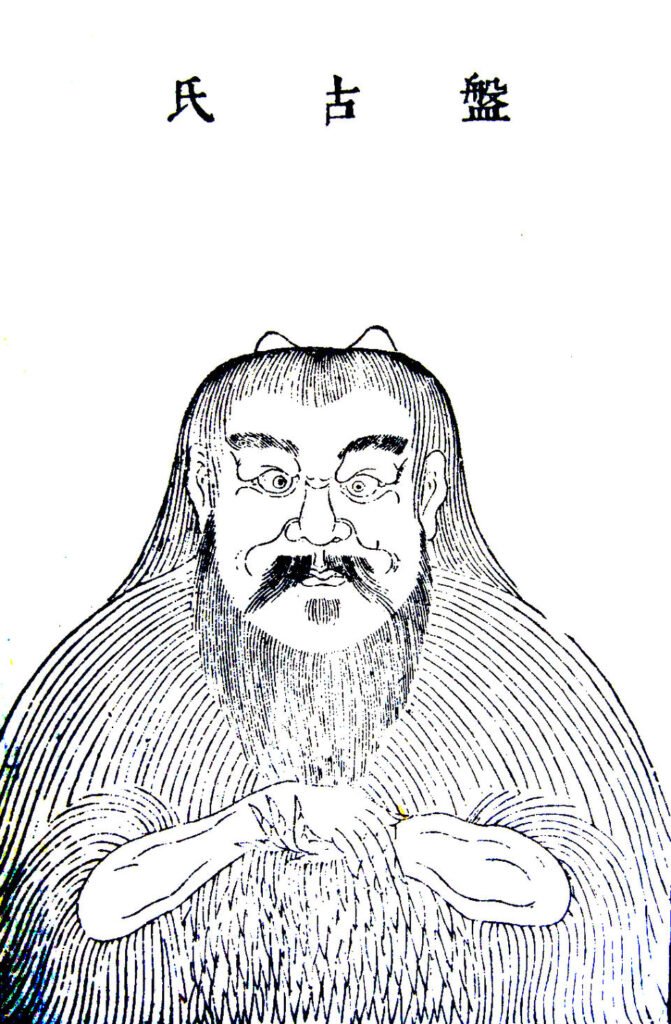
In Chinese cosmogony, the universe began as a chaotic, formless black egg where the giant Pangu slept for eighteen thousand years. Awakening in darkness, Pangu split the egg with an enormous axe, pushing the light yin upward to become heaven and the heavy yang downward to become earth.
When Pangu died from exhaustion, his body transformed into the natural world: his breath became wind and clouds, his voice became thunder, his left eye became the sun, his right eye the moon, and his blood flowed as rivers.
2. Sun Wukong, the Irrepressible Monkey King
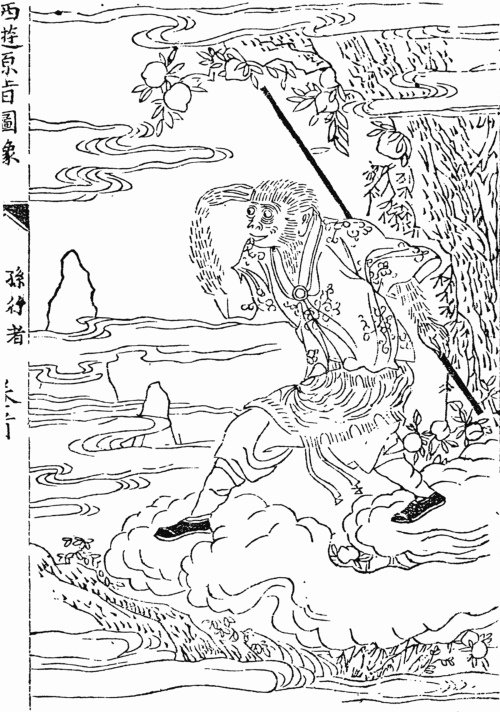
Born from a mythical stone egg atop the Mountain of Flowers and Fruit, Sun Wukong mastered Taoist immortality, cloud somersaulting, and seventy two distinct physical transformations. Wielding a magical iron staff that could shrink to a sewing needle or expand to touch the clouds, he rebelled against heaven itself.
Imprisoned beneath Five Elements Mountain by Buddha for five hundred years, he was released to accompany monk Tang Sanzang on a perilous pilgrimage to India in the literary classic Journey to the West, outwitting hundreds of demons along the Silk Road.
1. The Chinese Dragon (Long)
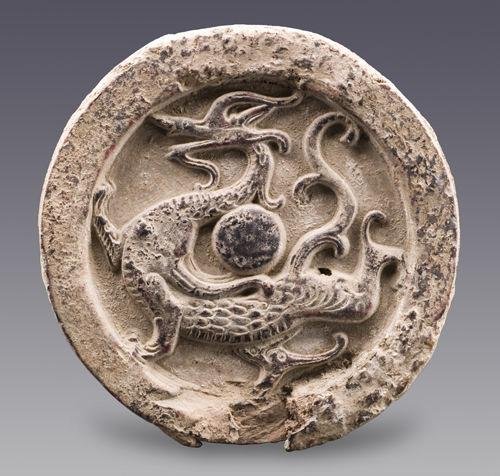
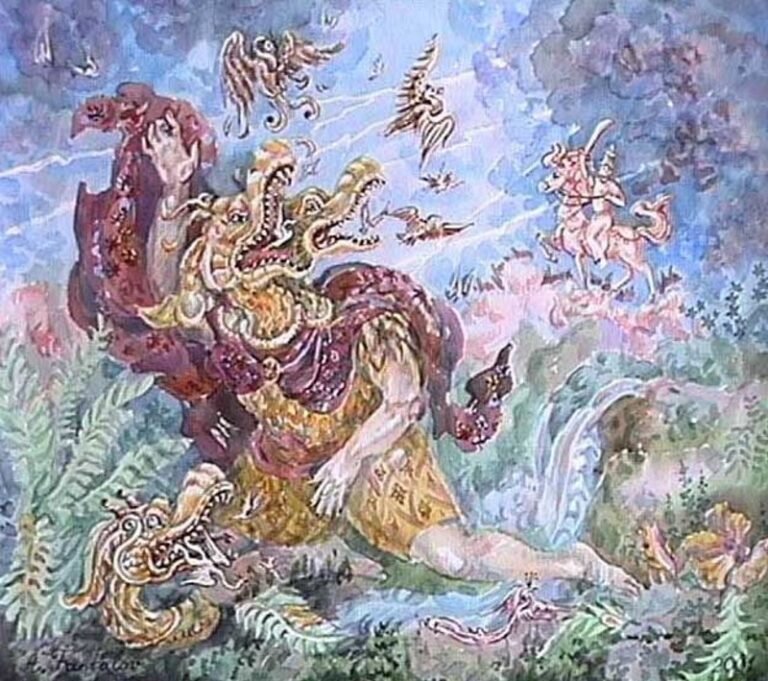
Occupying the supreme pinnacle of Chinese mythic culture, the Long is not a destructive European monster, but a benevolent, water dwelling celestial sovereign embodying imperial virtue, auspicious fortune, and rainfall. Combining the features of nine animals, the dragon commands typhoons, tidal surges, and seasonal monsoon rains.
Chinese emperors styled themselves the Sons of the Dragon, adopting the five clawed dragon motif on golden imperial robes. As documented in scholarly surveys at Britannica Chinese Culture, Chinese communities worldwide proudly refer to themselves as descendants of the dragon.
Conclusion
Chinese myths continue to provide a living foundation for modern cultural identity, family values, and annual celebrations. Through rich allegories of cosmic creation and selfless heroics, these stories communicate that human virtue and cosmic balance remain closely intertwined.
From the spirited exploits of Sun Wukong to the glowing lantern dances of the Dragon Boat Festival, these tales remain radiant treasures of global literature.