Across almost every civilization, the mystery of what awaits after death produced vivid depictions of subterranean realms. While some cultures envisioned peaceful meadows, many constructed elaborate underworlds governed by strict trials, terrifying demons, and relentless punishments for wrongdoers.
As documented in religious studies at Britannica Religious Studies, these gloomy realms served to enforce moral behavior in the living world. Here are the 10 most terrifying underworlds conceived in world mythology.
10. Tech Duinn (Celtic Mythology)
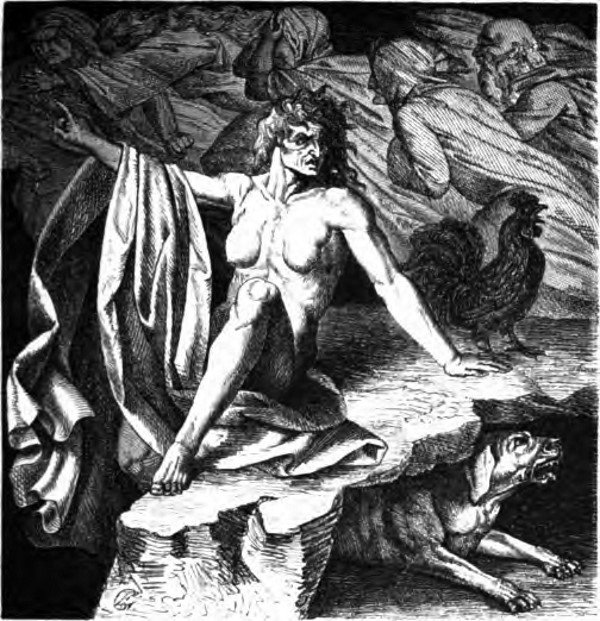
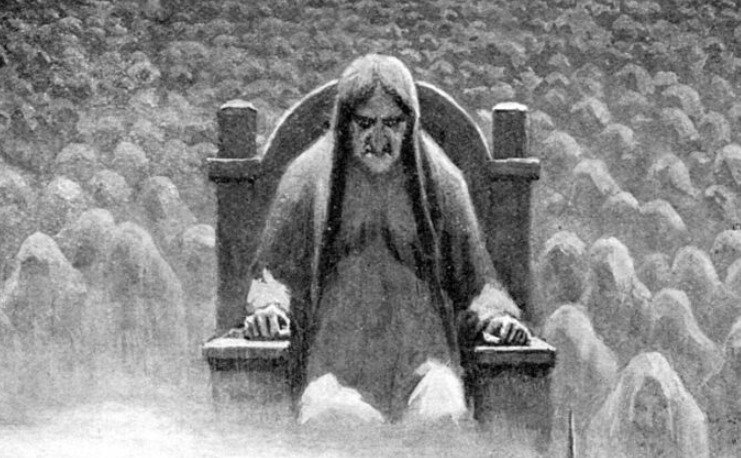
In ancient Irish Celtic tradition, Tech Duinn (House of Donn) was a rocky, storm battered island off the southwestern coast of Ireland where souls gathered after death. Donn, the god of the dead, was the first of the mythical Milesians to drown during the invasion of Ireland.
Perched upon this desolate, sea swept rock, Donn summoned the shades of departed souls into his assembly hall before their long voyage into the western otherworld, surrounded by crashing waves and icy winds.
9. Nav (Slavic Mythology)
In ancient Slavic folklore, Nav was the subterranean afterlife realm ruled by Veles, the horned god of cattle, magic, and the underworld. Concealed deep beneath the roots of the world oak tree, Nav was envisioned as a dark swampy pasture.
Unsettled spirits known as navi could return to the living world during cold winter nights to spread illness among livestock and children unless appeased by sacrificial porridge and ritual steam baths.
8. Yomi (Japanese Shinto)
In Japanese Shinto tradition, Yomi-no-kuni is the shadowy subterranean realm of the dead where decaying corpses dwell. It is not an infernal torture chamber, but rather a place of rotting impurity and perpetual gloom.
When creator god Izanagi ventured into Yomi to retrieve his deceased wife Izanami, he lit a wooden comb tooth to look upon her. Horror struck when he saw her rotting body crawling with maggots and eight thunder gods. Izanami pursued him furiously until Izanagi sealed the pass between life and death with a massive boulder.
7. Irkalla (Mesopotamian Mythology)
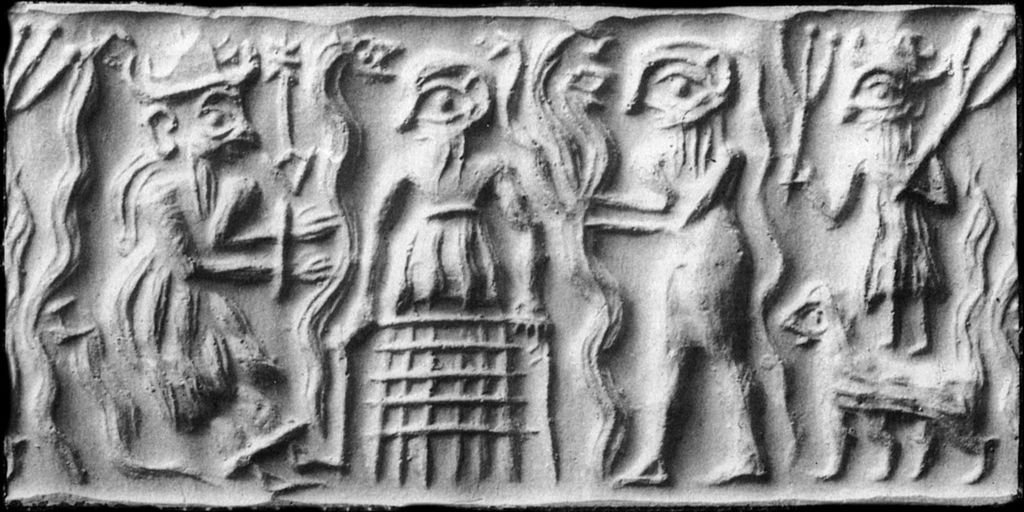
Known to ancient Sumerians and Babylonians as Kurnugia (The Land of No Return), Irkalla was ruled by the stern goddess Ereshkigal and her consort Nergal. Located beneath the primeval earth, it was entered through seven heavily fortified gates.
At each gate, guardians stripped travelers of garments and worldly status until they entered naked. In this silent, dust blanketed realm, kings and beggars alike ate dry clay and drank brackish water, wandering in feathered garments in pitch black darkness.
6. Duat (Ancient Egyptian Mythology)
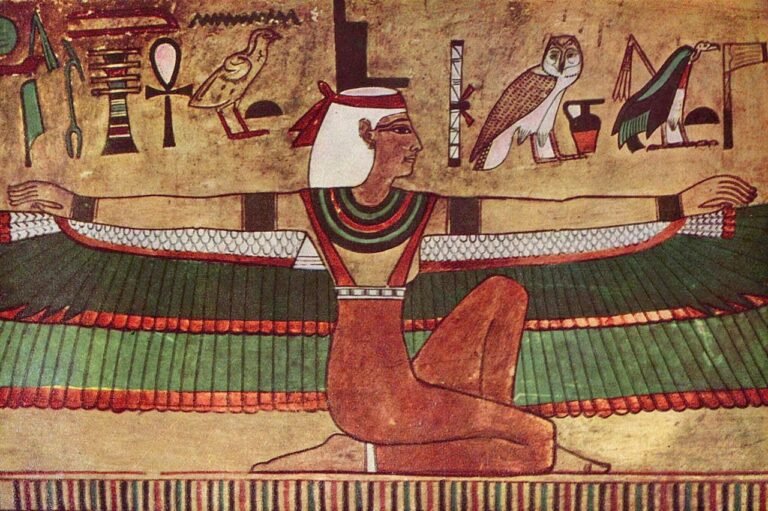
In Egyptian religion, Duat was the perilous subterranean realm through which the sun god Ra traveled each night in his solar barge. Departed souls had to navigate treacherous caverns filled with fire spitting serpents, boiling lakes, and blade wielding demons.
Only those who successfully reached the Hall of Two Truths had their heart weighed on a scale against the feather of Maat. If the heart was heavier than the feather due to sin, the chimera demon Ammit devoured it, consigning the deceased to complete oblivion.
5. Helheim (Norse Mythology)
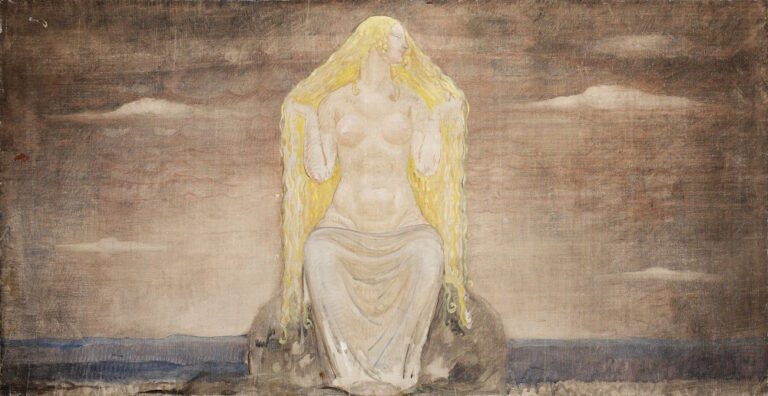
While heroic Norse warriors who fell in combat were escorted to Odin joyful hall of Valhalla, those who died of old age, illness, or starvation were consigned to Helheim. Ruled by the giantess Hel, half living woman and half blue decaying corpse, this frozen world lay beneath the root of Yggdrasil.
Souls crossed the echoing golden bridge Gjallarbru into a domain of relentless sleet and starvation. Hel palace was named Eljudnir (Sleet Cold), her plate was Hunger, her knife Famine, and her bed Sickness.
4. Diyu (Chinese Mythology)

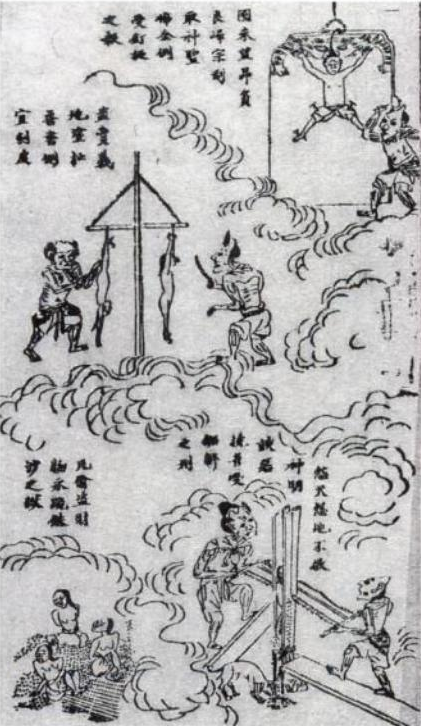
In Chinese Buddhist and Taoist folklore, Diyu is an complex bureaucratic purgatory overseen by King Yanluo and ten underworld magistrates. It is divided into ten courts and eighteen specific torture levels, each tailored to punish precise earthly sins.
Liars have their tongues pulled out with hot iron pliers, corrupt officials are boiled in cauldrons of molten bronze, and swindlers are sliced in half on fiery saws before souls drink Meng Po tea of forgetfulness to reincarnate.
3. Mictlan (Aztec Mythology)
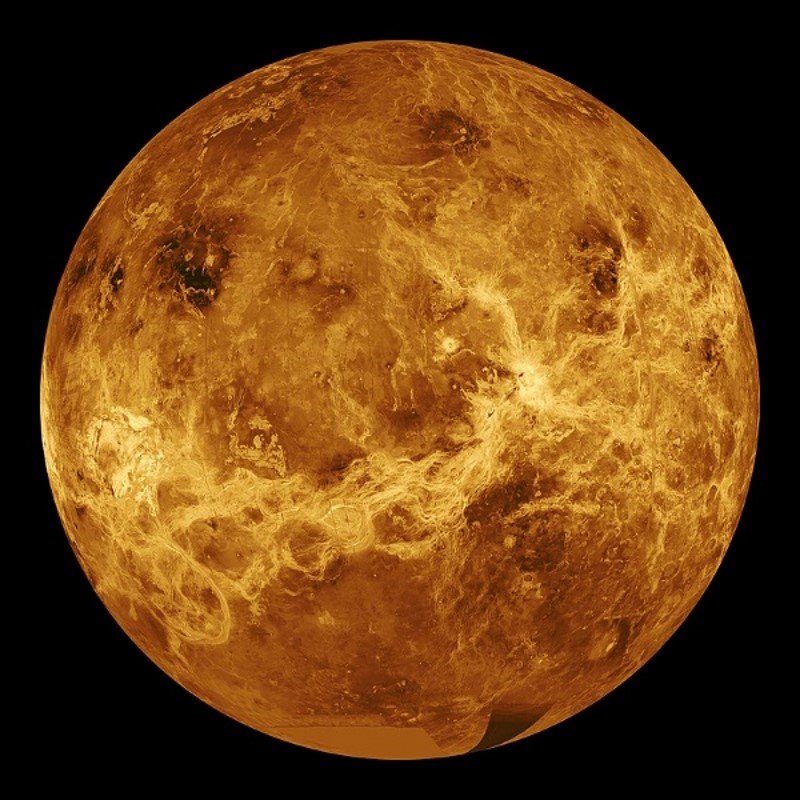
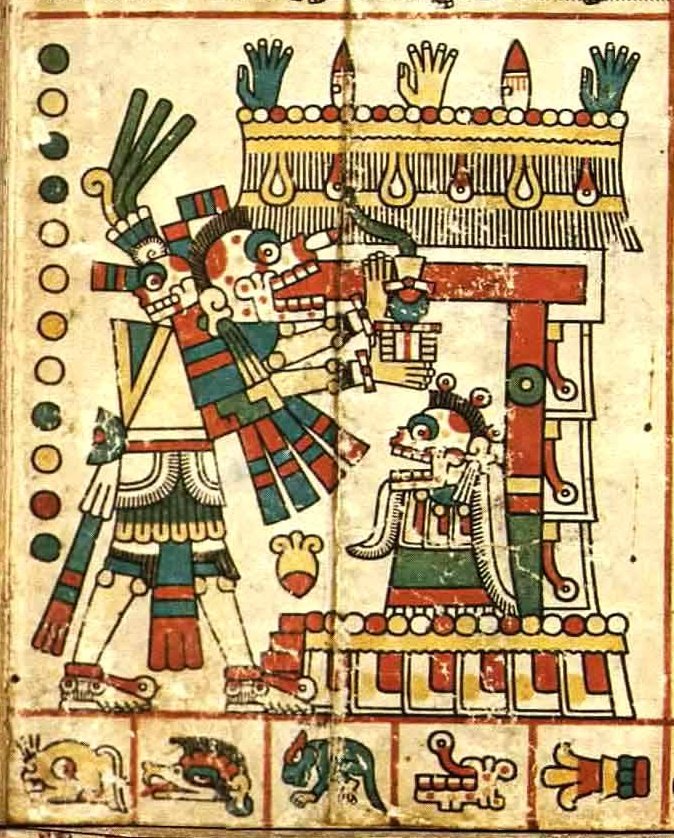
In Aztec cosmology, Mictlan was the lowest and darkest of the nine underworld realms, ruled by the skeletal death lord Mictlantecuhtli and his consort Mictecacihuatl. Reaching Mictlan required surviving an arduous four year journey through nine terrifying trials.
Souls had to swim across a raging river with the aid of a yellow dog, squeeze between clashing mountain ranges, climb a mountain made of razor sharp obsidian knives, and endure freezing blizzards that tore flesh from bone before achieving peaceful rest.
2. Hades and Tartarus (Greek Mythology)
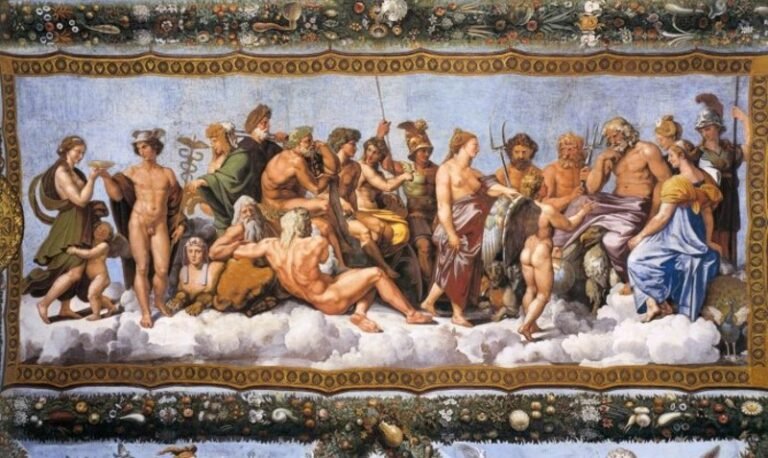
The ancient Greek realm of Hades was divided into distinct sectors, separated from the living by five dread rivers including the Styx and Phlegethon. Most souls drifted aimlessly as disembodied shadows across the grey Asphodel Meadows.
However, beneath Hades lay Tartarus, a pitch black abyss surrounded by triple walls of bronze. As chronicled at the World History Encyclopedia, Tartarus held immortal wrongdoers like Tantalus, cursed with perpetual hunger and thirst, and Sisyphus, condemned to roll a boulder uphill for eternity.
1. The Christian Hell (Inferno)
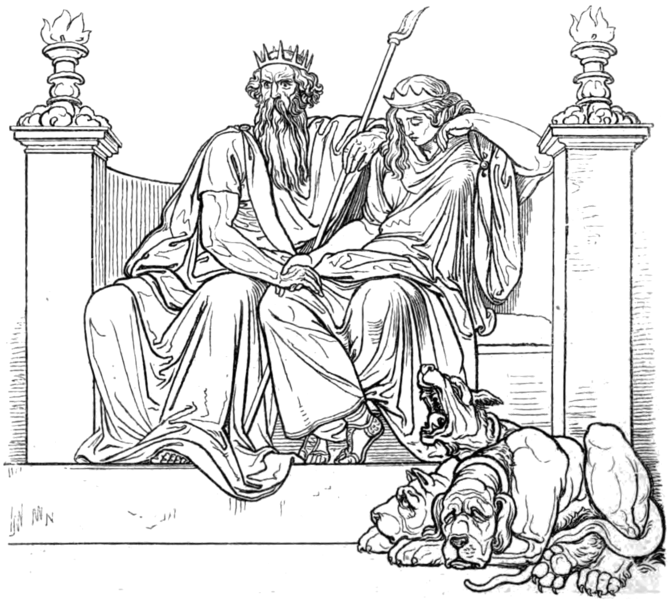
Holding the foremost place in Western terrifying afterlife imagery, Christian theology and medieval literature portrayed Hell as a burning lake of fire and sulfur where fallen angels and unrepentant sinners endure eternal torment separated from divine grace.
From biblical descriptions of outer darkness with weeping and gnashing of teeth to the vivid medieval visions of Dante, Hell represents the ultimate spiritual damnation, where despair and agonizing physical torment never cease.
Conclusion
Underworld mythologies provided early societies with both comfort and moral accountability. By envisioning cosmic justice beyond mortal life, cultures established ethical codes and grappled with the universal fear of oblivion.
Whether frozen like Helheim or searing like Tartarus, these mythic subterranean kingdoms continue to shape human perceptions of eternity.