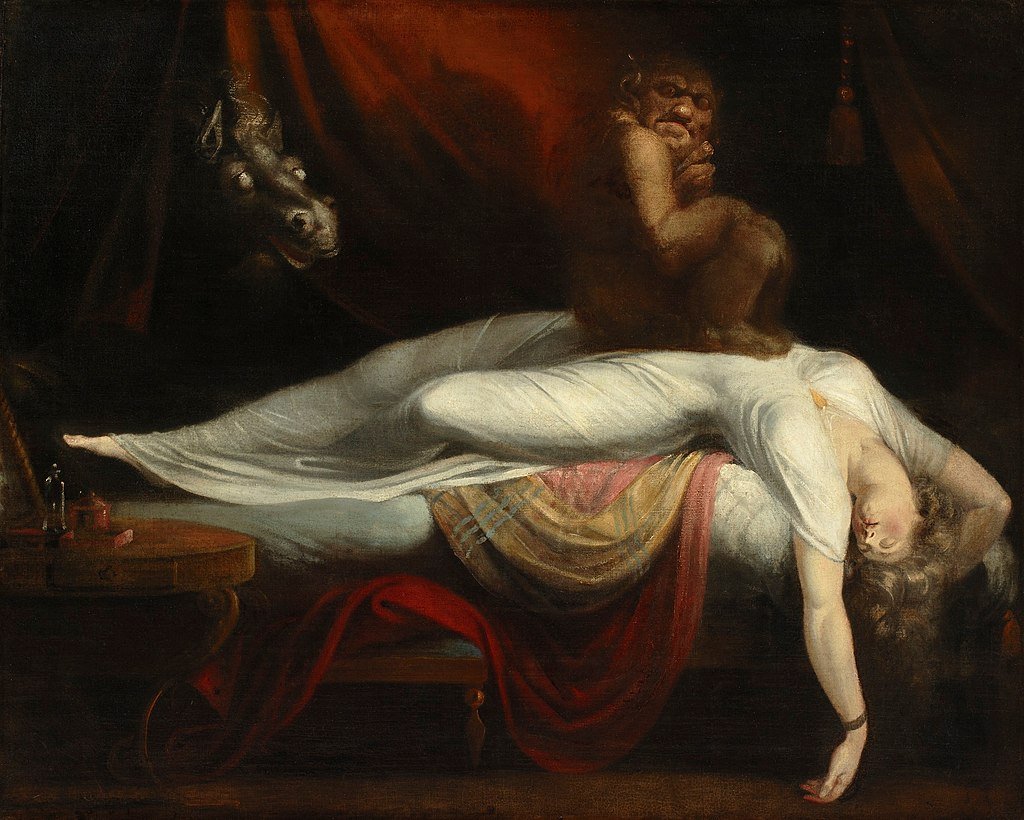
The dense woodlands of the Black Forest, the misty valleys of the Rhine, and the snowy crags of the Bavarian Alps have long nurtured a dark and evocative folklore tradition. German myth, collected by scholars like the Brothers Grimm, features nocturnal apparitions, territorial alpine wyrms, and stern spirits enforcing domestic order.
Surveys documented at the World History Encyclopedia show how German folklore externalized societal taboos, sleep disorders, and wilderness dangers. Here are 10 of the most terrifying monsters celebrated in German folklore.
10. Der Waldschrat, the Territorial Forest Demon
Dwelling in the deepest spruce woods of central Europe, the Waldschrat was a wild, hairy woodland spirit with moss tangled beard and piercing eyes. Extremely territorial, he defended old growth forests against greedy loggers and poachers.
He delighted in leading woodsmen off forest trails by imitating bird calls or creating disorienting rustles in the underbrush, leaving travelers to freeze in snow covered alpine woods.
9. The Bahkauv, the Monster of Aachen
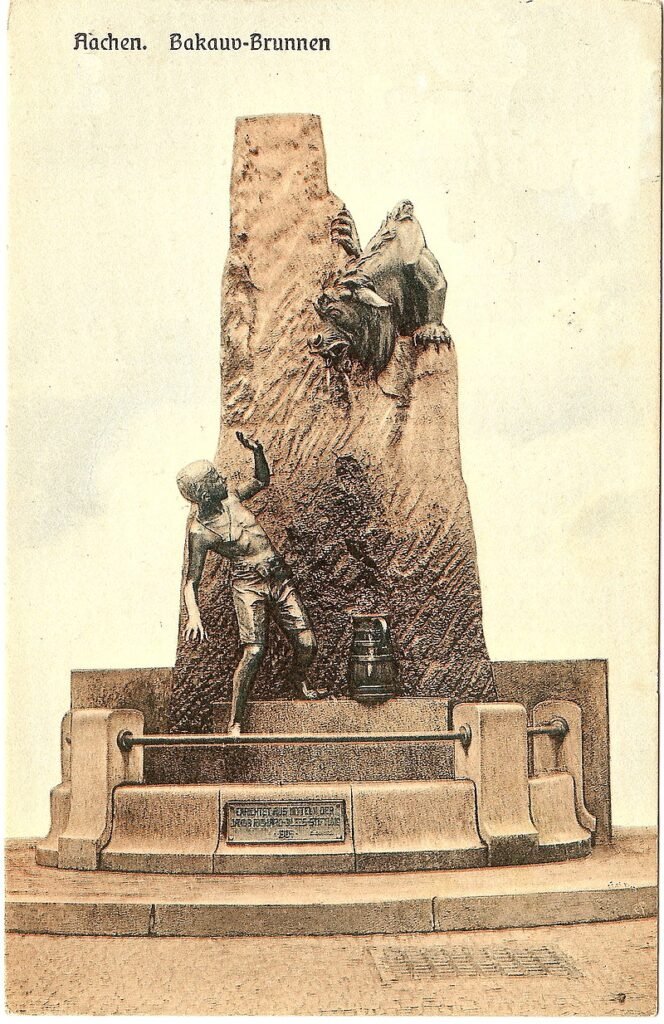
In the historic imperial city of Aachen, the Bahkauv (Barking Calf) was a grotesque beast resembling a deformed calf with sharp canine fangs and scaly hide that lurked around thermal springs and dark cobblestone alleys.
The monster targeted drunken tavern patrons staggering home at night, leaping onto their shoulders and growing heavier with every step until the terrified victim dropped his coin purse and pleaded for mercy.
8. Der Aufhocker, the Back Jumping Demon
Throughout German rural folklore, the Aufhocker was an insidious nocturnal shape shifter that appeared at lonely crossroads as an innocent dog, crying child, or withered old woman. When a sympathetic traveler offered assistance, the creature leaped upon their back.
Clinging with supernatural grip, the demon expanded its mass until the traveler collapsed from exhaustion, warning communities against stopping for strangers on unlit country roads after midnight.
7. Der Kopflose Reiter, the Headless Horseman
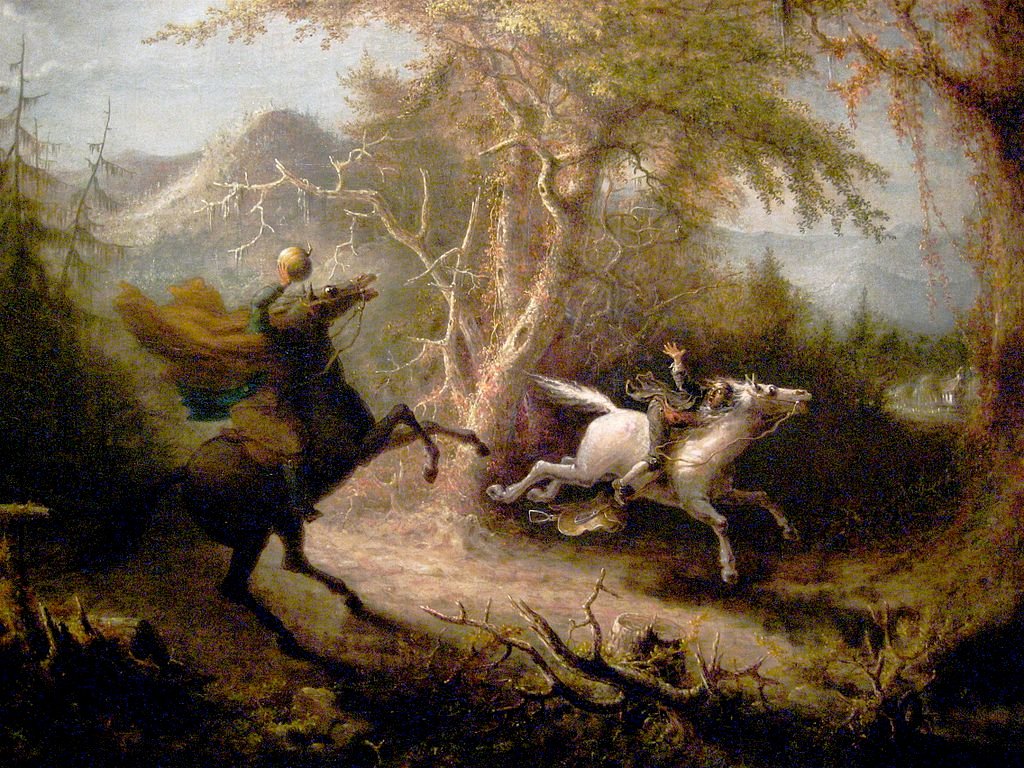
Long before Washington Irving American adaptation, the Headless Horseman was a prominent fixture of German Rhine legends. Believed to be the cursed spirit of a treacherous knight or unjust judge decapitated for capital crimes, he rode a black stallion with glowing fiery nostrils.
Galloping along forest ridgelines during autumn gales, hearing his thunderous horse hooves portended war, fire, or sudden family tragedy for anyone who dared cross his path.
6. Der Tatzelwurm, the Alpine Clawed Serpent
In the Bavarian and Austrian Alps, alpine shepherds reported sightings of the Tatzelwurm, a stubby serpentine reptile with the clawed forelegs of a cat and the scaled tail of a dragon. Lurking in crevices among alpine meadows, it was blamed for killing grazing cattle with venomous breath.
Eighteenth and nineteenth century regional natural history almanacs documented numerous eyewitness accounts, making the Tatzelwurm one of central Europe most persistent cryptids.
5. Der Wechselbalg, the Substituted Changeling
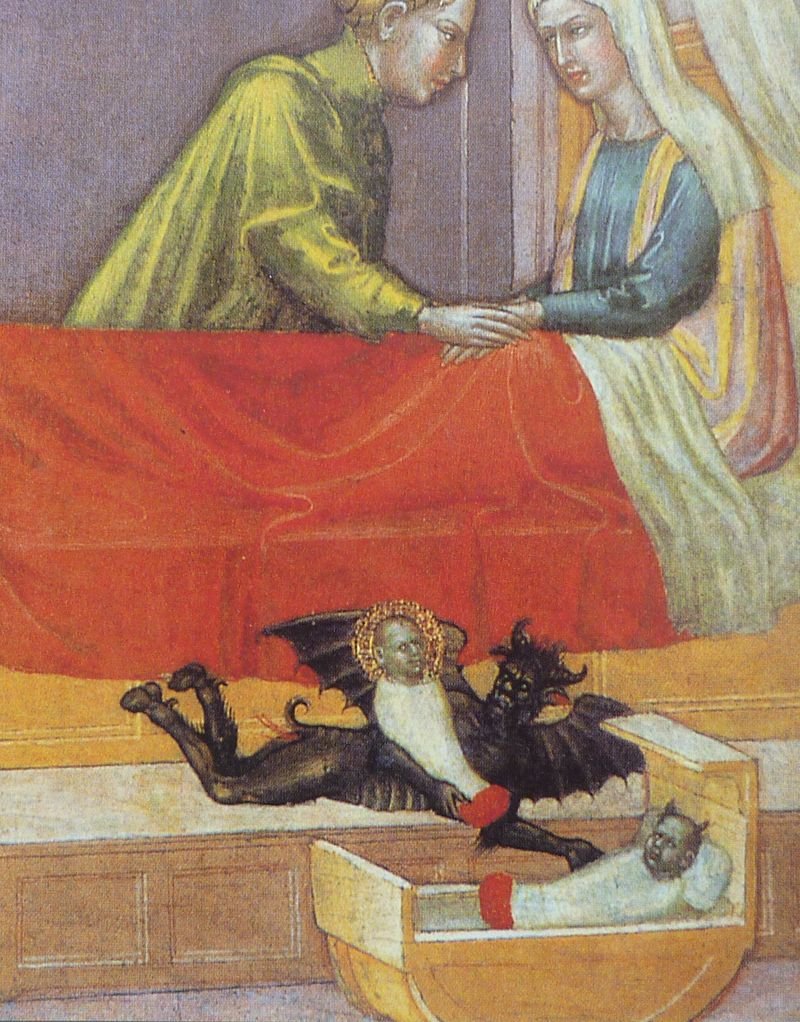
In German fairy tales collected by the Brothers Grimm, the Wechselbalg was a misshapen, sickly fairy creature left in a cradle by underground dwarfs who stole a human baby. The changeling screamed constantly and consumed immense amounts of food without growing.
Parents attempted to expose the fairy child by boiling water in empty eggshells; seeing this absurdity prompted the changeling to laugh and reveal its true supernatural age, breaking the spell and recovering the human infant.
4. Frau Perchta, the Winter Witch of the Alps
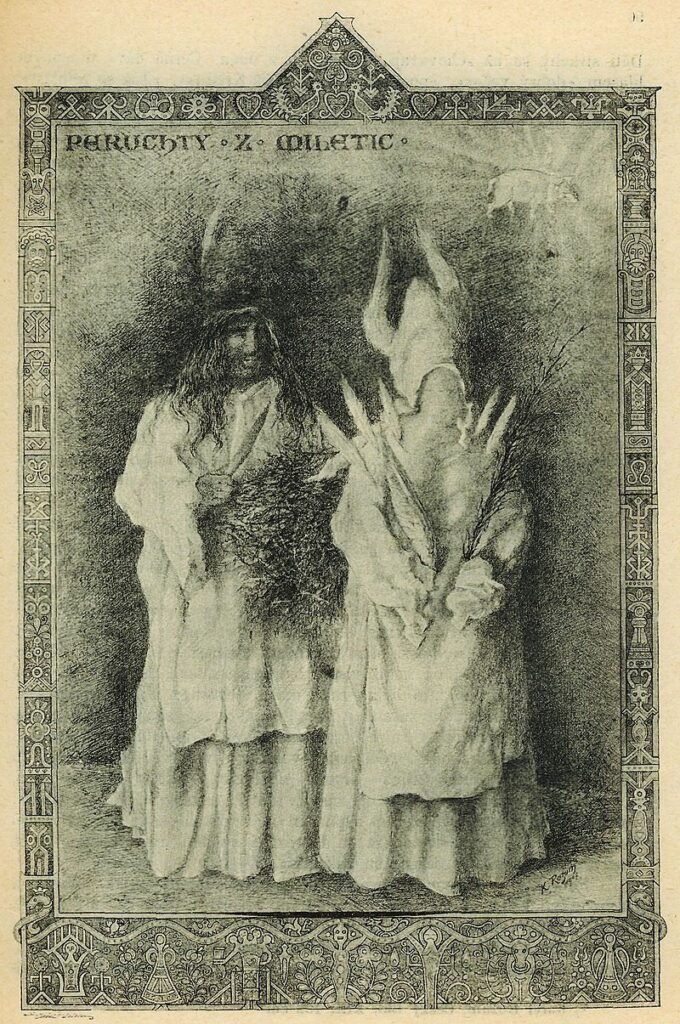
Frau Perchta was a fearsome alpine winter goddess who inspected households during the Twelve Days of Christmas. Rewarding diligent workers who spun all their wool with silver coins, she punished lazy servants who left spinning unfinished.
Legend warned that Perchta would slit open the bellies of negligent workers, remove their entrails, and stuff their abdomens with straw and pebbles, inspiring the raucous Perchtenläufe masked processions held in Austrian and Bavarian towns.
3. Die Mahr, the Nocturnal Nightmare Demon
The Mahr was a predatory female spirit responsible for sleep paralysis and terrifying night terrors, giving the German and English languages the word nightmare (Albtraum / Nachtmahr). Slipping through keyholes as mist, she sat directly upon the chest of sleeping victims.
Her suffocating weight induced vivid nightmares and feelings of impending suffocation. Villagers placed crossed knives under pillows or plugged bedroom keyholes with wax to ward off the nocturnal visitor.
2. Die Weisse Frau, the White Lady of the Castle
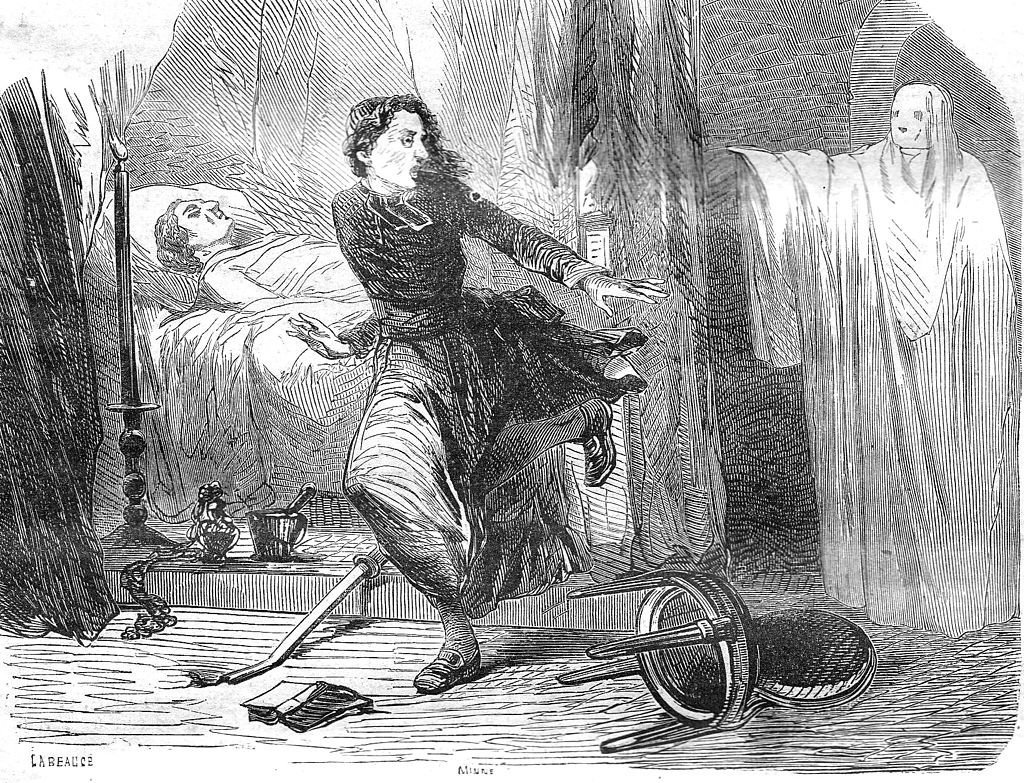
Appearing in grand German aristocratic residences such as the palaces of the House of Hohenzollern, the White Lady was the spectral apparition of a noblewoman murdered or wronged in life. Dressed in flowing white mourning silks, she glided silently through corridors holding keys.
Her sudden appearance in royal chambers was regarded as an infallible omen of imminent death for a senior family member, striking fear into princes and chancellors across centuries.
1. Der Erlkonig, the Alder King of the Woods
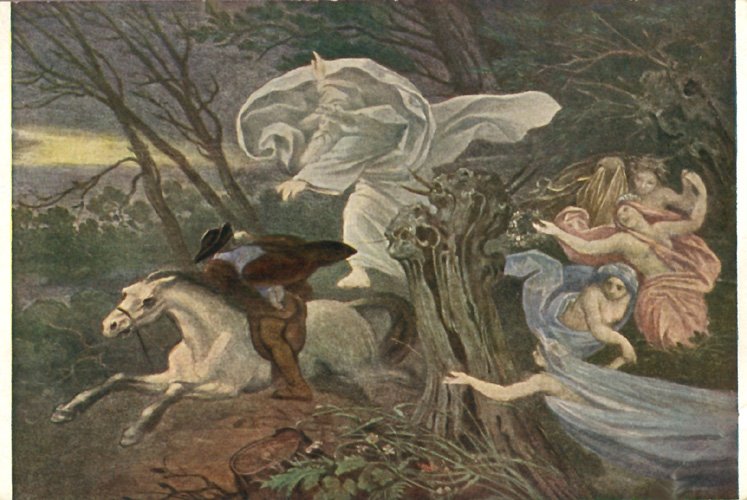
Immortalized in Johann Wolfgang von Goethe haunting ballad and Franz Schubert musical setting, Der Erlkonig was the regal fairy king who haunted mist covered alder groves along dark riverbanks. Appearing to a sick child carried on horseback by his father, the king whispered sweet promises of golden robes and dancing fairy princesses.
As analyzed in literary reviews at Britannica German Folklore, when the terrified child resisted, the king seized him by force. By the time the desperate father arrived at the courtyard, the child lay cold and lifeless in his arms.
Conclusion
German folklore monsters reflect a deep cultural reverence for the primeval European forest and the precarious balance between human community and wild nature. Through cautionary fables, these creatures emphasized diligence, sobriety, and parental vigilance.
Their chilling tales continue to echo through classical literature, symphonies, and enduring folk pageants celebrated across central Europe.