The Celtic peoples of ancient Europe, from Ireland and Britain to Gaul and beyond, worshipped hundreds of gods. Unfortunately, they wrote very little down. Most of what we know comes from Roman observers, inscriptions, and Irish and Welsh stories recorded by Christian monks centuries later.
Still, some of these gods are vivid characters even today. Here are ten of the most important figures from Celtic mythology.
1. The Dagda, the good god
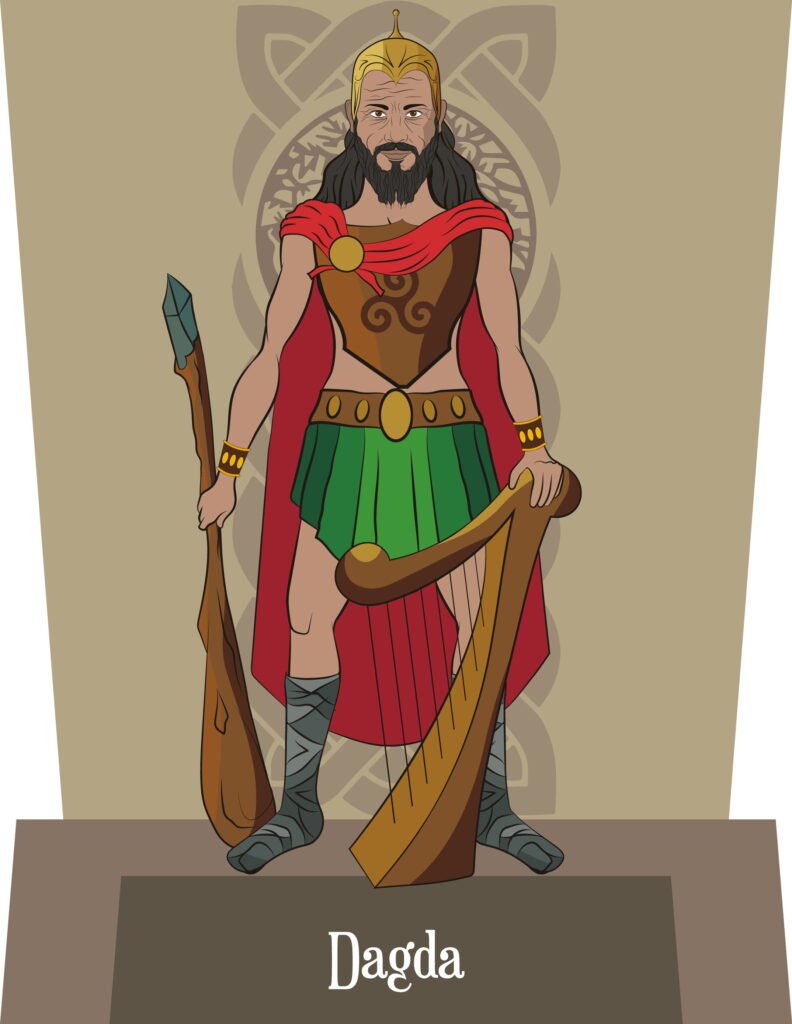
The Dagda, “the good god”, was a father figure among the Irish gods, the Tuatha Dé Danann. He was a god of wisdom, fertility, strength and plenty, often portrayed as a big, earthy man with an enormous appetite.
He owned three magical treasures: a club that could kill with one end and bring back to life with the other, a cauldron that never ran empty, and a harp that could command the seasons.
2. Danu, the mother goddess
Danu is seen as the ancient mother of the Irish gods, whose name means “the people of the goddess Danu”. Very little is actually written about her, which makes her one of the most mysterious figures in Celtic mythology.
Some scholars connect her name to rivers across Europe, possibly including the Danube, although that link is debated.
3. Lugh, the master of all arts
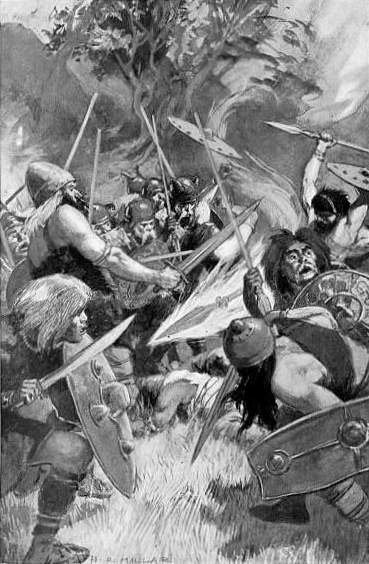
Lugh was a young, brilliant god who was skilled at everything: warrior, smith, poet, harpist, healer and craftsman. According to the story, he was refused entry to the hall of the gods until he proved that no one else had all those skills at once.
He led the gods to victory against the Fomorians, killing his own grandfather, the giant Balor, with a sling stone to his deadly eye. The harvest festival Lughnasa is named after him, and possibly the city of Lyon, once Lugdunum.
4. Brigid, goddess of fire and poetry
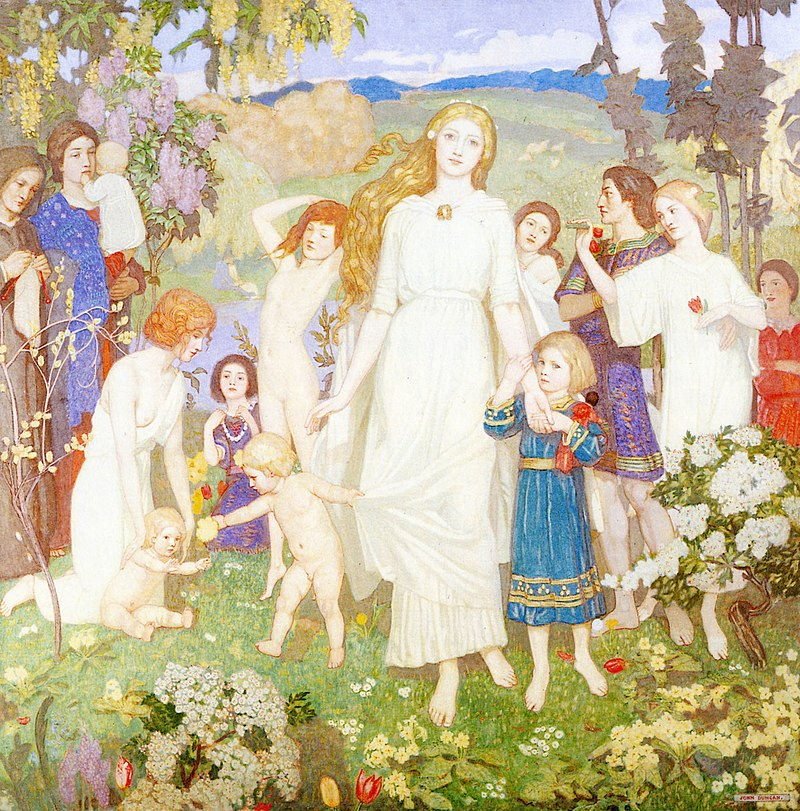
Brigid was the goddess of poetry, healing, smithcraft and fire, and one of the most popular figures in Irish tradition. Her festival, Imbolc, on February 1, marked the beginning of spring.
When Ireland became Christian, much of her story merged with that of Saint Brigid of Kildare, whose feast day is the same date. Nuns at Kildare kept a sacred flame burning in her honor for centuries.
5. Cernunnos, the horned god
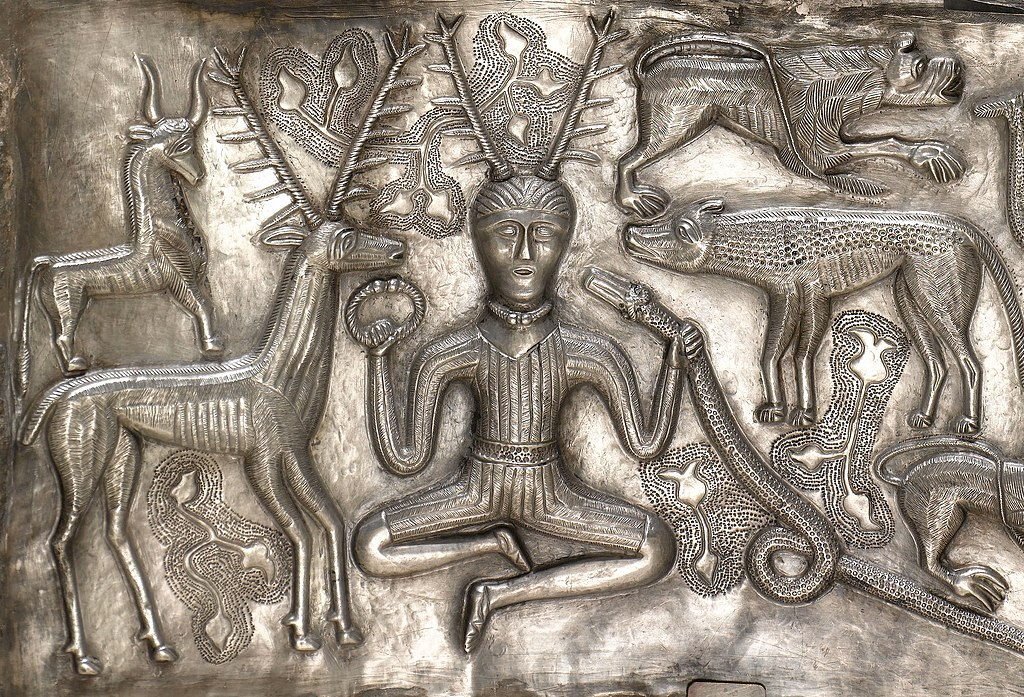
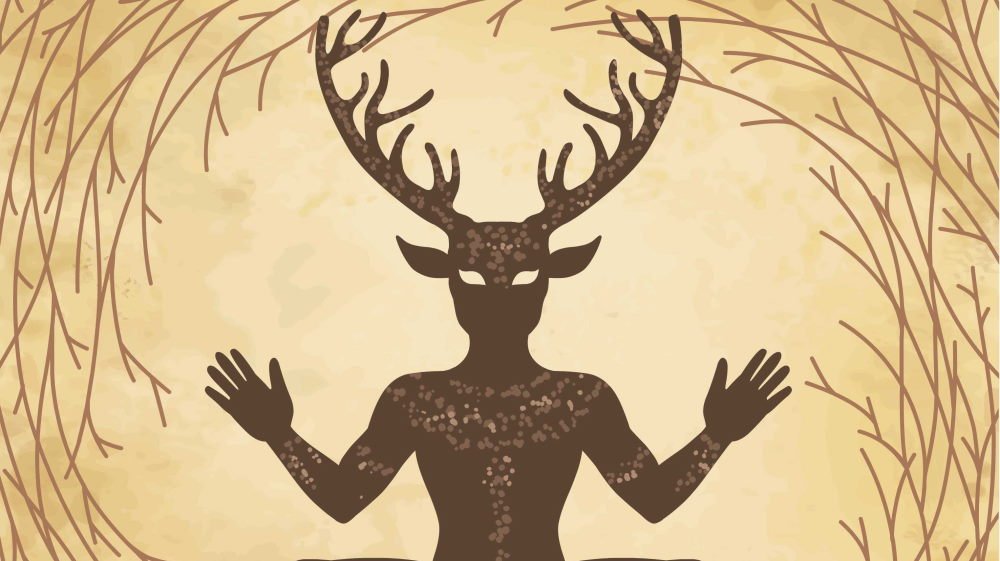
Cernunnos was a god with the antlers of a stag, associated with wild animals, fertility and wealth. His most famous image is on the Gundestrup Cauldron, a silver vessel found in a Danish bog, where he sits cross-legged holding a torc and a serpent.
His name is known from only one inscription, found in Paris. Even so, the horned god has become one of the best-known images of Celtic religion.
6. The Morrígan, goddess of war and fate
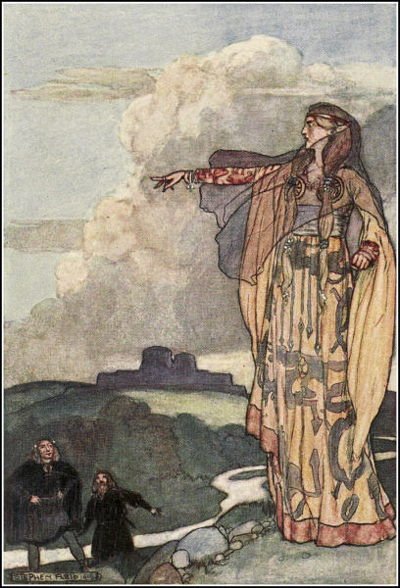
The Morrígan, “great queen” or “phantom queen”, was a fearsome goddess of war, fate and death. She often appeared as a crow or raven flying over the battlefield, and could predict who would die.
In one story, she offers her love to the hero Cú Chulainn. When he rejects her, she becomes his enemy, and a raven landing on his shoulder marks his death.
7. Aengus, god of love and youth
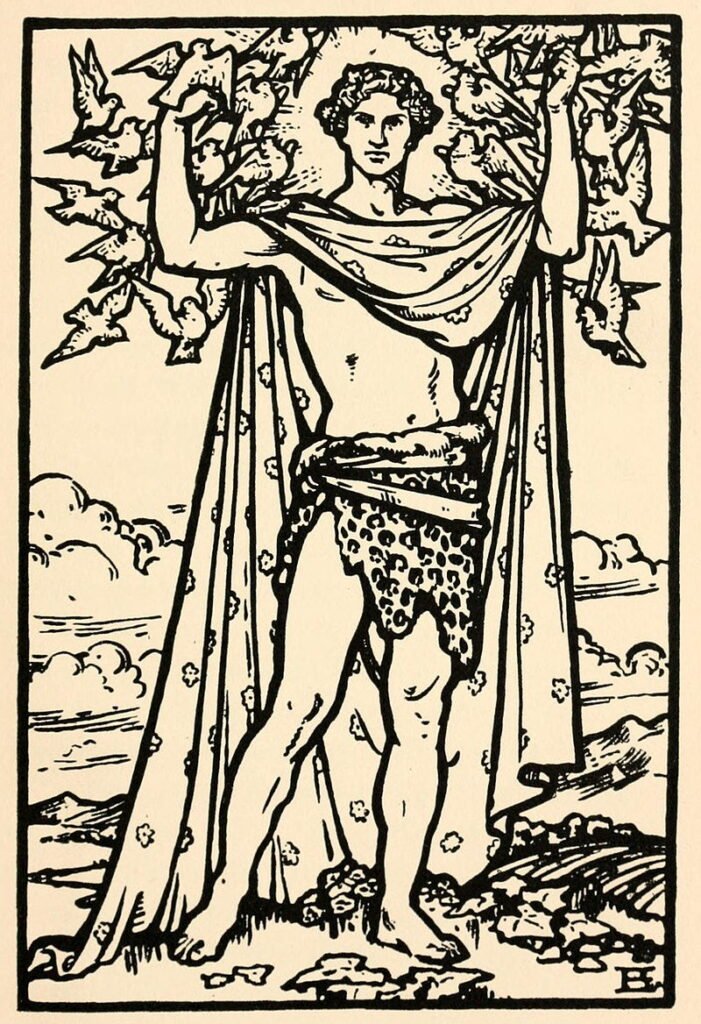
Aengus, son of the Dagda, was the god of love, youth and poetry. Four birds were said to fly around his head, representing kisses.
In his best-known story, he falls in love with a girl he sees in a dream, Caer Ibormeith. He finds her among 150 maidens who turn into swans every other year, becomes a swan himself, and the two fly away together.
8. Manannán mac Lir, god of the sea
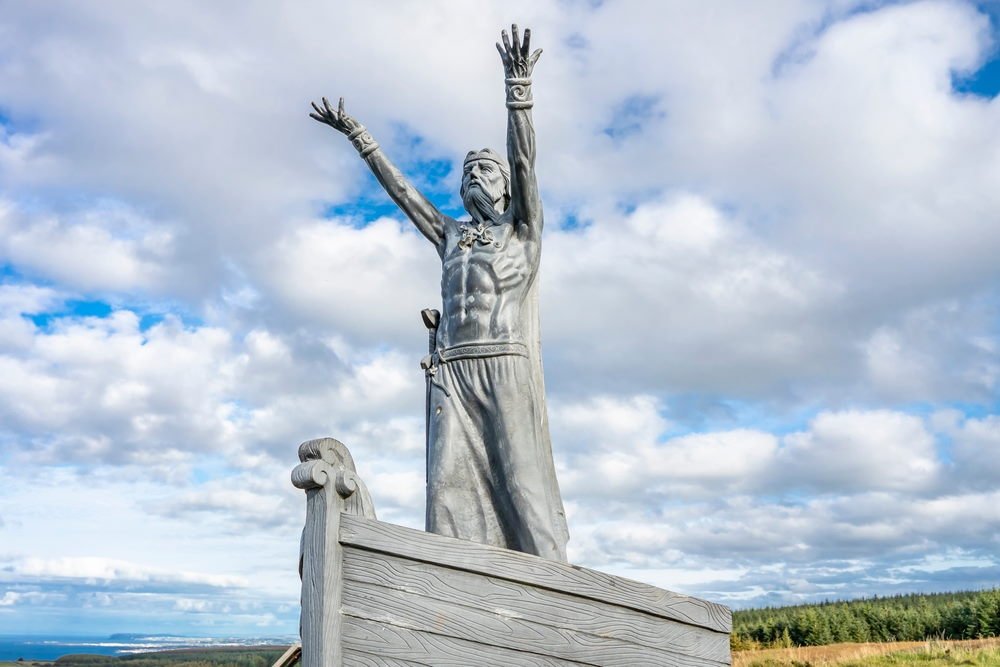
Manannán mac Lir was the god of the sea and ruler of the Otherworld, a magical land across the waves. He rode a chariot over the sea as if it were a plain of flowers and wore a cloak that could make him invisible.
The Isle of Man is said to be named after him. According to legend, he covers the island in mist to hide it from enemies.
9. The Cailleach, the winter hag
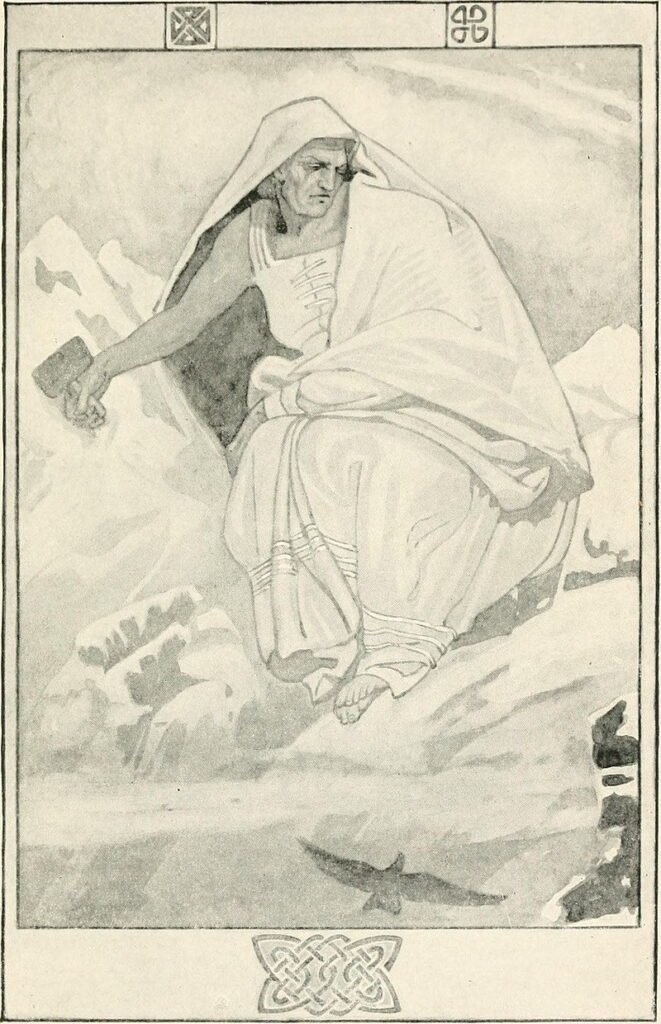
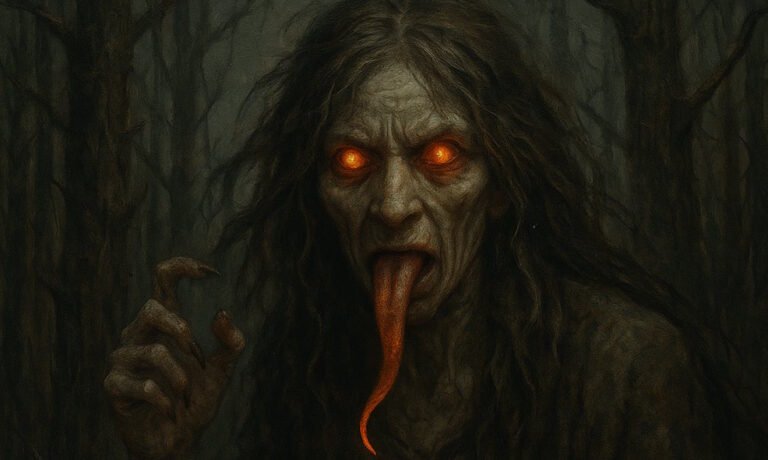
The Cailleach is an ancient goddess of winter, storms and wild landscapes in Irish and Scottish folklore, usually pictured as a veiled old woman. She was said to shape mountains and hills by dropping stones from her apron.
She ruled from autumn to spring, when power passed to a goddess of summer. In some traditions, if February 1 was bright and dry, she was out gathering firewood, and winter would last longer.
10. Belenus, the shining god
Belenus was a widely worshipped god of light, healing and the Sun, especially in Gaul, northern Italy and the Alps. The Romans often identified him with Apollo.
His name may be linked to Beltane, the great fire festival on May 1 that marked the beginning of summer, although scholars debate the connection.