If there was one name that terrified the Romans in the 5th century, it was Attila the Hun. From 434 until his death in 453, he led an empire that stretched across much of Central and Eastern Europe. The Huns were no ordinary enemy: they were a nomadic people of formidable horse archers who seemed to appear out of nowhere.
Attila was not just a brutal conqueror, but also a shrewd strategist and diplomat. He united rival tribes under his rule and forced both the Eastern and Western Roman Empires into humiliating concessions. Later generations called him the “Scourge of God”. After his sudden death, his empire fell apart within years, but the legend of the fearsome king of the Huns lives on sixteen centuries later.
These are ten facts about Attila the Hun.
1. Nobody knows exactly where the Huns came from
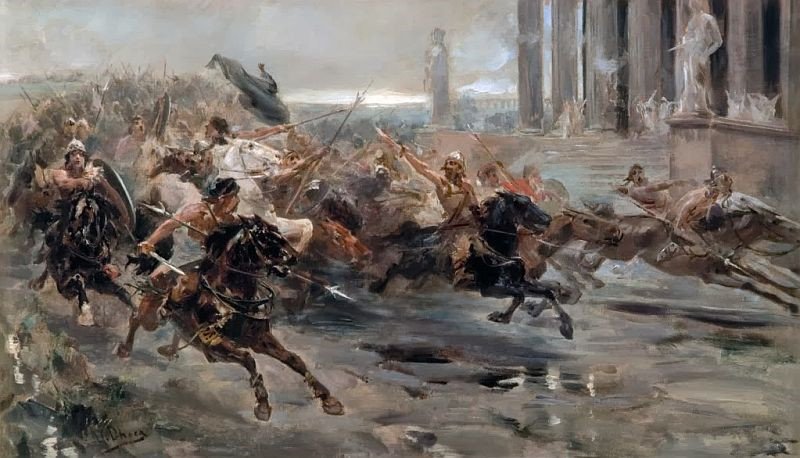
The origins of the Huns are a mystery. They were nomads, and nomads leave few written records. A long-standing theory is that they were descended, at least in part, from the Xiongnu, a people who had raided the Chinese empire centuries earlier and against whom early sections of the Great Wall were built. The theory is still debated, although recent DNA studies suggest there were genetic links. What is certain is that when the Huns appeared in Europe in the late 4th century, their mounted archers overwhelmed one opponent after another.
2. He was no uneducated barbarian
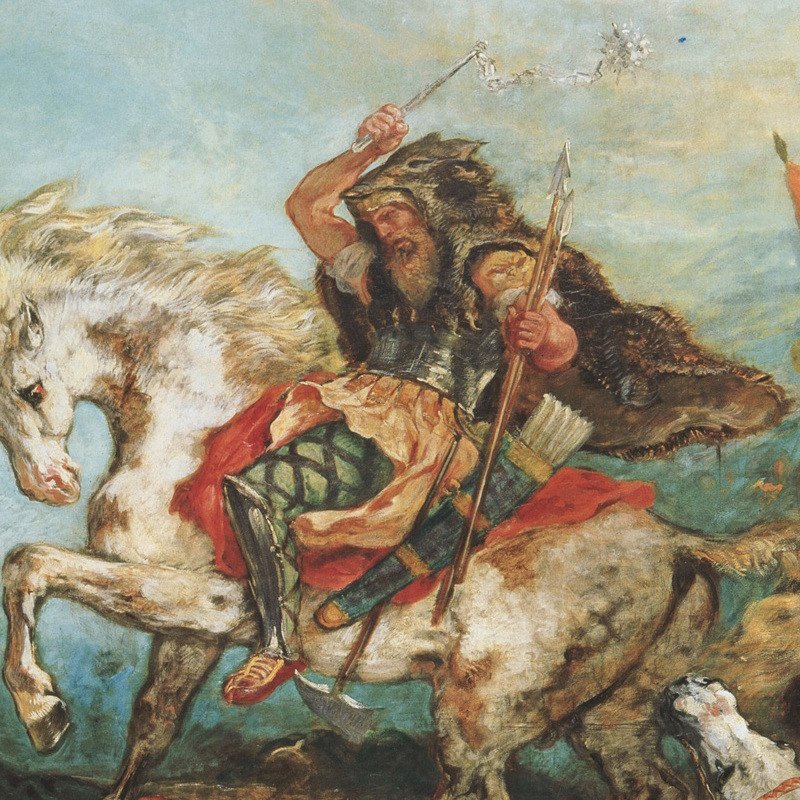
Forget the cliché of the crude barbarian. Attila was born into the Hunnic royal family, and as a young man, he would have been trained not only in riding and archery, but also in leadership and diplomacy. Gothic was widely spoken at the Hunnic court, and Latin was used in dealings with Rome. The Roman diplomat Priscus, who visited Attila’s court in 449, described a ruler who lived simply, eating from a wooden plate while his guests ate from silver.
3. He shared power with his brother
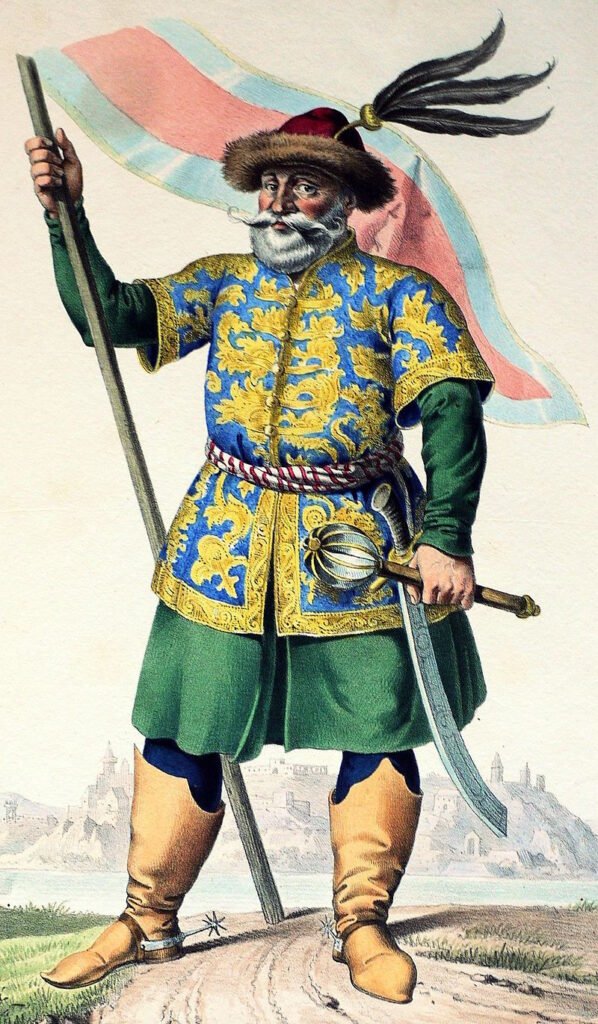
When their uncle Rua died around 434, Attila did not inherit the throne alone. He ruled together with his older brother Bleda. In those years, the Huns sometimes even worked with Rome: Hunnic warriors fought as mercenaries for the Roman general Aetius, who had lived among the Huns as a hostage in his youth. But the partnership between the brothers would not last.
4. He extorted gold from the Romans
One of the brothers’ first big moves was pure extortion. With the Treaty of Margus, they forced the Eastern Roman Empire to double its annual payments to the Huns to 700 pounds of gold. When Attila later claimed that the Romans had broken their promises, he used it as an excuse to ravage the Balkans. After further defeats, the Romans had to pay even more, including a lump sum of 6,000 pounds of gold and an annual tribute of 2,100 pounds.
5. His brother died under suspicious circumstances
Around 445, the joint rule suddenly came to an end when Bleda died. Roman writers of the time state that Attila had his brother killed so that he could rule alone. From then on, there was only one man deciding the course of the Hunnic Empire.
6. A princess’s ring started a war
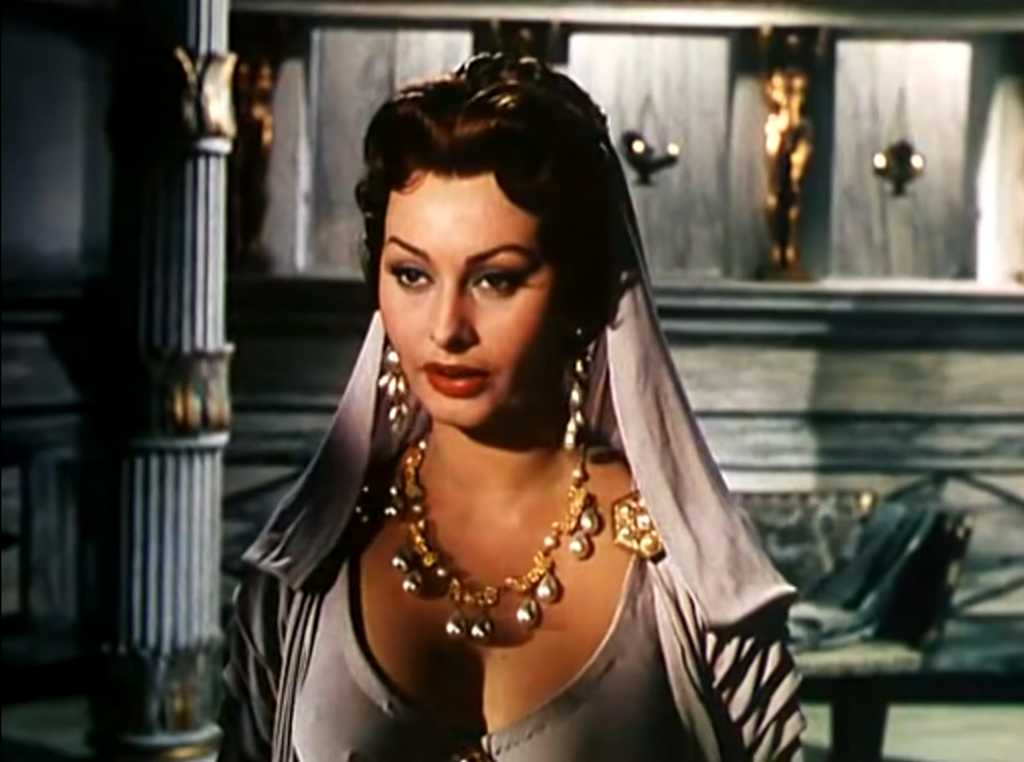
In 450, something bizarre happened. Honoria, the sister of the Western Roman emperor Valentinian III, sent Attila a letter asking for his help to escape a marriage she did not want, along with her ring. Attila, always looking for an opportunity, chose to treat it as a marriage proposal. He accepted at once and demanded half of the Western Roman Empire as her dowry. When the emperor refused, Attila had his excuse to invade the West.
7. His only major defeat
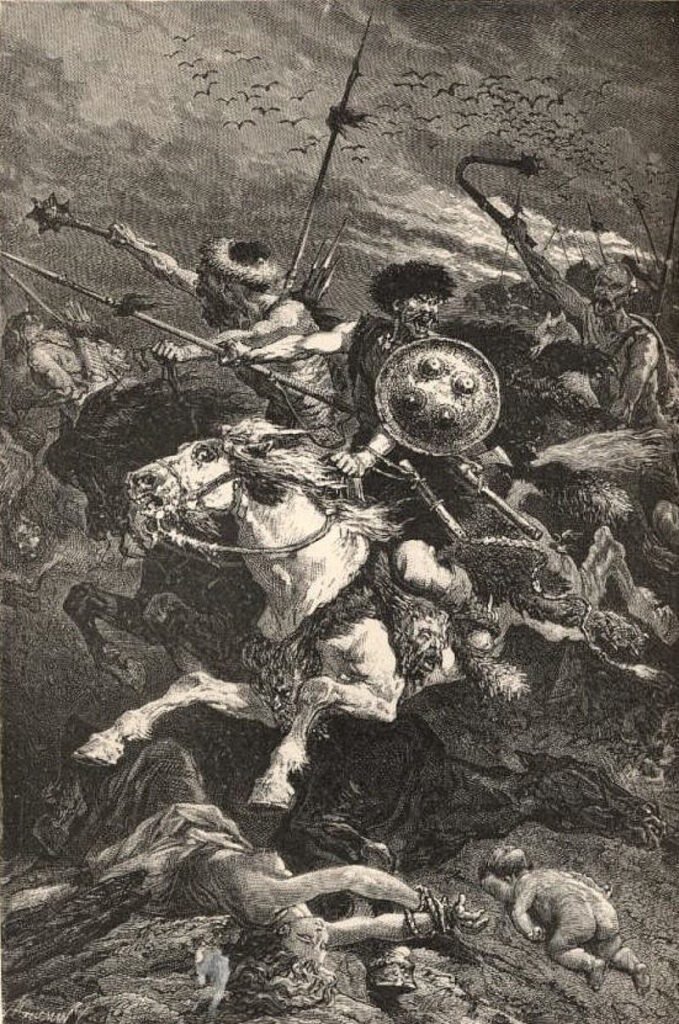
In 451, Attila invaded Gaul with a huge army. Ancient writers spoke of hundreds of thousands of men, although modern historians think these numbers are greatly exaggerated. At the Battle of the Catalaunian Plains, in today’s northeastern France, he was stopped by an unlikely alliance of Romans and Visigoths led by his old acquaintance Aetius. Losses on both sides were enormous, and Attila was forced to withdraw. It was the only major setback of his career. A year later, he invaded Italy, but turned back after meeting a delegation led by Pope Leo I.
8. He died of a nosebleed on his wedding night
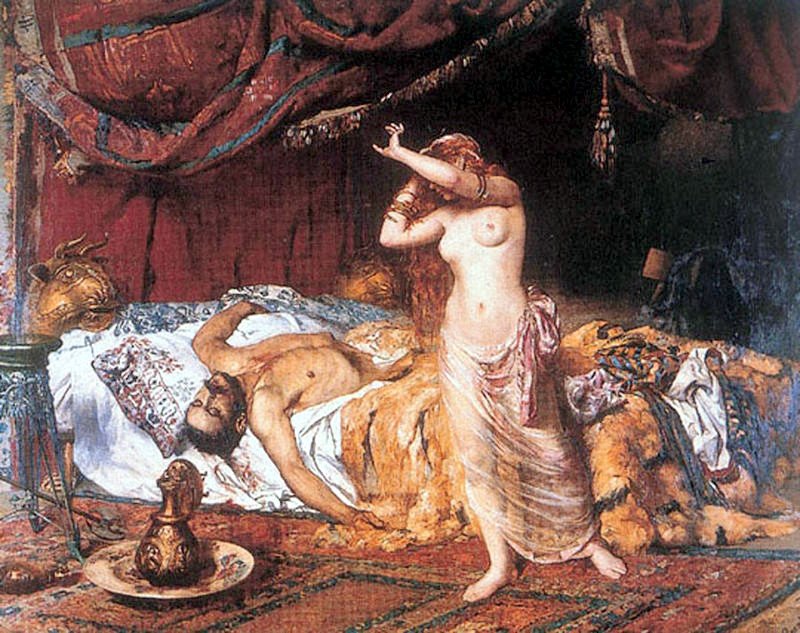
The man who sent so many to their deaths did not die by the sword. In 453, Attila celebrated his marriage to a young woman named Ildico. According to the account preserved by the historian Jordanes, he drank heavily at the wedding feast, suffered a severe nosebleed in his sleep and choked on his own blood. It is one of the most ironic deaths in history: the most feared warrior of his time, killed by a party.
9. His grave has never been found
According to Jordanes, Attila was buried in secret at night, in three coffins of gold, silver and iron, surrounded by treasure. The men who buried him were killed so that the location would never be revealed. A popular later legend claims he was buried in the bed of a river, possibly the Tisza in Hungary, that was temporarily diverted and then allowed to flow over the grave, although that story may have been borrowed from the burial of the Gothic king Alaric. Either way, his grave has never been found.
10. Flagellum Dei, the Scourge of God
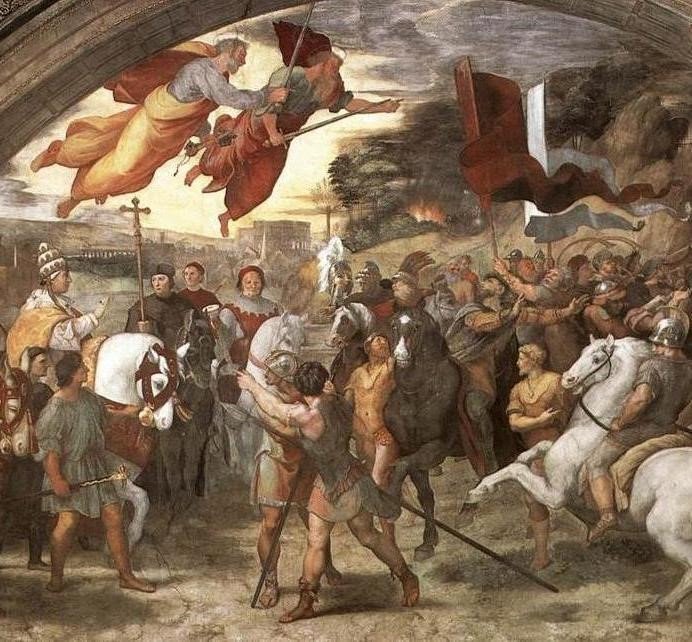
The nickname “Scourge of God” (Flagellum Dei in Latin) reflects how Christians of later centuries saw him: as a punishment sent by God for their sins. His raids through the Balkans, Gaul and Italy were so traumatic that his name remained a byword for terror for centuries. Yet his empire proved fragile. After his death, his sons fought over the inheritance, the subject peoples rebelled, and within a few years the once mighty Hunnic Empire had collapsed.