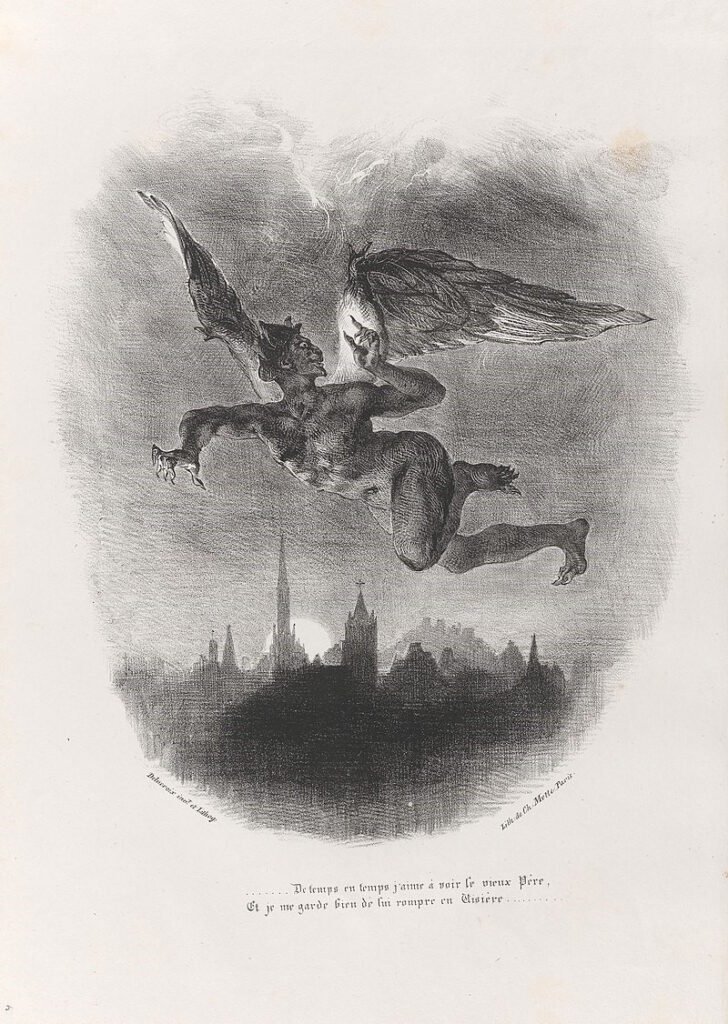
Every culture has created dark spiritual entities to personify malevolence, moral temptation, illness, and destructive disasters. These demonic figures range from rebellious archangels and desert tempters to horned mountain ogres and deceptive spirits of shadow.
Art historical surveys at the Metropolitan Museum of Art demonstrate how demonic depictions evolved across centuries in bronze sculptures, illuminated manuscripts, and woodblock prints. Here are the 10 most famous demons in world folklore and mythology.
10. Mara (Buddhist Tradition)
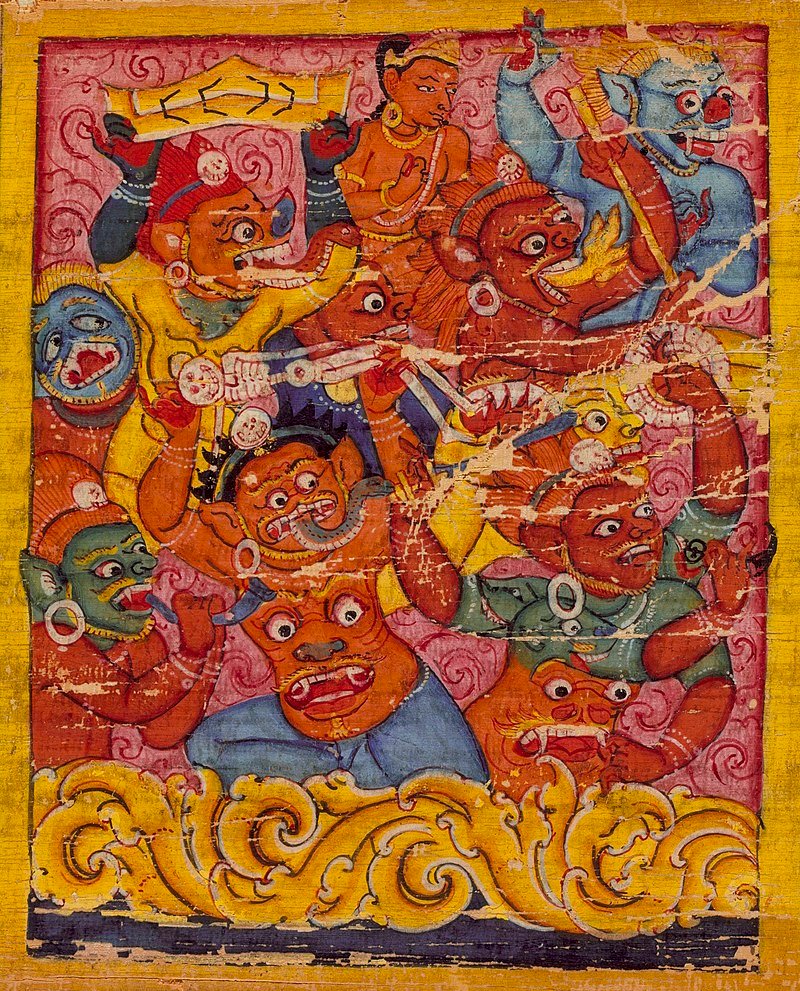
In Buddhist cosmology, Mara is the celestial king of illusion and worldly desire who personifies the spiritual obstacles that prevent enlightenment. He commands legions of horrific monsters as well as seductive dancers to distract spiritual seekers.
Under the Bodhi tree at Bodh Gaya, Mara launched his ultimate assault against Gautama Buddha, hurling storms, flaming rocks, and armies of demons. The Buddha calmly touched the earth with his fingertips, calling the earth itself to witness his virtue and dispersing Mara forces.
9. Oni (Japanese Folklore)

In Japanese folklore and Buddhist mythology, Oni are hulking horned ogres with red or blue skin, sharp fangs, and bulging eyes. Wielding heavy spiked iron clubs called kanabo, they serve as brutal jailers in Buddhist hells, torturing wicked souls with relentless enthusiasm.
During the annual Setsubun festival in Japan, families toss roasted soybeans out their front doors while shouting for fortune to enter and Oni to be banished into the cold night.
8. Djinn (Arabic and Islamic Tradition)
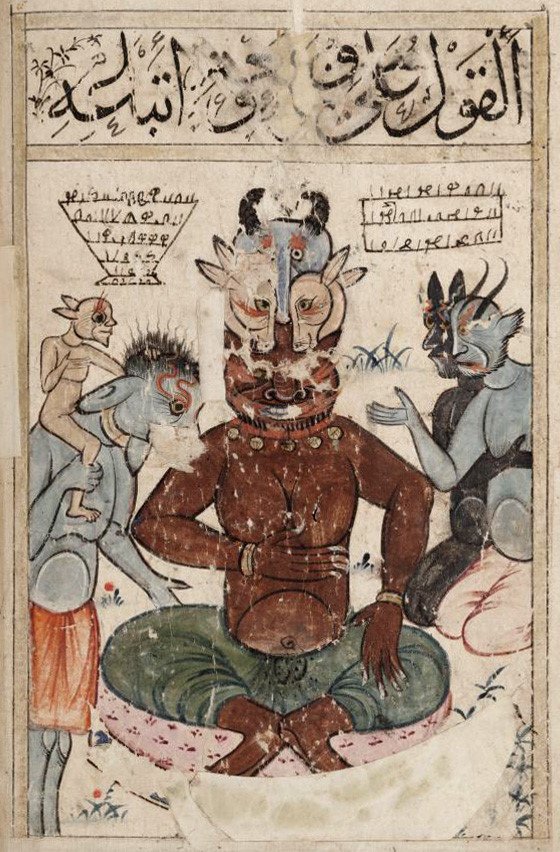
According to Arabian folklore and Islamic theology, the Djinn (Jinn) are supernatural beings created from smokeless fire who inhabit an unseen parallel world alongside humanity. Unlike purely evil demons, Djinn possess free will and can be righteous, mischievous, or outright villainous.
Legendary tales tell how King Solomon received divine authority to command the Djinn, employing their supernatural physical strength to quarry stones for the Temple in Jerusalem and sealing rebellious spirits inside bronze jars.
7. Mephistopheles (German Folklore and Literature)
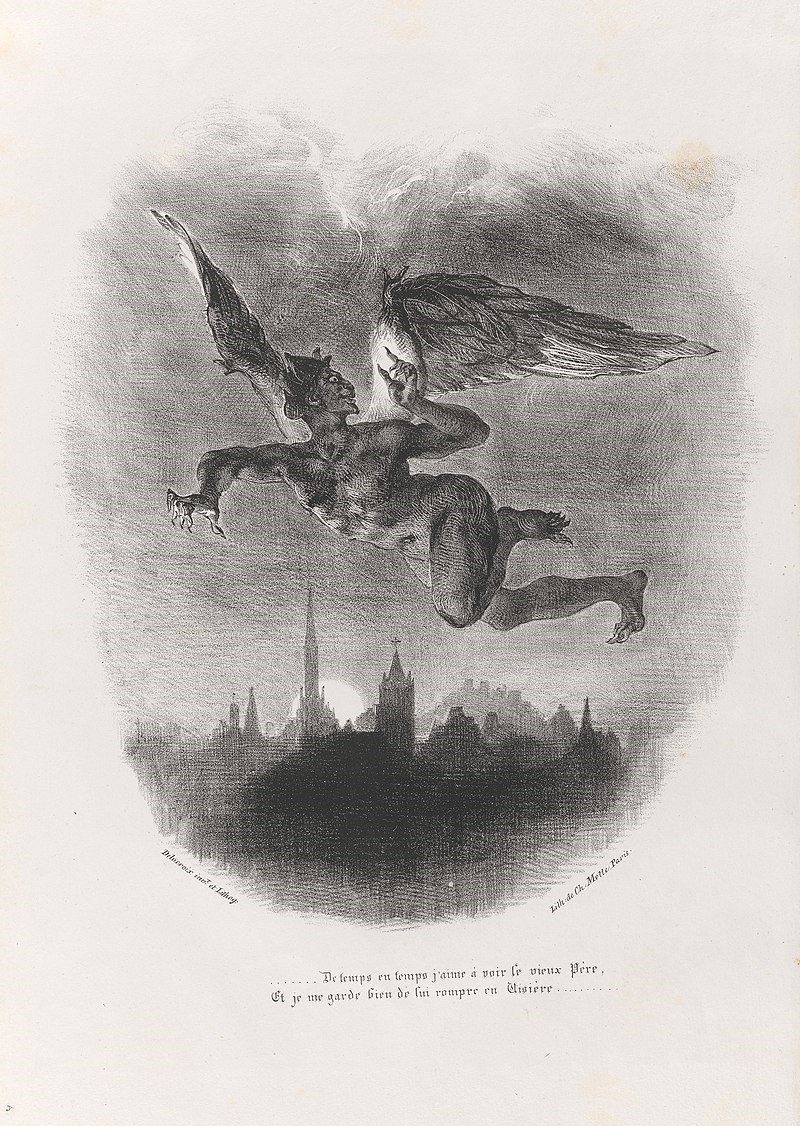
Mephistopheles is the cunning, urbane devil immortalized in the sixteenth century German legend of Faust. Rather than appearing as a savage beast, he presents himself as a sophisticated intellectual scholar who trades worldly knowledge and sensory pleasure for mortal souls.
Johann Wolfgang von Goethe turned Mephistopheles into one of literature most nuanced figures, defining him as the spirit that perpetually negates, challenging human complacency and driving dramatic tragic action.
6. Leviathan (Biblical Tradition)
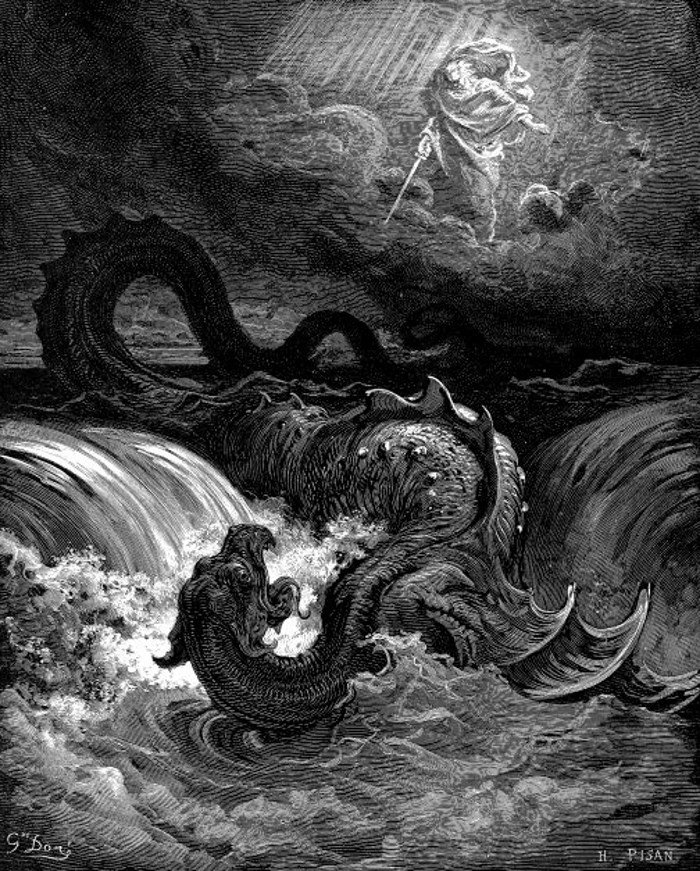
In Christian demonology, the ancient sea monster Leviathan was reinterpreted as one of the seven princes of Hell, specifically embodying the deadly sin of envy. Medieval demonologists associated Leviathan gaping jaws with the literal mouth of Hell.
Illuminated manuscripts frequently portrayed Hellmouth as a colossal serpentine maw swallowing sinners into eternal darkness, symbolizing the consuming chaos of spiritual alienation.
5. Lilith (Mesopotamian and Jewish Folklore)
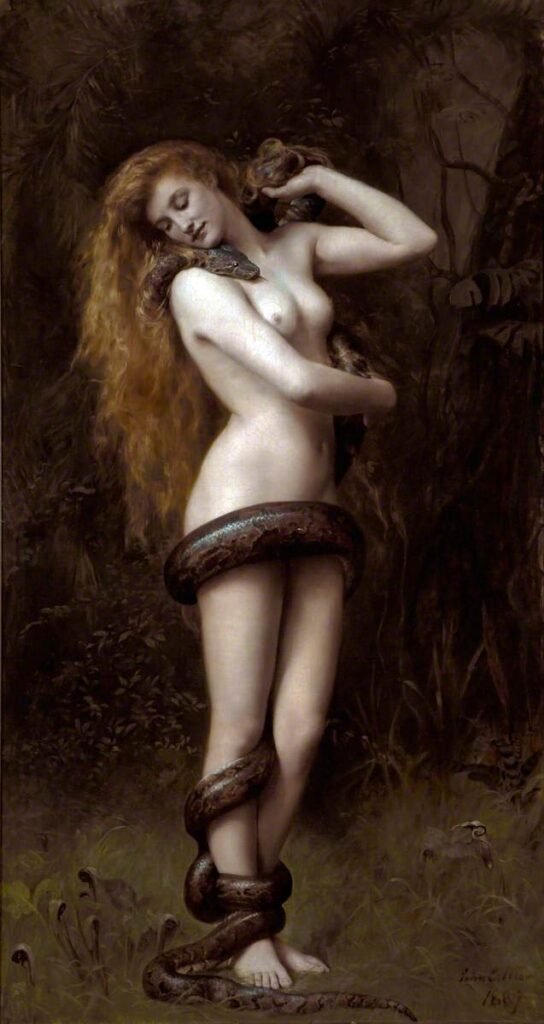
Tracing her origins to Mesopotamian storm demons known as lilitu, Lilith evolved in medieval Jewish folklore into the independent first wife of Adam, created from the same dust rather than his rib. Refusing to submit to subservience, she spoke the divine name and flew to the Red Sea.
In folklore, Lilith was believed to haunt deserted ruins at night, preying upon newborn infants and seducing sleeping men to spawn demonic progeny, leading families to wear protective amulets inscribed with angelic names.
4. Pazuzu (Mesopotamian Mythology)
In ancient Assyrian and Babylonian belief, Pazuzu was the terrifying king of the demons of the southwest wind, bringing scorching summer heat, locust swarms, and ruinous droughts. He possessed the head of a predatory lion, canine fangs, eagle talons, and four wings.
Yet Mesopotamians also invoked Pazuzu as a fierce protector against rival evil spirits, particularly the child snatching demon Lamashtu, hanging bronze Pazuzu amulets in nurseries to repel malicious forces.
3. Asmodeus (Persian, Jewish, and Christian Lore)
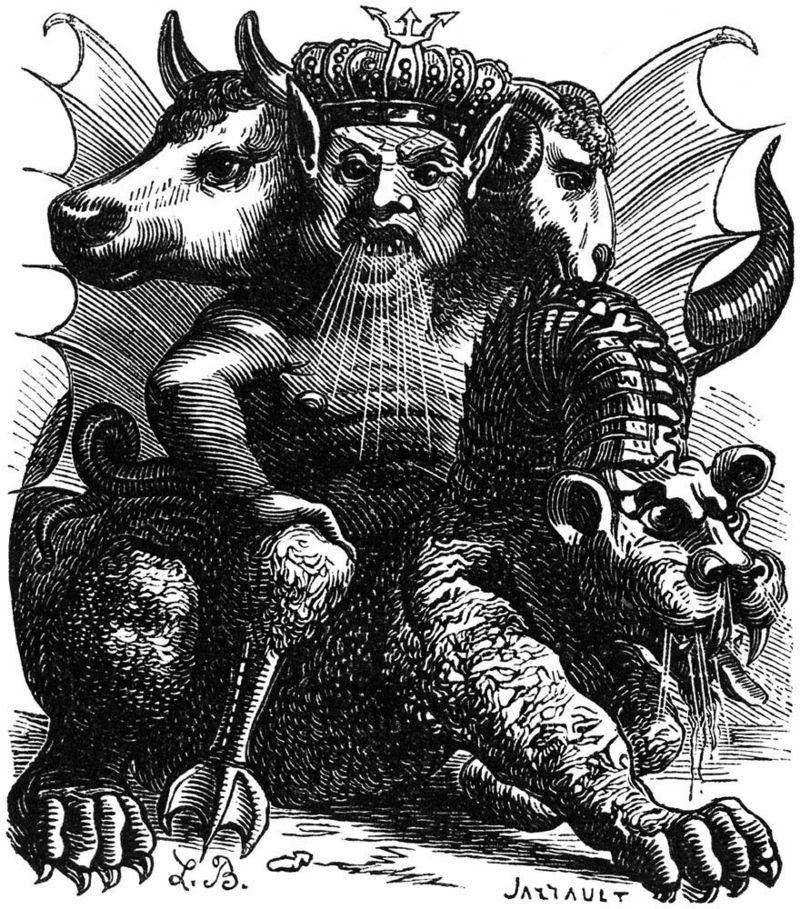
Deriving from the Zoroastrian anger demon Aeshma-deva, Asmodeus became a primary demonic antagonist in the apocryphal Book of Tobit. Lusting after Sarah, he slew her seven successive bridegrooms on their wedding nights before the archangel Raphael banished him with burning fish entrails.
In Renaissance demonology treatises, Asmodeus was designated the prince of lust and gambling, portrayed riding a fire breathing dragon and possessing three heads: a bull, a man, and a ram.
2. Beelzebub (Canaanite and Christian Tradition)
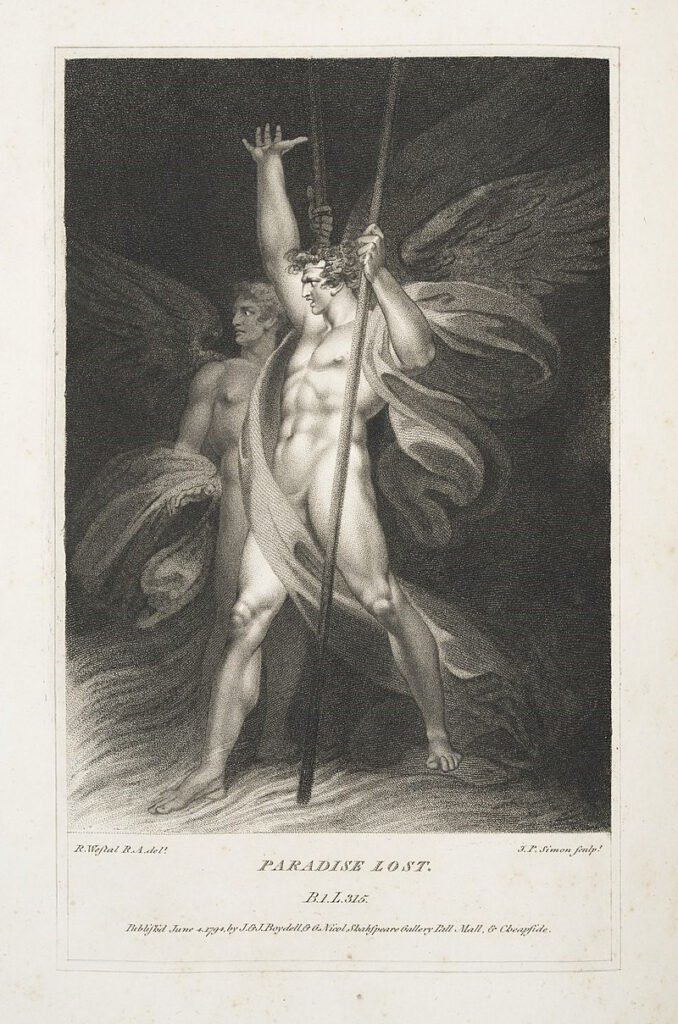
Originally worshiped by the Philistines at Ekron as Baal-Zebub (Lord of the Heavenly Abode), ancient Judean critics mocked the deity as Lord of the Flies. Over centuries, Beelzebub transformed in Christian theology into one of the highest ranking rulers of the demonic realm.
Medieval theologians ranked him as the prince of gluttony and prime lieutenant to Satan, commanding armies of airborne spirits and spreading pestilence across agricultural fields.
1. Lucifer (Christian Tradition)
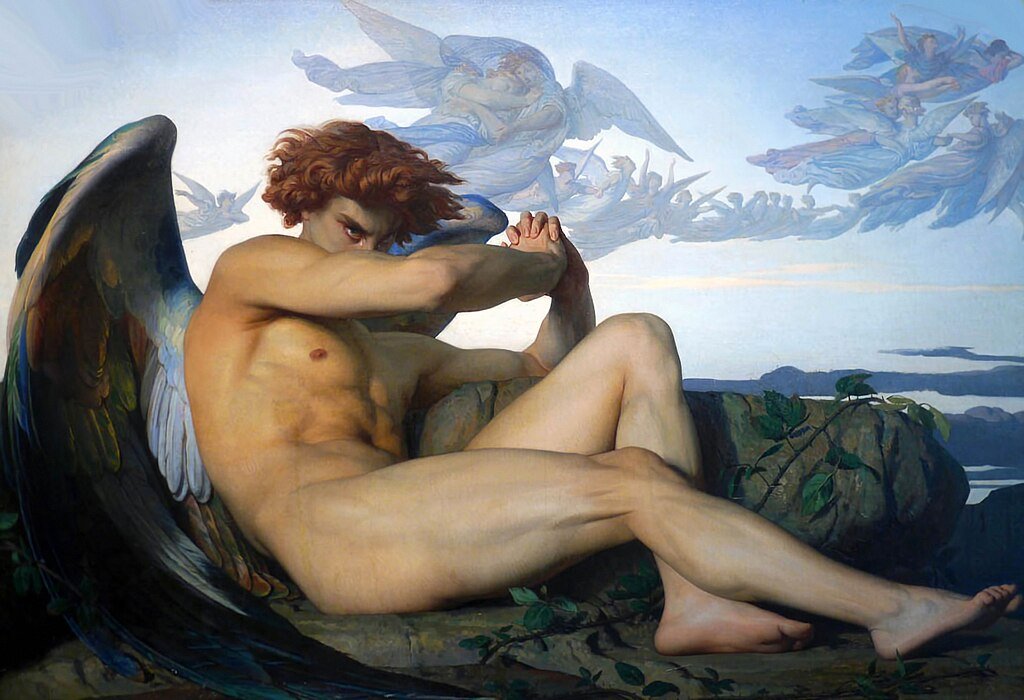
Lucifer, meaning the light bringer in Latin, was originally associated with the morning star Venus. In Christian theology, the name came to represent the highest and most splendid archangel whose overwhelming pride provoked an ill fated rebellion against God.
Cast down from heaven after his defeat by Archangel Michael, Lucifer became Satan, the adversary and supreme lord of darkness. As analyzed in historical theological studies at the World History Encyclopedia, Lucifer descent remains Western culture defining allegory for hubris and spiritual tragedy.
Conclusion
From cautionary moral fables to explanations of natural disasters and illness, demonology reveals how ancestral societies confronted fear and temptation. These entities allowed communities to externalize moral failure and conceptualize cosmic justice.
Their stories continue to fuel contemporary literature, cinema, and cultural imagination, illustrating humanity enduring fascination with the dark side of the spiritual world.