Greek mythology is renowned not only for its Olympian pantheon and mortal champions, but for an astonishing menagerie of hybrid beasts, winged stallions, and predatory guardians. These creatures tested the moral resolve and physical courage of heroes while explaining terrifying natural phenomena.
Classical art collections at the Metropolitan Museum of Art feature hundreds of ancient Greek black and red figure vases depicting encounters with these extraordinary beings. Here are the 10 most famous mythological creatures in Greek storytelling.
10. Satyrs
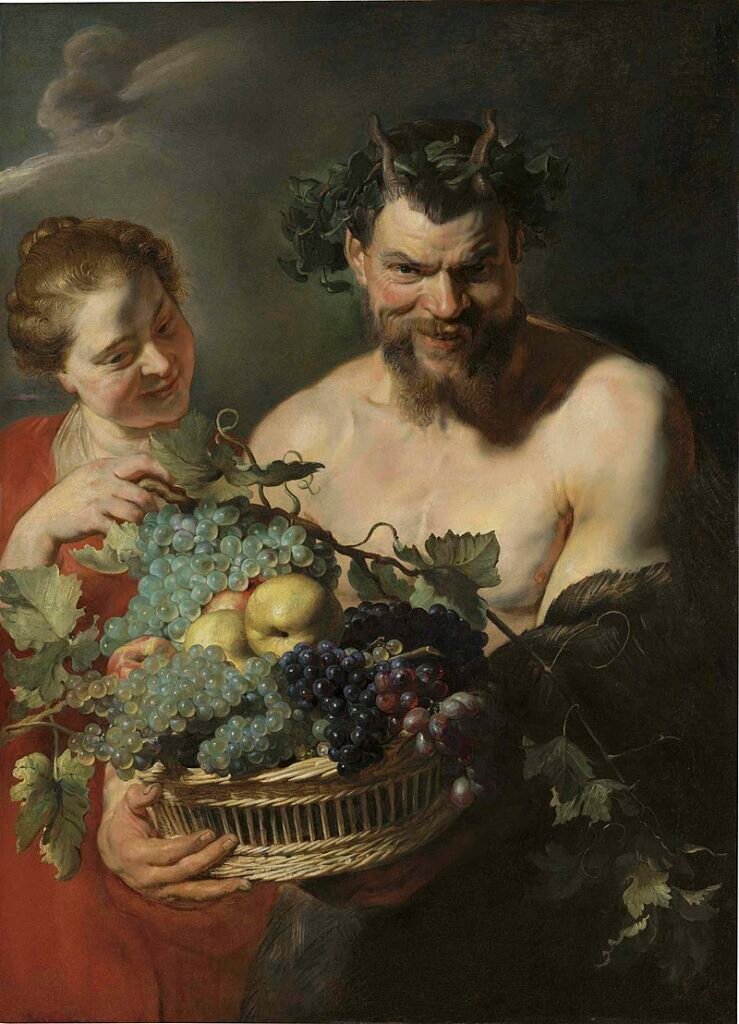
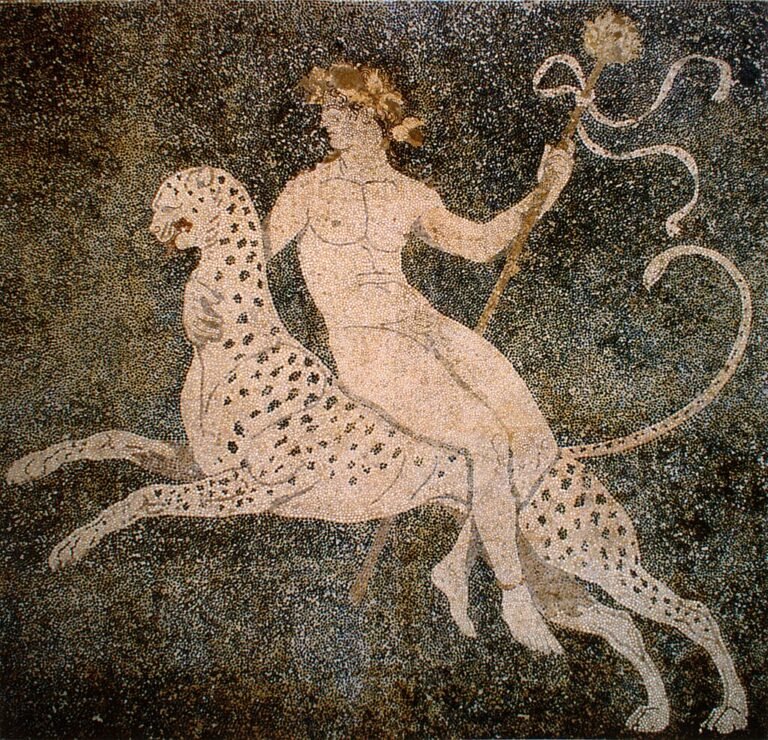
Satyrs were wild woodland nature spirits portrayed with the upper body of a man and the legs, horns, and tail of a goat. Devoted companions of Dionysus, the god of wine, they roamed forests playing double flutes and dancing at ecstatic seasonal festivals.
While often depicted as mischievous and pleasure seeking creatures pursuing nymphs through mountain groves, their elder leader Silenus was considered a possessor of deep philosophical wisdom when sober.
9. The Griffin
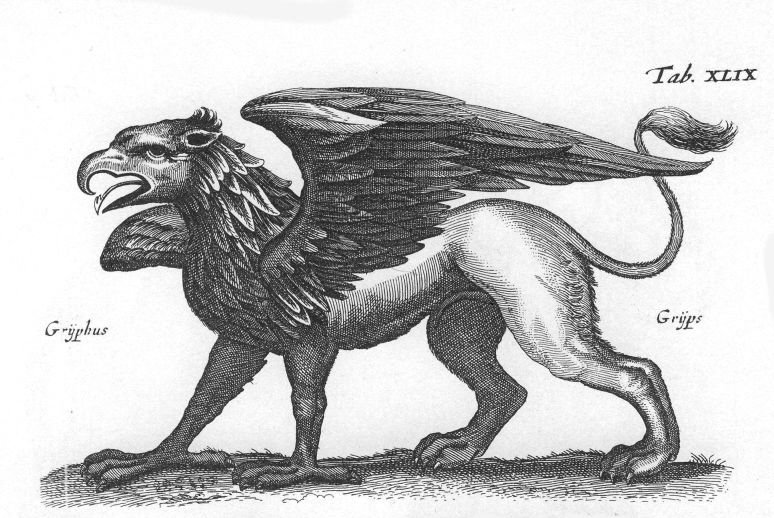
Combining the body of a muscular lion with the head and wings of a majestic eagle, the griffin was revered as the king of all beasts and ruler of the sky. In classical antiquity, griffins were associated with Apollo and said to guard rich gold deposits in northern mountains.
Because both the eagle and lion were considered noble creatures, ancient Greeks viewed the griffin as a symbol of divine majesty, protective vigilance, and courage, frequently sculpting its image on military shields and temple pediments.
8. The Sirens
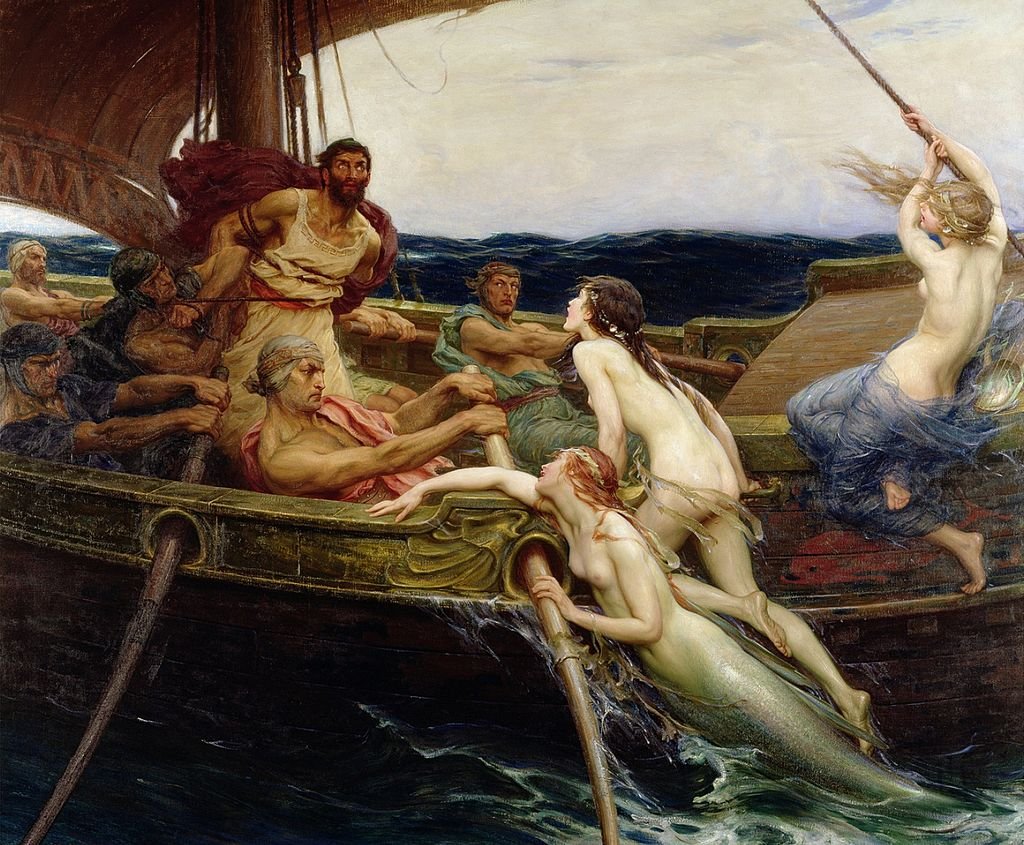
Dwelling on rocky islets in the Tyrrhenian Sea, the Sirens were predatory avian enchantresses whose voices held irresistible musical charm. Sailors who listened to their lyrical verses were drawn into dangerous coastal reefs, where their ships splintered.
When Jason and the Argonauts sailed past their island, Orpheus saved the crew by playing his golden lyre with such surpassing beauty that his acoustic melodies completely drowned out the Sirens deceptive songs.
7. The Sphinx of Thebes
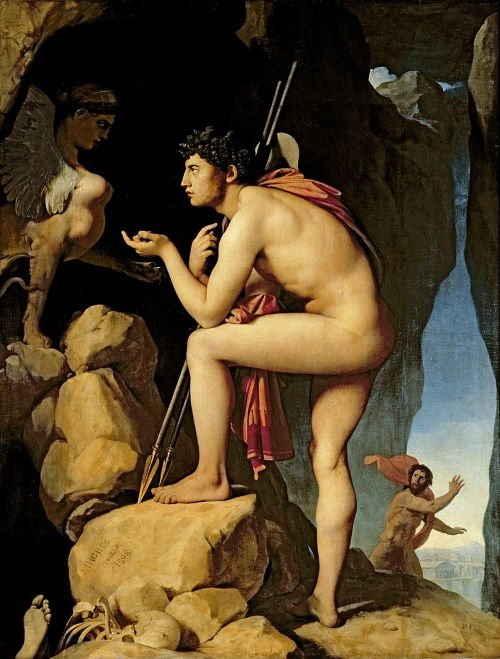
Unlike the benevolent male sphinx of Egypt, the Greek Sphinx was a female monster possessing the body of a lion, eagle wings, and the head of a woman. Sent by Hera to torment Thebes, she sat outside the city gates, demanding that travelers solve an enigmatic riddle.
Those who failed were strangled and devoured. Oedipus finally solved the riddle: what walks on four legs in the morning, two legs at noon, and three in the evening (Man). Defeated by human intellect, the Sphinx cast herself off the city rocks.
6. Pegasus
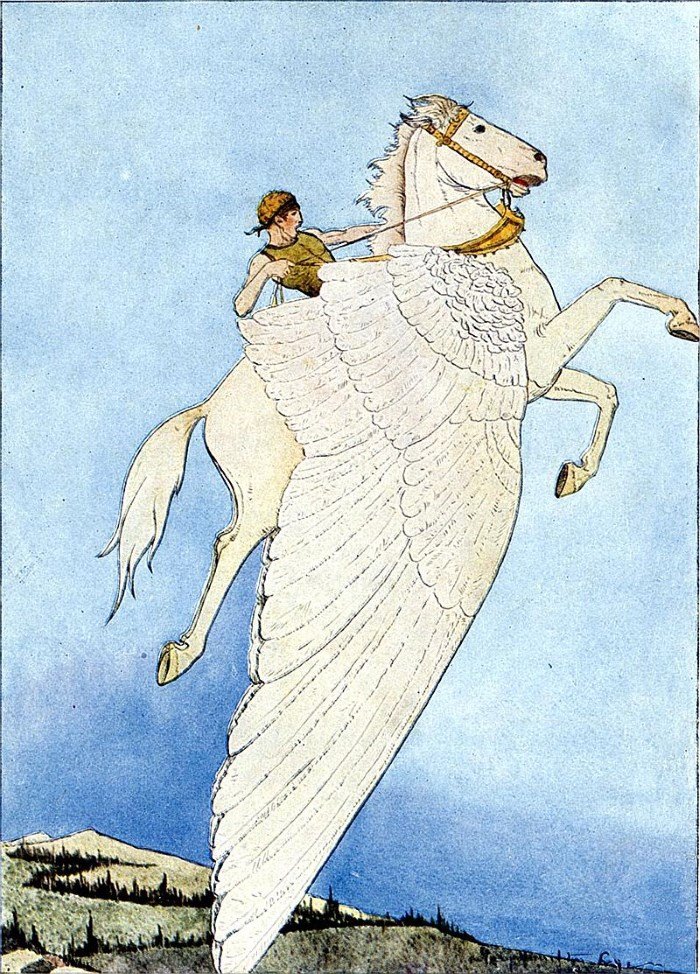
Pegasus was the magnificent pure white winged stallion born from the neck of Medusa when Perseus severed her head. Ascending into the clouds, the celestial horse struck Mount Helicon with his hoof, creating the Hippocrene spring that inspired the Muses.
Hero Bellerophon tamed Pegasus with Athena golden bridle, riding the flying steed into battle to defeat the Chimera and the Amazons before Pegasus took his permanent place among the stars as a constellation.
5. The Chimera
Spawning from Typhon and Echidna, the Chimera was a monstrous fire breathing hybrid with the body of a lion, a goat head emerging from its spine, and a venomous serpent for a tail. Rampaging across Lycia, the beast scorched villages and farmlands with billowing flames.
Bellerophon vanquished the creature from above while riding Pegasus, dropping a weighted block of lead into the beast flaming gullet, which melted from the monster fiery breath and suffocated it from within.
4. The Minotaur
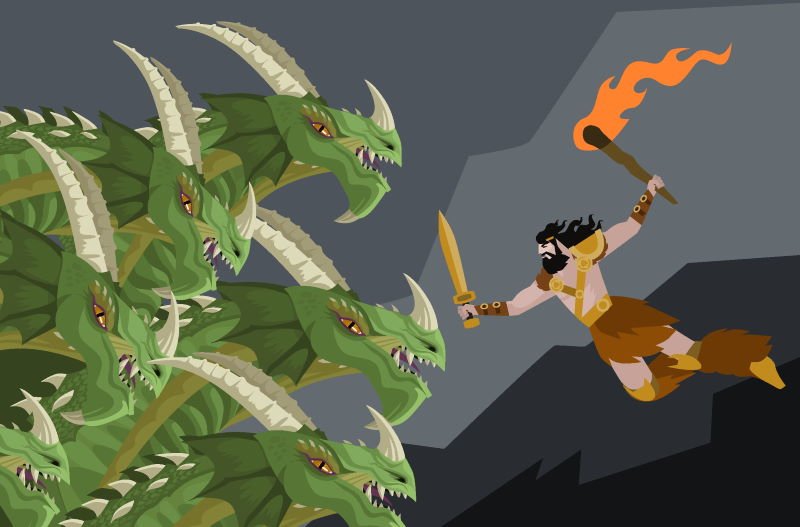
Born from the cursed union of Queen Pasiphae and the Cretan Bull, the Minotaur had the muscular torso of a man and the savage head and horns of a bull. Terrified of the beast violent fury, King Minos commissioned architect Daedalus to construct the labyrinth at Knossos to imprison it.
Athens was forced to send seven youths and seven maidens every nine years into the maze as fodder. Prince Theseus volunteered, tracked the beast with Ariadne thread, and killed the Minotaur with bare hands.
3. Cerberus
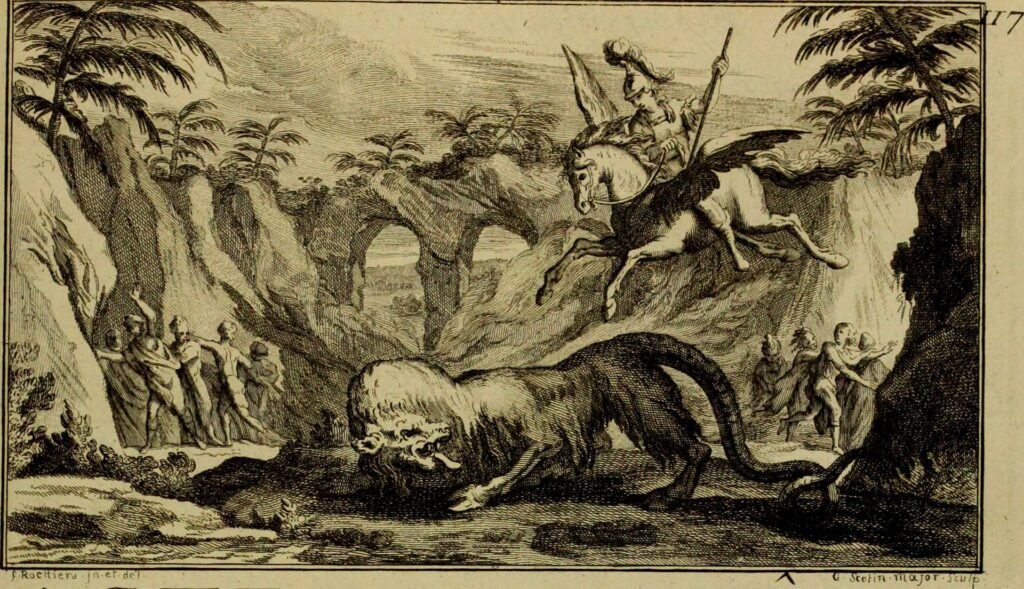
Cerberus was the ferocious three headed hound guarding the entrance to the Underworld. With serpents writhing along his spine and a dragon tail, he permitted arriving deceased souls to enter the kingdom of Hades, but devoured anyone attempting to escape back to the sunlit world.
Hercules captured Cerberus as his twelfth labor, subduing the hound through pure physical wrestling strength without using weapons and presenting him briefly to King Eurystheus before returning him to his post.
2. Medusa and the Gorgons
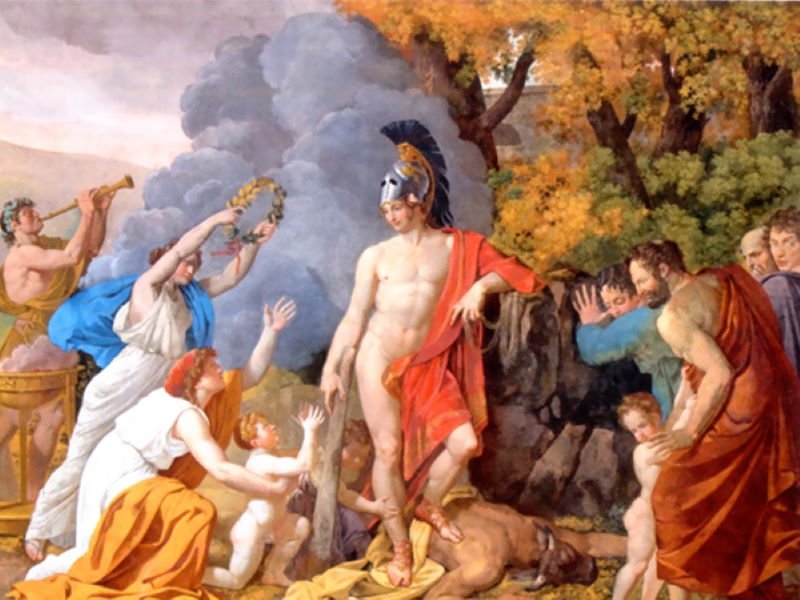
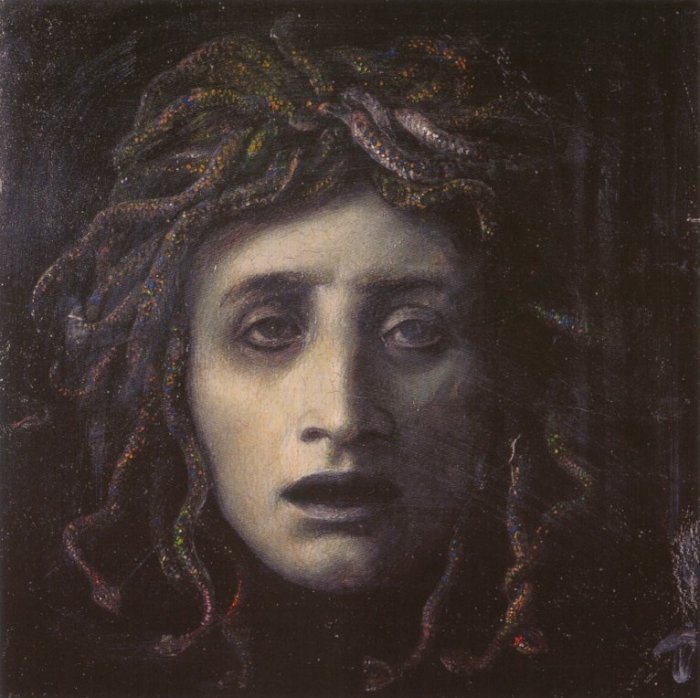
Medusa was the only mortal among the three Gorgon sisters, distinguished by living venomous vipers for hair and bronze hands. Any living human who looked directly into her eyes was instantly transformed into lifeless stone.
Perseus severed her head by looking solely at her reflection in Athena polished bronze shield. Even in death, Medusa head retained its petrifying power, used by Perseus to rescue princess Andromeda before Athena mounted the Gorgoneion upon her divine aegis shield.
1. The Centaur
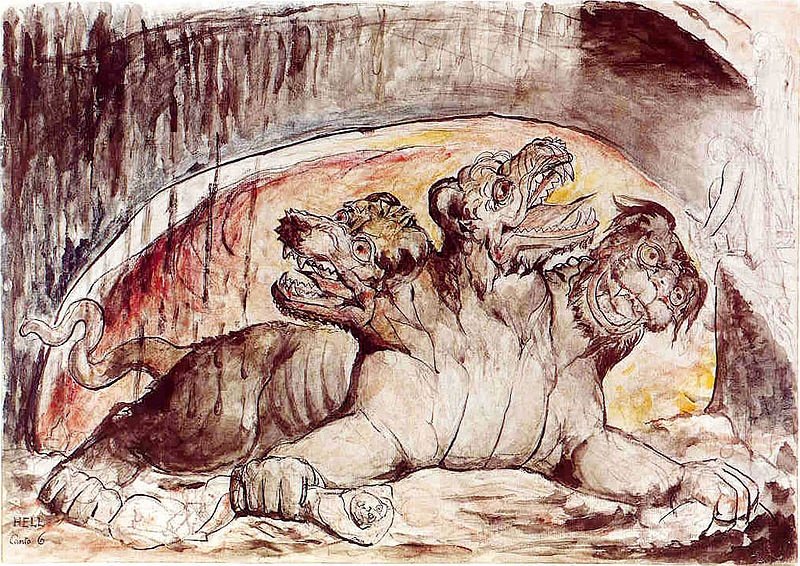
Holding the foremost rank among Greek creatures, centaurs possessed the upper body of a human seamlessly joined to the torso and legs of a horse. Dwelling in the wild forests of Mount Pelion, they represented the dual nature of man, balancing civilizing intellect against untamed animal instincts.
While most centaurs were rowdy and bellicose, their wise elder Chiron was revered as a doctor, musician, and noble tutor who personally educated Hercules, Achilles, Jason, and Asclepius. As documented at the World History Encyclopedia, Chiron sacrificed his immortality to free Prometheus from his chains.
Conclusion
The fantastical creatures of Greek mythology endure because they personified humanity deepest internal conflicts. They blended animal ferocity with human characteristics, forcing heroes and listeners to confront primal instincts.
From the tragic labyrinth of the Minotaur to the starry flight of Pegasus, these legendary creatures remain foundational elements of classical fantasy literature.