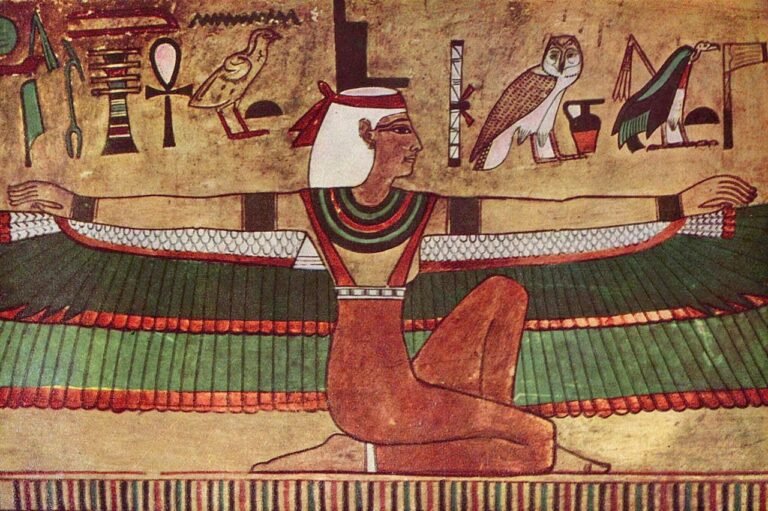
Across ancient storytelling traditions, few creations stimulated the imagination like chimeras, extraordinary hybrid beasts composed of mismatched anatomical parts from different animal species. By fusing the predatory traits of lions, serpents, eagles, and goats, ancient cultures conceptualized entities that crossed normal boundaries of nature.
Scholarly analyses at the World History Encyclopedia indicate that hybrid creatures often represented cosmic paradoxes, divine protection, or untamed wilderness. Here are 10 of the most fascinating chimeras and hybrid creatures in world mythology.
10. Surma, the Hound of the Underworld
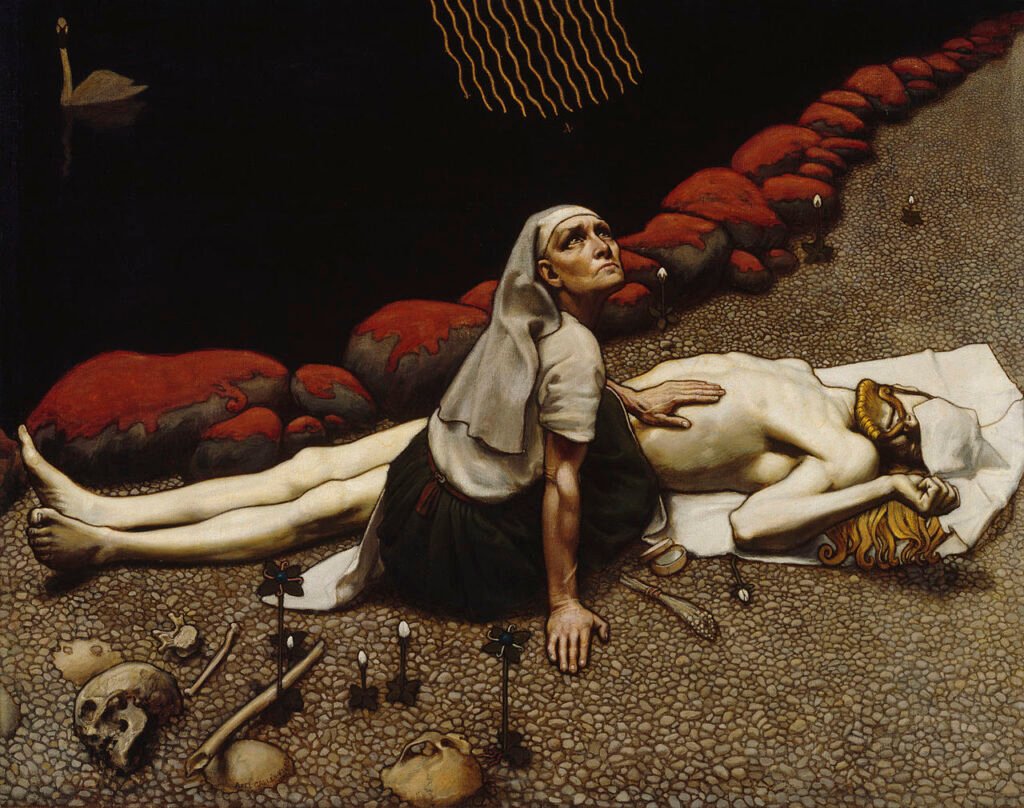
In Finnish and Karelian mythology, Surma is a terrible beast of violent death personified as a hybrid combining a vicious dog with serpentine coils. Guarding the gates of Tuonela, the Finnish underworld realm of the dead, he ensures no departed soul can return to the land of the living.
His name literally means death in Finnish. In folklore, Surma sudden glare could strike travelers with fatal heart attacks, reminding forest dwellers of the sudden finality of mortality.
9. Ao Ao, the Carnivorous Sheep of South America
In Guarani mythology of Paraguay, Ao Ao was the sixth cursed monster child of Tau and Kerana. Outwardly resembling an immense sheep or peccary, he possessed lethal carnivorous fangs, razor claws, and boundless stamina.
Ao Ao hunted human travelers relentlessly through dense subtropical jungles. His only vulnerability was sacred palm trees; climbing an ordinary tree resulted in the beast digging out the roots, whereas climbing a holy pindó palm tree was the only way to escape his predatory jaws.
8. Hippocampus, the Steed of Poseidon
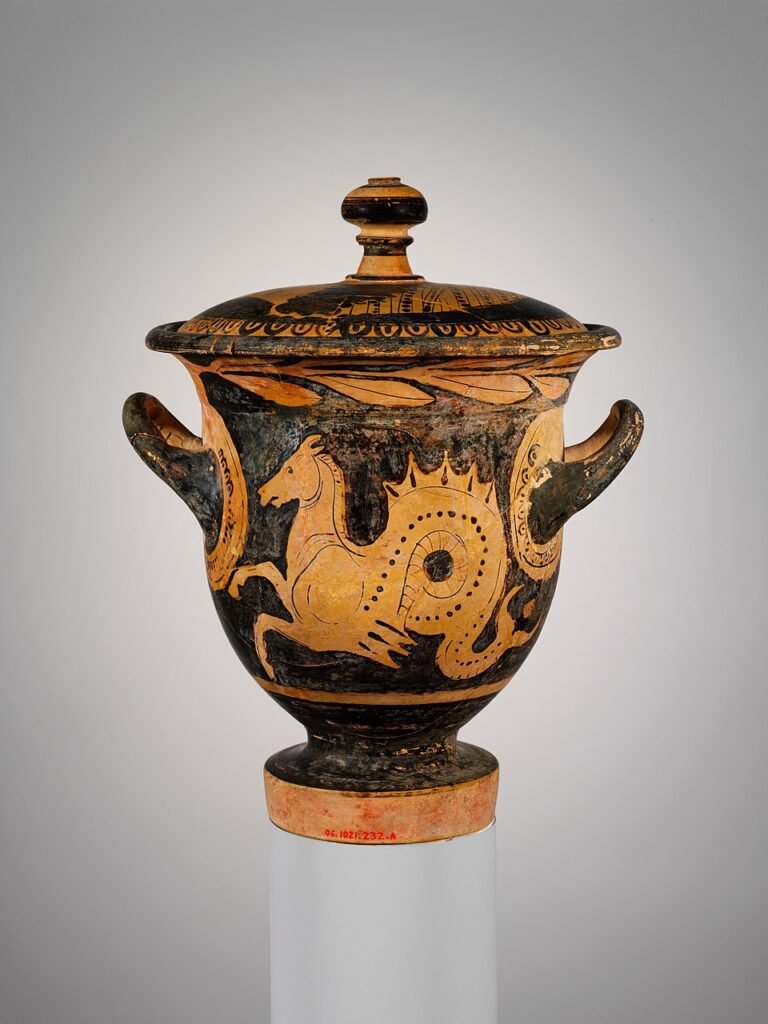
In Greco Roman mythology, the Hippocampus was a majestic hybrid possessing the forequarters, head, and mane of a spirited horse and the scaly coiled tail and fins of a fish or dolphin. Revering them as loyal mounts, Poseidon hitched teams of golden maned hippocampi to his sea chariot.
Their galloping over ocean swells created foaming crests and calm waters, leading ancient Mediterranean mariners to carve hippocampus figureheads on merchant galleys for safe passage.
7. The Seraphim, Fiery Winged Guardians
Described in the biblical vision of the prophet Isaiah, Seraphim are celestial beings associated with burning divine fire and purity. Their Hebrew name derives from a root meaning burning serpent. Possessing six wings, two cover their faces in reverent humility, two cover their feet, and two sustain their flight.
Hovering above the throne of God, they chant eternal praises that cause temple doorposts to shake, purifying mortal lips with glowing embers taken from the celestial altar.
6. Fravashi, the Winged Persian Guardian Spirit
In ancient Persian Zoroastrian tradition, the Faravahar or Fravashi represents the immortal divine spark and personal guardian spirit of every human soul. Portrayed as a mature, dignified elder rising from the body of a magnificent winged eagle, it symbolizes the ascent of the soul toward truth.
The three layers of feathers on its great wings represent the core Zoroastrian moral triad: good thoughts, good words, and good deeds, serving as a noble emblem of ancient Persian culture.
5. Ammit, the Egyptian Devourer of Souls
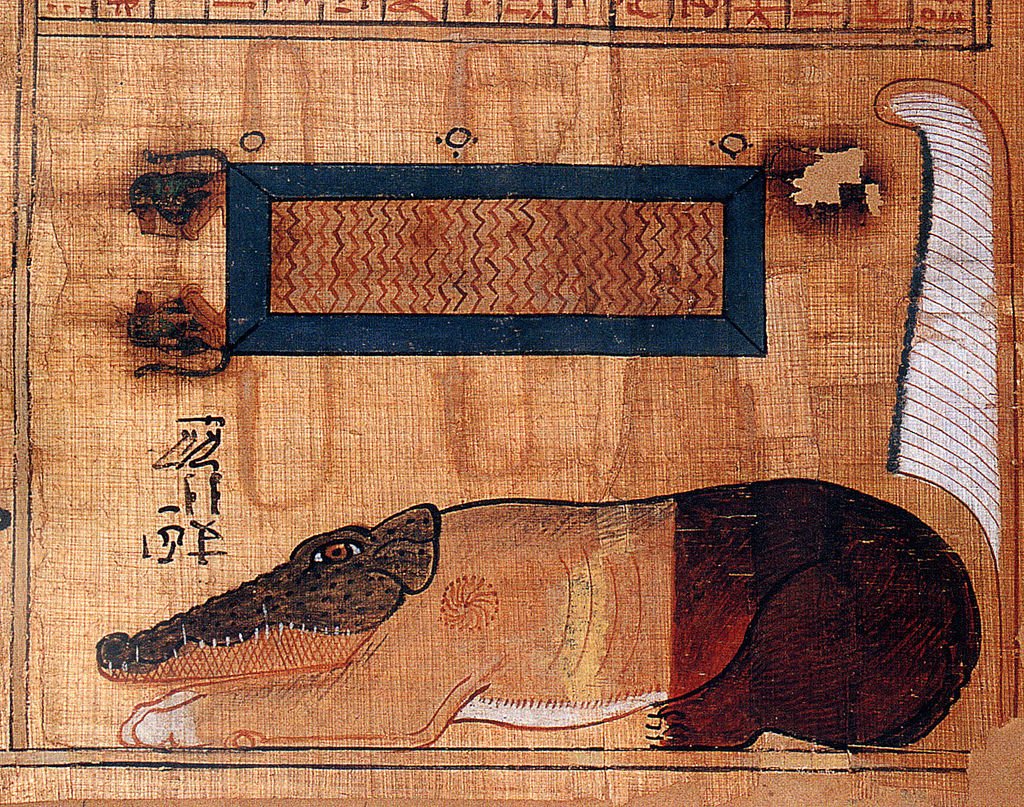
Ammit was the dreaded funerary chimera of ancient Egypt, combining the three apex predators along the Nile River: the head of an aggressive crocodile, the muscular torso of a lioness, and the hindquarters of a hippopotamus.
Sitting beside the scales of Maat during the Weighing of the Heart ceremony in Duat, Ammit devoured the hearts of unrighteous souls, condemning them to the dreaded second death of absolute nonexistence.
4. Ganesha, the Elephant Headed Lord of Beginnings
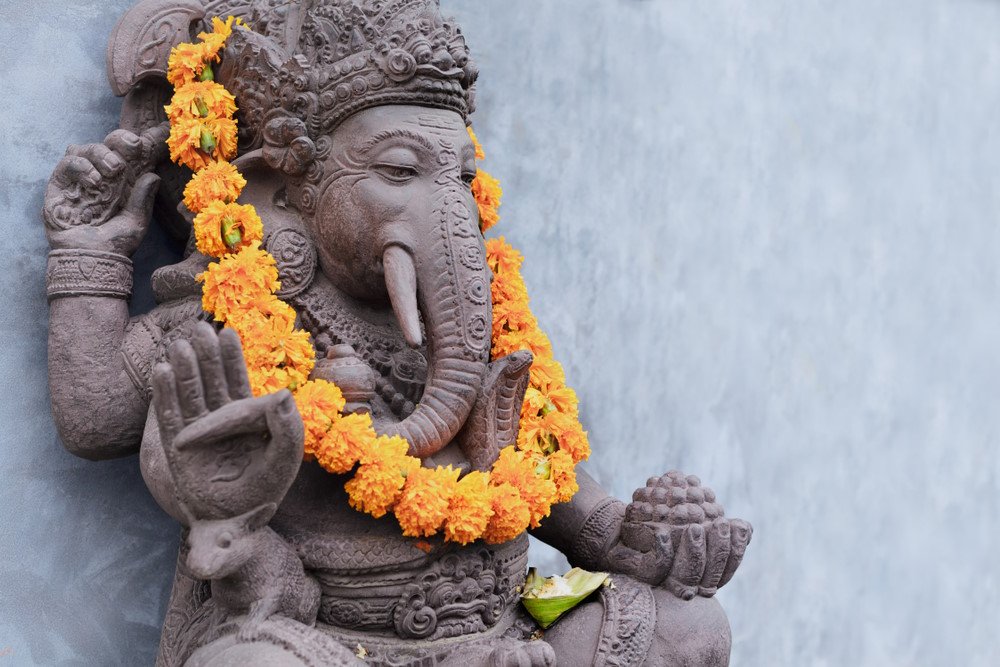
One of the most widely worshiped deities in Hinduism, Ganesha is portrayed with the body of a four armed child and the head of an elephant, accompanied by his faithful companion the mouse. Son of Shiva and Parvati, he is revered as the remover of obstacles and patron of learning.
According to sacred texts, Parvati crafted Ganesha from sandalwood paste to guard her chamber. When Shiva accidentally severed the boy head in a misunderstanding, he replaced it with that of a noble elephant, granting him divine status over all beginnings.
3. The Griffin, Emperor of Beasts
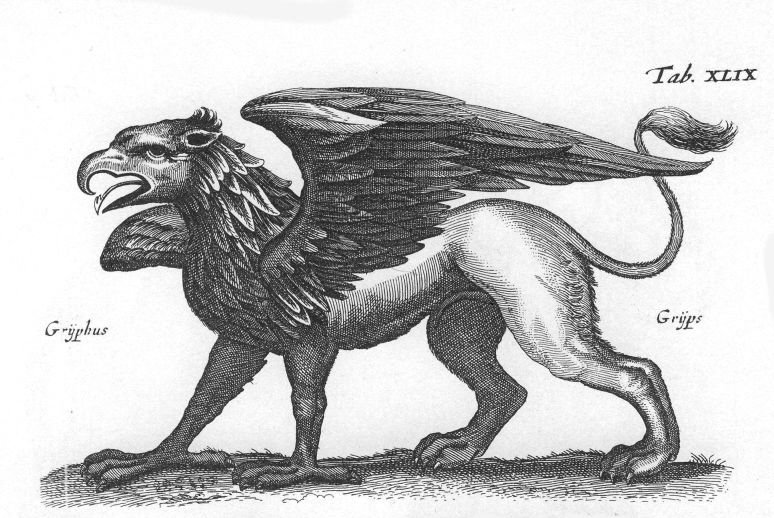
Combining the body, hind legs, and tail of a lion with the head, wings, and talons of an eagle, the griffin was hailed in medieval bestiaries as the undisputed king of all beasts and ruler of the skies. In antiquity, they were believed to guard immense gold treasures in central Asian mountains.
Because both the eagle and lion were considered noble apex predators, medieval Christian heraldry adopted the griffin as an emblem of divine dual nature, blending earthly courage with celestial vision.
2. Pegasus, the Winged Stallion
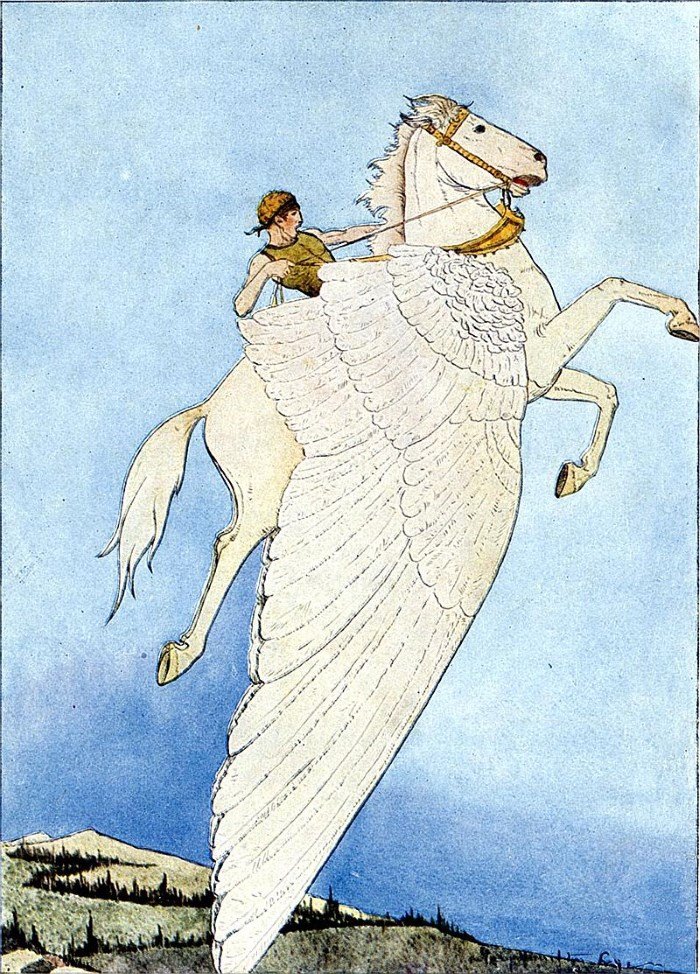
Born from the severed neck of the Gorgon Medusa, Pegasus was a pure white stallion possessing radiant feathered wings. Soaring effortlessly across mountain ranges, the celestial horse struck Mount Helicon with his hoof, creating the sacred Hippocrene fountain of poetic inspiration.
Tamed by the hero Bellerophon with Athena golden bridle, Pegasus flew into battle to defeat the Chimera before ascending to Olympus to carry thunderbolts for Zeus, eventually being immortalized among the stars as a constellation.
1. The Greek Chimera, the Primordial Fire Breather
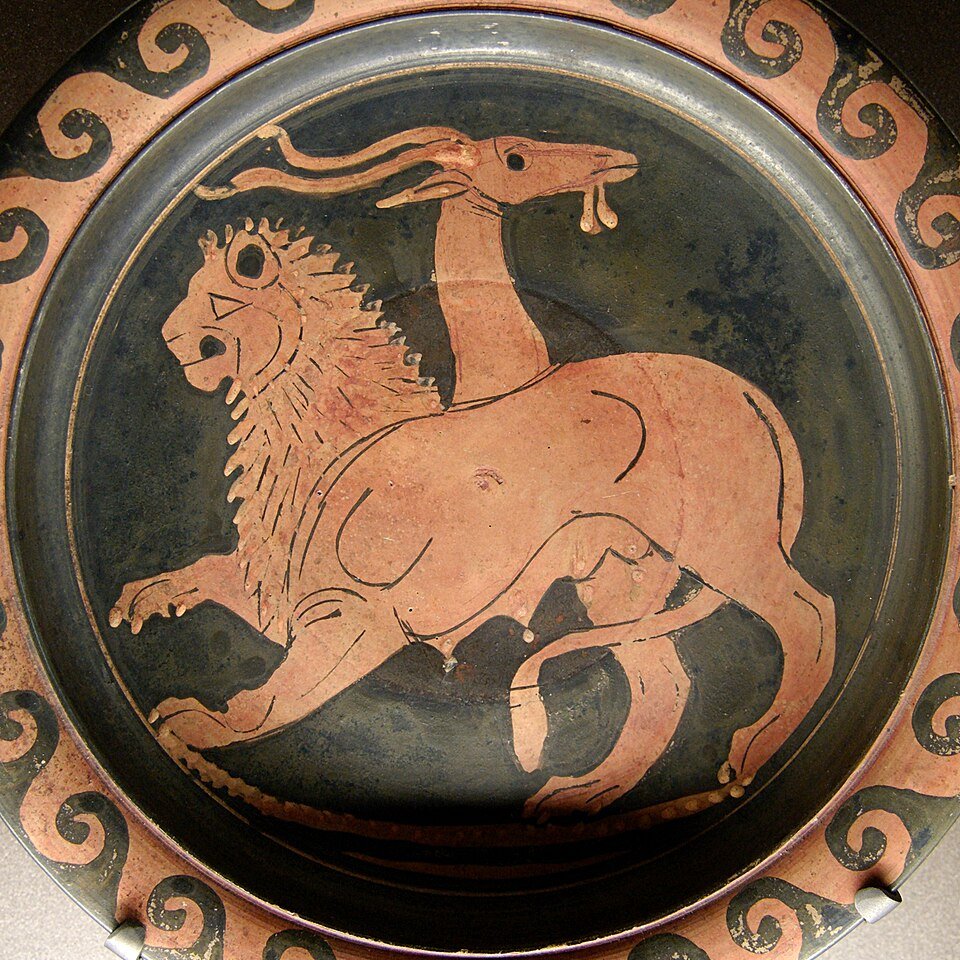
The original namesake of all hybrid beasts in world literature, the Chimera of Lycia was a monstrous female creature spawned by Typhon and Echidna. She possessed the muscular body of a lion, a fire snorting goat head projecting from her spine, and a venomous serpent for a tail.
As analyzed in classical mythological archives at Britannica Classical Mythology, the Chimera personified catastrophic volcanic gas eruptions along the Mediterranean coast until hero Bellerophon dropped a lead block into her fiery gullet from the air, suffocating her from within.
Conclusion
Chimeras reflect human curiosity and our instinctive drive to recombine the wonders of the natural world. By fusing different animals, ancestral storytellers created powerful symbols that challenged simple classifications.
From heraldic shields to modern fantasy fiction, these extraordinary hybrid beasts continue to enchant and inspire creative minds across cultures.