Modern medicine is one of humanity’s greatest achievements. But the road to get here was long, and paved with treatments that make us shudder today.
Doctors meant well, most of the time. They simply did not know any better. These are ten of the strangest treatments from medical history, some of which were still in use within living memory.
1. Drilling holes in the skull
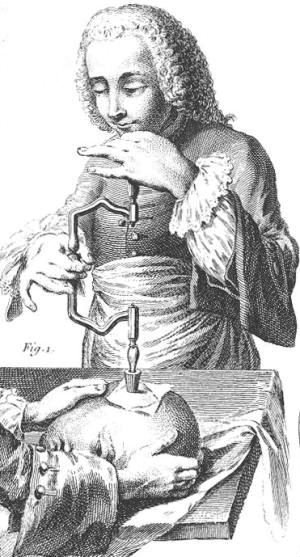
Trepanation, drilling or scraping a hole in someone’s skull, is one of the oldest surgical procedures known. Skulls with these holes have been found from the Stone Age onward, all over the world.
The reasons may have been to release evil spirits, cure headaches or treat head injuries. Remarkably, many patients survived: archaeologists can see that the bone around the hole often healed.
2. Bloodletting
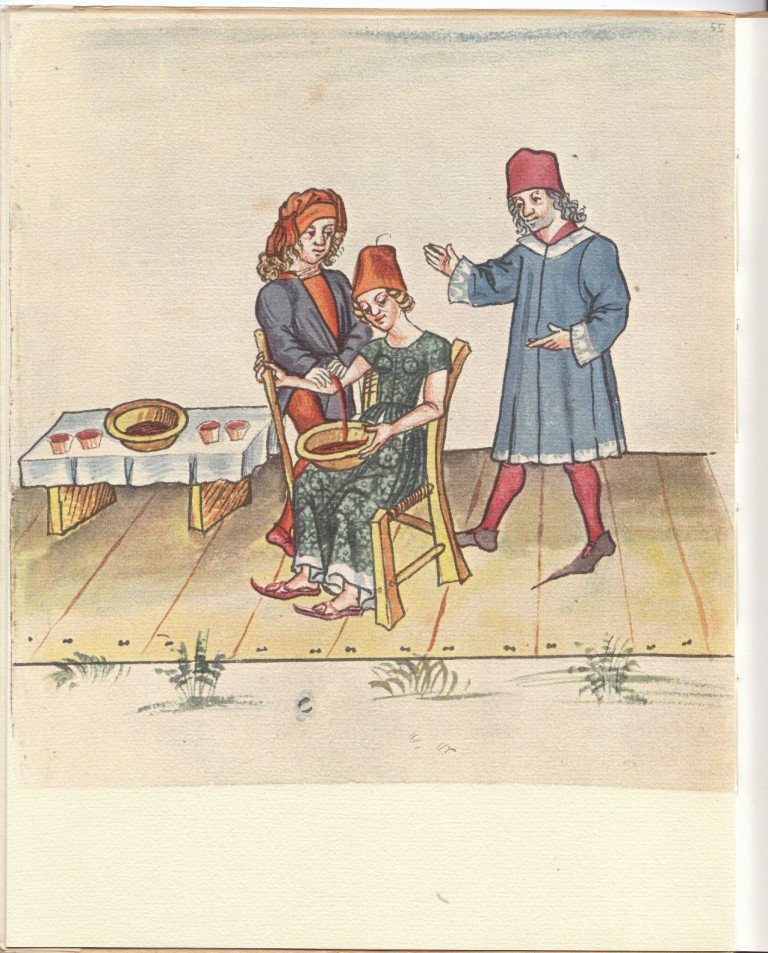
For more than 2,000 years, doctors believed that illness was caused by an imbalance of the body’s “humors”, and that draining blood would restore the balance. Bloodletting, by cutting a vein or using leeches, was used for almost everything.
It probably killed more people than it cured. In 1799, doctors treating George Washington for a throat infection drained an estimated 40 percent of his blood. He died the same day.
3. Mercury for syphilis
For centuries, the standard treatment for syphilis was mercury, rubbed on the skin, inhaled as vapor or swallowed. It led to a grim saying: “A night with Venus, a lifetime with Mercury.”
The side effects were horrific: teeth falling out, ulcers, kidney damage and nerve damage. Mercury was also an ingredient in teething powders for babies well into the 20th century.
4. Morphine for babies
In the 19th century, exhausted parents could buy “soothing syrups” to calm crying and teething babies. One of the best-known brands, Mrs. Winslow’s Soothing Syrup, contained morphine.
It certainly made babies quiet, sometimes permanently. The syrups were linked to many infant deaths, and in 1911 the American Medical Association labeled Mrs. Winslow’s a “baby killer”. It still stayed on sale for years afterward.
5. Heroin cough syrup
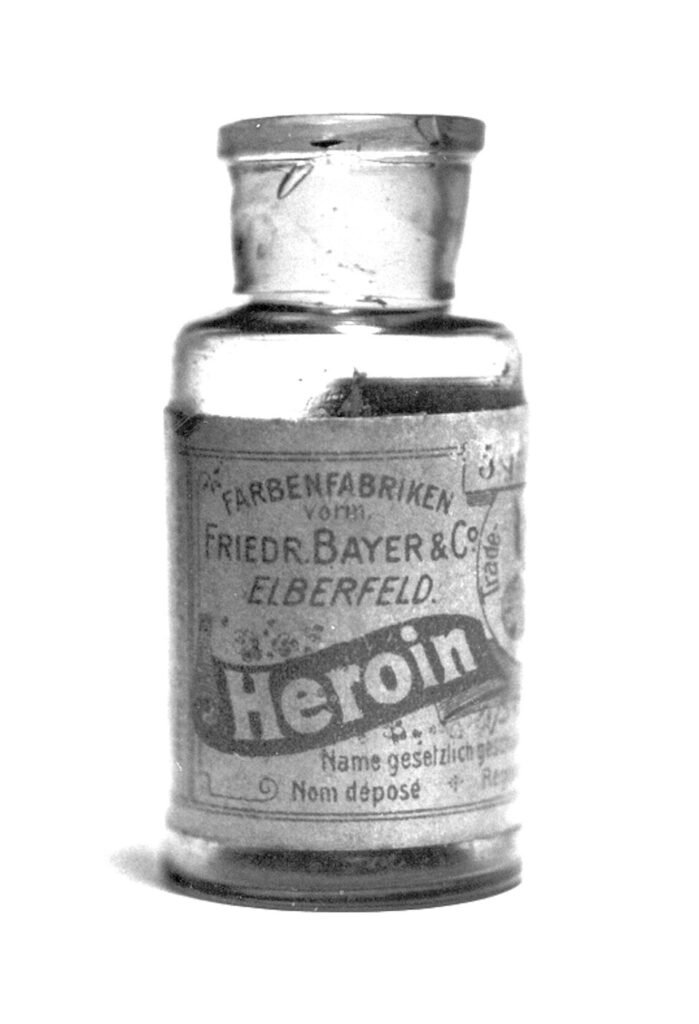
In 1898, the German company Bayer started selling a new drug under the brand name Heroin. It was marketed as a cough suppressant and a supposedly non-addictive alternative to morphine, including for children.
It soon became clear that heroin was even more addictive than morphine. Bayer stopped making it in 1913, and the United States banned it in 1924.
6. Electric belts for impotence
Around 1900, electricity was the exciting new technology, and quacks were quick to sell it as a cure for everything. Electric belts, worn around the waist with a pouch for the genitals, promised to restore “manly vigor”.
The belts delivered a mild current and were advertised in respectable newspapers and even the Sears catalog. Whatever effect they had was almost certainly in the mind.
7. Dangerous diet pills
The quest for easy weight loss has produced some frightening products. In the early 1900s, advertisements promoted pills that supposedly contained tapeworm eggs; whether real tapeworms were sold is doubtful, but the idea alone is horrifying.
In the 1930s, a chemical called dinitrophenol, originally used in explosives, was sold as a diet drug. It did speed up metabolism, but it also caused cataracts and fatal overheating. It was banned for human use in 1938, but it still turns up for sale online today.
8. Lobotomy
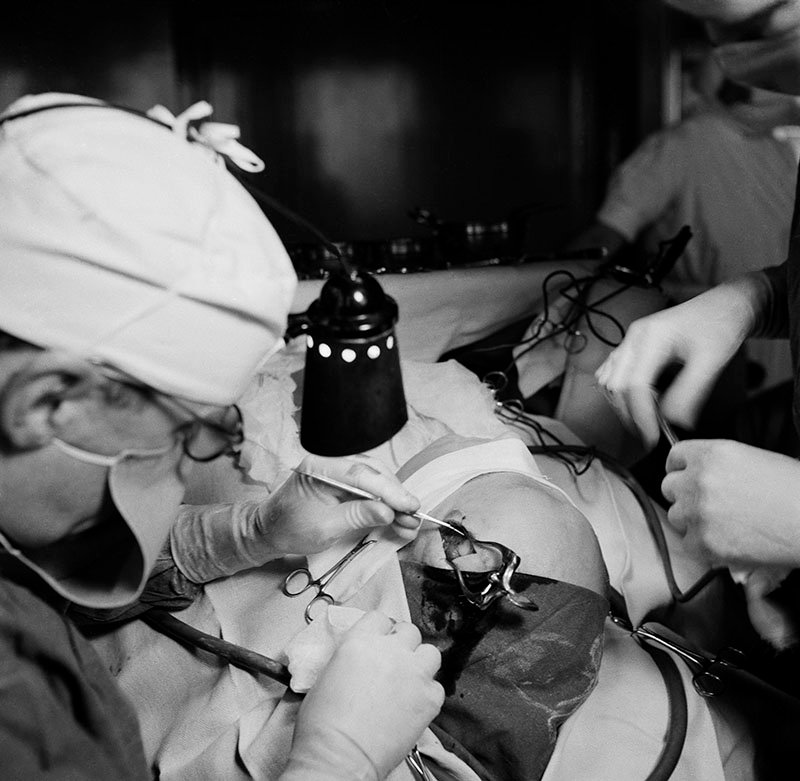
In the 1930s, Portuguese neurologist António Egas Moniz developed a procedure to treat mental illness by cutting connections in the front part of the brain. He even won the Nobel Prize for it in 1949.
In the United States, Walter Freeman took it further with the “ice pick” lobotomy, pushing an instrument through the eye socket into the brain. He performed it thousands of times, sometimes in minutes. Many patients were left permanently disabled, including Rosemary Kennedy, the sister of President John F. Kennedy.
9. Drinking urine
Urine therapy, drinking your own urine or applying it to the skin, has been promoted as a remedy for centuries, in many cultures. It was used against everything from skin conditions to infections.
There is no scientific evidence that it works. Urine is a waste product that the body is trying to get rid of. Remarkably, the practice still has followers today.
10. Treatments for “hysteria”
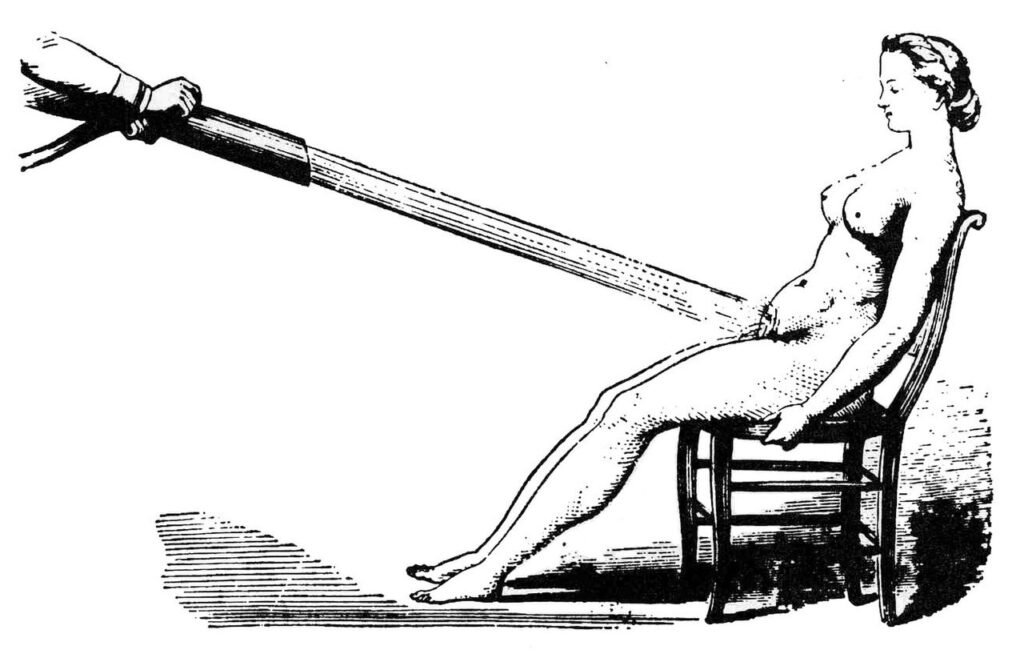
For centuries, women with almost any complaint, from anxiety to fainting to simply being difficult, could be diagnosed with hysteria. The name comes from the Greek word for womb, which was long thought to cause the condition.
Treatments ranged from bed rest and isolation to removing the ovaries. A popular story claims that Victorian doctors invented the vibrator to treat hysteria, but historians have since found little evidence for it. Hysteria was finally removed as a diagnosis in 1980.