Your body contains dozens of organs, each with its own job, and they work together in systems such as the digestive system and the nervous system. Some are surprisingly small, while others weigh more than a kilogram.
These are the ten largest organs in the human body, ranked by average weight in adults. Weights vary a lot from person to person and depend on sex, body size and age, so treat the figures as rough averages.
10. Prostate: about 20 grams
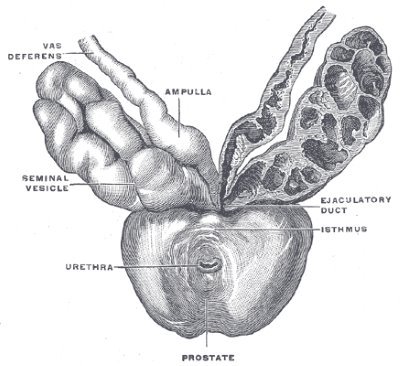
In men, the prostate is a walnut-sized gland that sits just below the bladder and surrounds the urethra. It produces a milky fluid that makes up roughly a third of the volume of semen and helps protect and nourish sperm cells. During ejaculation, its muscles also help push the fluid out. The prostate often grows larger with age, which can cause problems with urination in older men.
9. Thyroid: about 20 to 25 grams

The thyroid is a butterfly-shaped gland with two lobes, at the front of the neck, just below the larynx. It is one of the organs with the richest blood supply in the body. Its main job is to produce the hormones T4 and T3 from iodine. These hormones regulate your metabolism, energy level, body temperature and growth. That is why iodine is added to table salt in many countries: without it, the thyroid can swell into a goiter.
8. Pancreas: about 80 to 100 grams
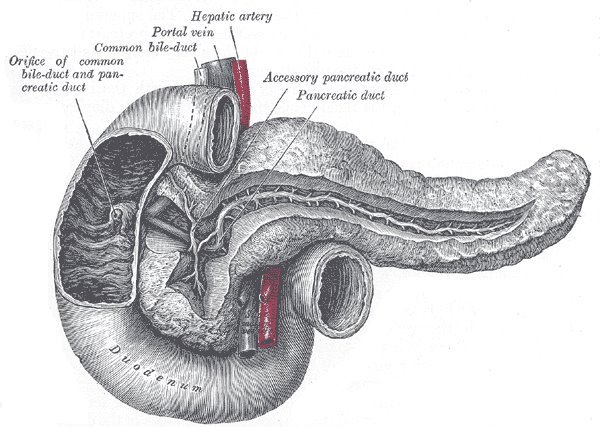
The pancreas lies deep in the abdomen, behind the stomach and next to the first part of the small intestine. It has a double function. It produces digestive juices with enzymes that break down fats, proteins and carbohydrates, and it produces hormones such as insulin and glucagon, which regulate your blood sugar. When the insulin-producing cells stop working, the result is diabetes.
7. Spleen: about 150 to 200 grams
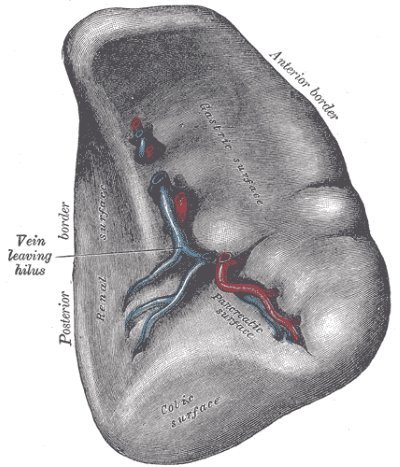
The spleen sits in the upper left part of the abdomen, behind the stomach and below the diaphragm. It is about the size of a fist. It filters the blood, breaks down old red blood cells and stores the iron they contain, and plays an important role in the immune system. You can live without a spleen, but people who have had theirs removed are more vulnerable to certain infections.
6. Kidneys: about 300 grams together
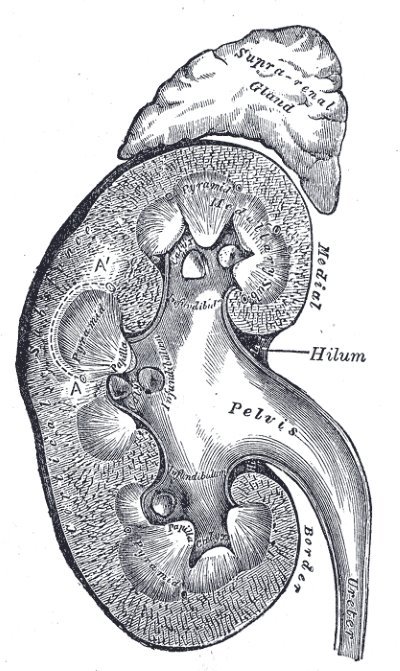
Most people have two bean-shaped kidneys, each about 10 to 13 centimeters long and weighing around 150 grams. They filter your entire blood volume many times a day, removing waste products and excess water, which leave the body as urine. They also regulate blood pressure, the balance of salts and the acidity of the blood. You can live a normal life with just one healthy kidney, which is why living people can donate one.
5. Heart: about 300 grams

The heart is roughly the size of a fist and weighs around 250 to 350 grams. It has two atria and two ventricles, separated by valves that keep blood flowing in the right direction. The familiar “lub-dub” sound of a heartbeat is made by those valves closing. Over an average lifetime, the heart beats around 2.5 to 3 billion times without ever taking a break.
4. Lungs: about 1,100 grams together
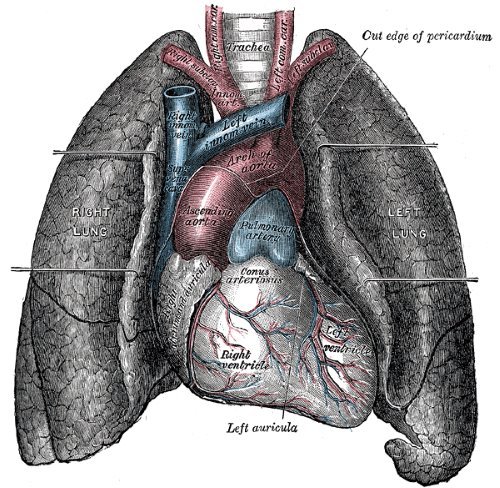
Did you know that your right lung is slightly larger than your left? That is because the left lung has to make room for the heart. The right lung has three lobes and the left only two. The lungs are surrounded by a double membrane, the pleura, with a thin layer of fluid in between that lets them slide smoothly as you breathe. Spread out, the tiny air sacs in your lungs would cover an area roughly the size of half a tennis court.
3. Brain: about 1,300 to 1,400 grams
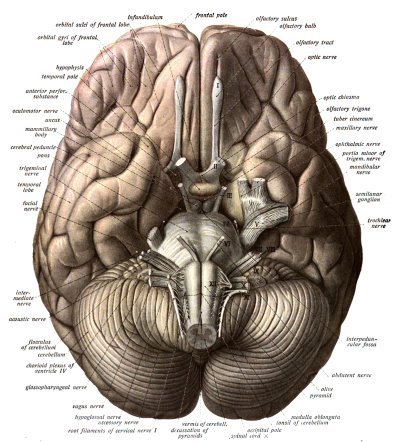
The brain is the most complex organ in the body. It controls movement and the senses, regulates basic functions such as body temperature, breathing and blood pressure, and is the source of emotion, memory, imagination and thought. It contains around 86 billion nerve cells. Although it makes up only about 2 percent of body weight, it uses around 20 percent of the body’s energy.
2. Liver: about 1,500 grams
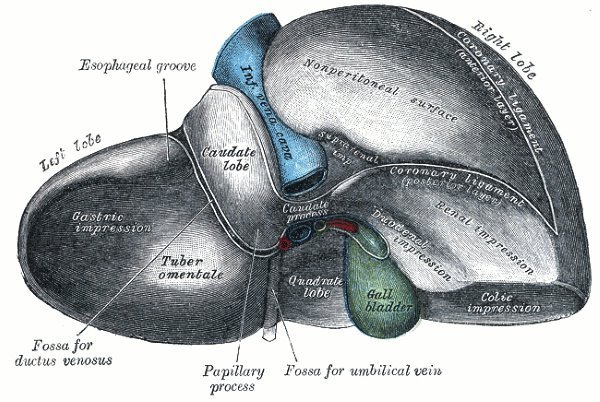
The liver is the largest internal organ in the body. It performs hundreds of tasks: it produces bile for digesting fats, processes nutrients from the intestines, stores sugar, vitamins and iron, makes proteins for blood clotting and breaks down toxins, alcohol and medicines. It is also the only internal organ that can regenerate: even if a large part is removed, it can grow back to almost its full size.
1. Skin: several kilograms
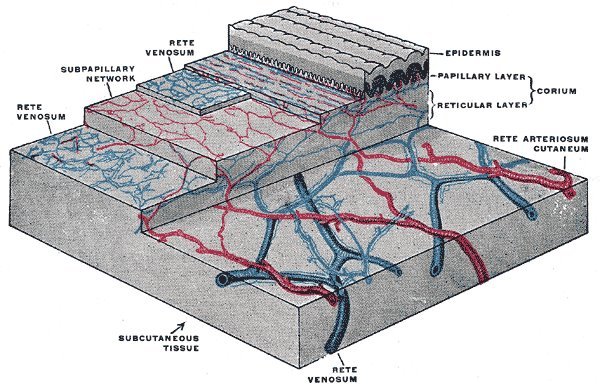
What makes the skin different from the other organs is that you can see it. It is the largest organ of the human body, with a surface area of around two square meters in adults. Estimates of its weight vary widely depending on what is counted: the outer layers alone weigh around 3 to 4 kilograms, while including the deeper layers can bring the total to around 10 kilograms. The skin protects you against germs, sunlight and dehydration, helps regulate your body temperature and is full of nerve endings that let you feel touch, heat and pain. You shed tens of thousands of dead skin cells every minute.