For thousands of years, people have looked up at the night sky in wonder. Today, space telescopes like Hubble and James Webb and robotic probes exploring the far corners of the solar system tell us more about planets, stars and comets than ever before.
Yet some of the most spectacular sights still depend on rare alignments and cosmic timing. These are ten rare astronomical events that continue to amaze scientists and stargazers alike.
1. Total solar eclipse

A total solar eclipse is a cosmic coincidence. The Sun is about 400 times wider than the Moon, but it is also about 400 times farther away, so from Earth they appear almost exactly the same size. When the Moon slides precisely in front of the Sun, day turns to an eerie twilight within minutes, the temperature drops noticeably and the Sun’s corona appears as a pearly white halo.
A total eclipse happens somewhere on Earth roughly every 18 months, but the Moon’s shadow covers only a narrow strip of the planet. On average, any given spot sees totality only once every few hundred years. The next big one is on 2 August 2027, when totality will last more than six minutes over Luxor in Egypt.
2. Saturn’s Great White Spots

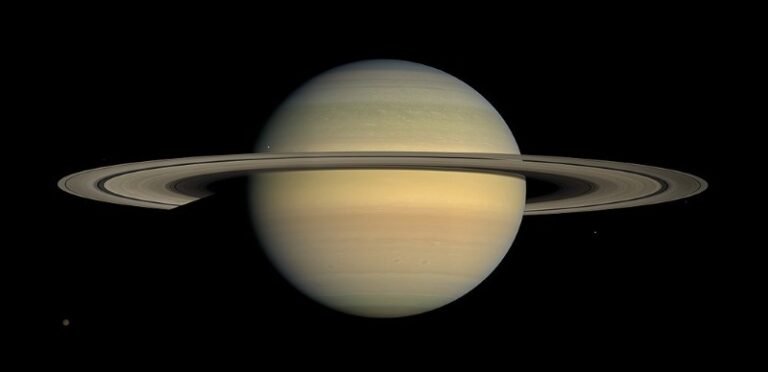
Roughly once every Saturn year, about 30 Earth years, a giant storm erupts in Saturn’s atmosphere that can be seen from Earth as a bright Great White Spot. The phenomenon was first documented by astronomer Asaph Hall in 1876.
The storms form when huge plumes of moist air punch through the planet’s upper clouds. They can grow until they wrap around the entire planet. In 2010 and 2011, the Cassini spacecraft followed one of these monster storms up close, revealing lightning far more powerful than anything on Earth.
3. A triple shadow transit on Jupiter
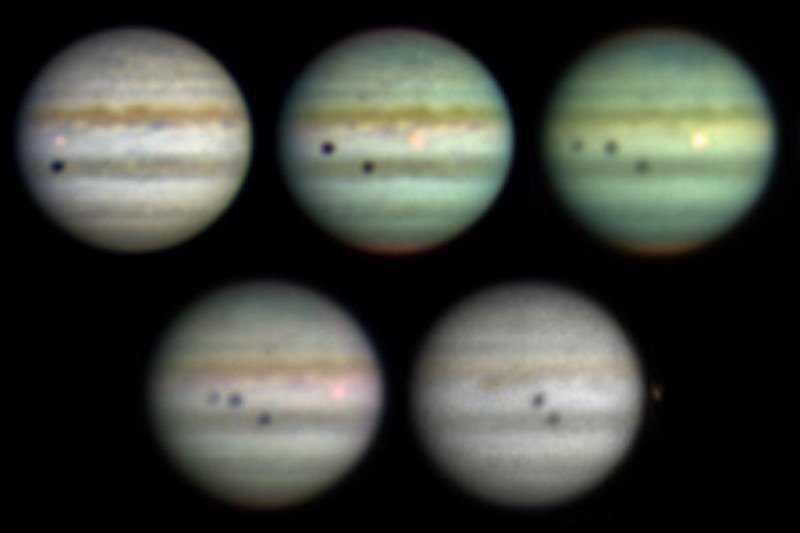
Jupiter has more than 90 known moons. Its four largest, Io, Europa, Ganymede and Callisto, regularly cast their shadows on the planet’s clouds. A single shadow crossing Jupiter is a familiar sight for amateur astronomers with a decent telescope, but three at once is rare.
During a triple shadow transit, three moons line up between the Sun and Jupiter at the same time, leaving three black dots on the giant planet. This happened in 2004, 2013 and 2015, but because of the way the moons’ orbits interact, the next one will not happen until 2032.
4. Starbursts in colliding galaxies
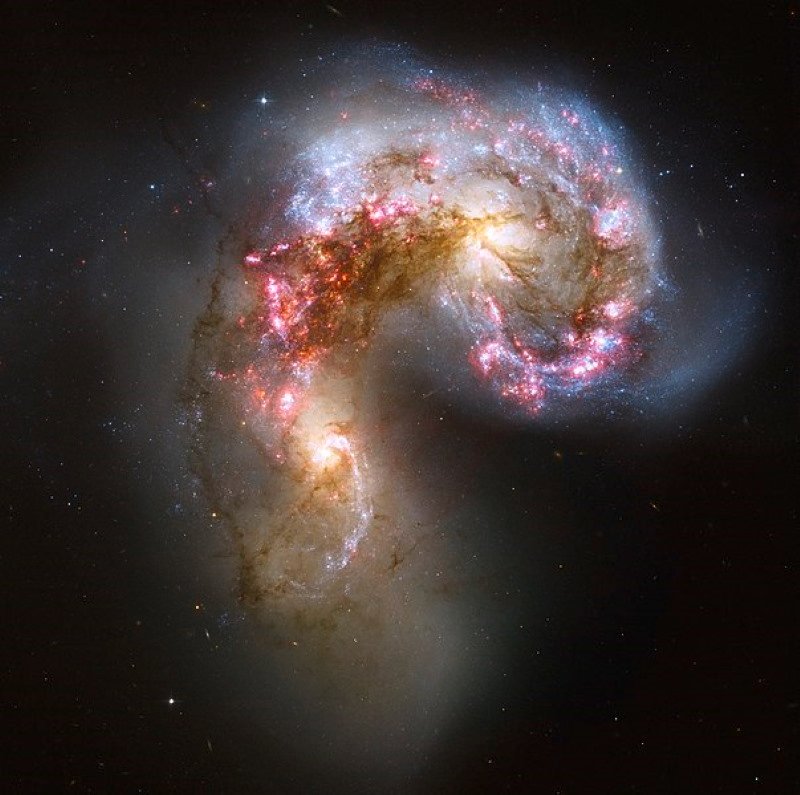
New stars are born all the time in clouds of gas and dust, but the most explosive star formation happens when galaxies collide. A famous example is the Antennae Galaxies (NGC 4038 and NGC 4039) in the constellation Corvus, two spiral galaxies in the middle of a cosmic crash.
The stars themselves almost never collide, because the distances between them are so vast. But enormous clouds of hydrogen gas are violently squeezed together, triggering a starburst: a wave of star formation in which huge numbers of hot, massive stars ignite in a short time. Telescopes such as Hubble and Webb can peer through the dust to watch these stellar nurseries.
5. The blue moon
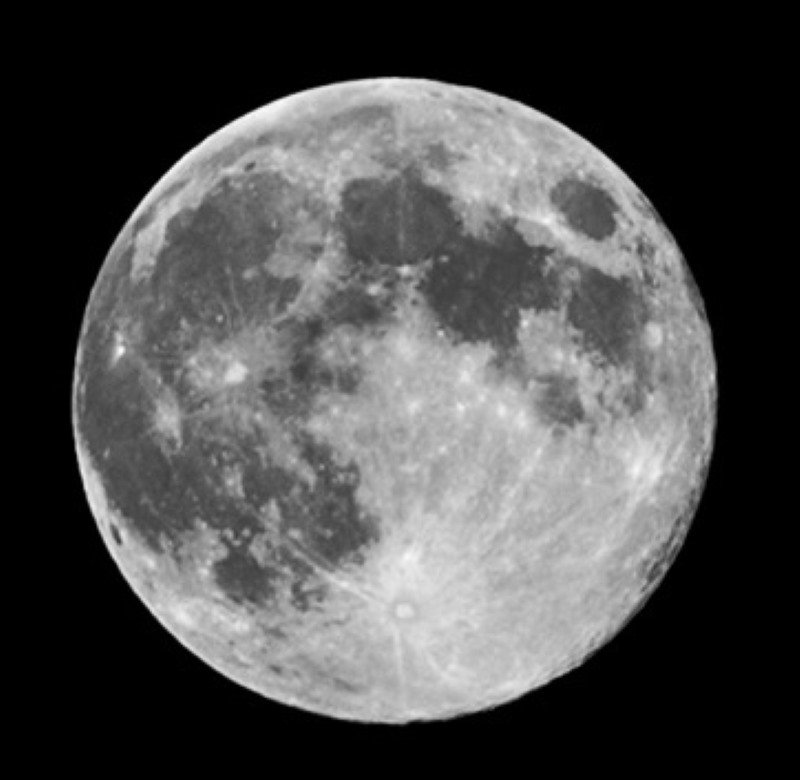
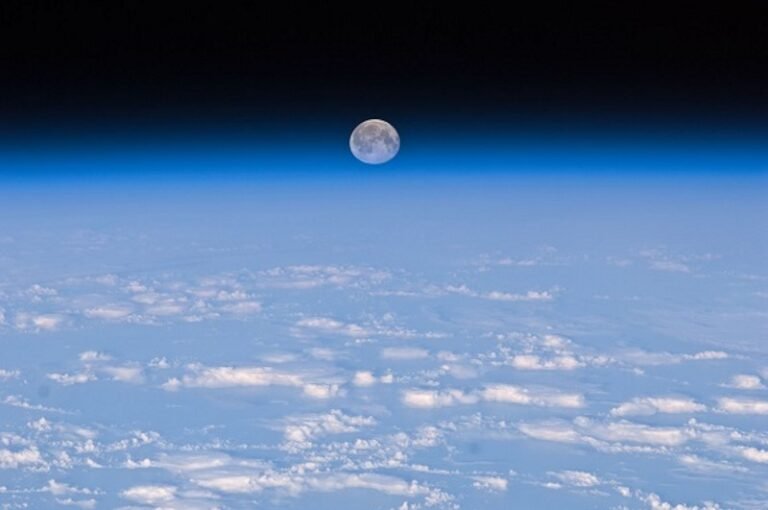
Despite the name, a blue moon is not actually blue. The term usually refers to the second full moon in a single calendar month, or the third full moon in a season with four. Because a lunar cycle lasts about 29.5 days, the full moons slowly shift through the calendar, and a blue moon occurs about once every two to three years.
The Moon can genuinely look blue, but only under rare atmospheric conditions, for example after a huge volcanic eruption or wildfire fills the air with particles of just the right size. After the eruption of Krakatoa in 1883, people reported blue moons for months.
6. Halley’s Comet
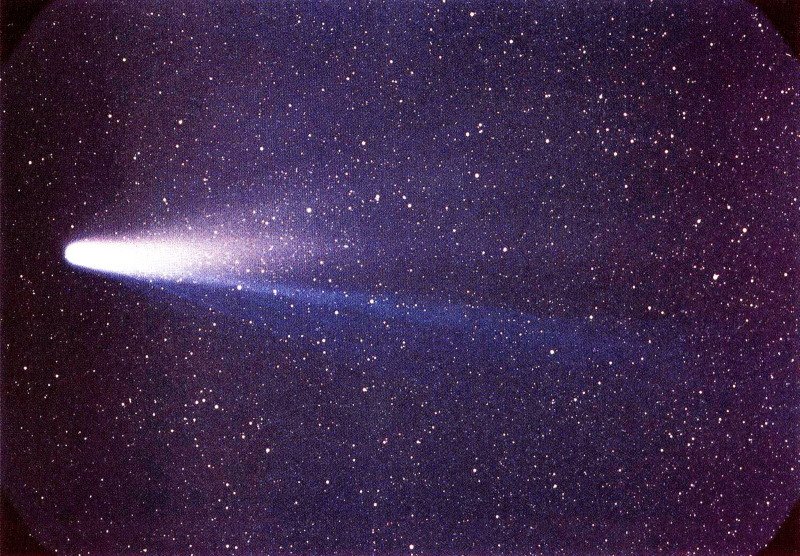
Comet 1P/Halley is the most famous periodic comet in history. It takes about 75 to 76 years to complete its long, stretched orbit around the Sun. The English astronomer Edmond Halley realized that sightings in 1531, 1607 and 1682 were of the same object and predicted its return in 1758. He did not live to see it, but he was right.
Its last visit to the inner solar system was in 1986, when a fleet of spacecraft photographed its icy nucleus for the first time. In December 2023, Halley reached the farthest point of its orbit, beyond Neptune. It is now on its way back, and will next be visible from Earth in 2061.
7. An asteroid falling apart
In late 2013, the Hubble Space Telescope captured something never seen before: an asteroid slowly breaking apart. Asteroid P/2013 R3 turned out not to be a solid rock, but a “rubble pile”, a loose collection of rocks and gravel held together by weak gravity.
Astronomers believe sunlight gradually made it spin faster and faster, an effect known as the YORP effect. Eventually, it was spinning so fast that it flew apart into about ten pieces, each with its own dusty tail.
8. The Leonid meteor storm
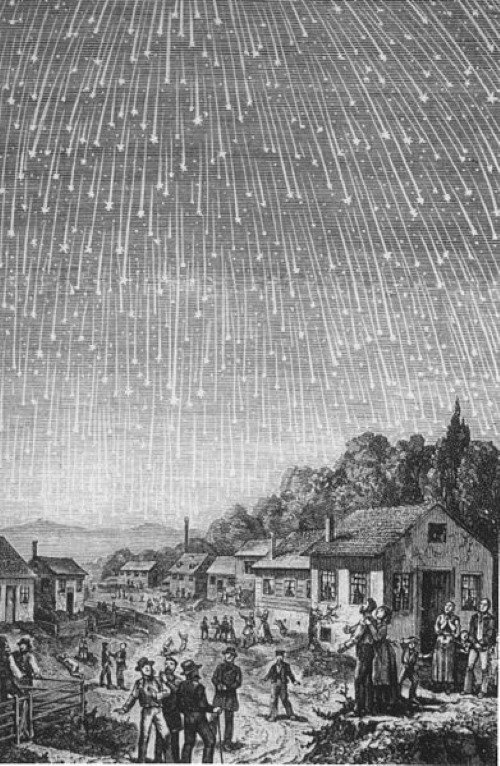
Every year around 17 November, Earth passes through the trail of dust left by comet 55P/Tempel-Tuttle. The particles hit our atmosphere at about 71 kilometers per second and burn up as the Leonid meteor shower, which seems to radiate from the constellation Leo.
In a normal year, you might see 10 to 15 meteors an hour. But roughly every 33 years, after the parent comet has passed the Sun, Earth can plow through a much denser part of the trail. The results are legendary: in 1833 and 1966, observers saw meteors falling like snow, at rates of tens of thousands an hour.
9. Five planets in a row

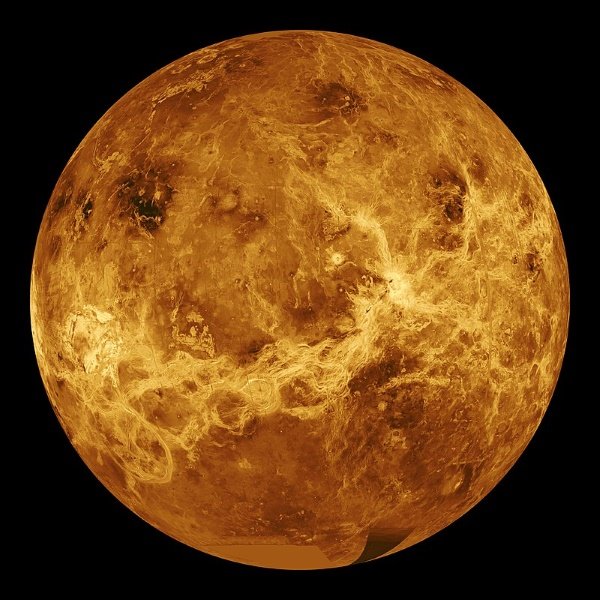
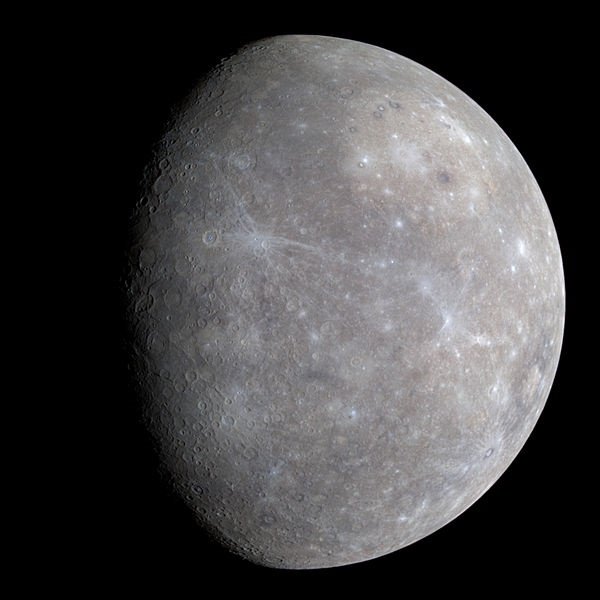
Five planets are visible to the naked eye: Mercury, Venus, Mars, Jupiter and Saturn. Because they orbit the Sun at different speeds, they are rarely all on the same side of the sky at once.
In June 2022, all five were visible together in the morning sky before sunrise, lined up in their actual order from the Sun. According to astronomers, the last time that happened was in December 2004.
10. The transit of Venus

Very occasionally, Venus passes directly between Earth and the Sun, appearing as a small black dot crawling across the solar disk. The English astronomer Jeremiah Horrocks was the first to observe one, in 1639. In the 18th century, transits of Venus inspired expeditions around the world, including James Cook’s voyage to Tahiti in 1769, to measure the distance between Earth and the Sun.
Transits of Venus follow a pattern that repeats every 243 years: two transits eight years apart, followed by a gap of more than a century. After the last pair in 2004 and 2012, the next one will not take place until December 2117.