Your body is a machine that does things you would never suspect. It glows, it predicts the future, it rebuilds your skeleton and it has an emergency program you will probably never need.
Some of these abilities are well established, others are still a puzzle for researchers. These are ten remarkable things the human body can do, and what we do and do not know about them.
1. Your skin glows
Humans give off an extremely faint glow all the time. Japanese researchers showed this in 2009 by placing volunteers in a completely dark room with cameras sensitive enough to detect single photons. The glow was strongest in the late afternoon, around 4 p.m., and brightest around the cheeks, forehead and neck.
You will never see it. The light is about 1,000 times weaker than what the human eye can detect, even in pitch darkness. It is a byproduct of metabolism: chemical reactions involving free radicals occasionally release a photon. It has no purpose; it simply leaks out of you.
2. Your body runs on electricity
Your nervous system runs entirely on electricity. Every nerve cell holds a voltage of about 70 millivolts across its membrane and fires in tiny pulses when a signal passes through. Your heart works the same way, which is why an ECG works at all.
You can also charge yourself with static electricity by walking on carpet. The shock you get from a door handle can be thousands of volts, but the current is so tiny that it is harmless. Sadly, you cannot charge your phone with body power: devices that harvest body heat and movement produce only tiny amounts, enough for a sensor and not much more.
3. Your brain predicts the future
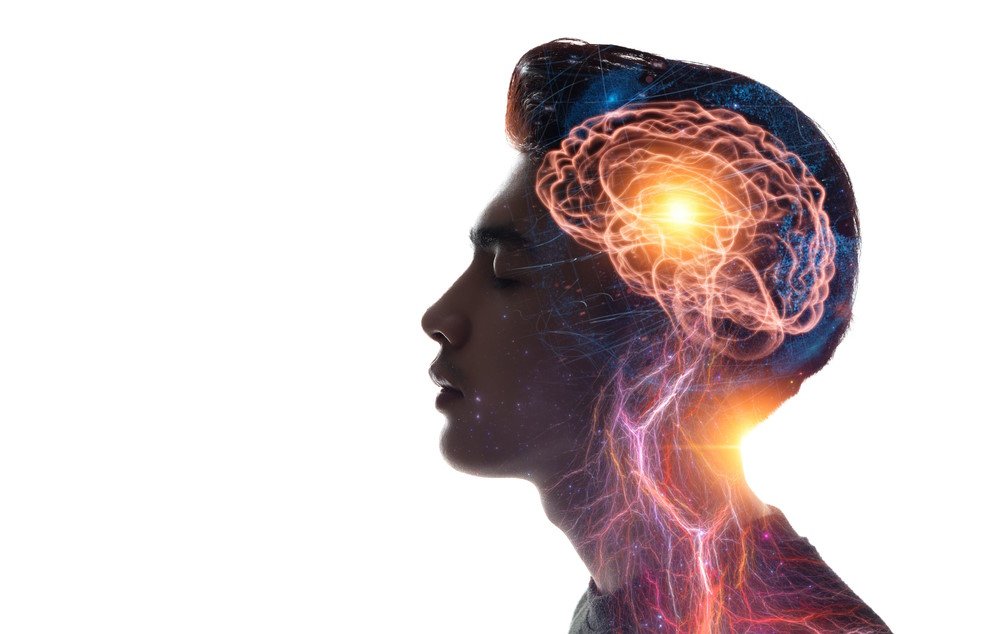
It takes a fraction of a second for signals from your eyes to be processed by your brain. What you see is always slightly in the past. To still be able to catch a ball, your brain constantly predicts where things are going and presents that guess to you as the present.
That prediction happens everywhere. With music, your brain builds expectations about the next note, and part of the pleasure of a good chord comes from that expectation being met, or just not met. With language, your brain often has the last word of a predictable sentence ready before it is spoken.
4. Your gut has its own nervous system
The walls of your stomach and intestines contain a network of an estimated 400 to 600 million nerve cells, called the enteric nervous system. It runs digestion largely on its own and keeps working even if its connection to the brain is cut. Scientists sometimes call it your “second brain”.
It does talk to your head through the vagus nerve, and most of that traffic runs from the gut upwards. One popular claim needs nuance: about 90 percent of your body’s serotonin is indeed made in the gut, but that serotonin does not reach your brain. The gut-brain axis is a real field of research, but saying your mood simply comes from your stomach goes far beyond the evidence.
5. Your immune system cleans up damaged cells every day
Every time a cell divides, errors can creep into its DNA, on top of damage from UV light, smoking and normal wear and tear. So the claim that “you develop cancer cells every day” is not far off, although scientists prefer to talk about cells with early tumor-like changes.
Most of them are repaired or destroy themselves through a built-in program. Whatever is left is cleaned up by natural killer cells and T cells. We know this system works because organ transplant patients who take immune-suppressing drugs get certain cancers much more often. Immunologists call it immune surveillance. A tumor only forms when a cell escapes it.
6. Your memory of pain fades
Women who have just given birth rate the pain as very high. Ask them again a year later, and many rate it lower. Research shows that the memory of pain tends to fade over time, while the memory of the event itself stays intact.
How much it fades depends largely on how the experience ended. Women who felt positive about their birth later remember the pain as much milder than those for whom it was traumatic. Your brain does not erase pain; it rewrites it in light of the outcome.
7. You have a built-in clock
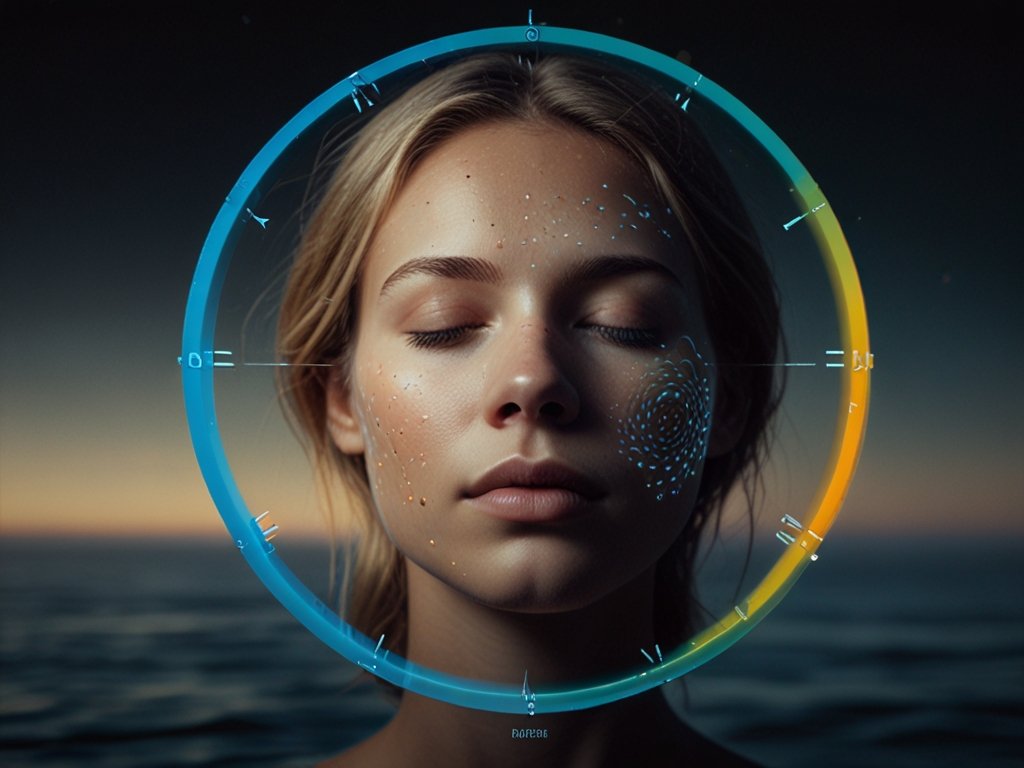
Deep in your brain, just above where your optic nerves cross, sits a cluster of about 20,000 cells that keeps time. On its own, this biological clock runs slightly longer than a day, about 24.2 hours, and it is reset by daylight every morning.
Waking up just before your alarm may not be a coincidence. In a German study, volunteers who were told they would be woken at 6 a.m. showed rising levels of the stress hormone ACTH about an hour beforehand. Those who were not told did not. Your body actively prepares to wake up.
8. Your skeleton keeps rebuilding itself
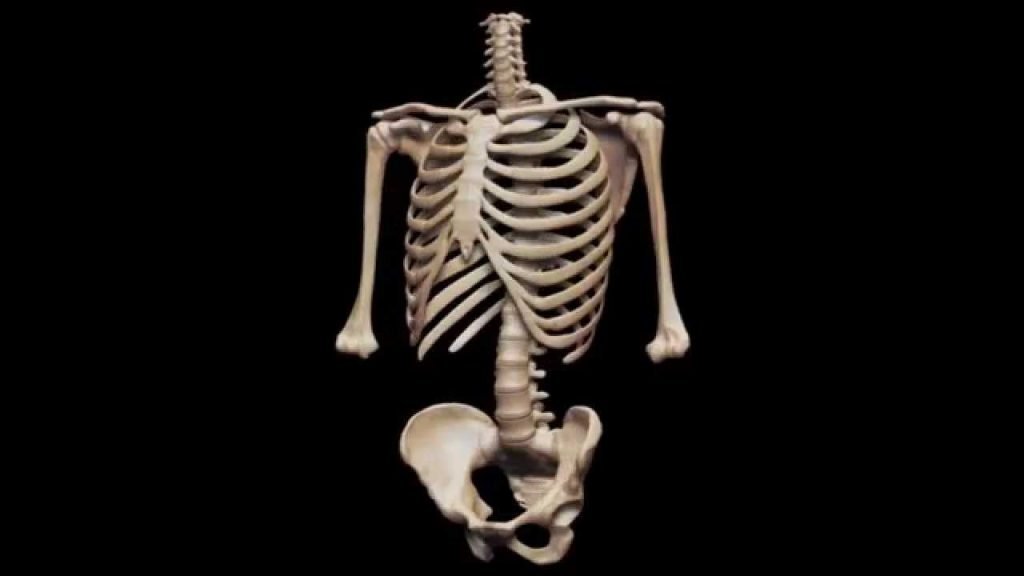
Bone may seem like dead material, but it is full of living cells. Osteoclasts break down old bone tissue, while osteoblasts build new tissue. Together they replace roughly a tenth of your adult skeleton every year, so you get something close to a new skeleton about every decade.
Bone is also remarkably strong. A cube of compact bone one inch on each side can reportedly bear several tonnes before it breaks, making it stronger than steel pound for pound in some respects. You can still break a wrist in a fall because the force is concentrated on a thin bone at an awkward angle.
9. Your senses mix together
In people with synesthesia, the borders between senses are partly blurred: they see colors when they hear music, taste shapes or always see certain letters in certain colors. It affects perhaps 4 percent of people, and it is not imagination, because their associations stay the same for years.
For everyone else, the senses also mix more than you might think. In the McGurk effect, you watch someone say “ga” while hearing “ba”, and you end up hearing something in between, like “da”. Your eyes literally overrule your ears.
10. You have an ancient diving reflex
As soon as cold water hits your face and you hold your breath, your body switches mode. Your heart rate drops sharply within seconds, blood vessels in your arms and legs narrow, and your spleen contracts to release extra red blood cells. Oxygen is sent to your heart and brain first.
Seals, whales and dolphins have the same reflex, and in humans it is strongest in babies. It is one reason why, now and then, someone, often a child, survives a long time under icy water and is revived. For almost everyone, it is a program that stays unused for a lifetime, until the one moment it makes all the difference.