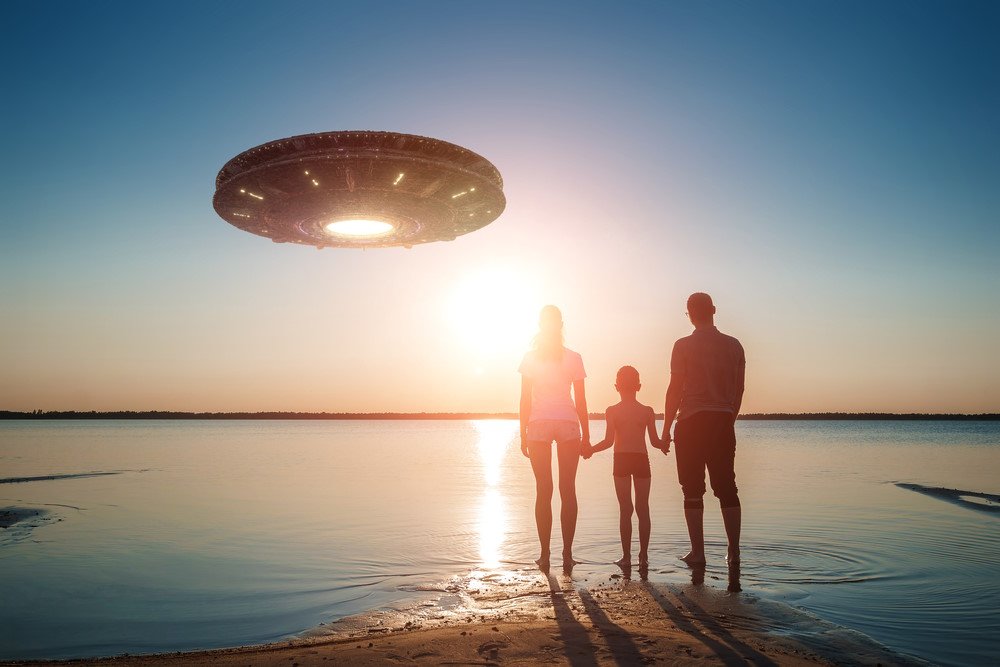
Every night, telescopes, cameras and smartphones around the world are pointed at the sky. Strange lights, apparent formations and silvery discs have fired people’s imaginations for decades. Yet the term UFO, unidentified flying object, means nothing more than something in the sky that has not (yet) been identified.
Research by meteorologists, astronomers and aviation experts shows that the vast majority of sightings have perfectly ordinary, earthly explanations. These are the ten most common phenomena that get mistaken for alien spacecraft.
1. Lenticular clouds
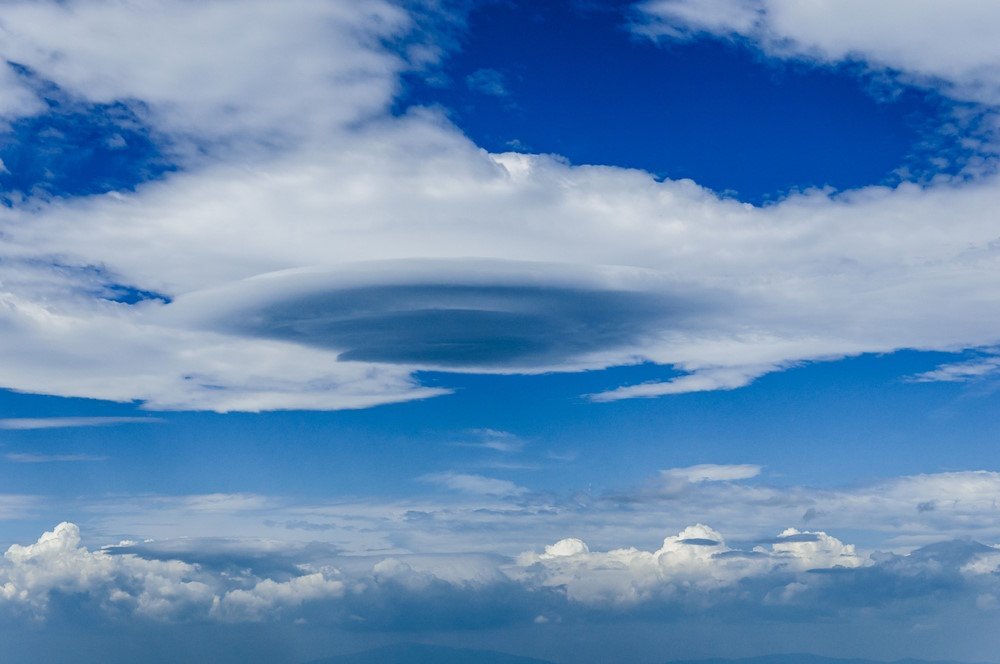
Meteorologists call them altocumulus lenticularis, but they are better known as lenticular or “saucer” clouds. They form when moist air flows over a mountain range and condenses in the wave pattern on the other side, creating a smooth, sharply defined cloud that is strikingly round or oval.
What makes them even more convincing is that they often seem to stand still. Strong winds blow straight through them, yet the cloud stays in exactly the same place above the mountains. When the setting sun lights up their edges in orange or silver, it looks for all the world like a giant spaceship hovering silently over the peaks.
2. The planet Venus
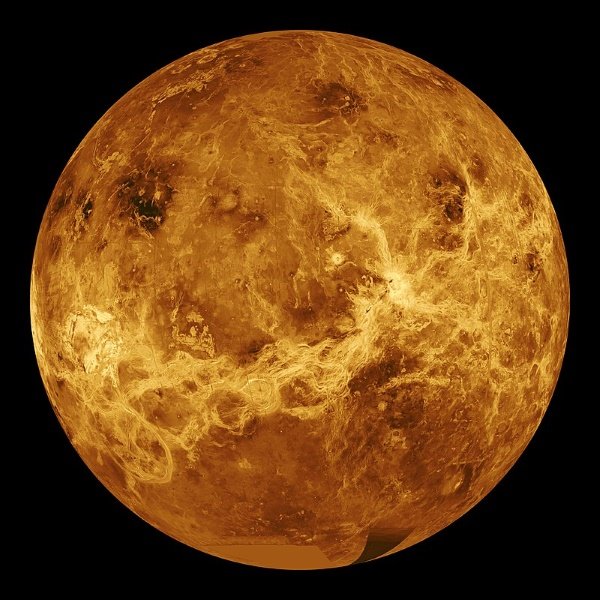
After the Sun and the Moon, Venus is the brightest natural object in the sky. When it hangs low on the horizon at dawn or dusk, its brilliant white light regularly triggers a flood of UFO reports. Passing clouds can make it seem to blink or vanish, and turbulence in the atmosphere can make it flicker in different colors.
On top of that, there is an illusion called the autokinetic effect: if you stare at a single point of light in the dark for a long time, small involuntary eye movements make it seem to drift, swerve or dart away. No wonder Venus is one of the most reported “UFOs” of all.
3. Ball lightning
Among rare weather phenomena, ball lightning is perhaps the most mysterious. During thunderstorms, people have reported glowing, floating balls of light ranging from the size of a tennis ball to several meters across.
Unlike a normal lightning flash, ball lightning can reportedly last for seconds or even longer. Witnesses describe the balls drifting through the air, entering buildings through chimneys or windows, and vanishing silently or with a bang. Scientists still do not fully understand it, and that seemingly purposeful movement has led many observers to think they were seeing something under intelligent control.
4. Meteors and fireballs
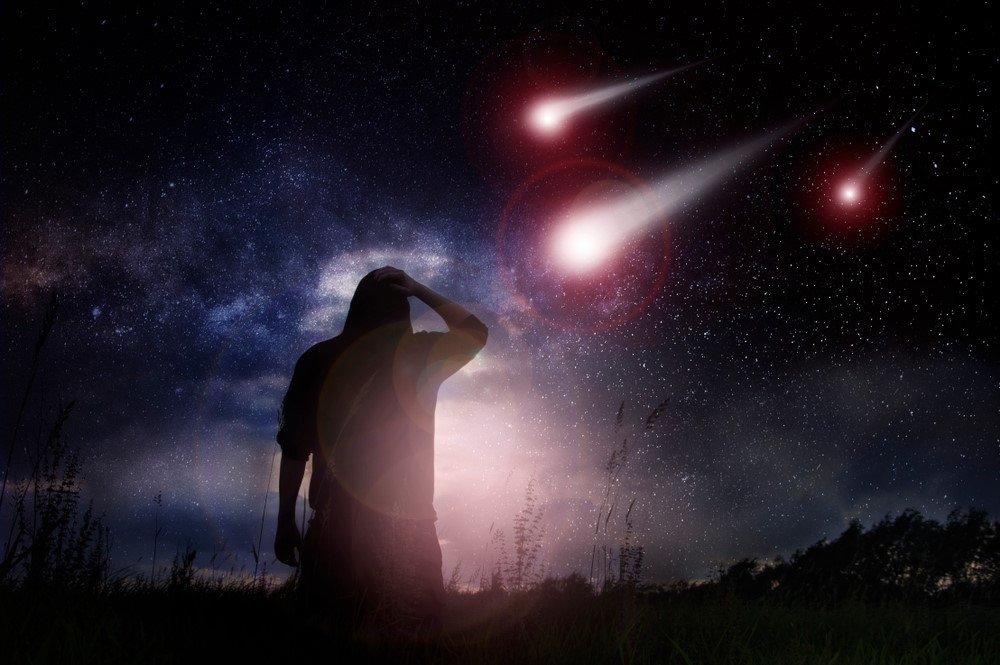
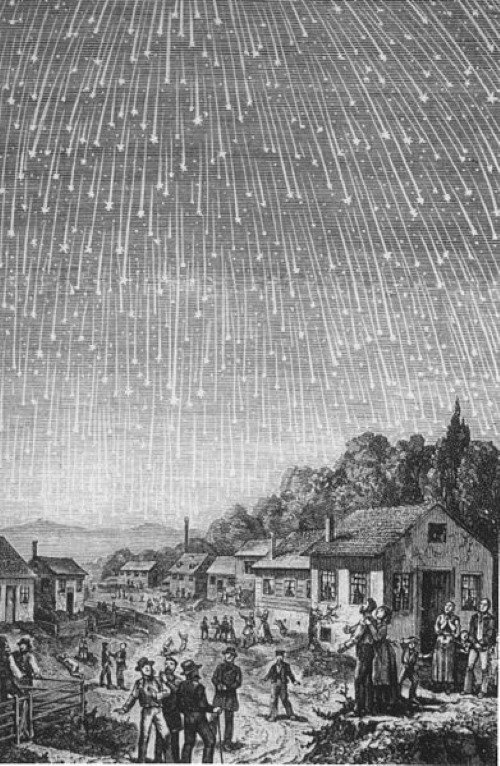
An ordinary shooting star lights up for only a fraction of a second, but larger chunks of space rock, called fireballs or bolides, can light up the landscape for several seconds. They enter the atmosphere at tens of thousands of kilometers per hour and burn up in the intense heat.
Fireballs can leave long glowing trails, break up into several pieces with bright flashes, and often glow green or blue because of metals such as magnesium and nickel burning up. It is easy to see how a startled witness might think something has just crashed.
5. Weather balloons

“It was a weather balloon” has become a running joke in pop culture, but weather balloons really do cause confusion. Every day, hundreds of them are released around the world to measure conditions in the atmosphere at altitudes of up to around 30 kilometers.
As they rise and the air pressure drops, the balloons expand enormously. Their instruments and reflective materials can catch sunlight high in the sky long after it is dark on the ground, and depending on the winds, they can drift quickly or seem to hang motionless.
6. Satellites and Starlink trains

With thousands of active satellites in orbit, space is busier than ever. When the International Space Station or another satellite passes overhead, its solar panels reflect sunlight, creating a bright point of light that glides silently and steadily across the stars.
Since 2019, there has been a new phenomenon: SpaceX’s Starlink satellites. Shortly after launch, they travel in low orbit in a perfectly straight line, dozens of lights following each other across the sky like a glowing string of pearls. Many launches have been followed by a wave of puzzled UFO reports.
7. Military flares
During night exercises, military aircraft regularly drop flares, such as the well-known LUU-2 illumination flares, to light up targets on the ground. Many of these flares hang from small parachutes, so they descend very slowly and seem to float at the same height for minutes.
When several flares are dropped in a row, they can look like a giant, glowing formation. This is the official explanation for at least part of the famous Phoenix Lights incident in Arizona in 1997, when thousands of people saw a row of orange lights in the sky. The US Air Force said they were flares dropped during a military exercise, although some witnesses still dispute that explanation.
8. Lens flares, reflections and birds

A large share of modern UFO photos and videos are the result of camera quirks. When a bright light falls just outside the frame, it can bounce between the glass elements inside the lens. That creates a lens flare: a translucent, circular or polygonal spot in the image that moves exactly with the camera.
Ordinary objects can also become unrecognizable at a distance. Gulls or geese flying high up can shine almost like metal in bright sunlight. Because the brain has no reference point for size or distance against an empty sky, a passing bird or a drifting plastic bag can easily be mistaken for a huge disc far away.
9. Aircraft landing lights
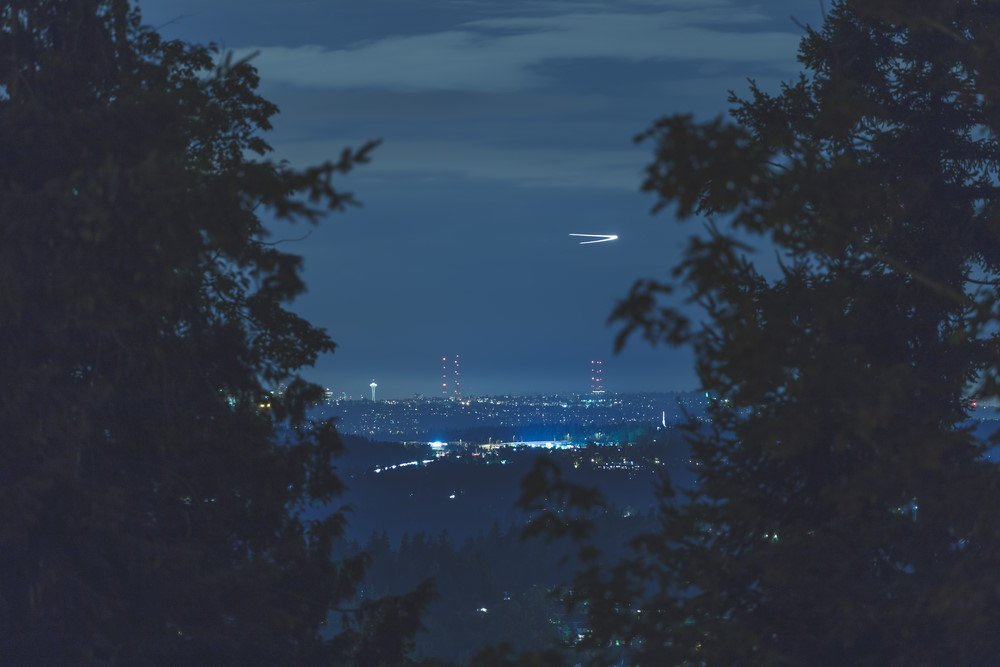
During the day, an airliner is instantly recognizable, but at night it is a different story. When a plane is flying straight toward you, the small navigation lights on its wingtips are hard to see. What remains are its powerful white landing lights, shining right at you.
Because there is little sideways movement, the light can seem to hover motionless in the sky, and the engine noise may not be audible until much later. Several bright planes lined up on approach to a busy airport can look even stranger.
10. Secret military aircraft and drones
Many classic UFO waves from the Cold War were later linked to secret military test programs. According to a CIA history, more than half of UFO reports from the late 1950s and 1960s were actually sightings of spy planes such as the U-2, which flew far higher than any other aircraft at the time. Later, the SR-71 Blackbird and the angular F-117 stealth fighter looked so futuristic that witnesses could hardly believe their eyes.
Today, advanced drones and experimental aircraft around bases such as Area 51 fuel speculation. Drones can stop in midair, take off vertically, turn sharply and hover almost silently with complex LED lighting, seeming to defy everything people expect from an aircraft.