Minerals are naturally occurring solids, and some of them are stunning: golden pyrite, blood-red cinnabar, bright blue chalcanthite. Collectors spend years hunting for perfect specimens.
But many minerals contain toxic elements such as arsenic, mercury, lead or uranium. Some cause organ failure, others lung disease or cancer. These are ten of the deadliest minerals on Earth. Most are only dangerous when handled carelessly, inhaled as dust or swallowed, but that is exactly what makes them treacherous.
1. Arsenopyrite
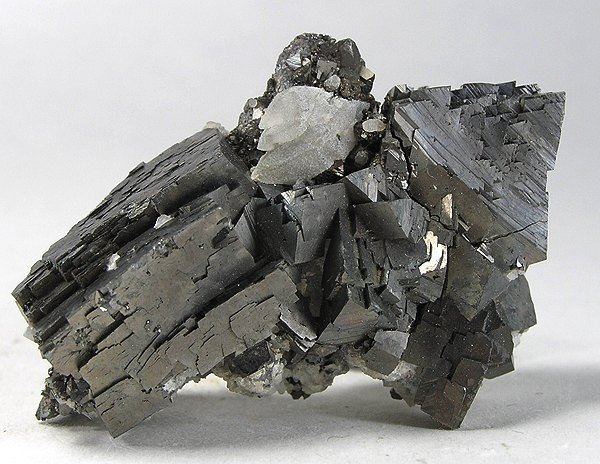
Arsenopyrite is a compound of arsenic, iron and sulfur, with a steel-gray color and a metallic shine. It is the main ore from which arsenic is extracted. When heated or weathered, it can release arsenic, which is highly toxic and causes cancer with long-term exposure. Mining waste rich in arsenopyrite also pollutes groundwater.
2. Riebeckite (blue asbestos)
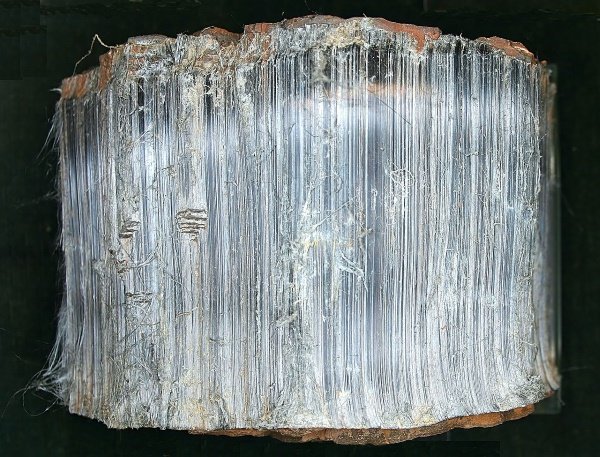
Riebeckite, named after the German explorer Emil Riebeck, contains iron, silicon and sodium and is black, blue or dark green. Its fibrous form, crocidolite, is better known as blue asbestos, considered the most dangerous type of asbestos. Its needle-like fibers lodge deep in the lungs and are strongly linked to mesothelioma, an aggressive cancer.
3. Orpiment
Orpiment is arsenic sulfide, a beautiful lemon-yellow to orange mineral often found near hot springs. For centuries it was used as a pigment by painters, and in ancient times even in cosmetics. Because it contains arsenic, it is highly toxic. Long-term exposure can cause lung, skin and liver cancer.
4. Hutchinsonite
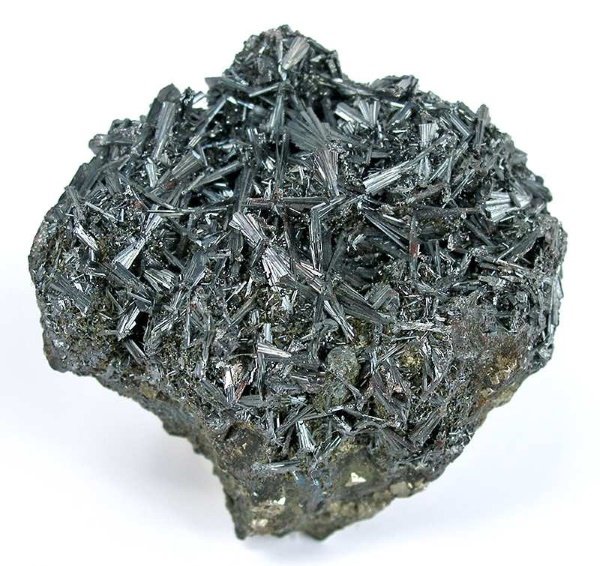
Named after the British mineralogist Arthur Hutchinson, this rare mineral contains not one but three very toxic elements: lead, arsenic and thallium. Thallium is so poisonous that it was once used in rat poison and has been called “the poisoner’s poison”, because it is tasteless and its symptoms, such as hair loss, appear slowly.
5. Galena

Galena, lead sulfide, forms glittering, silvery cubes and is the world’s most important lead ore. Lead builds up in the body over time and can damage the heart, kidneys and nervous system. Handling a specimen is mostly safe, but dust and fragments should never be swallowed, and you should always wash your hands afterwards.
6. Cinnabar

The bright red mineral cinnabar is mercury sulfide, the main source of mercury. Because of its deep red color, it was used for thousands of years for paint, lacquer and cosmetics, from Roman villas to Chinese lacquerware. Heating cinnabar releases mercury vapor, which damages the nervous system and kidneys. Miners in ancient Roman mercury mines often did not live long.
7. Torbernite
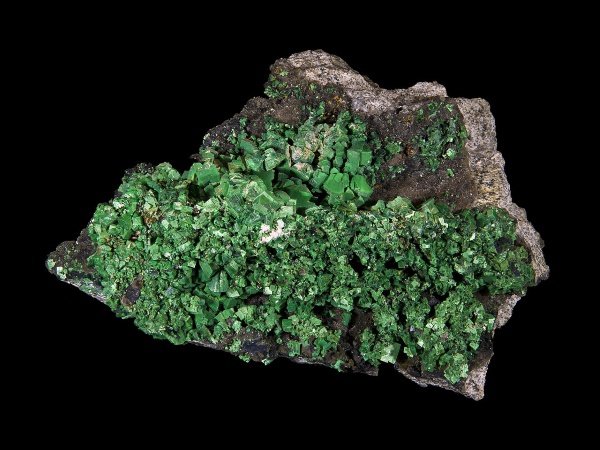
Torbernite forms beautiful bright green crystals, which makes it tempting for collectors. But it contains uranium, which makes it radioactive. It also releases radon, a radioactive gas. Keeping a specimen in a closed display case in your living room without precautions is definitely not a good idea.
8. Asbestos
Asbestos is not one mineral but a group of naturally occurring silicate minerals made of microscopic fibers. It was used for centuries for its heat and fire resistance, in everything from roofing to brake pads, until most countries banned it in the late 20th century. It is still present in many older buildings.
When the fibers are inhaled, they lodge in the lungs. Long-term exposure can lead to asbestosis, lung cancer and mesothelioma, often decades later. Asbestos is still estimated to cause hundreds of thousands of deaths worldwide every year.
9. Stibnite

Stibnite, antimony sulfide, forms spectacular dark gray, sword-like crystals. It is the main source of antimony, used in batteries and flame retardants. In ancient Egypt, ground stibnite was used as eye makeup, called kohl. Antimony is toxic, though: inhaling or swallowing it can cause vomiting, stomach ulcers and heart and lung problems.
10. Chalcanthite
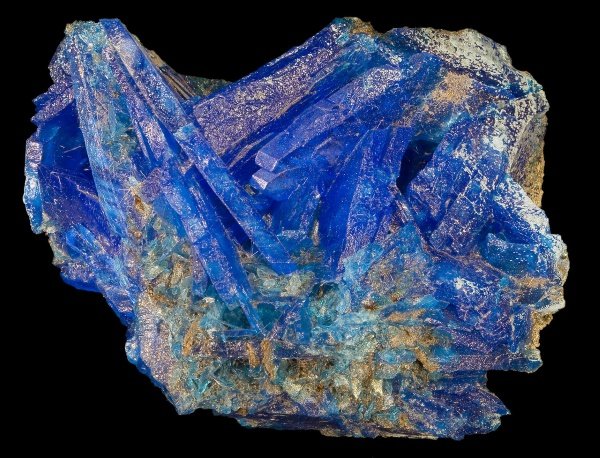
Chalcanthite is a hydrated copper sulfate, with a gorgeous blue to green-blue color. It dissolves easily in water, even in the humidity of the air. That is what makes it dangerous: the copper is easily absorbed by the body. Copper poisoning can cause vomiting, low blood pressure and damage to the liver and kidneys. Many “chalcanthite” crystals sold online are actually lab-grown, but they are just as toxic.