DNA is not only the basis of our physical existence, but also a fascinating world full of secrets and surprises. It contains the instructions for building and running every living thing on Earth, from bacteria to blue whales. These are ten remarkable facts about this extraordinary molecule.
1. It was discovered in 1869, in pus
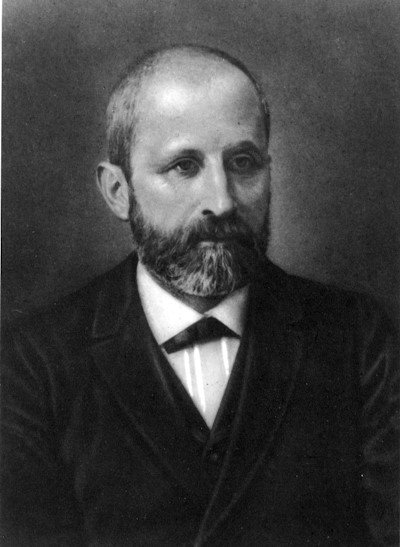
The story of DNA begins in 1869 with the Swiss biochemist Friedrich Miescher. While studying white blood cells, which he obtained from pus on used surgical bandages, he discovered a strange substance in the cell nucleus, which he called “nuclein”. It was what we now call DNA. But it took until 1944 before experiments by Oswald Avery and his colleagues showed that DNA, and not protein, carries genetic information.
2. It is shaped like a twisted ladder
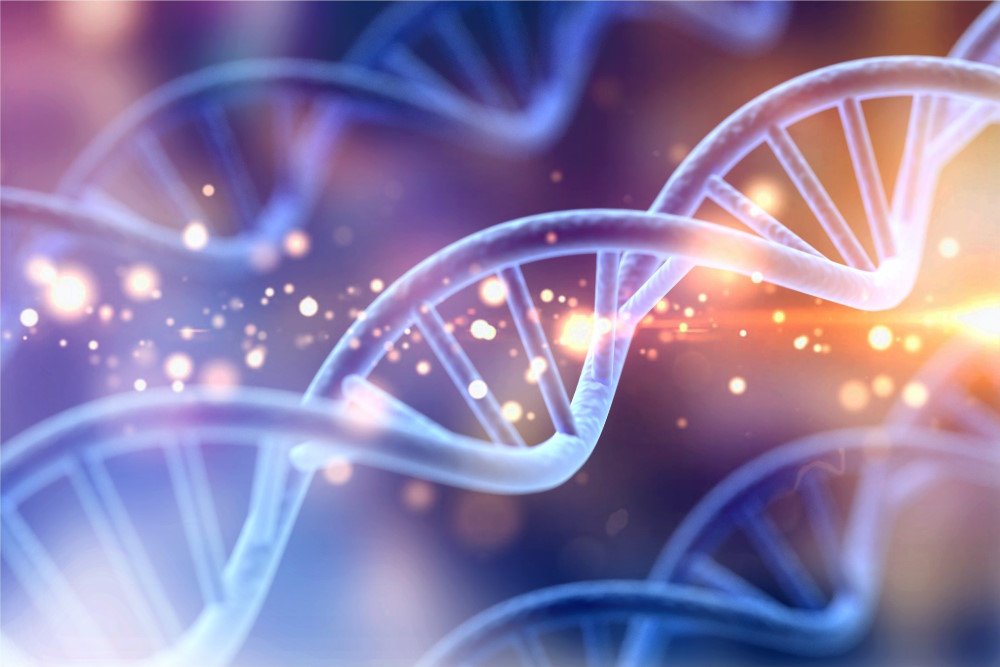
In 1953, James Watson and Francis Crick, using X-ray images made by Rosalind Franklin, worked out that DNA has the shape of a double helix, a twisted ladder. The sides of the ladder are made of sugar and phosphate, and the rungs are pairs of four chemical “letters”, called bases: adenine (A) always pairs with thymine (T), and cytosine (C) with guanine (G). The order of these letters forms the genetic code. The human genome contains around three billion of these base pairs.
3. You contain billions of kilometers of DNA
If you could stretch out the DNA in a single human cell, it would be around two meters long, folded up into a nucleus only a few thousandths of a millimeter across. Your body consists of tens of trillions of cells. If you laid all the DNA in your body end to end, it would stretch for tens of billions of kilometers, enough to travel from the Earth to the Sun and back more than a hundred times.
4. All humans are 99.9 percent identical
Although it is hard to imagine, all people are around 99.9 percent genetically identical. The remaining 0.1 percent, still millions of letters, makes each person unique, and accounts for many differences in appearance and susceptibility to disease. Interestingly, most human genetic variation is found within populations, not between them, and there is more genetic diversity within Africa than in the rest of the world combined.
5. Only a small part of your DNA consists of genes
It is a common misconception that all of our DNA consists of genes. In fact, the parts that contain instructions for building proteins make up only around 1 to 2 percent of our DNA. We have around 20,000 protein-coding genes, about as many as a tiny roundworm. The rest was long dismissed as “junk DNA”, but we now know that much of it plays a role in regulating when and where genes are switched on and off. A large part consists of the remains of ancient viruses that infected our ancestors.
6. Your DNA is damaged thousands of times a day
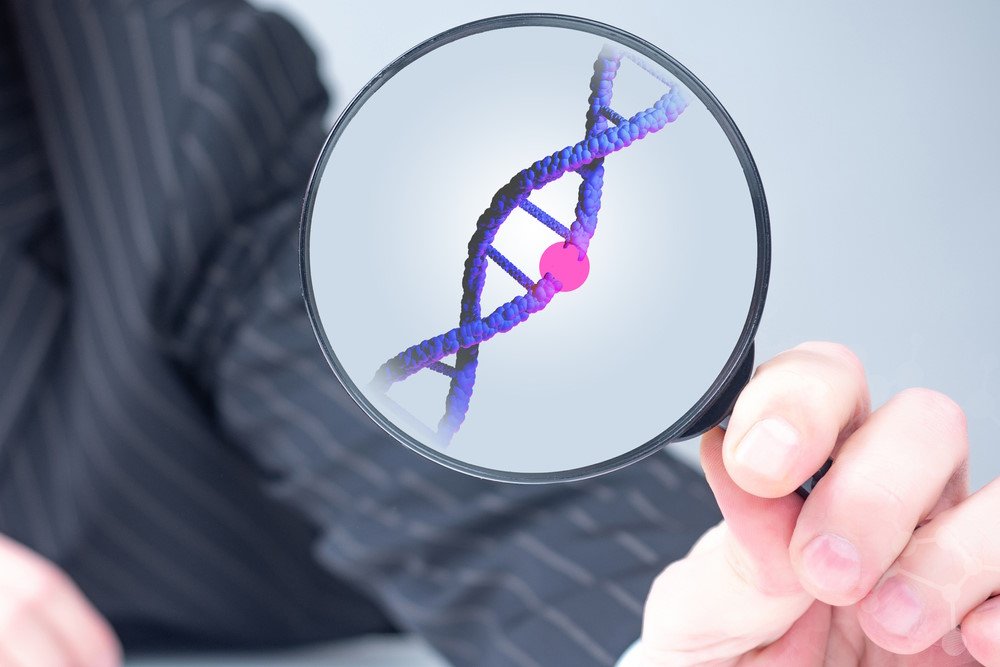
DNA may contain the instructions for life, but it is surprisingly vulnerable. Every day, the DNA in each of your cells is damaged tens of thousands of times by ultraviolet light, chemicals and processes inside the cell itself. Fortunately, cells have a whole set of repair mechanisms that fix most of this damage. The 2015 Nobel Prize in Chemistry was awarded for unraveling how they work. Some errors remain, in the form of mutations. They can cause diseases such as cancer, but they are also the raw material for evolution.
7. CRISPR: editing DNA
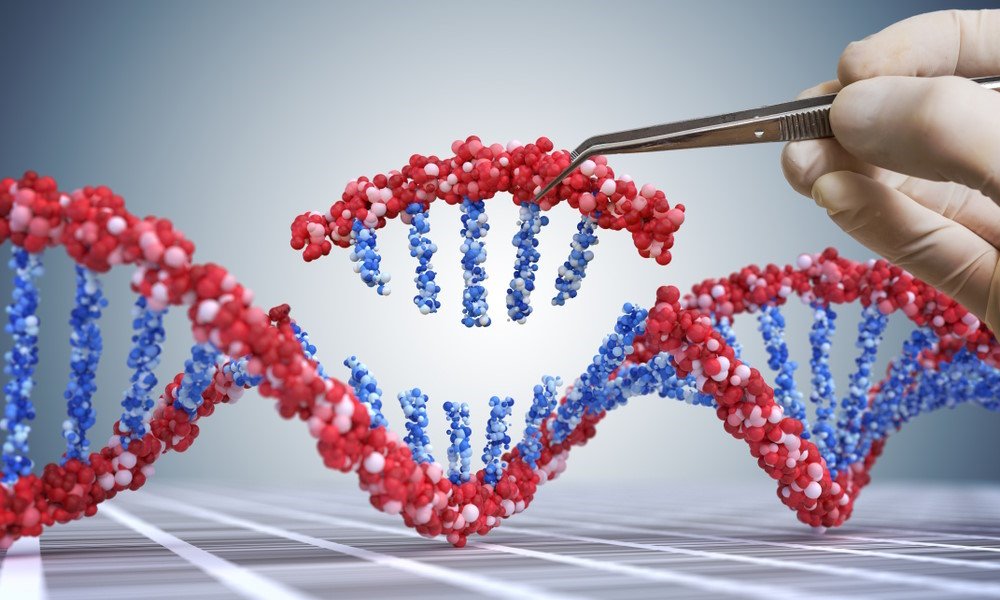
One of the most important developments in modern biology is CRISPR, a technique that allows scientists to edit DNA with great precision, like a pair of molecular scissors. It is based on a defense system that bacteria use against viruses. Emmanuelle Charpentier and Jennifer Doudna received the Nobel Prize in Chemistry in 2020 for developing it.
In 2023, the first medicine based on CRISPR was approved, a treatment for the inherited blood disorders sickle cell disease and beta thalassemia. At the same time, the technique raises serious ethical questions, especially after a Chinese scientist caused worldwide outrage in 2018 by editing the DNA of human embryos, which led to the birth of twin girls.
8. We share DNA with animals and even plants
Human DNA tells a story of connection with the rest of life on Earth. We share around 98 to 99 percent of our DNA with chimpanzees and bonobos, our closest living relatives. Many basic genes, for example for cell division, are shared with mice, fruit flies, yeast and even plants. You may have heard that we share 60 percent of our DNA with bananas. That figure is misleading: it means that around 60 percent of our genes have a recognizable counterpart in the banana, not that we are 60 percent banana.
9. Many people carry Neanderthal DNA
When modern humans spread out of Africa, they met other human species, such as Neanderthals and Denisovans, and had children with them. As a result, most people with non-African ancestry carry around 1 to 2 percent Neanderthal DNA. Some of these genes still have an effect today, for example on the immune system and skin. The Swedish geneticist Svante Pääbo received the Nobel Prize in 2022 for sequencing the Neanderthal genome.
10. DNA could become the hard drive of the future
DNA is an incredibly compact way of storing information. In theory, a single gram of DNA could store hundreds of millions of gigabytes of data, and if kept cool and dry, it can last for thousands of years. Scientists have already stored books, films and music in synthetic DNA and read them back without errors. And DNA itself has proved remarkably durable: in 2022, researchers sequenced DNA from sediment in Greenland that was around two million years old, the oldest DNA ever found.