A lot is said about the planet we live on. Many of these stories sound logical and get passed on from generation to generation, but turn out to be wrong when you look at the science.
Does water really swirl the other way in Australia? Is the Great Wall of China visible from space? These are ten common myths about the Earth, counting down to the one that almost everyone believes.
10. A compass points exactly north

A compass needle does not point to the geographic North Pole, but to the magnetic north pole. The difference between the two, called magnetic declination, varies depending on where you are.
And the magnetic north pole does not stand still. Driven by flows of liquid iron in the Earth’s core, it has been moving from northern Canada towards Siberia at tens of kilometers per year. Maps and navigation systems have to be updated regularly to keep up.
9. Deserts are always hot
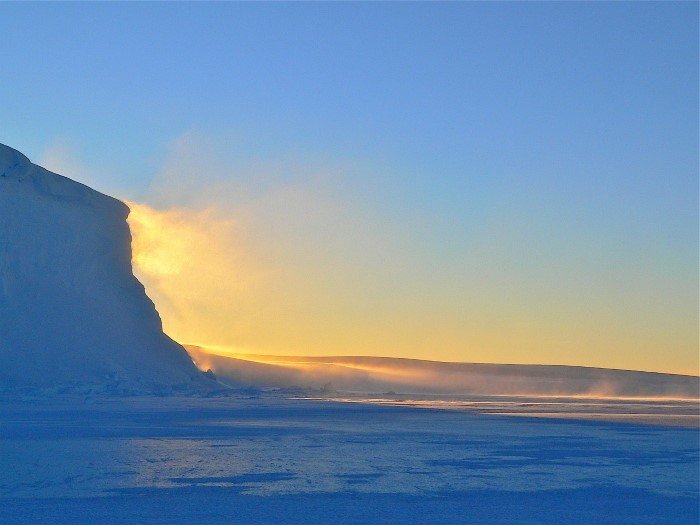
A desert is defined not by heat, but by a lack of rain: usually less than 250 millimeters a year. By that measure, the largest desert in the world is ice-cold Antarctica.
Even in hot deserts like the Sahara, it is not always hot. With dry air and no clouds, the heat escapes quickly after sunset, and temperatures can drop close to or even below freezing at night.
8. There are more big earthquakes than ever

Devastating earthquakes make headlines around the world, which can give the impression that the Earth is becoming more restless. But according to the US Geological Survey, the number of major earthquakes, magnitude 7 or higher, has stayed fairly stable for over a century, at around 15 per year.
We just hear about them more. There are far more seismometers today, and images from a disaster zone go viral within minutes.
7. People in different places see different moon phases
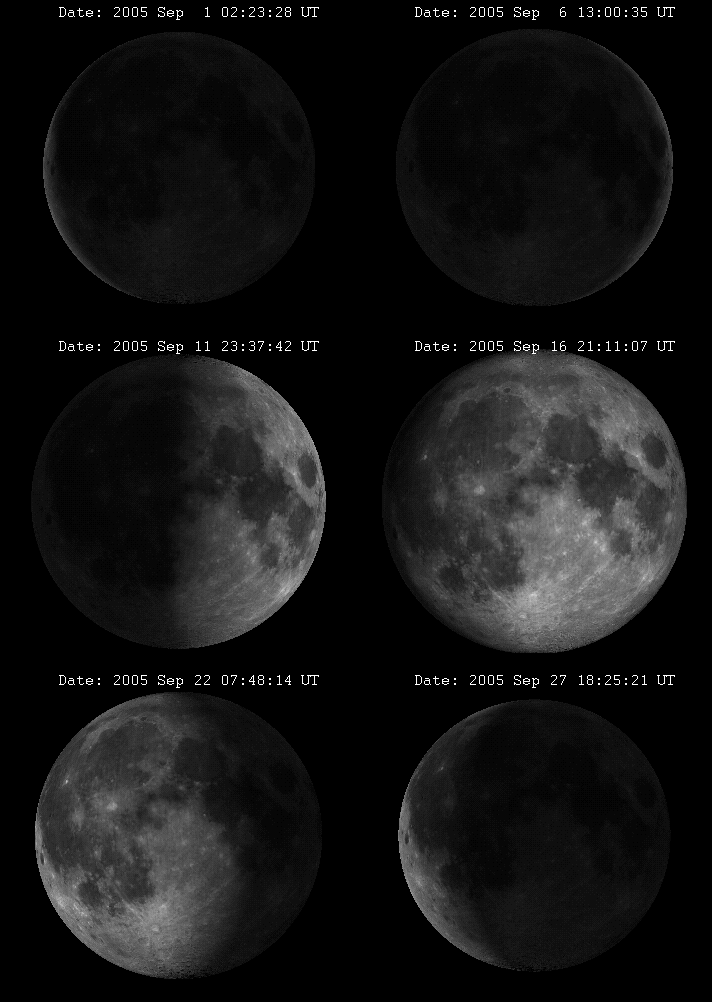
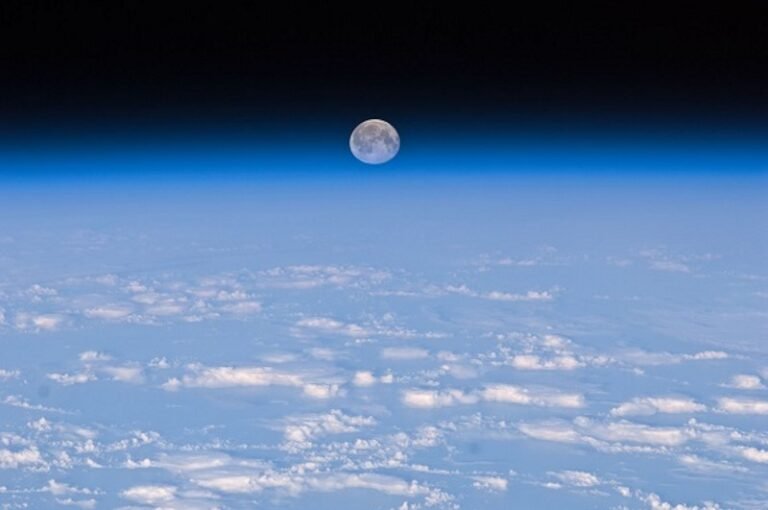
The phases of the moon depend on the angle between the Earth, the Moon and the Sun. Because the Moon is so far away, everyone on Earth sees the same phase at the same time.
What does differ is the orientation. In the Southern Hemisphere, the moon appears upside down compared to the Northern Hemisphere, so a waxing moon is lit on the left instead of the right. But the phase itself is exactly the same.
6. The Great Wall of China is visible from space
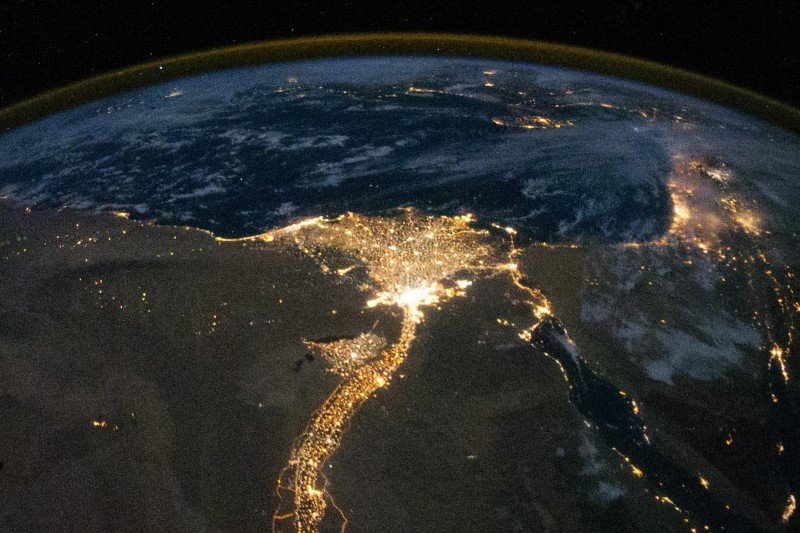
It is one of the most persistent myths: the Great Wall is supposedly the only human-made structure visible with the naked eye from space, or even from the Moon. Astronauts, including China’s first astronaut Yang Liwei, have said they could not see it.
The wall is thousands of kilometers long, but only a few meters wide, and made of materials that blend into the landscape. Highways, airports and city lights at night are much easier to spot from orbit.
5. The Earth is a perfect sphere
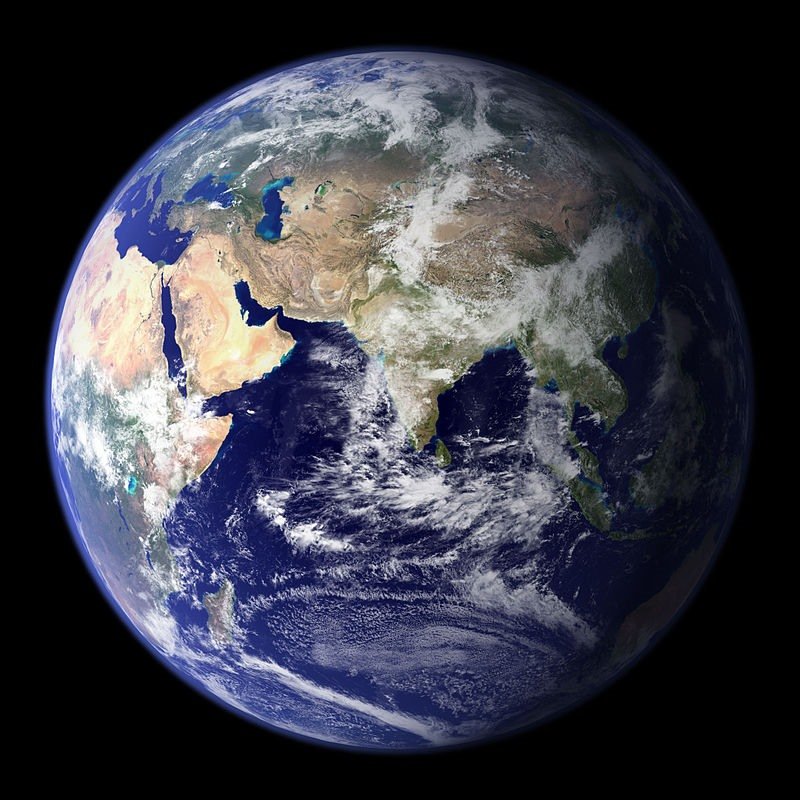
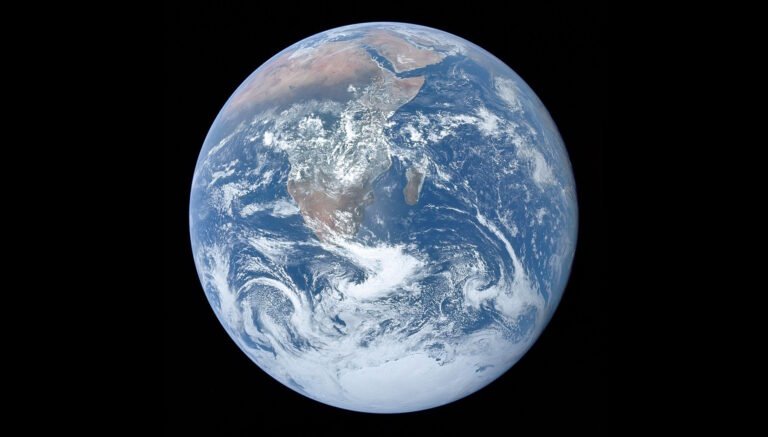
The Earth is not a perfect ball, but slightly flattened at the poles and bulging at the equator. Its rotation, at about 1,670 kilometers per hour at the equator, pushes mass outwards.
As a result, the Earth is about 43 kilometers wider at the equator than from pole to pole. That leads to a surprising fact: the point farthest from the center of the Earth is not the top of Mount Everest, but the summit of Chimborazo in Ecuador, close to the equator.
4. One side of the moon is always dark
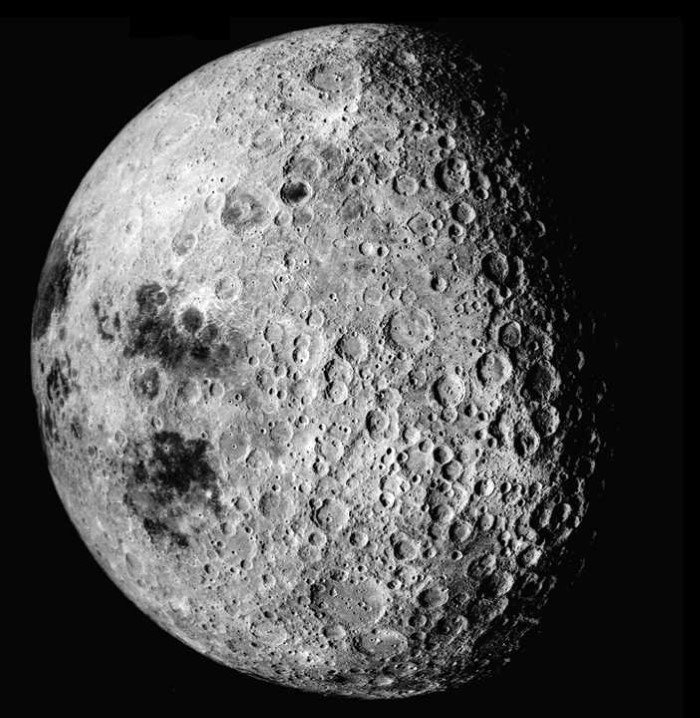
Thanks partly to Pink Floyd, many people talk about the “dark side of the moon”. But the side we never see is not dark at all.
The Moon always shows us the same face, because its rotation is synchronized with its orbit around the Earth. But every side of the Moon gets two weeks of sunlight in turn. During a new moon, when we see nothing, the far side is fully lit by the Sun. A better name is the far side of the moon.
3. Dinosaurs are completely extinct

When an asteroid hit the Earth about 66 million years ago, it wiped out T. rex, Triceratops and all other non-flying dinosaurs. But dinosaurs as a group did not disappear.
Birds are the direct descendants of feathered theropod dinosaurs, and scientists classify them as living dinosaurs. The pigeon in the town square and the chicken on the farm are, biologically speaking, just as much dinosaurs as Velociraptor was.
2. Water drains the other way in the Southern Hemisphere
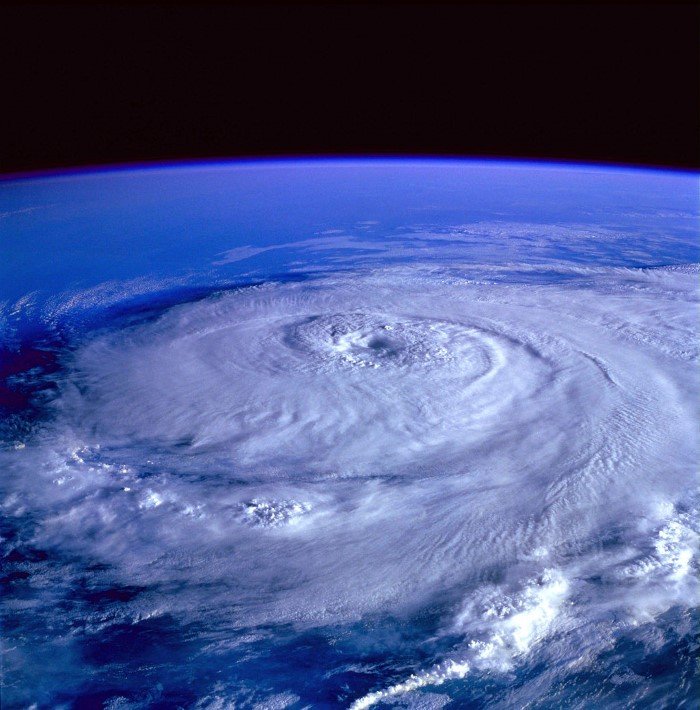
Tourists near the equator are sometimes shown a trick where water drains clockwise on one side of the line and counterclockwise a few meters away. The explanation given is the Coriolis effect, caused by the Earth’s rotation. It sounds impressive, but it is a trick.
The Coriolis effect on a sink full of water is far too weak to matter. The direction of the swirl depends on the shape of the basin and the way the water was moving to begin with. Only in huge weather systems, like hurricanes, is the Coriolis effect strong enough to determine the direction of rotation.
1. It is summer because the Earth is closer to the Sun

It seems logical: summer must be warm because we are closer to the Sun. In fact, it is the other way around for the Northern Hemisphere. The Earth is closest to the Sun in early January, at about 147 million kilometers, and farthest away in early July, at about 152 million kilometers.
The seasons are caused by the tilt of the Earth’s axis, about 23.5 degrees. When the Northern Hemisphere is tilted towards the Sun, the sunlight hits it more directly and the days are longer, so it heats up. Six months later, it is tilted away, and winter arrives.