We could not survive without trees: they produce oxygen, store carbon and give shelter to countless animals. Besides that, they are perfect for climbing, resting under or simply admiring.
Billions of trees grow on our planet in complete anonymity, but not the ones below. These ten trees are famous for their age, size, history or religious meaning, counting down to number one.
10. Methuselah, the oldest known tree
The oldest known individual tree in the world grows in the White Mountains of California. It is a Great Basin bristlecone pine, nicknamed Methuselah, and is more than 4,800 years old: it was already a seedling when the pyramids of Egypt were built. Its exact location is kept secret to protect it from vandalism.
Some researchers have claimed that an even older bristlecone pine, of more than 5,000 years, grows in the same area, but that has never been confirmed. These trees grow extremely slowly in a harsh environment, which makes their wood very dense and resistant to decay.
9. General Sherman
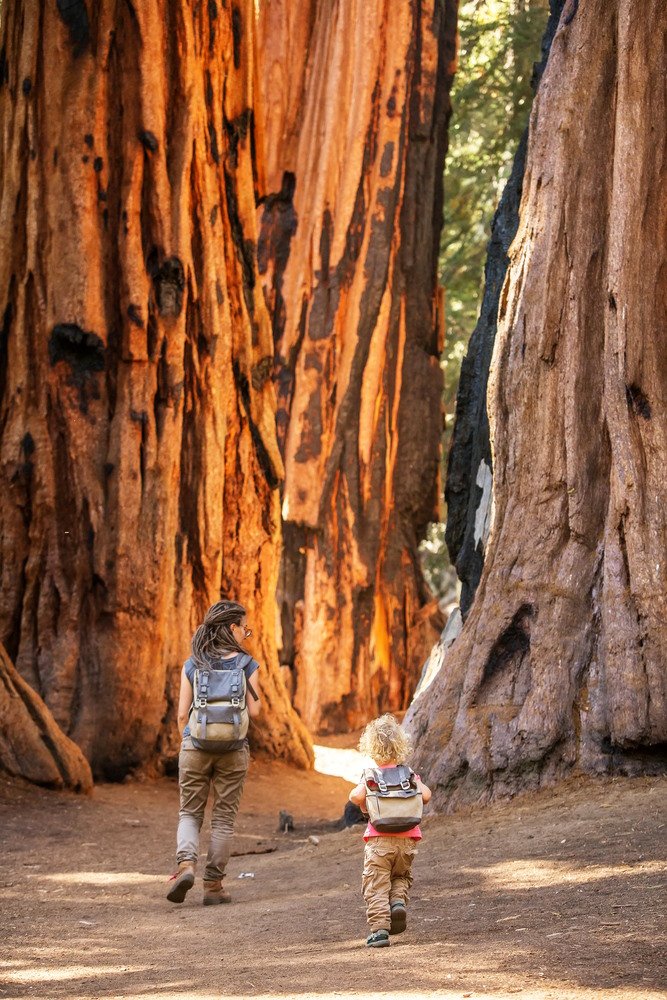
General Sherman is a giant sequoia in Sequoia National Park in California. It is around 84 meters tall, has a trunk circumference of more than 30 meters at the base and is, by volume, the largest living single-stem tree on Earth. It is probably around 2,000 years old.
Although it is the largest tree, it is not the tallest. That title goes to Hyperion, a coast redwood of around 116 meters, also in California. Its location was never officially published, and since 2022, visiting it has been banned, with heavy fines, to protect the fragile soil around its roots.
8. The trees of Ta Prohm
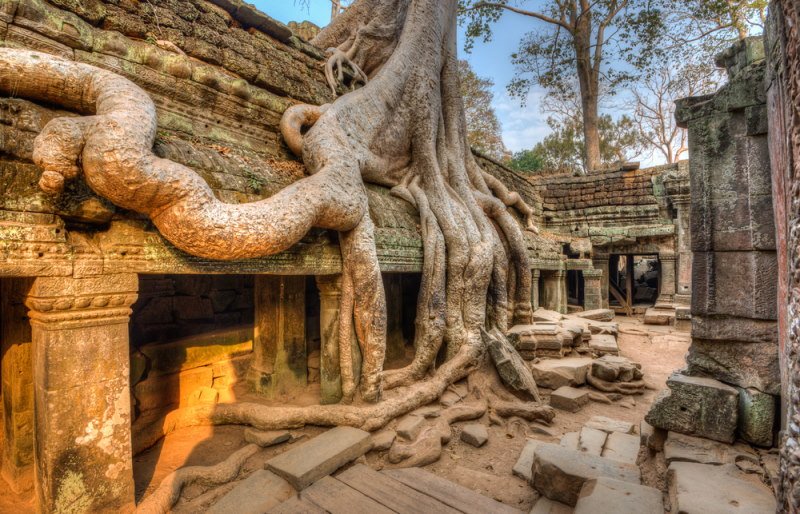
The temple of Ta Prohm, part of the Angkor complex in Cambodia, is world famous for the giant trees that have grown over its ruins. The huge roots of silk-cotton trees and strangler figs flow over the centuries-old walls like molten wax.
The trees have grown into the architecture, both breaking the stones apart and holding them together. The temple was deliberately left largely as it was found, and it became even more famous after scenes for the film Lara Croft: Tomb Raider were shot there.
7. The Anne Frank tree
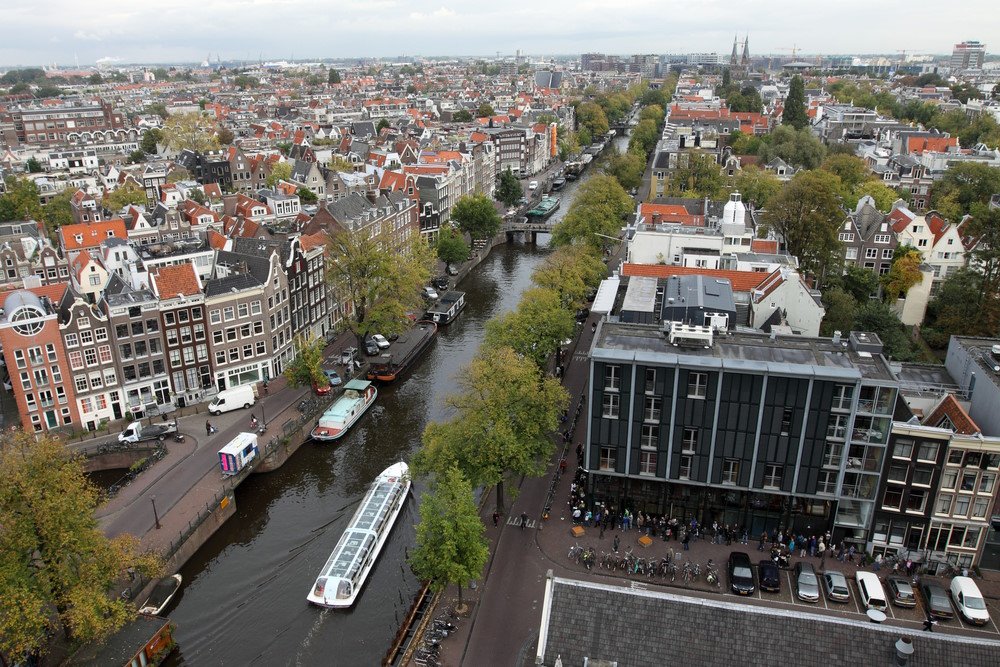
From the attic of the Secret Annex in Amsterdam, where she hid from the Nazis, Anne Frank could see a horse chestnut tree. She wrote about it in her diary as a symbol of nature and freedom. The original tree, weakened by disease and fungus, blew down in a storm in August 2010.
Fortunately, saplings had been grown from its chestnuts. These young trees have since been planted around the world, from the United States to Europe, as symbols of hope and tolerance.
6. The Chandelier Tree
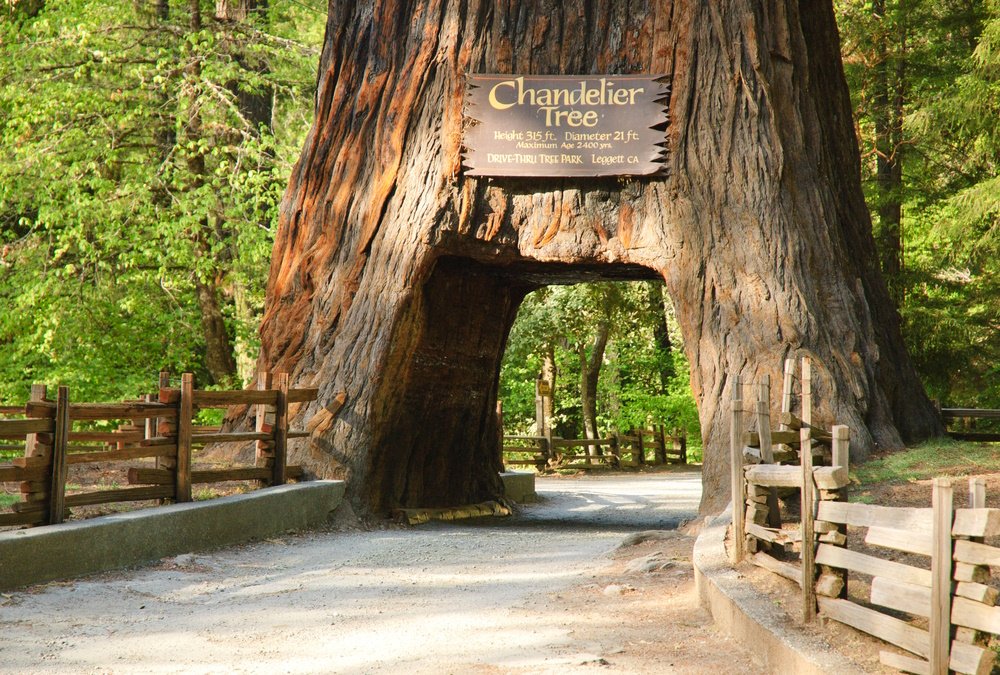
The Chandelier Tree in Leggett, California, is the most famous drive-through tree in the world. In the 1930s, a tunnel was cut through the base of this coast redwood, which is around 96 meters tall.
The opening is large enough for ordinary cars to drive through. Today, we are much more careful with natural monuments, but the tree remains a curious relic of the early days of car tourism, and it is still alive.
5. The Major Oak
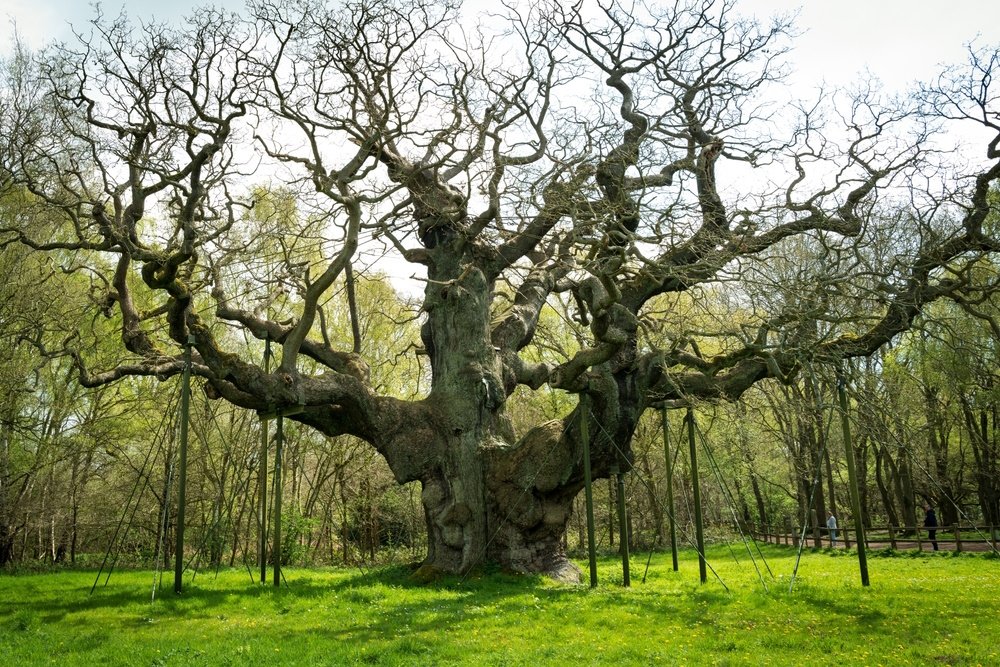
In the heart of Sherwood Forest in England stands the Major Oak. This oak is estimated to be around 800 to 1,100 years old and is thought to weigh around 23 tonnes. In 2014, it was voted England’s Tree of the Year.
According to legend, Robin Hood and his Merry Men hid in or under it. Its huge branches have been supported by a system of poles and cables since the early 20th century, to stop the tree from collapsing under its own weight.
4. The Lone Cypress
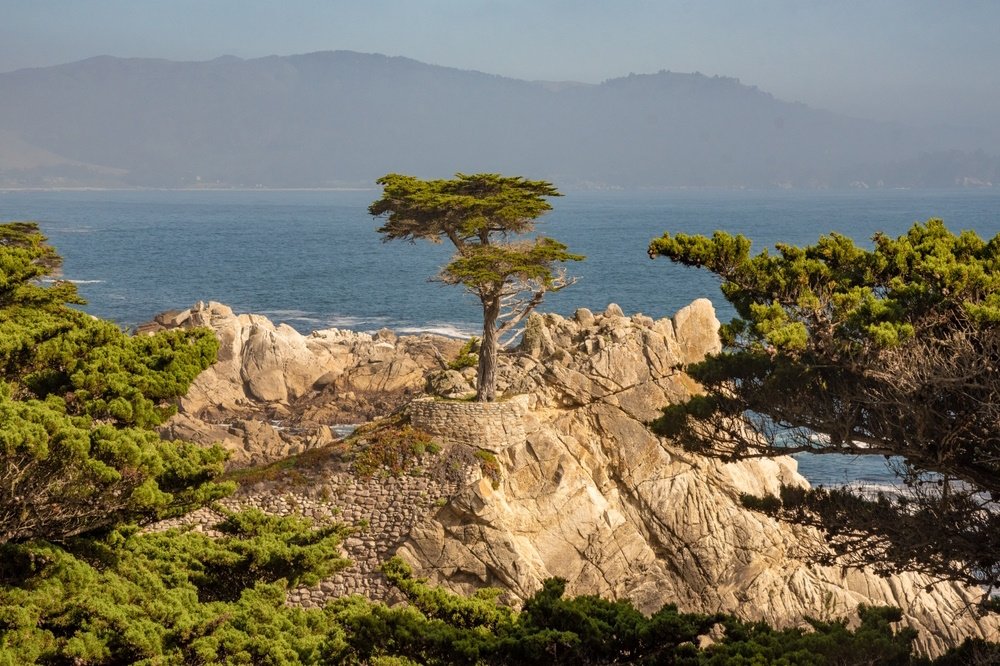
Along the scenic 17-Mile Drive in California, the Lone Cypress stands on a granite rock above the Pacific Ocean. This Monterey cypress is estimated to be around 250 years old and is the official symbol of Pebble Beach, which has even registered its image as a trademark.
It has survived storms, fire and vandalism. For decades, it has been held in place by steel cables, an icon of lonely resilience on the coast.
3. The Cedars of God
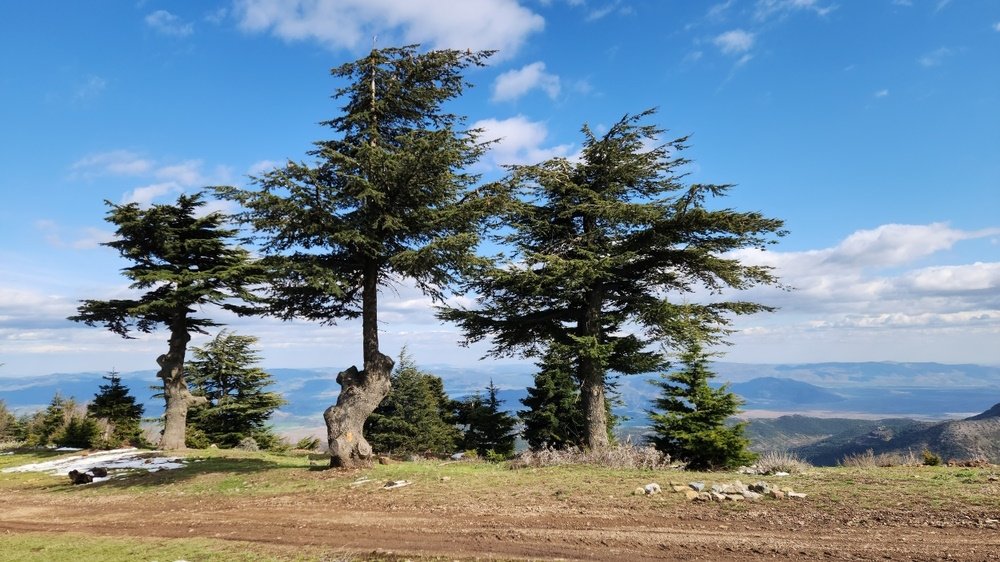
The Cedars of God, in the mountains above the Qadisha Valley in Lebanon, are among the last remnants of the vast cedar forests that once covered the mountains of Lebanon. The cedar of Lebanon is mentioned dozens of times in the Bible and is the symbol on the Lebanese flag.
The wood was prized in ancient times by the Phoenicians, Egyptians and others for ships, temples and palaces, which is exactly why so little of the forest remains. Today, the grove of a few hundred trees, some of them many centuries old, is protected as a UNESCO World Heritage Site.
2. The Avenue of the Baobabs
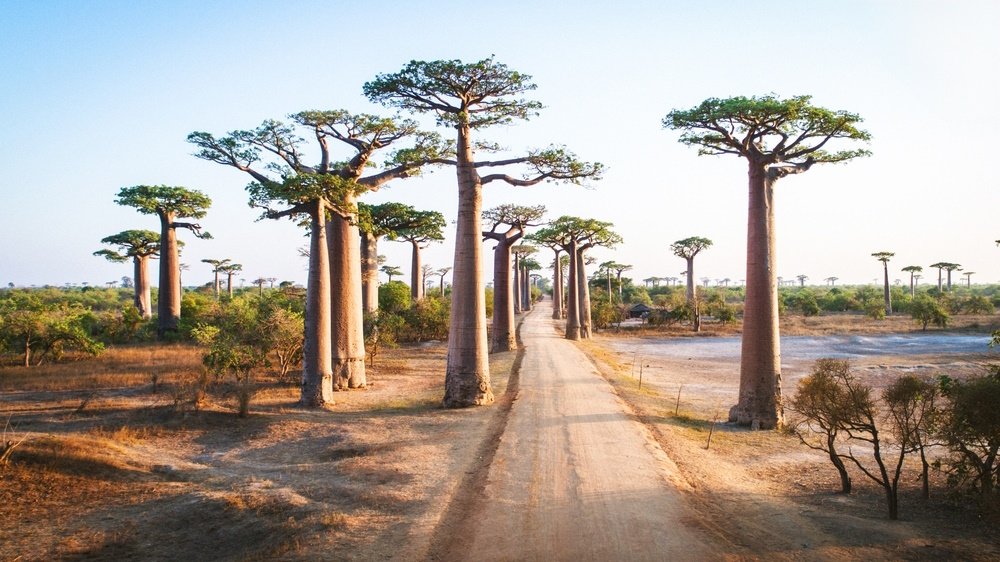
In the Menabe region of western Madagascar lies the Avenue of the Baobabs, a dirt road lined with giant Grandidier’s baobabs. These trees look as if they were planted upside down, with their roots in the air. Some of them are estimated to be around 800 years old.
They once stood in a dense tropical forest, but the forest was cleared for farmland, leaving only the baobabs. At sunrise and sunset, they form one of the most spectacular and most photographed landscapes in Africa.
1. The Bodhi Tree
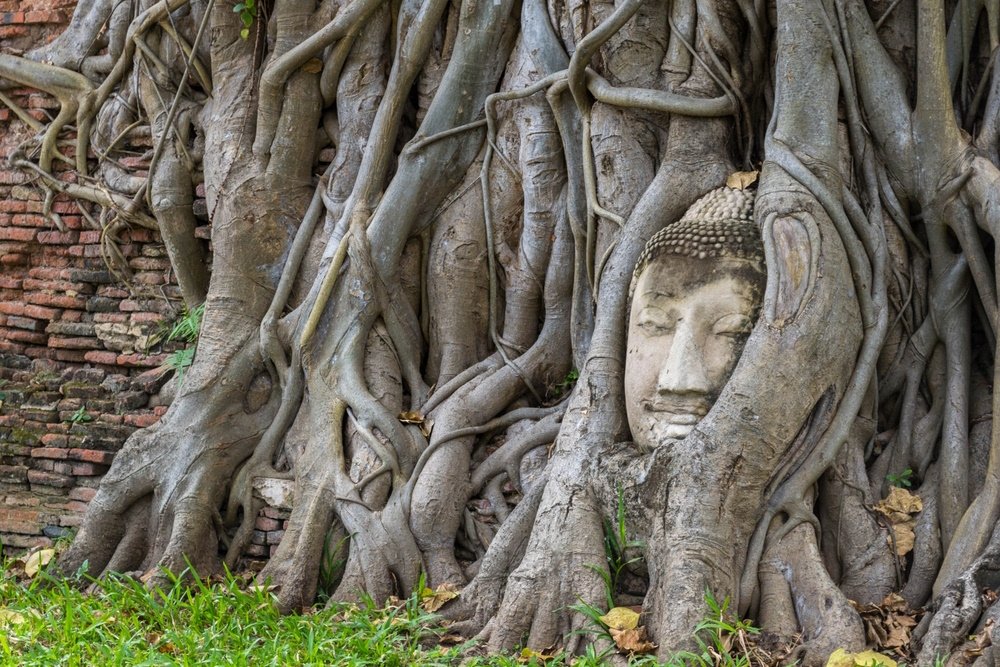
For Buddhists, the Bodhi Tree in Bodh Gaya, India, is the most sacred tree on Earth. According to tradition, Siddhartha Gautama reached enlightenment and became the Buddha while meditating under a sacred fig tree at this spot, around 2,500 years ago.
The current tree is believed to be a descendant of the original. A cutting of the original tree was taken to Sri Lanka in the 3rd century BC, where it still grows in Anuradhapura as the oldest human-planted tree with a known planting date. Every year, millions of pilgrims visit the Mahabodhi Temple to meditate near the Bodhi Tree.