For thousands of years, people all over the world have used plants to treat illness and ease complaints. Many modern medicines, from aspirin to some cancer drugs, were originally derived from plants. These ten plants have a long tradition in herbal medicine. For each one, we also look at what is actually known about them, because traditional use is not the same as proven effect.
Please note: this article is for general information only. Herbal remedies can have side effects and interact with medication. Always consult a doctor or pharmacist before using them, especially if you are pregnant, ill or taking other medicines.
1. Calendula (Calendula officinalis)
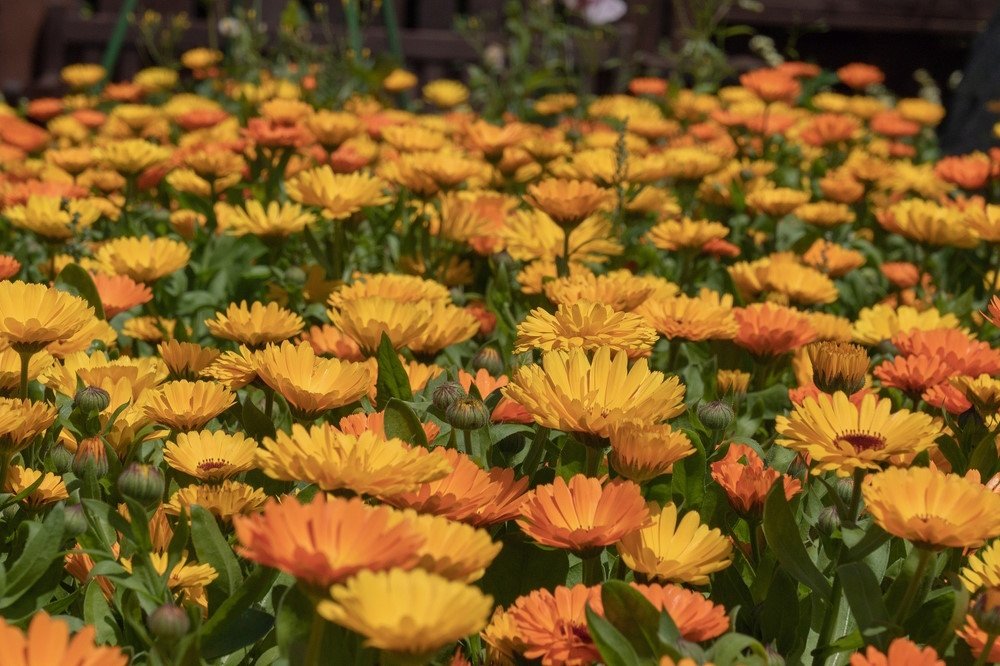
Calendula, also known as pot marigold, is found in gardens around the world thanks to its bright yellow to deep orange flowers. Its flowers have long been used in ointments and creams for minor cuts, burns and skin irritation. Laboratory studies show that calendula extracts have anti-inflammatory and antibacterial properties, and some small clinical studies suggest it may help wounds heal, but the evidence is still limited.
2. Chamomile (Matricaria chamomilla)
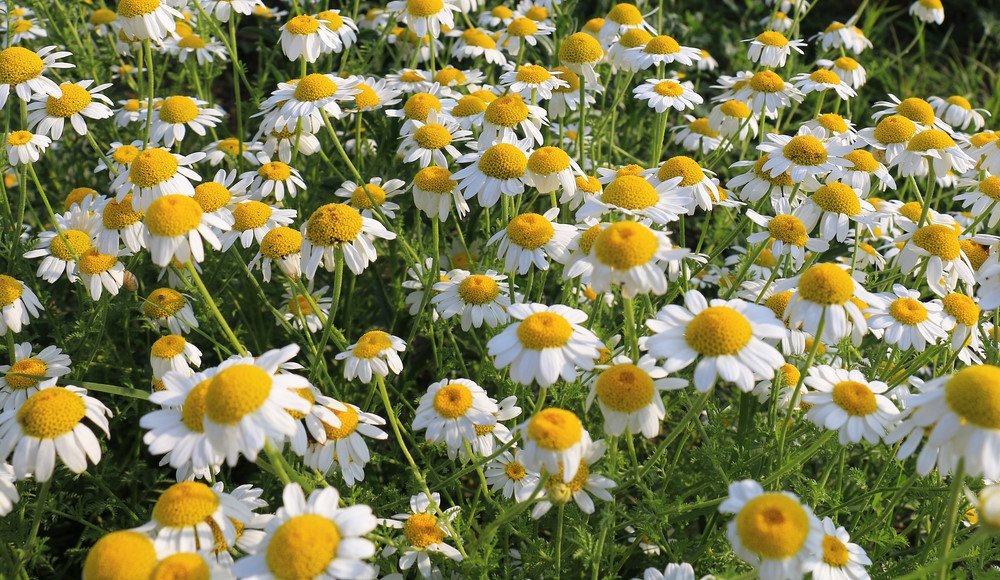
Chamomile is a delicate flower with white petals and a yellow center, often associated with rest and relaxation. Many people enjoy a cup of chamomile tea at the end of a long day. It is traditionally used for sleeplessness, anxiety and digestive complaints. Some small studies suggest it may have a mild calming effect, but the scientific evidence is not strong. People who are allergic to plants in the daisy family should be careful with it.
3. Peppermint (Mentha × piperita)
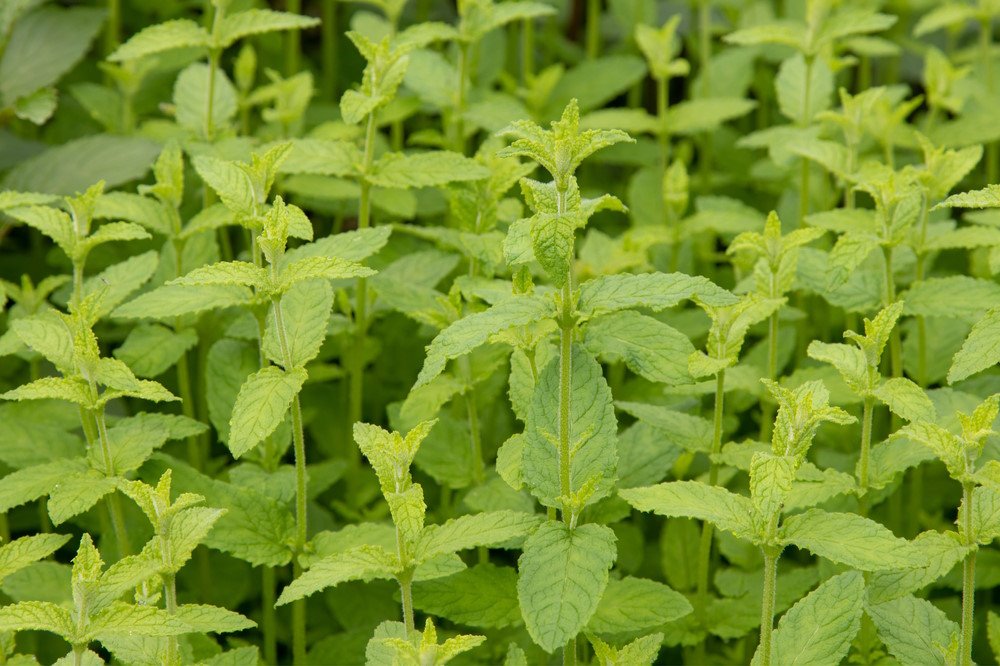
Peppermint is a fragrant plant whose sharp, cooling scent is used in everything from toothpaste to candy. Its cooling effect comes from menthol. Of all the plants on this list, peppermint has some of the best evidence behind it: several clinical trials have shown that enteric-coated peppermint oil capsules can relieve symptoms of irritable bowel syndrome. Peppermint can, however, worsen heartburn in some people.
4. Holy basil (Ocimum tenuiflorum)
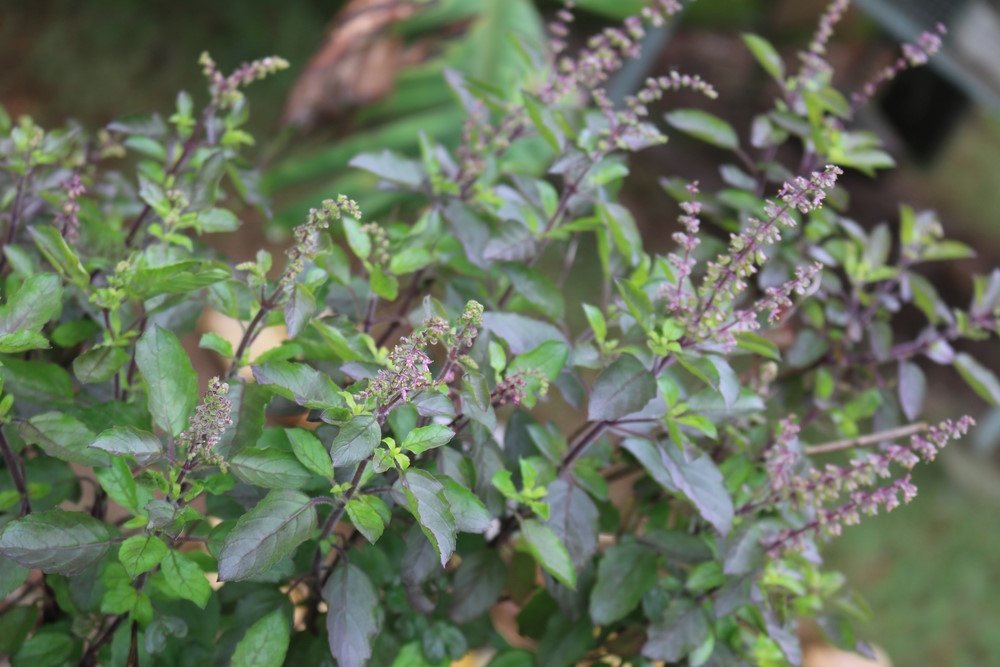
Holy basil, also called tulsi, is deeply rooted in Indian culture and is considered sacred in Hinduism. Many Hindu households grow it in their courtyard. In traditional Ayurvedic medicine, it is used for colds, stress and many other complaints. It contains several active compounds, and some small studies suggest effects on stress and blood sugar, but larger, high-quality studies are still lacking.
5. Plantain (Plantago major)

Broadleaf plantain, not to be confused with the banana-like fruit, is often overlooked because it grows everywhere, from lawns to sidewalk cracks. It has broad, oval leaves and long spikes with tiny flowers. In folk medicine, the leaves are crushed and applied to insect bites, stings and small wounds. The leaves contain compounds with anti-inflammatory properties, but clinical evidence is limited.
6. Hyssop (Hyssopus officinalis)
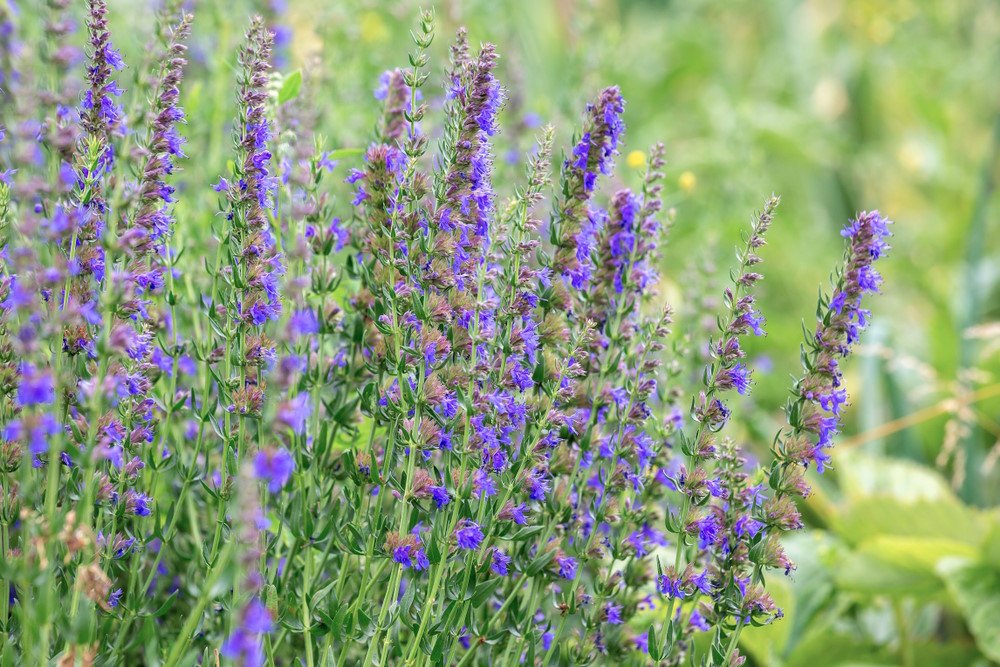
Hyssop is an aromatic perennial with deep blue to purple flowers, often grown in herb gardens. It has a long history in religious rituals, where it was associated with purification, and a plant called hyssop is mentioned in the Bible, although scholars debate whether it was the same plant. Traditionally, hyssop tea was used for coughs and sore throats. Scientific evidence for these uses is scarce, and hyssop oil can be toxic in high doses.
7. English lavender (Lavandula angustifolia)
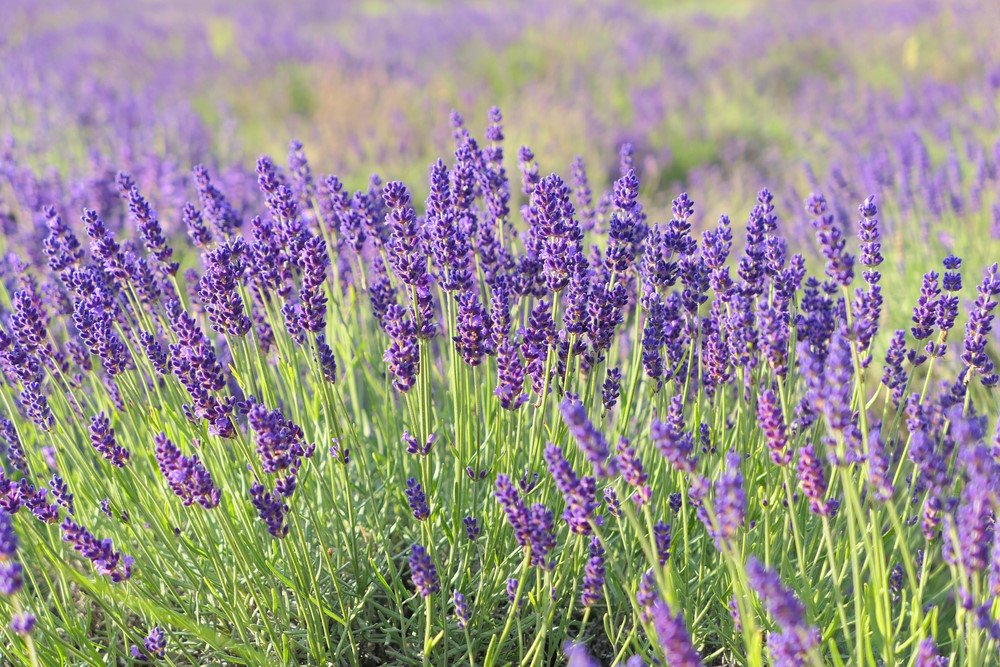
Lavender is one of the most recognizable herbs, with its purple flowers and calming scent. Originally from the Mediterranean, it has long been used in perfumes, soaps and sachets. Lavender is traditionally used for anxiety and sleep problems. Some clinical studies have found that oral lavender oil capsules may reduce anxiety somewhat, although more research is needed, and lavender oil should never be swallowed undiluted.
8. Hops (Humulus lupulus)
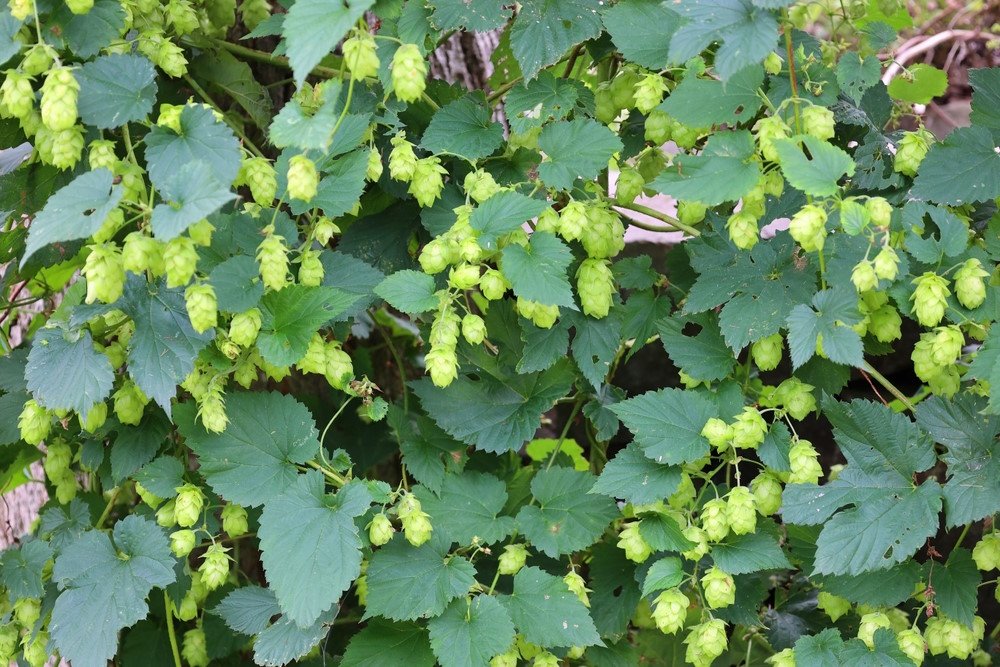
When people think of hops, beer is usually the first thing that comes to mind. This climbing plant produces cone-shaped flowers that give beer its bitterness and aroma. But hops are also traditionally used as a sleep aid, often combined with valerian. Hop pickers were once said to get sleepy while working. There is some evidence that combinations of hops and valerian may help with sleep, but the effect of hops alone is unclear.
9. Hawthorn (Crataegus)
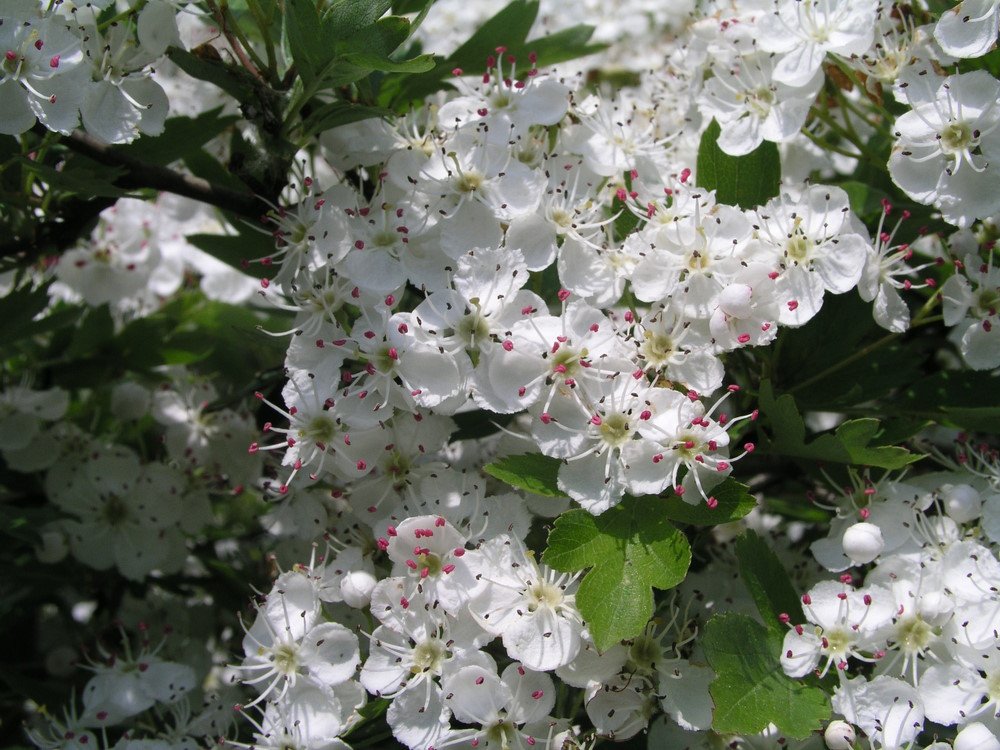
Hawthorn is a sturdy shrub or small tree, common in European hedgerows, with white blossoms in spring and red berries in autumn. It features in a lot of folklore. In herbal medicine, its leaves, flowers and berries are mainly associated with the heart. Some studies suggest that hawthorn extract may have a modest benefit in mild heart failure, but it can interact with heart medication, so it should never be used without a doctor’s advice.
10. Elecampane (Inula helenium)
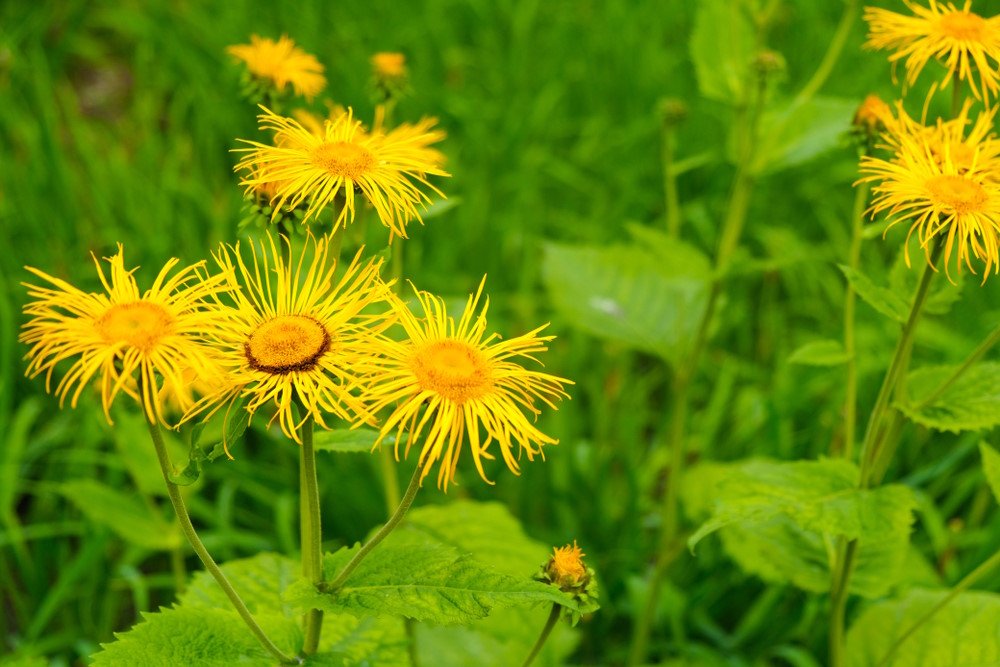
Elecampane is a tall plant with bright yellow, sunflower-like flowers, often found in old cottage gardens. Its Latin name refers to Helen of Troy, who according to legend was holding the plant when she was abducted. Its root has a long history in folk medicine as a remedy for coughs and respiratory complaints such as bronchitis. Modern research on its effects in humans is very limited.
Plants have given medicine some of its most important drugs: morphine from the opium poppy, digoxin from foxglove, quinine from the cinchona tree and the cancer drug paclitaxel from the Pacific yew. But “natural” does not automatically mean safe or effective. The best results come when traditional knowledge is tested by careful scientific research.