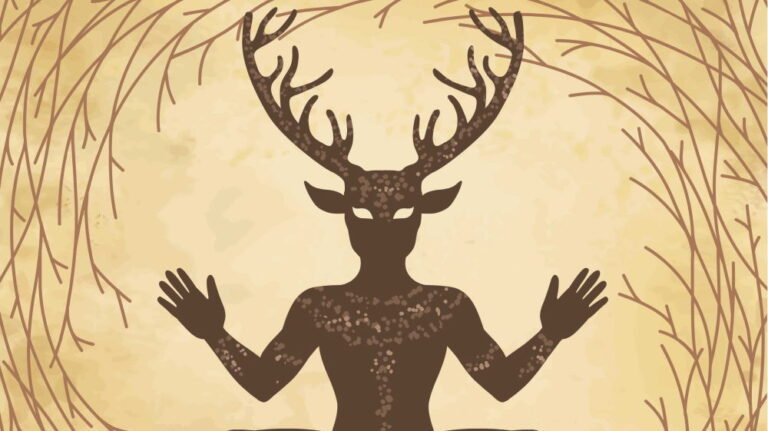
The countryside of England is steeped in ancient maritime legends, murky peat bogs, dense ancient forests, and abandoned abbey ruins. For centuries, rural villagers populated these isolated landscapes with nocturnal horrors, swamp hags, and ferocious hellhounds designed to warn travelers away from treacherous bogs and stormy coastlines.
Folklore records preserved at the British Museum Folklore Collection demonstrate how regional oral tales reflected local geography, from Yorkshire moors to Sussex marshes. Here are 10 of the most terrifying monsters in English folklore.
10. Jack in Irons, the Chained Giant of Yorkshire
Haunting the deserted crossroads and nocturnal lanes of Yorkshire, Jack in Irons was a terrifying giant who draped heavy clanking chains across his scarred shoulders. He wore the flayed skins of his victims and carried an immense spiked club.
The eerie sound of rattling iron chains through chilly nocturnal fog warned solitary travelers to flee before the towering brute emerged to crush them beneath his heavy cudgel.
9. The Cockatrice of Wherwell
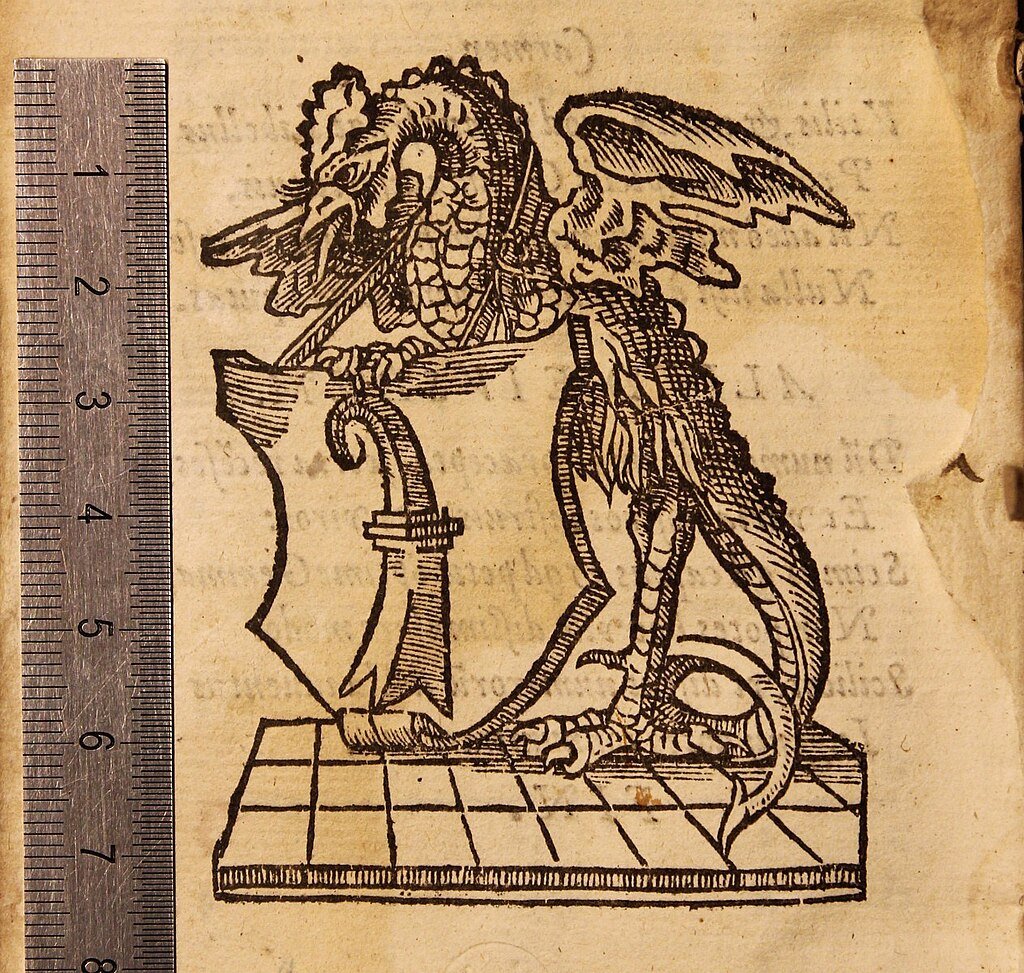
In the Hampshire village of Wherwell, villagers were terrorized by a Cockatrice, a two legged dragon like monster hatched from a toad egg incubated beneath a rooster. Possessing a serpentine tail and yellow rooster head, its direct stare turned living flesh to solid stone.
A clever servant named Kew lowered an array of polished steel mirrors into the monster cavern lair. When the beast confronted its own lethal reflection, it died on the spot from its own petrifying stare.
8. Jenny Greenteeth, the River Bog Hag
Lurking in the stagnant ponds, canals, and riverbanks of Lancashire and Cheshire, Jenny Greenteeth was a sinister river witch with moss green skin, long green hair, and needle sharp green fangs. She concealed herself beneath thick floating duckweed.
Parents warned children never to play near deep waterbanks, cautioning that Jenny long sinewy arms would shoot out from beneath the green scum to drag wandering children down into drowning depths.
7. The Boggart, Household Tormentor and Moorland Demon
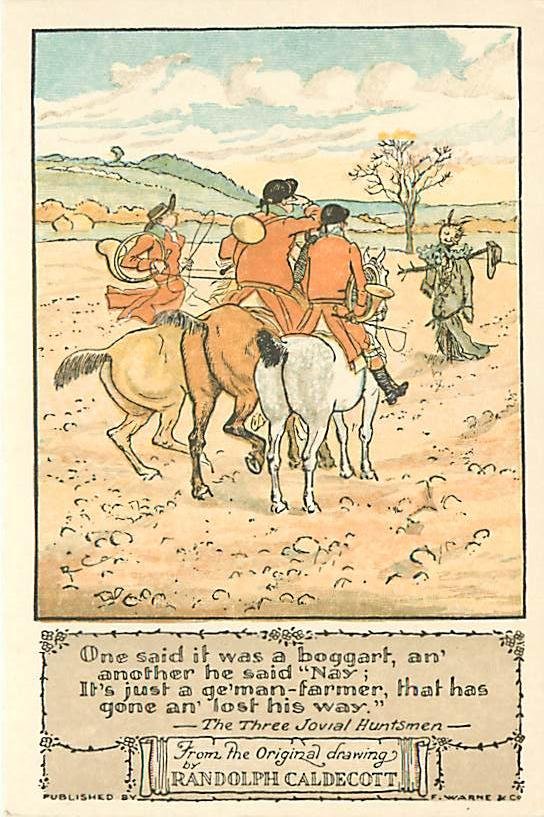
In northern English folklore, the Boggart is a malicious, shape shifting spirit that haunts desolate moorlands or attaches itself to family cottages. When provoked, a friendly household brownie transforms into a destructive boggart, souring milk, pulling bedsheets off sleeping owners, and pinching children.
Attempting to escape a boggart by moving to a new home rarely worked; traditional tales tell of families loading moving carts only to hear the mocking chuckle of the boggart concealed inside the butter churn.
6. Yallery Brown, the Imp of Lincolnshire
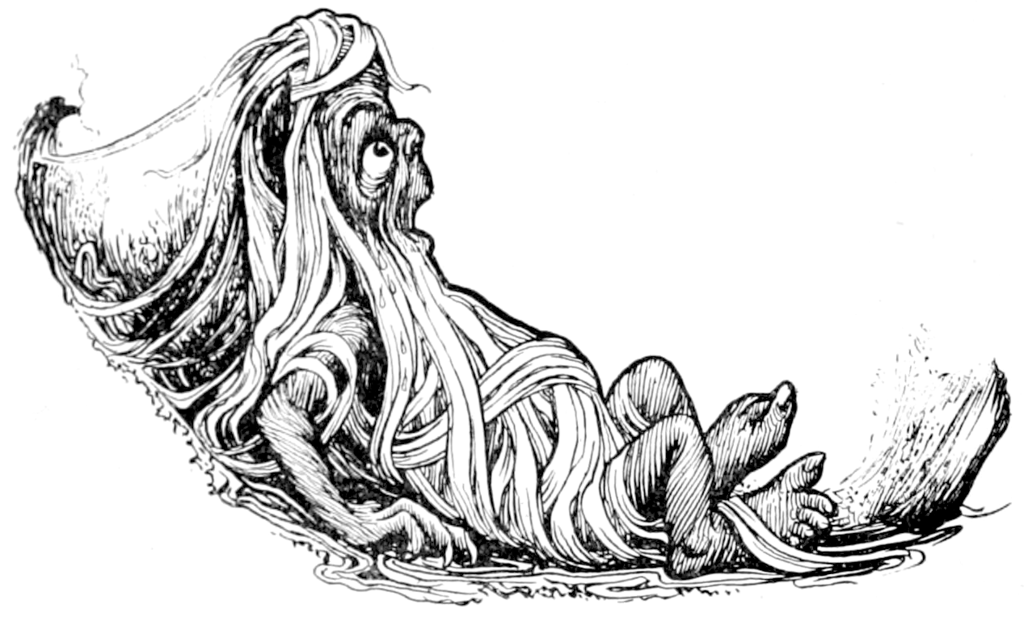
In the fenlands of Lincolnshire, Yallery Brown was a spiteful fairy creature resembling an ugly little old man with mustard yellow skin and wild brown hair. When a kind laborer rescued him from beneath a heavy boulder, the creature offered to help with field work on one strict condition: never thank him.
When the grateful laborer eventually uttered words of thanks, Yallery Brown placed a bitter lifelong curse upon him, causing his crops to rot, his livestock to perish, and all good fortune to abandon his household.
5. The Knucker of Lyminster
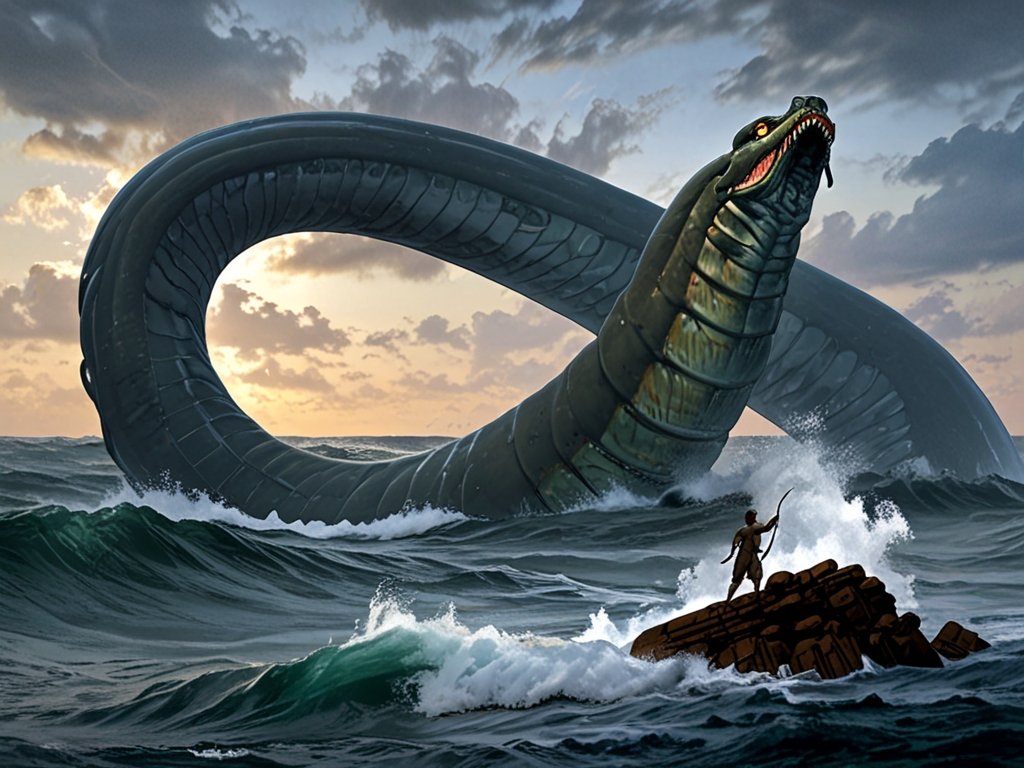
In Sussex folklore, knuckers were wingless water dragons who inhabited deep, spring fed sinkholes known as knucker holes. The most famous was the Dragon of Lyminster, who poisoned local livestock and demanded young maidens as food.
A farmer son named Jim Pulk outsmarted the serpent by baking an enormous poisoned savory pie and rolling it into the beast hole. The greedy dragon devoured the pie and perished, though Jim foolishly celebrated by taking a celebratory drink without washing his poisoned hands, dying alongside his quarry.
4. Black Annis, the Iron Clawed Cave Hag
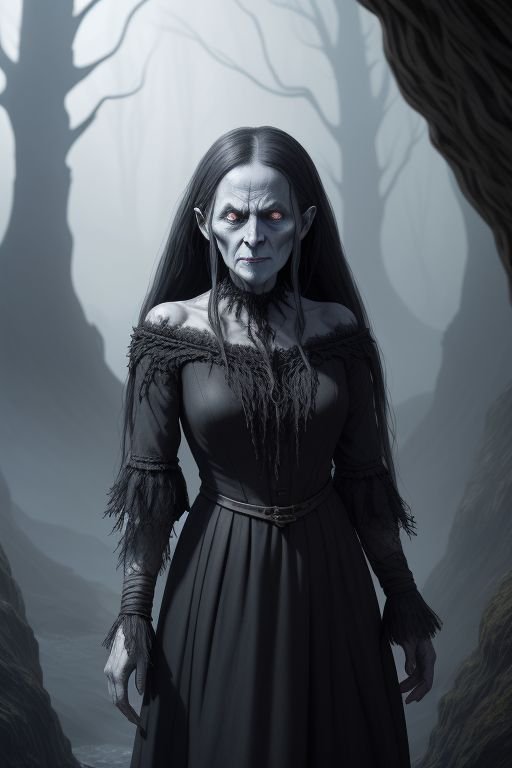
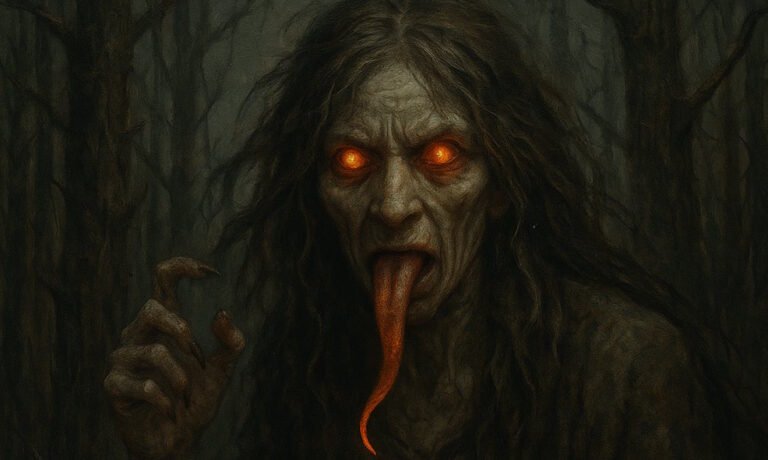
Dwelling in a damp cave known as Black Annis Bower in the Dane Hills of Leicestershire, this terrifying witch possessed blue skin, sharp yellow fangs, and iron claws that she used to scrape out her cavern home from solid sandstone.
At twilight, she perched in the branches of a gnarled oak tree outside her bower, leaping down upon unsuspecting shepherds and young children, flaying their skin and hanging their pelts to dry inside her gloomy cavern.
3. The Redcap, Murderous Border Goblin
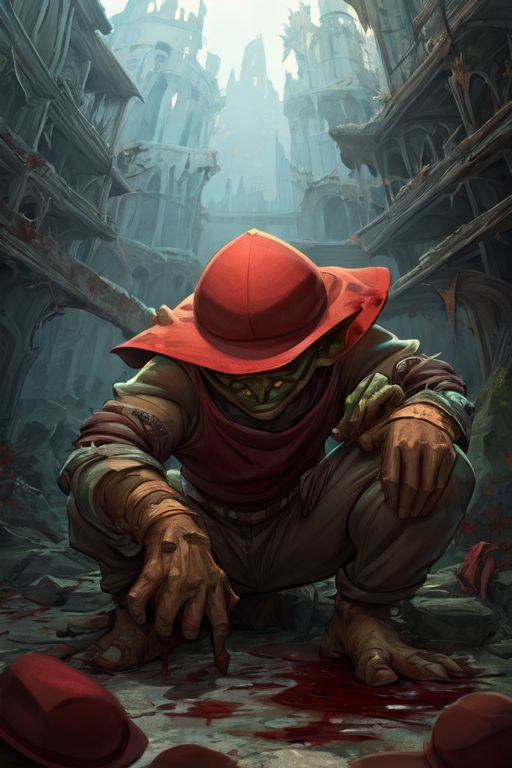
Inhabiting ruined castles along the turbulent Anglo Scottish border, the Redcap was an elderly goblin with red eyes, long grey hair, and iron shod boots. Armed with a heavy steel pike, he attacked wanderers who took shelter in ruined towers.
His name derived from his gruesome habit of soaking his wool bonnet in the fresh blood of his victims, as he was doomed to perish if his cap ever dried out. The only defense was reciting scripture, which caused the goblin to shriek and vanish, leaving behind an iron tooth.
2. The Nuckelavee, Skinless Maritime Terror
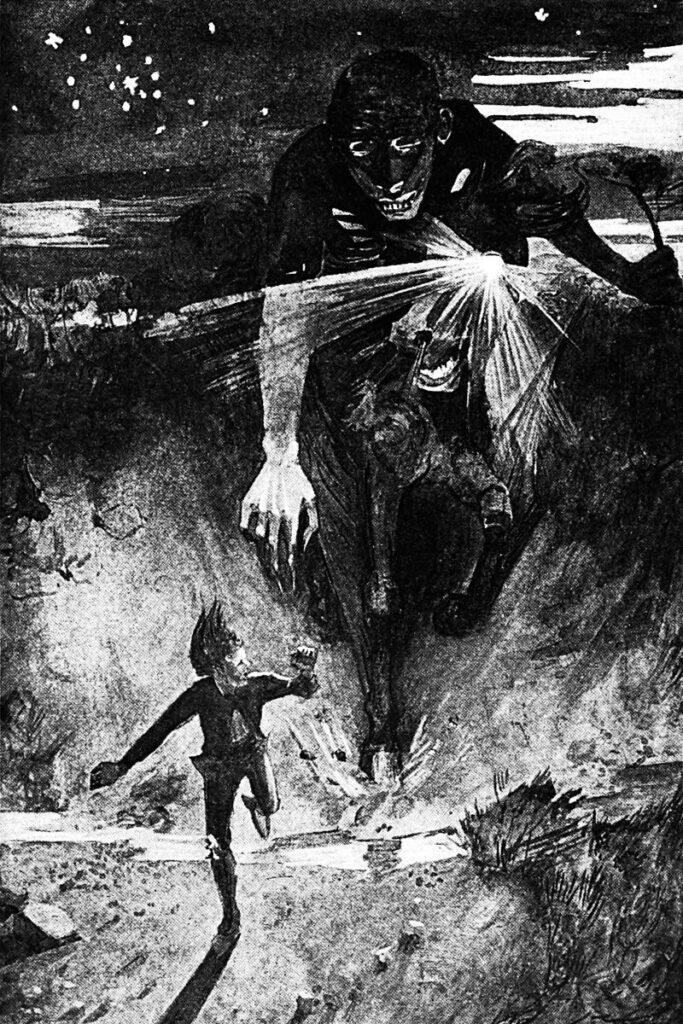
Though originating in northern Scottish and Orcadian lore, tales of the Nuckelavee spread terror across northern English fishing ports. The demon appeared as a skinless horse fused with a humanoid torso, with black blood pulsing visibly through thick yellow veins.
His pestilential breath withered coastal wheat fields and caused fatal epidemics among farm animals. Fleeing islanders could only escape by leaping across flowing freshwater streams, which the saltwater demon could not cross.
1. Black Shuck, the Hellhound of East Anglia
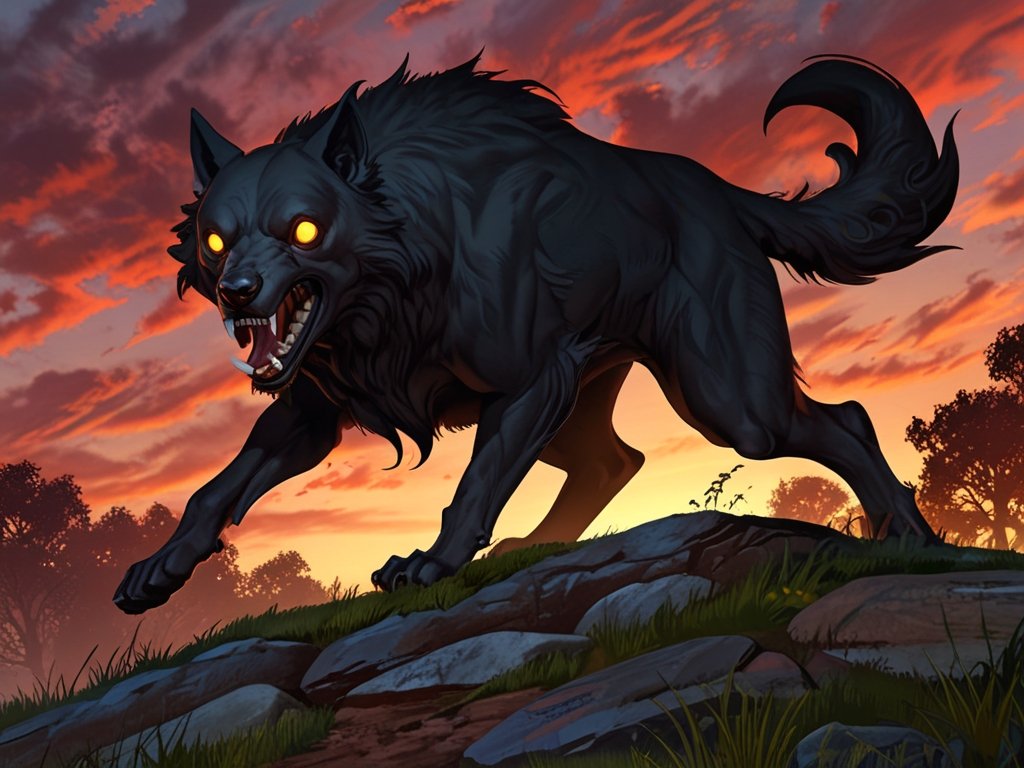
Holding top honors among English spectral horrors, Black Shuck is a colossal shaggy black dog with glowing saucer sized red eyes that stalks the coastlines, graveyards, and foggy country roads of Norfolk and Suffolk. His name derives from the Old English scucca, meaning demon.
On August 4, 1577, during a terrifying thunderstorm, Black Shuck burst through the closed doors of Blythburgh Church, killing two worshippers and leaving scorched claw marks on the oak door that visitors inspect to this day. As explored at the World History Encyclopedia, Black Shuck served as the direct inspiration for Sir Arthur Conan Doyle The Hound of the Baskervilles.
Conclusion
English folklore monsters reveal how communities in medieval and early modern England understood danger, loneliness, and natural hazards. From perilous peat bogs to turbulent ocean coasts, these frightening tales cautioned generations against wandering unprepared into the dark.
Their stories continue to enrich British literary traditions, providing gothic inspiration for world famous mysteries and ghost stories.