As the supreme sovereign of Mount Olympus, Zeus commanded thunderbolts, presided over divine councils, and enforced universal cosmic justice. Yet ancient Greek literature portrayed the king of the gods not as an aloof moral philosopher, but as an impulsive, unpredictable ruler whose scandalous exploits constantly threw the mortal and immortal worlds into turmoil.
Classical art and sculpture at the Metropolitan Museum of Art record the countless shapeshifting deceptions, dramatic jealousies, and catastrophic revenges orchestrating his reign. Here are the 10 most bizarre things Zeus did in Greek mythology.
10. Impersonating Amphitryon to Father Hercules
Desiring the noble mortal woman Alcmene in Thebes, Zeus took advantage of her husband Amphitryon absence at war. Zeus shapeshifted into an exact physical duplicate of Amphitryon, returning home triumphant and embracing Alcmene.
To prolong their romantic encounter, Zeus commanded the sun god Helios to extinguish the solar chariot for three consecutive days, creating a single night that lasted seventy two hours. The union resulted in the birth of the greatest Greek demigod, Hercules.
9. Transforming into a Shower of Golden Rain
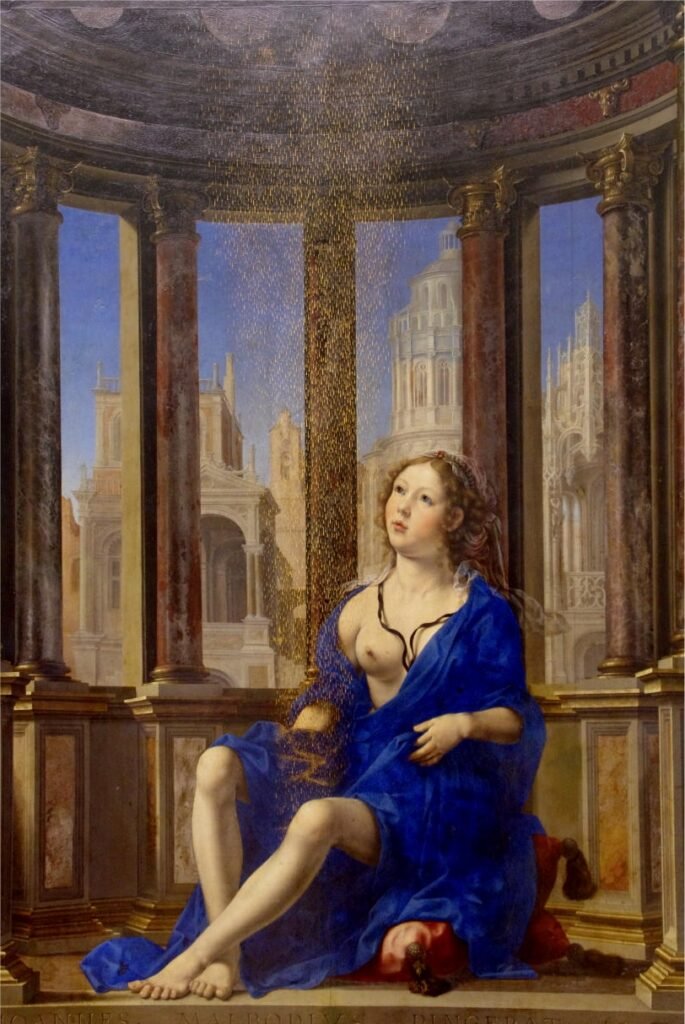
King Acrisius of Argos received a dark prophecy that his grandson would one day kill him. Terrified, the king locked his daughter Danae inside an underground bronze chamber surrounded by armed guards to prevent her from ever bearing children.
Physical fortifications proved useless against the king of Olympus. Zeus transformed himself into a sparkling stream of liquid golden rain, pouring through a small crack in the ceiling directly into Danae lap. This miraculous encounter produced Perseus, the future slayer of Medusa.
8. Abducting Europa as a Gentle White Bull

While Phoenician princess Europa was gathering wildflowers on the beaches of Tyre, Zeus became smitten with her beauty. Knowing that an armed deity would terrify the young woman, Zeus transformed himself into a peaceful, снежно white bull with horns curved like crescent moons.
The bull laid down gently beside Europa, encouraging her to stroke its flank and climb onto its back. The moment she sat astride, the beast leaped into the foaming waves, swimming across the Mediterranean Sea to Crete, where Europa gave her name to the European continent.
7. Unleashing the Great Deluge of Deucalion
Disgusted by human wickedness and cannibalism during the Bronze Age of man, Zeus decided to obliterate humanity completely. Instead of using lightning bolts that might set Mount Olympus on fire, he called upon his brother Poseidon to submerge the world in water.
Rains poured for nine days and nights, drowning cities and covering mountain peaks. Only the pious Deucalion and his wife Pyrrha survived in a wooden chest, later repopulating the world by casting stones over their shoulders behind them.
6. Dispatching Pandora and Her Jar of Afflictions

When Prometheus stole divine fire from Mount Olympus and gifted it to mortal men, Zeus plotted a sophisticated revenge. He commanded Hephaestus to fashion the first mortal woman, Pandora, whom the gods gifted with beauty, charm, and curiosity.
Zeus presented Pandora to Prometheus brother Epimetheus alongside a sealed jar, forbidding anyone from opening it. Unable to resist her curiosity, Pandora lifted the lid, accidentally releasing disease, sorrow, labor, and old age into the mortal world, leaving only hope trapped inside.
5. Turning into a Dense Cloud to Conceal Io
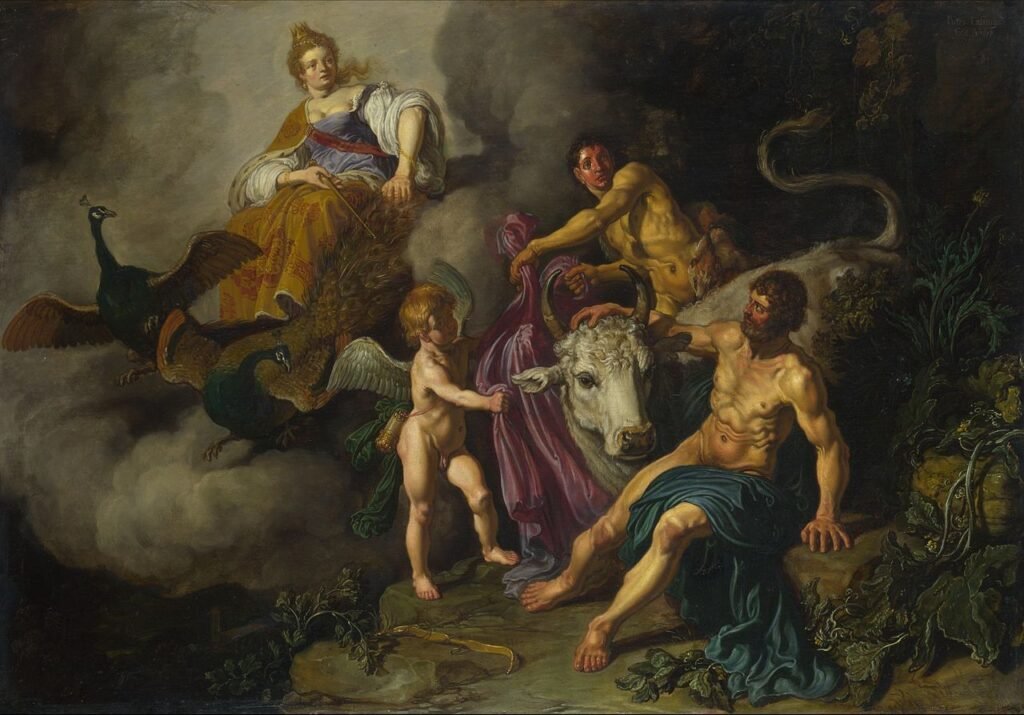
To conceal his affair with the priestess Io from his suspicious wife Hera, Zeus enveloped the entire land of Argolis in a dense, unnatural black cloud in broad daylight. Hera, noticing darkness covering a sunny afternoon, instantly realized Zeus was up to mischief.
As Hera descended to investigate, Zeus hurriedly transformed Io into a white heifer. Hera pretended to admire the cow and asked for it as a gift, posting the hundred eyed giant Argus to watch the transformed maiden night and day.
4. Disguising Himself as Artemis to Deceive Callisto
Callisto was a devoted hunting companion of goddess Artemis who had sworn a sacred vow of chastity. Recognizing that Callisto would flee any male suitor, Zeus used his shapeshifting powers to adopt the exact appearance and voice of Artemis herself.
Welcoming the disguised king into her camp, Callisto was deceived. When her pregnancy was eventually discovered, she was banished into the forest and transformed into a bear, later placed into the night sky by Zeus as the constellation Ursa Major (the Great Bear).
3. Swallowing His Pregnant First Wife Metis as a Fly
Zeus first wife was Metis, the Titaness of wisdom and cunning counsel. When Metis became pregnant, an ancient prophecy warned Zeus that she would bear a son destined to overthrow him, just as Zeus had overthrown his own father Cronus.
To avert the prophecy, Zeus played a playful shapeshifting game with Metis, challenging her to turn into smaller creatures. The moment Metis transformed into a tiny fly, Zeus swallowed her whole. Metis continued to advise him from within his stomach, and their daughter Athena was later born fully armored from Zeus head.
2. Chaining Prometheus to Mount Caucasus
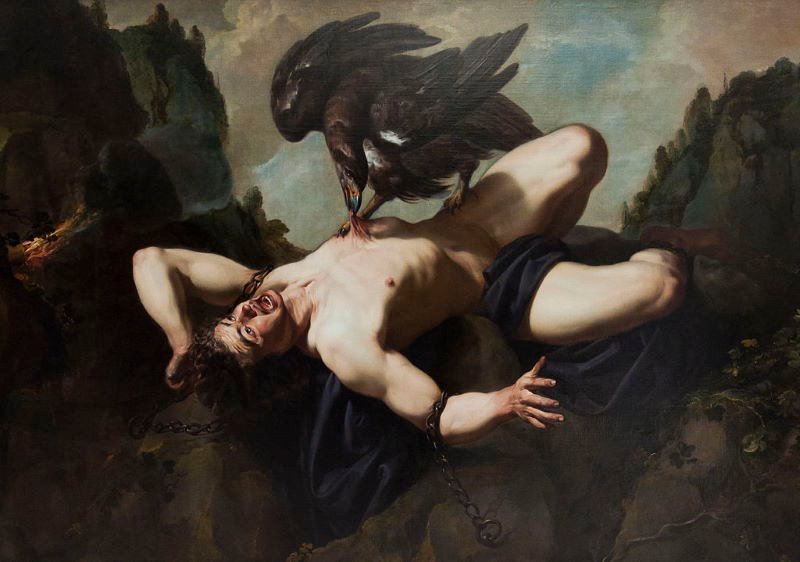
Prometheus dared to trick Zeus during a sacrificial feast in Mecone and later smuggled embers of sacred fire down to shivering mortals in a hollow fennel stalk. Zeus punishment was legendary in its cruelty.
He had Prometheus chained with unbreakable bronze fetters to an icy cliff in the Caucasus Mountains. Every day, a giant eagle descended to tear out and devour the Titan liver, which miraculously regenerated overnight, subjecting Prometheus to thousands of years of repeating torment.
1. Seducing and Marrying His Sister Hera as a Shivering Cuckoo
Taking the top rank for bizarre divine antics, Zeus courtship of his sister Hera required an elaborate natural deception. Knowing that Hera regularly rejected his advances, Zeus summoned a violent rainstorm near Mount Thornax and transformed himself into a small, shivering cuckoo bird.
Taking pity on the freezing creature, Hera gathered the wet bird into her robes to warm it against her chest. Zeus immediately dropped his avian disguise and declared his intentions, prompting Hera to agree to marriage to preserve her royal honor.
The eccentric and often shocking myths of Zeus demonstrate that ancient Greeks did not demand moral perfection from their gods. Instead, they recognized that supreme power is often turbulent, driven by raw instinct and dramatic conflicts.
As explored in comprehensive historical analyses at the World History Encyclopedia, these vivid tales allowed ancient listeners to explore human psychology, family drama, and the chaotic nature of fate.