While Greek, Norse, and Egyptian mythological creatures dominate Western cinema and popular fiction, global folklore contains hundreds of fascinating beings crafted by indigenous cultures across Africa, the Americas, the Pacific, and Southeast Asia.
Anthropological archives at Britannica Anthropology demonstrate how indigenous mythologies reflected local ecosystems and survival challenges. Here are 10 fascinating mythological creatures from lesser known cultural traditions around the globe.
10. Teju Jagua (Guarani Tradition, Paraguay)
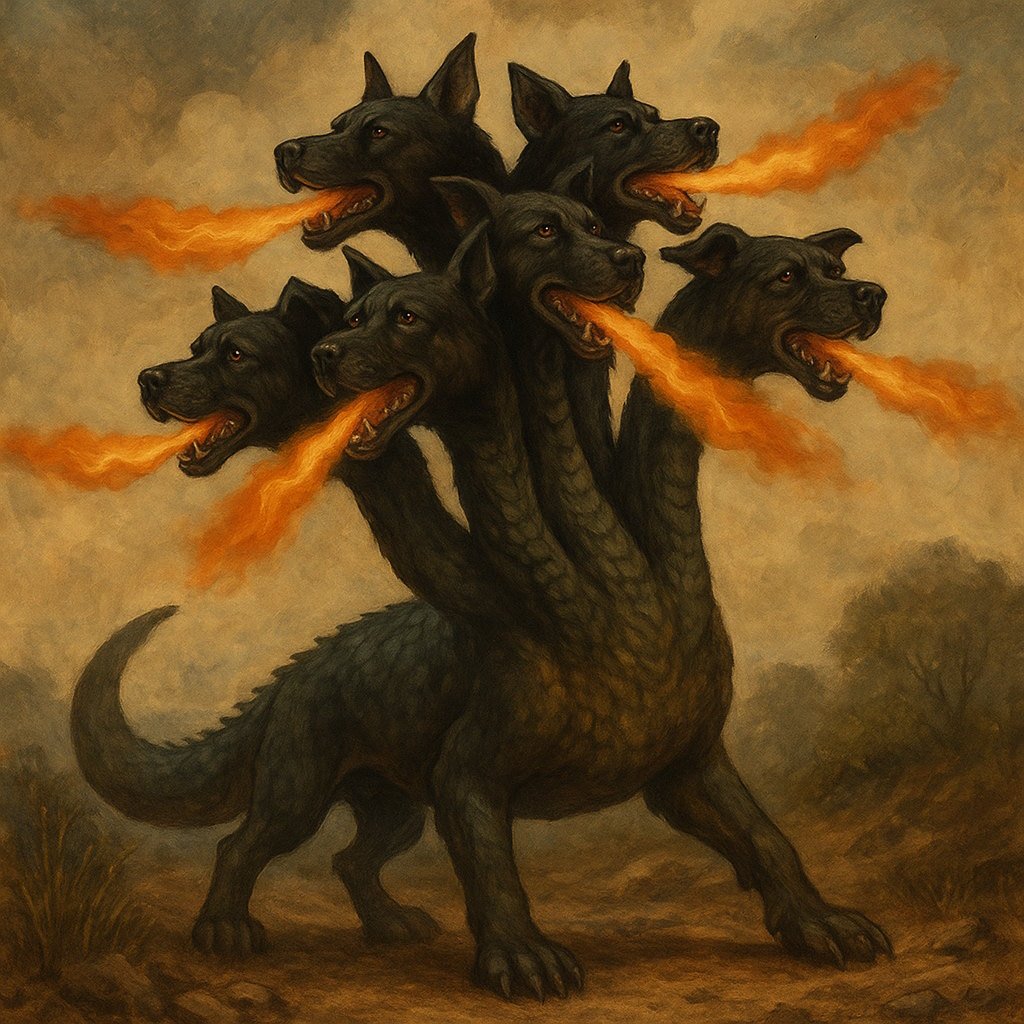
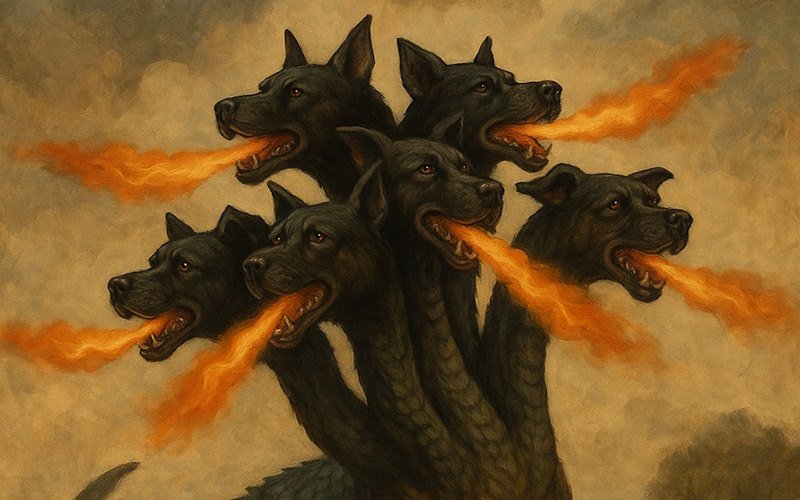
In Guarani mythology of South America, Teju Jagua was the first of seven cursed monster sons born to the evil spirit Tau and the maiden Kerana. He was envisioned as a colossal lizard bearing seven fierce dog heads.
Despite his fearsome appearance, Teju Jagua was peaceful and harmless because his fiery eyes illuminated dark mountain caverns, where he guarded hidden fruits and honey as a gentle guardian of nature.
9. Adze (Ewe People, Ghana and Togo)
In the folklore of the Ewe people of West Africa, the Adze is a predatory vampire spirit that travels through the night in the form of a glowing firefly. It slips through window cracks and keyholes into huts, biting sleeping children to drink blood and spread disease.
If captured, the Adze shifts back into a sinister human form with dark intentions, serving as a folkloric explanation for malaria and insect borne illnesses.
8. Camazotz (Maya Civilization)
In the Kiche Maya sacred text Popol Vuh, Camazotz is the terrifying bat monster inhabiting the subterranean underworld cave called Zotzilaha (The House of Bats). Possessing razor sharp talons, he served the death lords of Xibalba.
During their underworld trials, the hero twins Hunahpu and Xbalanque slept inside their blowguns for safety. When Hunahpu poked his head out to see if the sun had risen, Camazotz swooped down and severed his head, carrying it to the ball court.
7. Pontianak (Malaysia and Indonesia)
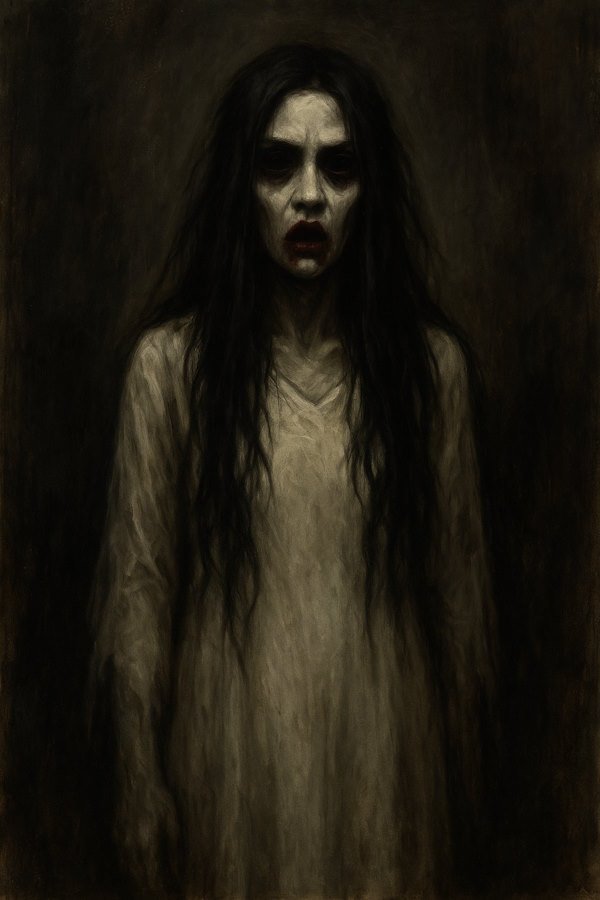
In Maritime Southeast Asian folklore, the Pontianak (or Kuntilanak) is a vengeful female ghost born from a woman who died during childbirth. Appearing as a beautiful maiden dressed in white robes and carrying a fragrance of plumeria flowers, she haunts banana groves.
When her target approaches, the floral scent turns into foul stench, and the maiden shifts into a monstrous vampire with razor claws who rips out organs to satisfy her vengeance.
6. Abaia (Melanesian Folklore)
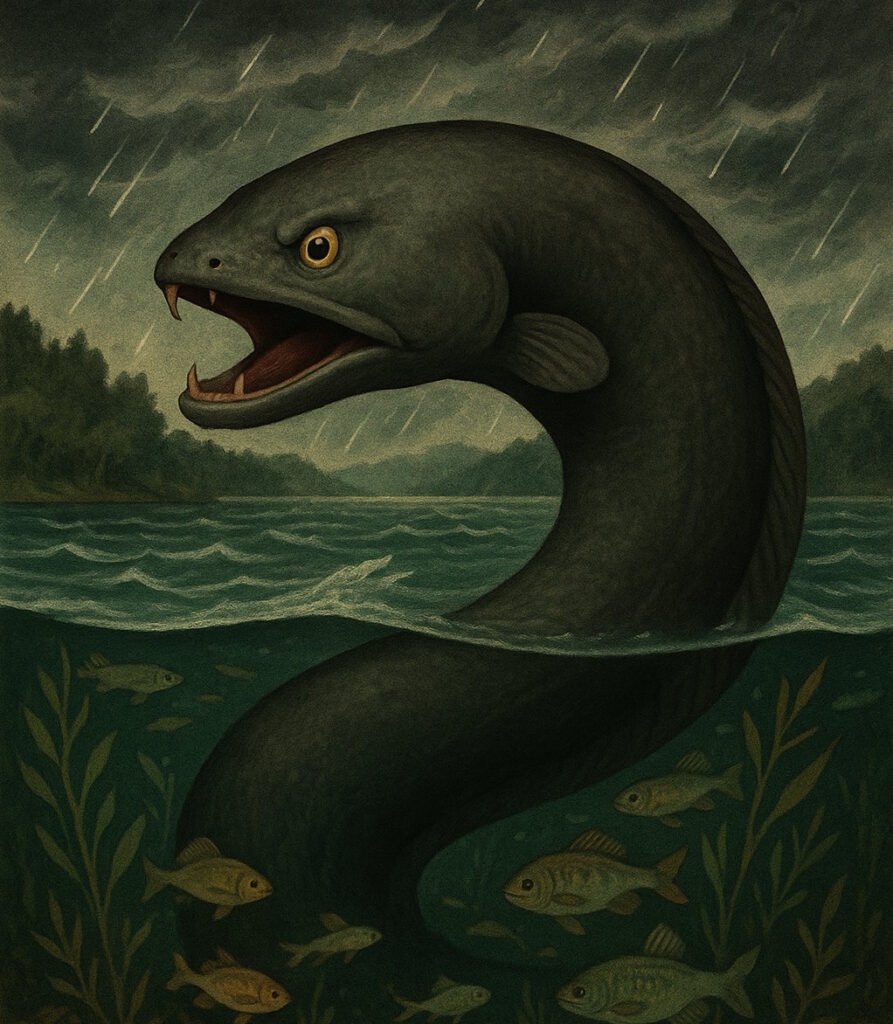
In Melanesian mythology from the Solomon Islands, Vanuatu, and Fiji, the Abaia is a colossal magical eel that resides at the bottom of freshwater mountain lakes. She considers all fish and aquatic creatures in the lake her personal children.
If human fishermen catch fish from her sacred lake, the Abaia whips her massive tail, generating violent flash floods that wash away coastal villages to drown the offenders.
5. Baku (Japanese Dream Lore)
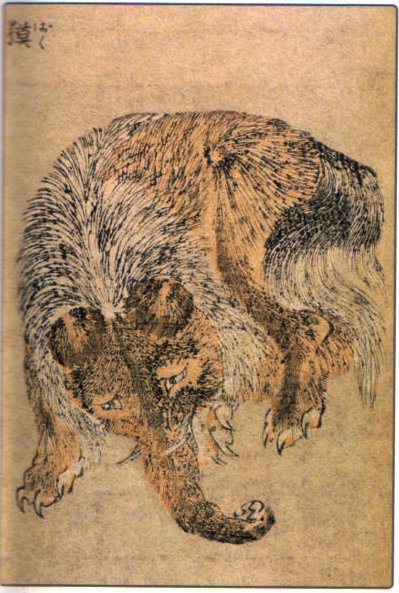
The Baku is an auspicious chimerical creature composed of spare parts after the creator deities finished fashioning all other animals: possessing the trunk of an elephant, the paws of a tiger, and the tail of an ox.
In folklore, the Baku prowls at night to consume nightmares and bad dreams. Japanese children who awaken from terrifying dreams recite a charm inviting the Baku to devour their nightmare three times, ensuring peaceful sleep.
4. Nuckelavee (Orkney Islands, Scotland)
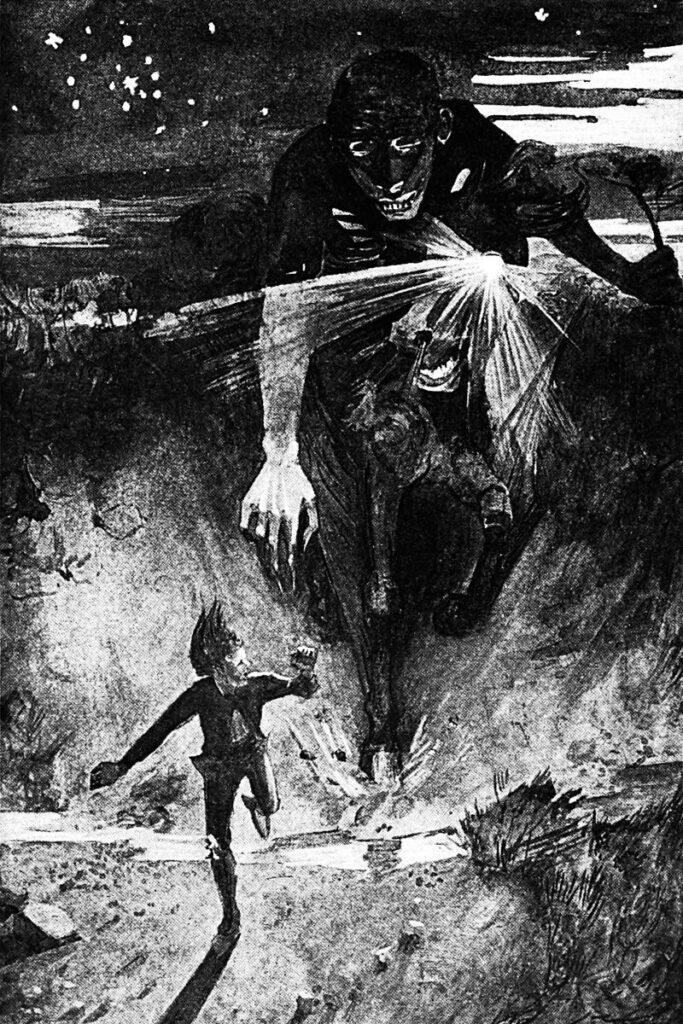
From the stormy Orkney Islands comes the Nuckelavee, considered the most horrific demon in Northern folklore. Part horse and part human, it possesses no skin, displaying raw yellow veins carrying black blood and pulsing red muscles.
Its breath spreads toxic plague, withering crops and killing cattle. Because it is a creature of the ocean deep, it cannot cross running freshwater, providing fleeting hope to fleeing islanders who leap across streams.
3. Wendigo (Algonquin Peoples, North America)
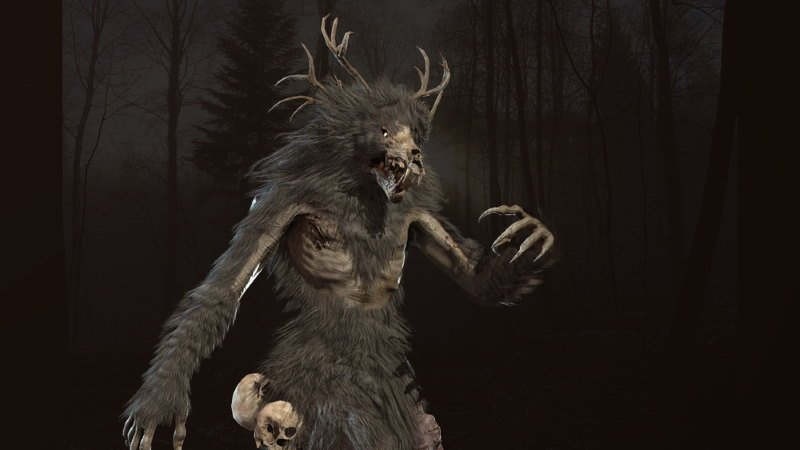
In the traditional folklore of the Algonquin, Ojibwe, and Cree nations, the Wendigo is a demonic spirit personifying cold starvation, greed, and cannibalism. Standing toweringly tall with taut ashen skin, sunken glowing eyes, and rotting lips, the beast emits an odor of decay.
The creature is created when a human commits the taboo of cannibalism to survive brutal winter blizzards, cursed with an insatiable hunger where consuming human flesh causes the monster to grow larger without ever feeling full.
2. Ammit (Ancient Egyptian Religion)
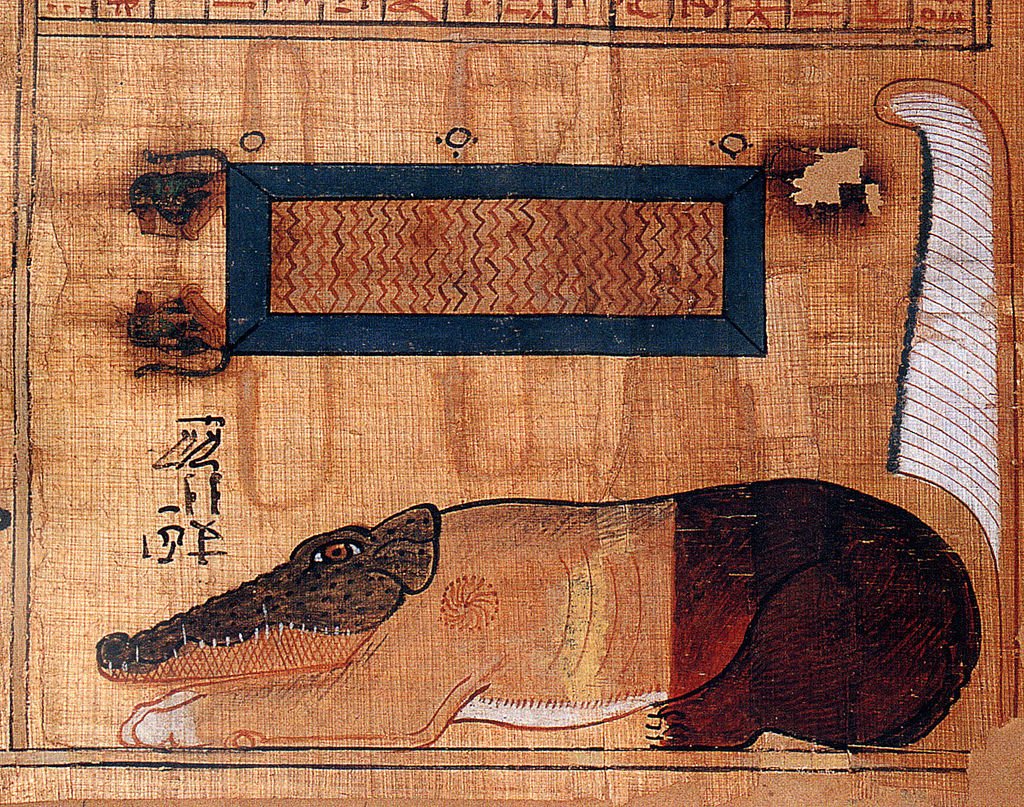
Combining the fearsome traits of a crocodile, lion, and hippopotamus, Ammit was the funerary monster who carried out the ultimate penalty of eternal soul destruction in ancient Egypt.
Unlike gods who received temple worship, Ammit was feared and dreaded. She sat beneath the scale of justice in Duat, consuming the hearts of sinners and casting them into complete nonexistence.
1. Tikbalang (Philippine Folklore)
Heading the list of unique world creatures is the Tikbalang of the Philippines, a tall humanoid being possessing the head and muscular legs of a wild horse and an elongated torso. In folklore, they reside in solitary balete trees and mountain forests.
As explored in global anthropological studies at the World History Encyclopedia, Tikbalangs play tricks on travelers, causing them to walk in endless circles in dense jungle. To break their spell, travelers turn their shirts inside out.
Conclusion
Exploring mythological creatures from diverse global traditions enriches our appreciation of human storytelling. Across every continent, indigenous communities crafted legendary beasts that mirrored their environments, moral values, and collective fears.
These remarkable creatures remind us that the human imagination knows no borders, yielding unforgettable legends across every corner of the world.