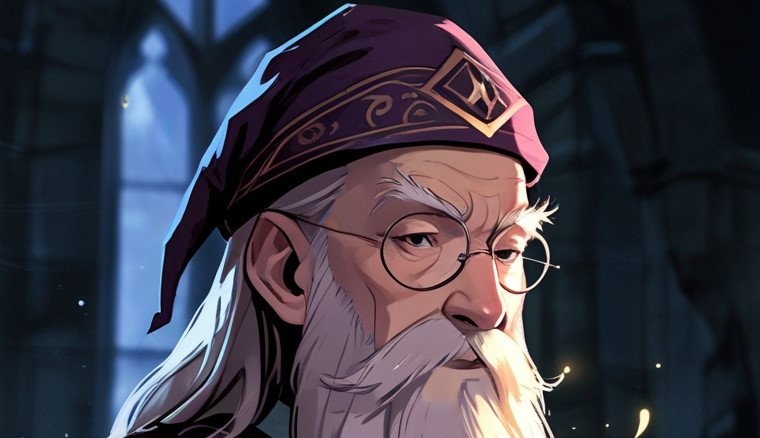
Throughout human storytelling, the archetype of the wizard stands as one of the most revered and complex figures. Bridging the gap between the mortal realm and supernatural forces, wizards were keepers of esoteric knowledge, advisors to kings, and masters of the elements who wielded both wondrous creation and devastating destruction.
Literary and mythological studies at the World History Encyclopedia explore how the figure of the sorcerer evolved from tribal shamans and divine scribes into medieval court advisors. Here are the 10 most famous wizards and sorcerers in mythology and literature.
10. Dr. Faustus, the Scholar Who Sold His Soul
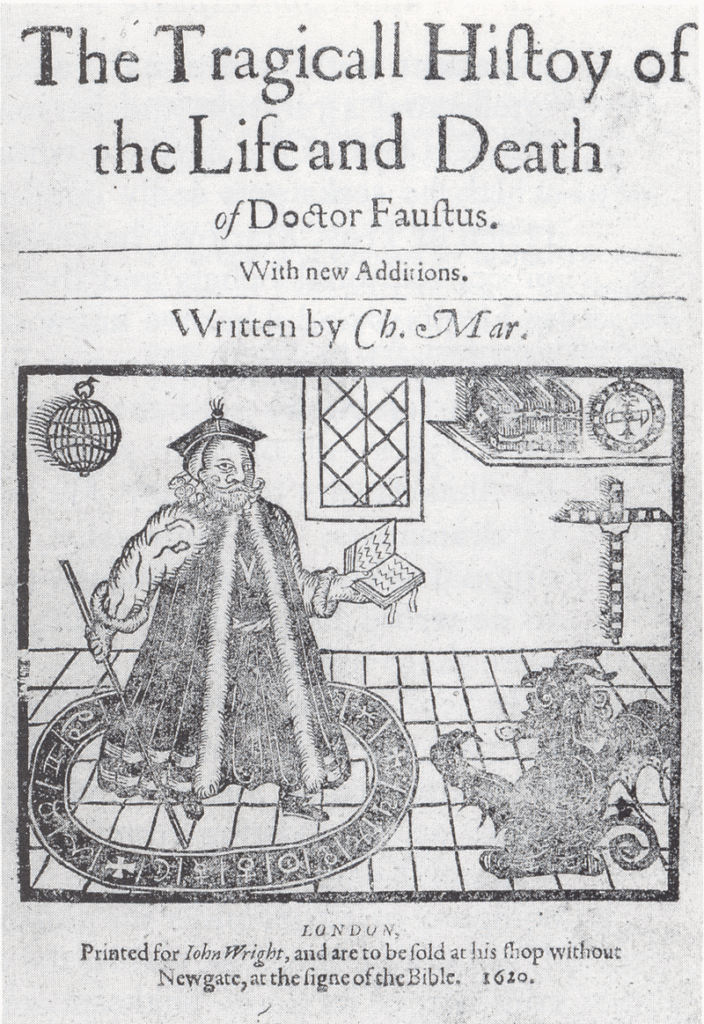
Rooted in Renaissance German folklore and dramatized by Christopher Marlowe and Goethe, Johann Georg Faust was an ambitious scholar dissatisfied with the limits of human science. In exchange for twenty four years of unlimited worldly knowledge and magical service, he signed a blood pact with the demon Mephistopheles.
Faustus traveled the world summoning spirits and astonishing courts, but when his contract expired, demonic forces claimed his soul, cementing his story as the definitive allegory for intellectual hubris.
9. Albus Dumbledore, the Supreme Mugwump
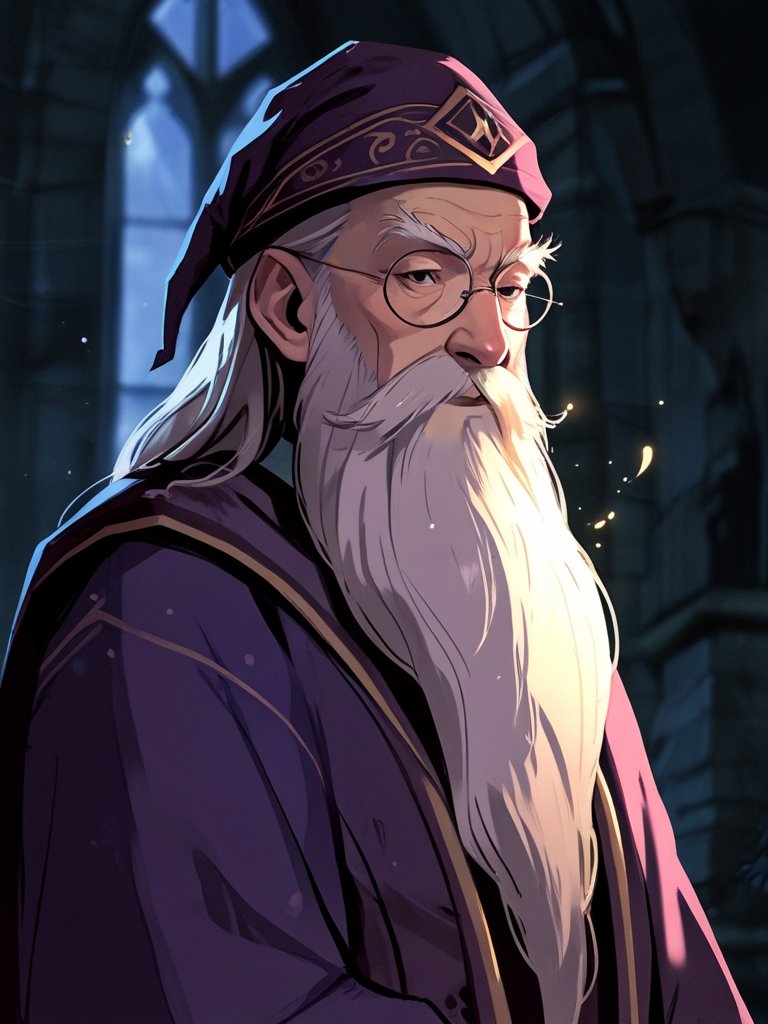
Created by J.K. Rowling, Albus Percival Wulfric Brian Dumbledore represents the modern fantasy archetype of the benevolent, wise archmage. Serving as Headmaster of Hogwarts, he was the only wizard feared by Lord Voldemort.
Master of the Elder Wand and discoverer of the twelve uses of dragon blood, Dumbledore balanced extraordinary magical prowess with profound compassion and strategic foresight, dedicating his life to combating dark sorcery.
8. Prospero, the Exile Magician of Milan
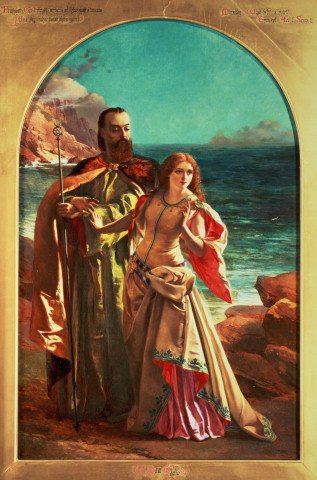
The central figure in William Shakespeare romance The Tempest, Prospero was the rightful Duke of Milan who was betrayed and stranded on an enchanted Mediterranean island with his daughter Miranda. Over twelve years of solitary study, he mastered high occult sciences.
Commanding the airy spirit Ariel and subduing the monster Caliban, Prospero raised tempestuous ocean storms to bring his enemies to justice, before renouncing his magic, breaking his staff, and drowning his book in the sea.
7. Thoth, the Divine Scribe of Magic
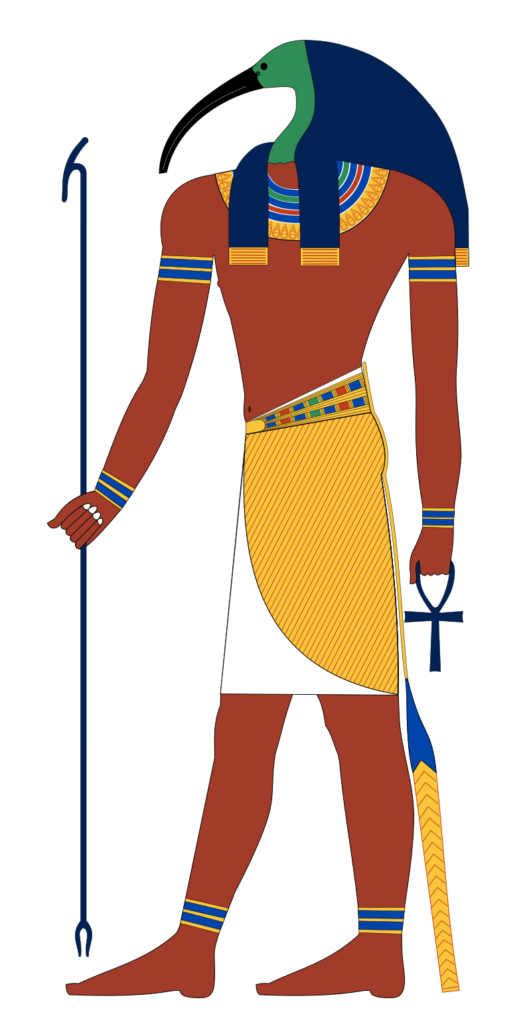
In ancient Egyptian religion, Thoth was the ibis headed god of wisdom, writing, mathematics, and divine magic. As the architect of cosmic order, he was believed to have invented hieroglyphs and recorded the secret formulas of the universe in the sacred Book of Thoth.
Later Greco Egyptian mystics merged Thoth with Hermes into Hermes Trismegistus, the patron father of alchemy and hermetic magic whose emerald tablet inspired scientific and mystical exploration for thousands of years.
6. Baba Yaga, the Forest Sorceress
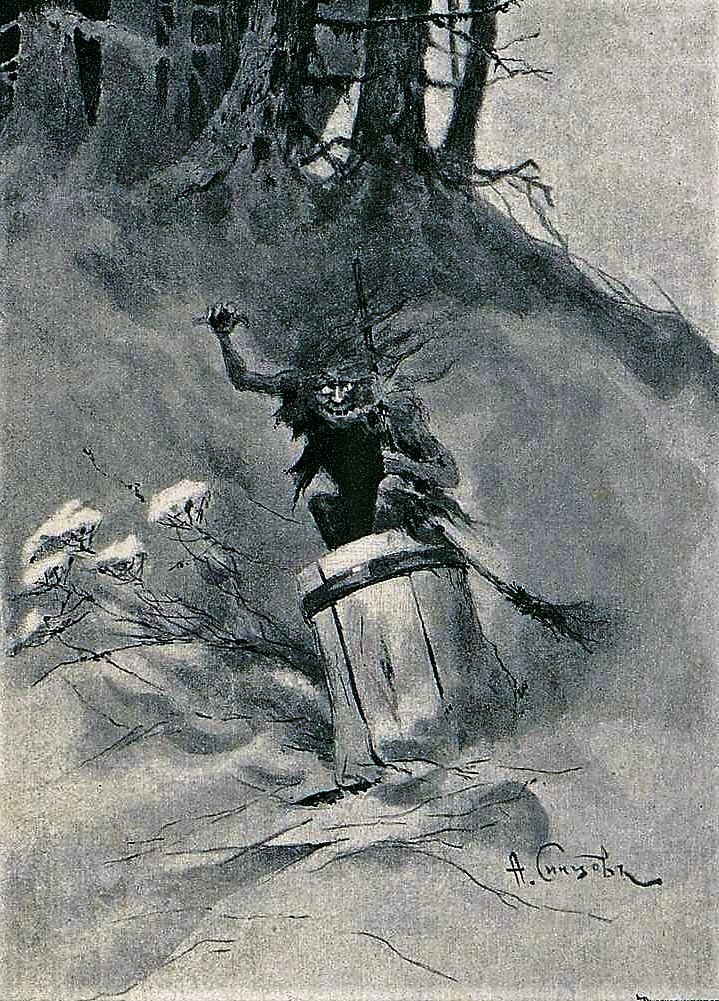
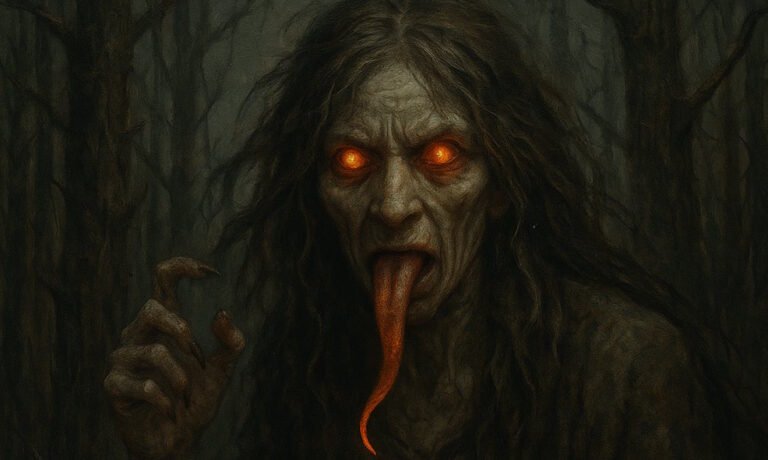
In Slavic mythology and folklore, Baba Yaga is an enigmatic, crooked sorceress who flies through stormy skies in an iron mortar, steering with a pestle. Her dwelling is a hut that turns upon giant chicken legs, surrounded by a palisade of human bones.
Possessing command over the elements of day, sun, and night through her white, red, and black horsemen, Baba Yaga punishes the greedy but assists pure hearted heroes with prophetic guidance and magic skulls.
5. Dr. John Dee, the Elizabethan Court Magus
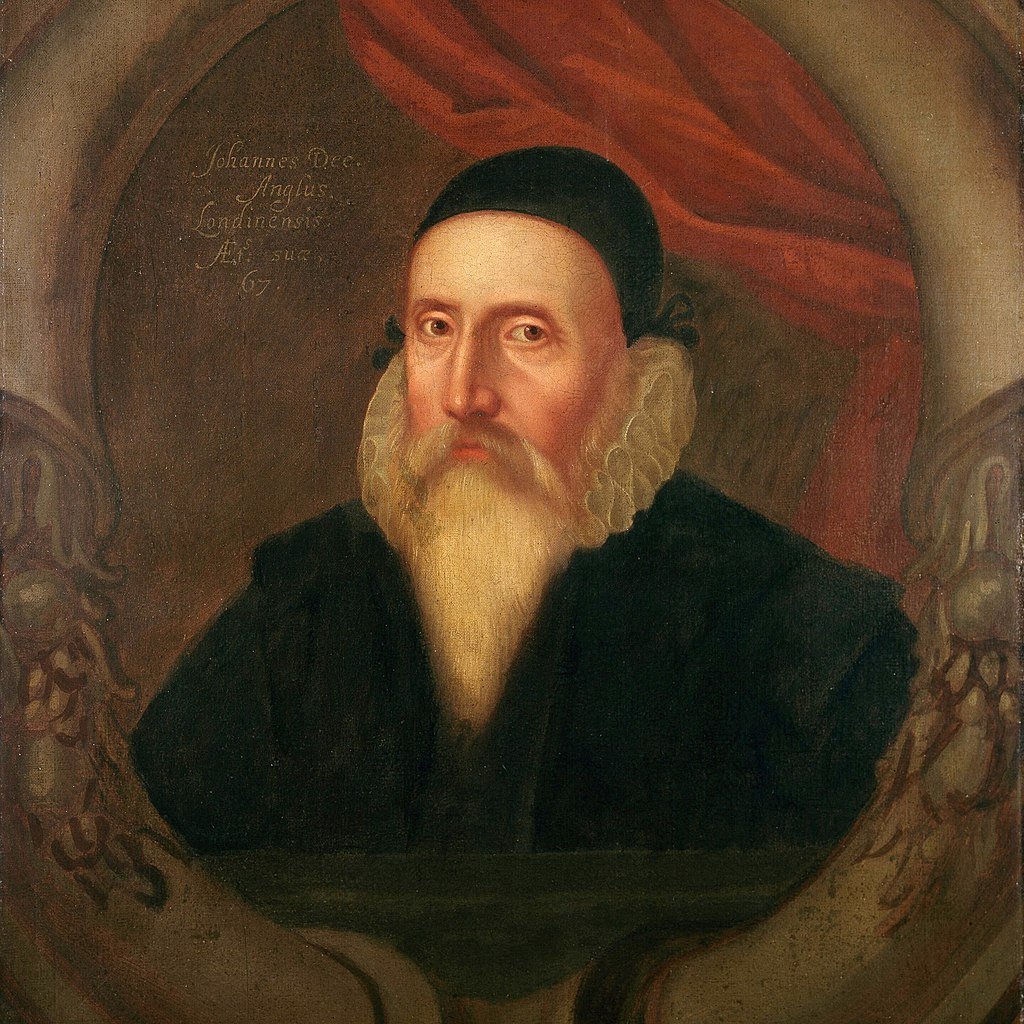
Dr. John Dee was an actual historical mathematician, astronomer, and trusted advisor to Queen Elizabeth I who bridged the worlds of science and sorcery. Possessing the largest private library in England, he advised on maritime navigation and calendar reform.
Alongside medium Edward Kelley, Dee conducted scrying rituals with polished obsidian mirrors to communicate with celestial angels, recording an complex Enochian occult language that influenced Western ceremonial magic.
4. Gandalf, the Grey Pilgrim of Middle Earth
Created by J.R.R. Tolkien in The Hobbit and The Lord of the Rings, Gandalf was an angelic Maia spirit sent to Middle Earth as an Istar (Wizard) to guide free peoples against the shadow of Sauron. Clad in pointed hat and silver scarf, he carried the elven ring of fire, Narya.
Defeating the Balrog in the depths of Moria, he was resurrected as Gandalf the White, serving as a pillar of moral hope, endurance, and quiet wisdom in fantasy literature.
3. Circe, the Sorceress of Aiaia
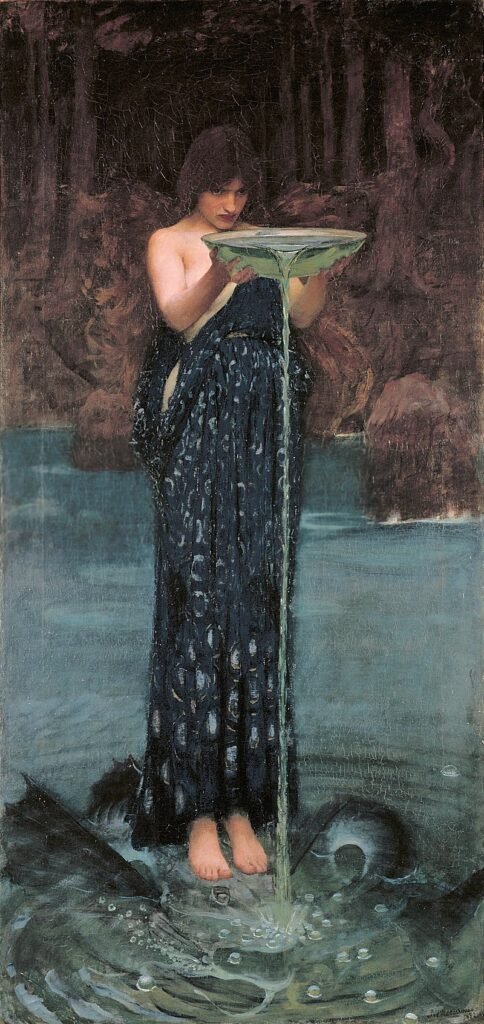
In Homer Odyssey, Circe was a powerful goddess and enchantress who dwelled in a palatial stone mansion in a forest clearing on the island of Aiaia, surrounded by docile wolves and lions. Skilled in herbal potioncraft, she offered honeyed wine to visiting sailors before tapping them with her wand to transform them into swine.
Odysseus protected himself with the magic herb moly given by Hermes, compelling Circe to restore his men to human form. She hosted the Greeks hospitably for a year, giving prophetic advice to navigate the perilous underworld and sirens.
2. Morgan le Fay, the Enchantress of Avalon
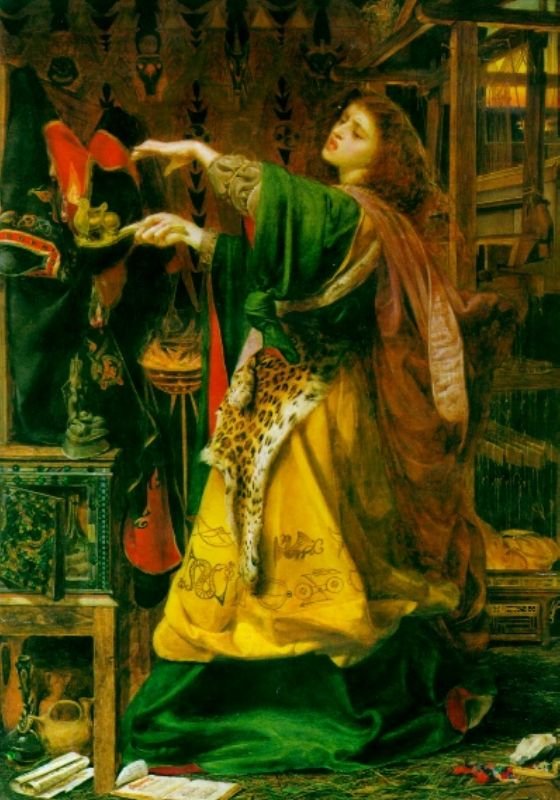
In Arthurian romance, Morgan le Fay was King Arthur half sister who studied high sorcery under Merlin before becoming one of the most potent enchantresses in medieval literature. Capable of flight, shape shifting, and herbal healing, she frequently challenged Camelot chivalry.
Despite their complex rivalries, Morgan was also a queen of the mystical isle of Avalon, who tenderly guided Arthur mortal body aboard a black barge to heal his wounds after the tragic battle of Camlann.
1. Merlin, the Arch Druid of Camelot
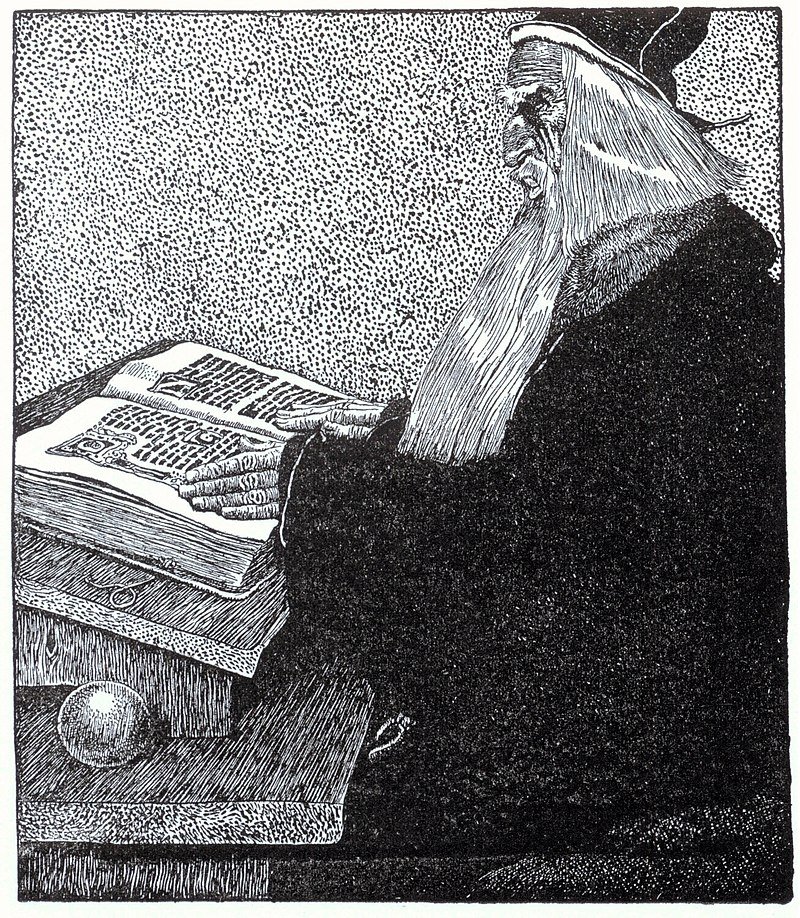
Standing at the supreme summit of all wizards in world literature, Merlin was the legendary seer, prophet, and druidic advisor to King Arthur. Chronicled by Geoffrey of Monmouth and medieval French poets, Merlin possessed knowledge of past and future, engineering the sword in the stone challenge to reveal Arthur royal lineage.
As explored in Arthurian scholarship at Britannica Arthurian Literature, Merlin personified the transition from ancient Celtic druidic nature wisdom to medieval chivalric governance, remaining the immortal template for every wizard in popular culture.
Conclusion
Wizards and sorcerers embody the human longing to pierce the veil of the unknown and command the hidden forces of the universe. From ancient temple scribes to epic fantasy mentors, these characters remind us that true power requires moral discipline and wisdom.
Their legendary exploits continue to inspire storytelling worldwide, proving that the magic of imagination remains timeless.