Modern society uses nuclear energy and radioactivity in many ways. Besides weapons and electricity generation, hospitals rely on radiation to diagnose and treat disease. But that use comes with serious risks, and some nuclear accidents have had consequences that lasted for generations.
These are ten of the worst accidents involving radioactive material in history, counting down to number one.
10. The Goiânia radiation accident, Brazil (1987)
Goiânia is a city in central Brazil. After a private radiotherapy clinic moved out of its building in 1985, it left behind an old cancer treatment machine. In September 1987, two men broke in and took the machine apart, hoping to sell the metal for scrap. Without realizing it, they removed a highly radioactive capsule containing cesium-137 chloride.
The capsule was broken open, and the powder inside glowed blue in the dark. It ended up at a scrapyard, where the owner showed the strange glowing material to family and friends. Some rubbed it on their skin, and a six-year-old girl ate food while her hands were contaminated. Four people died of radiation sickness in the following weeks. More than 100,000 people were screened, and 249 were found to be contaminated. The cleanup produced thousands of tonnes of radioactive waste, including soil, rubble and the remains of demolished houses.
9. The Tokaimura criticality accident, Japan (1999)
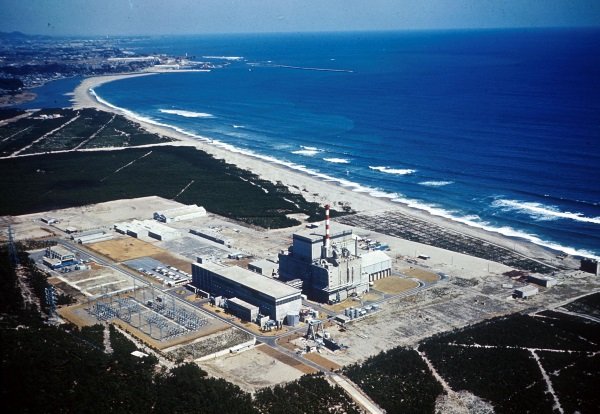
In September 1999, a serious nuclear accident took place at a fuel processing plant run by the company JCO in Tokaimura, Japan. To save time, workers broke the rules and poured far too much enriched uranium solution into a single tank, using stainless steel buckets instead of the prescribed equipment.
The result was an uncontrolled chain reaction in the tank, known as a criticality accident. For almost 20 hours, it gave off intense radiation. Two of the three workers involved died of their injuries. Residents within 350 meters were evacuated, and around 310,000 people in the wider area were told to stay indoors. The company’s license was later revoked.
8. The Sodium Reactor Experiment, California (1959)
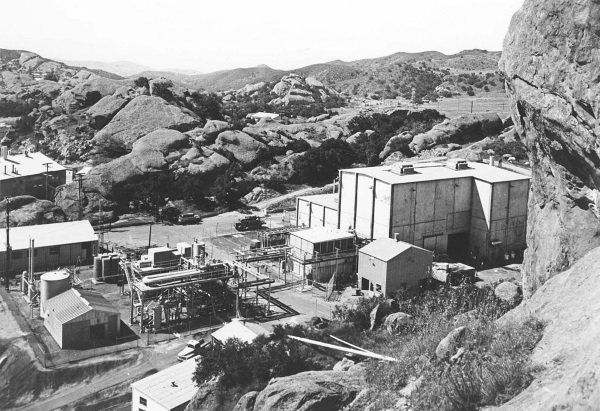
The Sodium Reactor Experiment was a pioneering project to gain experience with nuclear reactors for generating electricity. The experimental reactor, cooled with liquid sodium, was built in 1957 at the Santa Susana Field Laboratory in California.
In July 1959, a fluid used to cool the pumps leaked into the sodium and blocked cooling channels. As a result, 13 of the reactor’s 43 fuel elements overheated and partly melted. Radioactive gases were released. How much exactly is still debated today: some estimates were extremely high, but independent experts have described them as heavily exaggerated.
7. The Enrico Fermi 1 reactor, Michigan (1966)
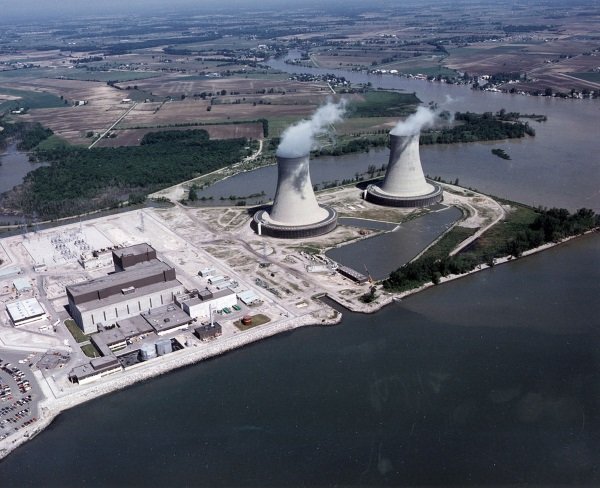
The Enrico Fermi nuclear plant stands in Monroe County, Michigan. Its first reactor, Fermi 1, was a fast breeder reactor, a type that produces new fissile material as well as heat.
On 5 October 1966, a loose piece of metal in the cooling system blocked the flow of sodium coolant, and two fuel assemblies overheated and partly melted. It took years to repair and clean up the reactor. It restarted in 1970 but was shut down for good in 1972. No radioactivity was released into the environment.
6. The Kyshtym disaster, Soviet Union (1957)
Kyshtym is a town in the Ural Mountains of Russia. From 1945 onwards, the nearby Mayak nuclear complex was built there to produce plutonium for Soviet nuclear weapons.
On 29 September 1957, a tank of nuclear waste exploded after its cooling system failed. The Soviet Union kept the disaster secret for decades, until the exiled scientist Zhores Medvedev wrote about it openly in 1976. Estimates of the number of deaths vary widely and are hard to verify. The radioactive plume settled over an area of more than 20,000 square kilometers, and the most contaminated part is still a restricted nature reserve today.
On the international scale for nuclear events, Kyshtym is rated 6, making it the third most serious nuclear accident ever, after Chernobyl and Fukushima. It ranks lower on this list only because it caused fewer known direct deaths and is far less well known.
5. The SL-1 reactor, Idaho (1961)
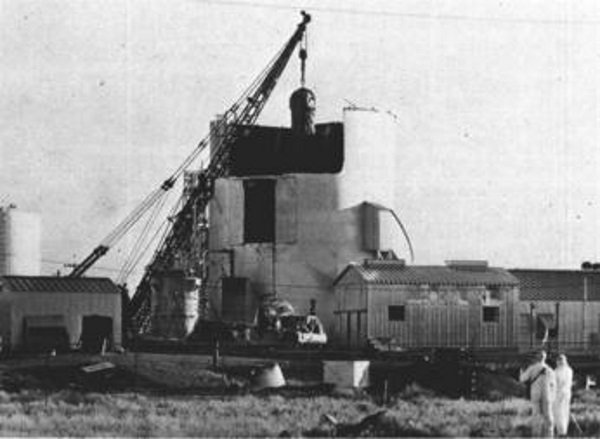
SL-1 was a small experimental military reactor at a test site west of Idaho Falls. On 3 January 1961, it was destroyed by a steam explosion. The cause was human: during maintenance, a worker pulled the central control rod much too far out of the reactor, and the power shot up in a fraction of a second.
All three men on duty were killed. One of them was pinned to the ceiling of the reactor building by a piece of the reactor, and radiation levels were so high that recovering the bodies took days. Radioactive material was released, but because the site lay in a remote desert area, there was no immediate danger to the public. The reactor was later dismantled and the site cleaned up.
4. The Windscale fire, England (1957)
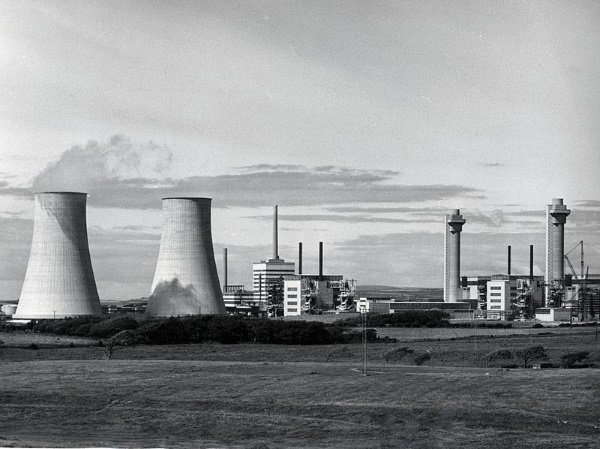
In October 1957, the worst nuclear accident in British history took place at Windscale, on the northwest coast of England. It was not a power station, but a military reactor built to make plutonium for Britain’s atomic bombs.
During a routine procedure to release energy stored in the reactor’s graphite, the temperature got out of control and the uranium fuel caught fire. Soon a large part of the reactor core was burning. A radioactive cloud, mainly containing iodine-131, drifted across Britain and parts of Europe. Milk from farms in an area of around 500 square kilometers was poured away. The fire was finally put out by flooding the core with water, a gamble that could also have caused an explosion. The reactor was sealed and still contains around 15 tonnes of damaged uranium fuel.
3. Three Mile Island, Pennsylvania (1979)
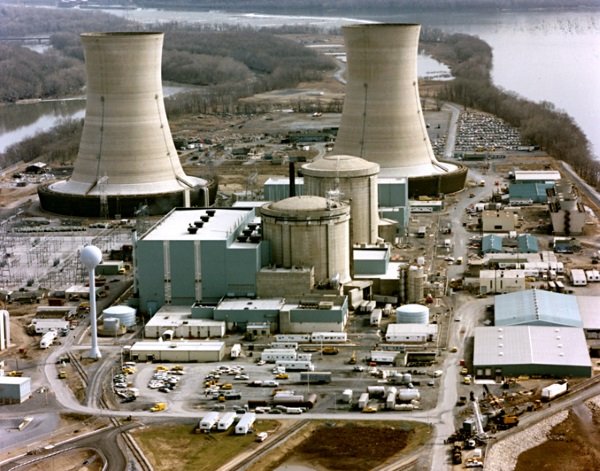
Three Mile Island is a nuclear power plant near Harrisburg, Pennsylvania. On 28 March 1979, the most serious nuclear accident in American history happened there. A relief valve got stuck open, and much of the reactor’s cooling water drained away. Operators misread the instruments and reduced the emergency cooling, and about half of the reactor core melted.
Contrary to popular belief, the release of radiation was small. The average extra dose for people living nearby was less than that of a chest X-ray, and extensive follow-up studies have found no measurable health effects. The biggest damage was psychological and political: the accident helped bring the construction of new nuclear plants in the United States to a halt for decades. The cleanup of the damaged reactor lasted until 1993.
The undamaged reactor next to it kept running until 2019. It is now being prepared to restart under a new name, to supply electricity for Microsoft’s data centers.
2. Fukushima Daiichi, Japan (2011)
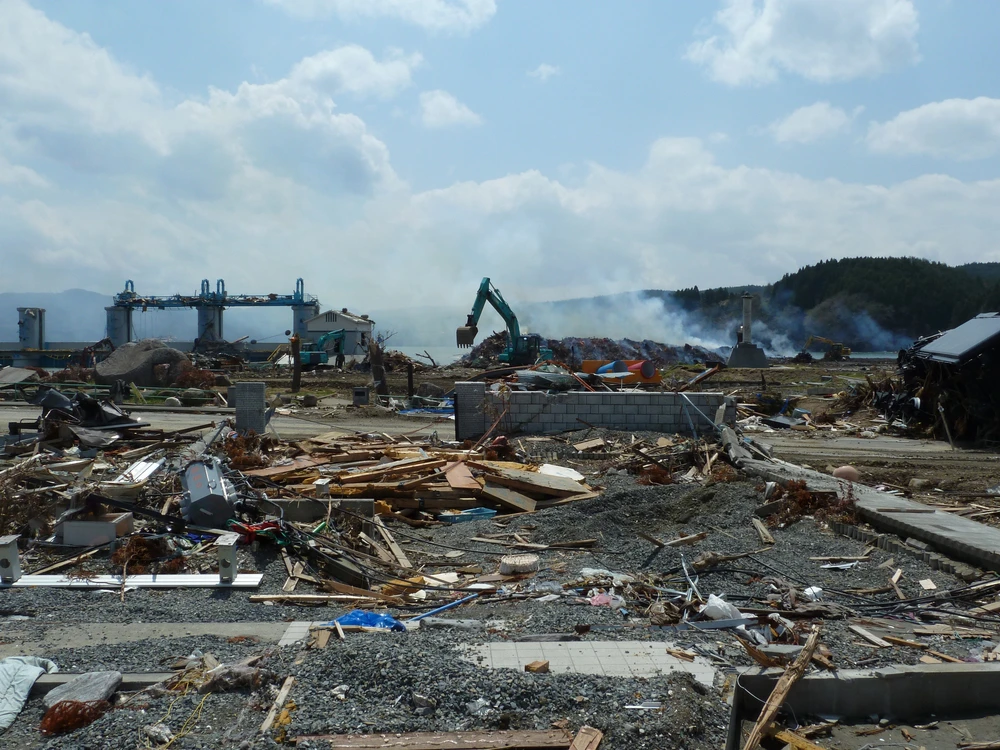
On 11 March 2011, a massive earthquake struck the east coast of Japan. The Fukushima Daiichi nuclear plant shut itself down as designed, and emergency generators took over the cooling. But less than an hour later, a tsunami around 14 meters high swept over the sea wall and flooded the generators. The cooling stopped.
The cores of three reactors melted. Hydrogen built up and caused explosions that tore open the reactor buildings, releasing radioactivity. Around 154,000 people were evacuated. Very few deaths can be attributed directly to radiation, but according to Japanese figures, more than 2,000 people died from the stress and hardship of the evacuation, mostly vulnerable elderly people.
Much of the evacuation zone has since been reopened, although a core area remains closed. In August 2023, Japan began releasing treated cooling water into the ocean in stages, a decision that caused international controversy but was judged safe by the International Atomic Energy Agency (IAEA).
1. Chernobyl, Soviet Union (1986)
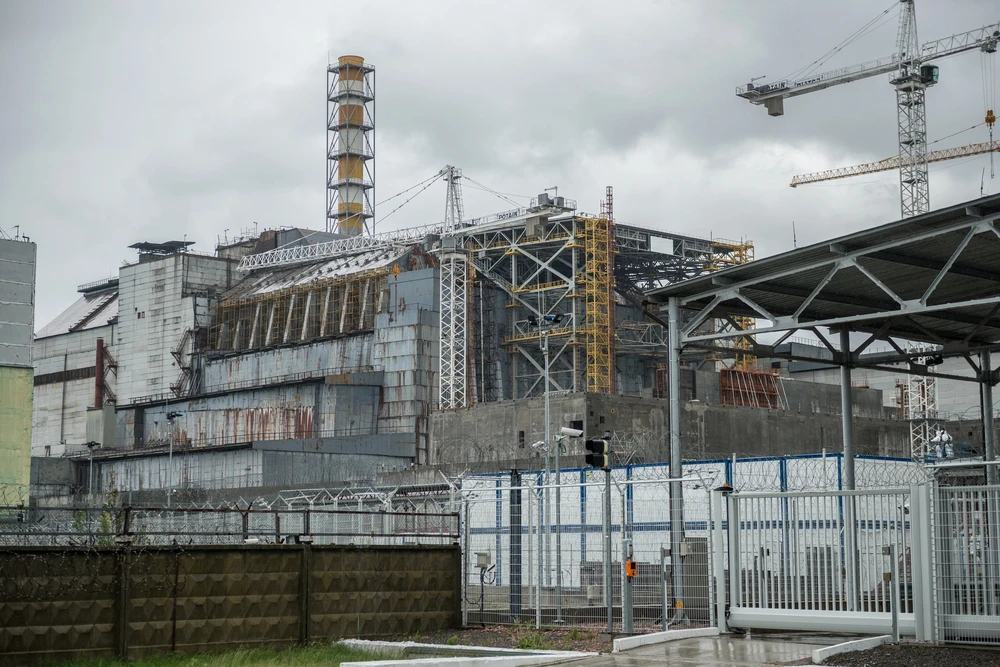
The worst nuclear disaster in history happened in what was then Soviet Ukraine, near the town of Pripyat and the city of Chernobyl. On 26 April 1986, reactor 4 exploded during a badly prepared safety test. The blast threw off the reactor’s massive lid, which weighed more than a thousand tonnes, and the burning graphite carried radioactive material high into the air. The cloud spread over much of Europe.
Two workers died in the explosion, and 28 firefighters and plant workers died of acute radiation sickness in the following months. Estimates of the long-term death toll vary widely. The World Health Organization estimates up to around 4,000 eventual cancer deaths among the most heavily exposed groups, while other organizations arrive at much higher numbers. What is certain is that thousands of children developed thyroid cancer, mainly from contaminated milk.
In 2016, a gigantic steel arch called the New Safe Confinement was slid over the old concrete sarcophagus, designed to keep the remains sealed for a hundred years. On 14 February 2025, a drone struck the arch and punched a hole in its roof, starting a fire that smoldered for weeks. Radiation levels stayed normal, but in late 2025 the IAEA concluded that the structure had lost its primary safety functions, including its ability to confine radioactivity. Repairs are planned. The area around the plant will remain off-limits for many decades.