From Florence to Vienna, and from Russia to the United States: powerful families have left an indelible mark on politics, economics and culture through the centuries. Some dynasties rose through clever marriages and inheritance, others through banking genius or military conquest. Their influence can still be seen in palaces and museums, and sometimes more subtly in borders and institutions. These are ten of the most powerful families in world history.
1. The Medici, bankers of the Renaissance
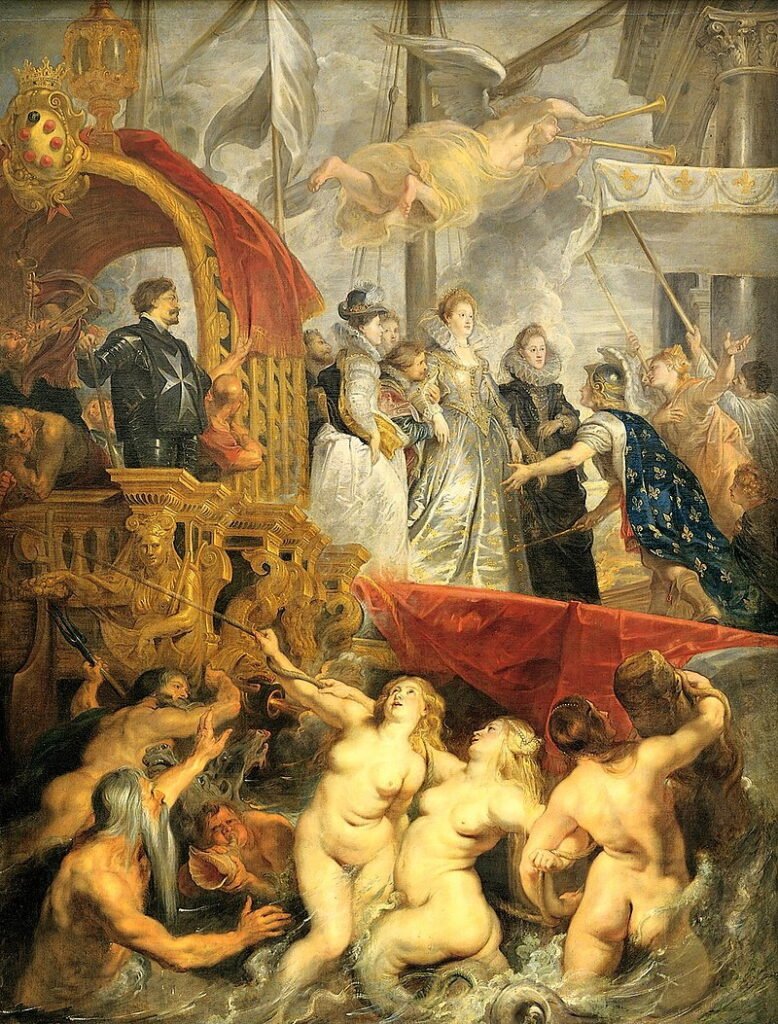
What began as a banking family in 14th-century Florence grew into the de facto rulers of the city-state, and later the Grand Dukes of Tuscany. With bank branches across Europe and the pope as one of their clients, the Medici built an enormous political network.
As patrons, they stimulated the arts during the Renaissance: artists such as Botticelli and Michelangelo worked for them, and Florence became the cultural center of Europe. The family also produced four popes, including Leo X and Clement VII, and two queens of France, Catherine and Marie de’ Medici. Florence’s palaces and art collections, including the Uffizi, still bear their signature.
2. The Habsburgs, emperors of Europe
The Habsburgs took their name from a castle in what is now Switzerland, but grew into rulers of Austria, Spain, the Low Countries, large parts of Central and Eastern Europe and a vast empire in the Americas. Their power was built above all on clever marriages, as a famous Latin saying puts it: “Let others wage war; you, happy Austria, marry.”
Under Emperor Charles V in the 16th century, the Habsburgs ruled an empire “on which the sun never set”. Habsburg rulers sat on European thrones for more than six centuries, until 1918. Cities such as Vienna owe much of their baroque splendor to them. Their frequent marriages between relatives, however, also led to the famous “Habsburg jaw” and the decline of the Spanish branch.
3. The Tudors, the house that transformed England
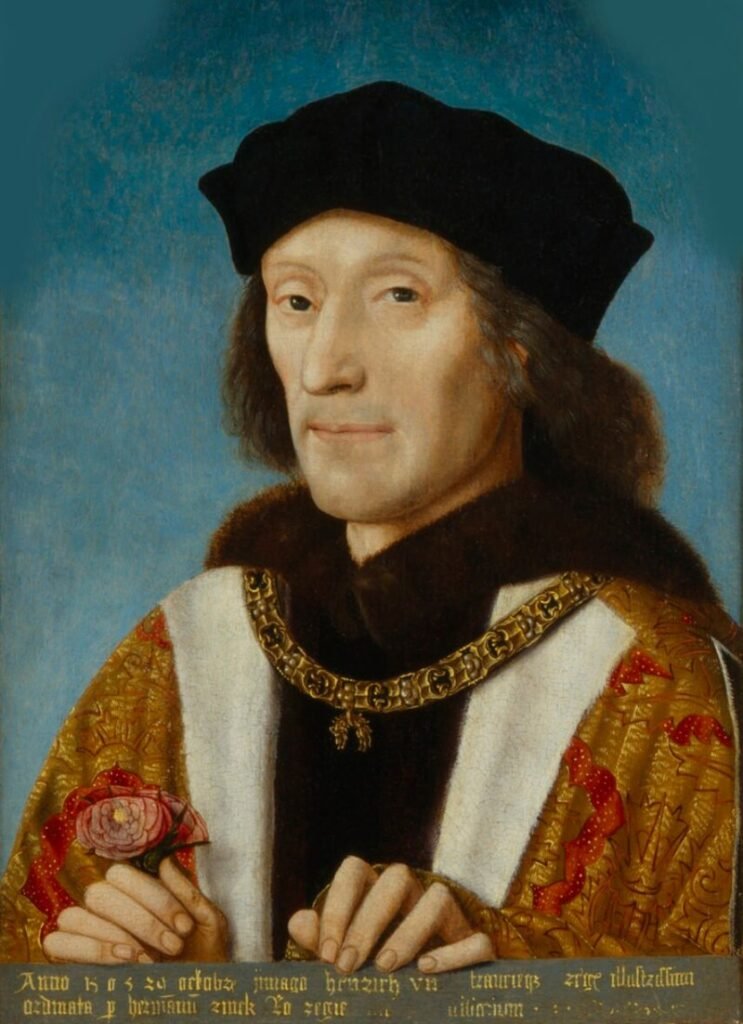
At the end of the Wars of the Roses, in 1485, Henry VII won the English throne. His son Henry VIII, famous for his six wives, broke with Rome and founded the Church of England. Under his daughter Elizabeth I, England experienced a golden age of exploration, naval power and literature, the age of Shakespeare.
The Tudors ruled for only 118 years and five monarchs, but they turned England from a war-torn kingdom into a strong state with overseas ambitions and its own religious identity. When Elizabeth died childless in 1603, the dynasty ended.
4. The Rothschilds, the bankers of Europe
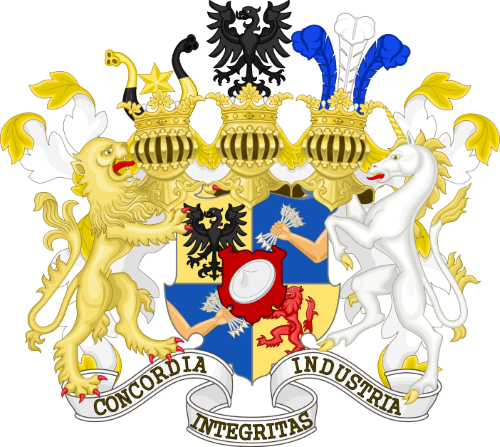
In the late 18th century, Mayer Amschel Rothschild built a banking business in the Jewish quarter of Frankfurt. He sent his five sons to set up branches in London, Paris, Vienna, Naples and Frankfurt. In the 19th century, the family became the most powerful banking house in the world, financing governments, wars and railways.
The family’s fame also made it the target of antisemitic conspiracy theories, which persist to this day. The Rothschilds are also known for their philanthropy, art collections, vineyards and support for museums and scientific institutions.
5. The Romanovs, the last tsars of Russia
From 1613 until 1917, the Romanov dynasty ruled Russia, with iconic figures such as Peter the Great and Catherine the Great. Under their rule, Russia grew into a vast empire and a major European power. The fall came suddenly in 1917, when Tsar Nicholas II was forced to abdicate during the February Revolution.
Saint Petersburg, with its lavish palaces and the Hermitage museum, reflects the grandeur of the imperial court. The execution of Nicholas II and his family by the Bolsheviks in 1918 marked the end of the old order. Their remains were identified by DNA in the 1990s.
6. The Julio-Claudian dynasty, Rome’s first emperors
After Julius Caesar, his adopted heir Augustus became the first Roman emperor in 27 BC. He founded a dynasty that continued with Tiberius, Caligula, Claudius and Nero, and transformed Rome from a republic into an empire.
Augustus’s long reign marked the start of the Pax Romana, a long period of relative peace and stability. His successors alternated between splendor, excess and cruelty, but the system of government they created lasted for centuries. The dynasty ended in 68 AD with the suicide of Nero.
7. The Ptolemies, Greek pharaohs of Egypt
After the death of Alexander the Great, his generals divided his empire. Ptolemy I took Egypt and founded a dynasty that ruled for almost three centuries, combining Greek culture with Egyptian religion. Alexandria grew into the intellectual center of the ancient world, thanks to its famous library and lighthouse.
The Ptolemies often married their own siblings, following Egyptian royal tradition. Cleopatra VII, the last Ptolemaic ruler, was the first in her family to learn the Egyptian language. After her death in 30 BC, Egypt became a Roman province.
8. The Bourbons, kings of France and Spain
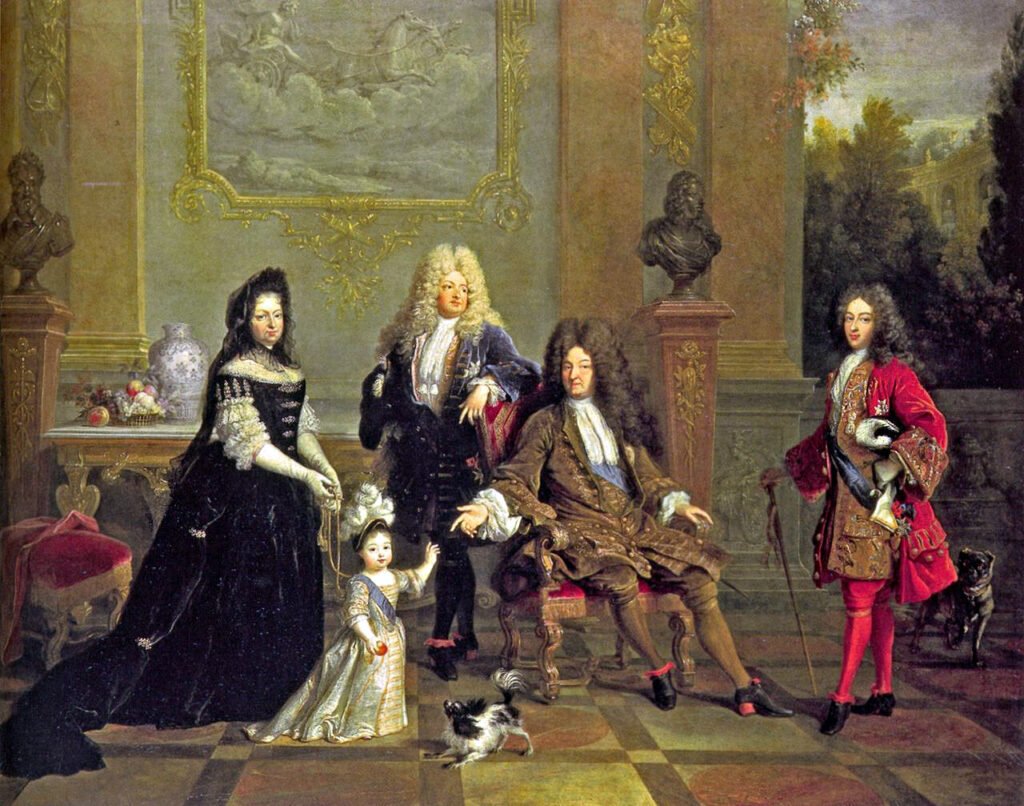
The French House of Bourbon produced powerful kings such as Louis XIV, the Sun King, who ruled for 72 years, the longest reign of any European monarch. He came to symbolize absolute monarchy, and the famous phrase “L’État, c’est moi” (“I am the state”) is attributed to him, although he probably never said it. The Palace of Versailles became the shining heart of Europe.
But the extravagance and debts of the monarchy contributed to the French Revolution, and in 1793, Louis XVI was executed. Yet the family still reigns today: King Felipe VI of Spain is a Bourbon.
9. The Mughals, emperors of India
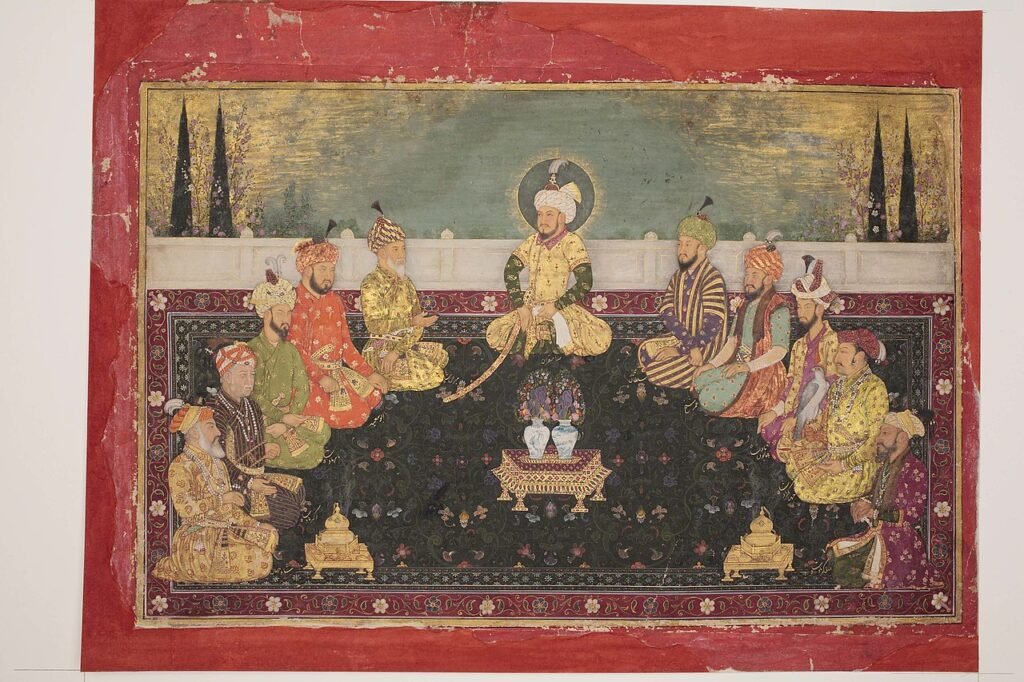
Descended from both Timur and Genghis Khan, Babur founded the Mughal Empire in northern India in 1526. Under emperors such as Akbar and Shah Jahan, the empire reached a peak of military power, wealth and cultural achievement. At its height, it was one of the richest empires in the world, ruling a large part of the Indian subcontinent.
Monuments such as the Taj Mahal, built by Shah Jahan as a mausoleum for his wife Mumtaz Mahal, and the Red Fort in Delhi are world-famous. The Mughals also left a lasting mark on Indian cuisine, gardens, art and language. The last Mughal emperor was deposed by the British in 1857.
10. The Rockefellers, America’s oil dynasty
In the late 19th century, John D. Rockefeller became the richest man in America, and by some estimates the richest person in modern history, with Standard Oil, which controlled around 90 percent of American oil refining. In 1911, the US Supreme Court ordered the company to be broken up into dozens of separate companies, which ironically made him even richer.
The family expanded its influence into banking, real estate, politics and art. Rockefeller Center in New York and the Museum of Modern Art are among their legacies. Their foundations also funded universities, medical research and public health campaigns worldwide. Their story embodies both the American Dream and its dark side: monopolies and enormous concentrations of wealth.