Throughout history, explorers have set out across oceans, deserts and mountains in search of new lands, trade routes and knowledge. Some traveled thousands of kilometers overland to the east, like Marco Polo and Ibn Battuta. Most sailed the oceans in search of new coasts and continents, often with huge consequences for the people who already lived there.
These are ten famous explorers who helped map large parts of the world, counting down to number one.
10. Pedro Álvares Cabral
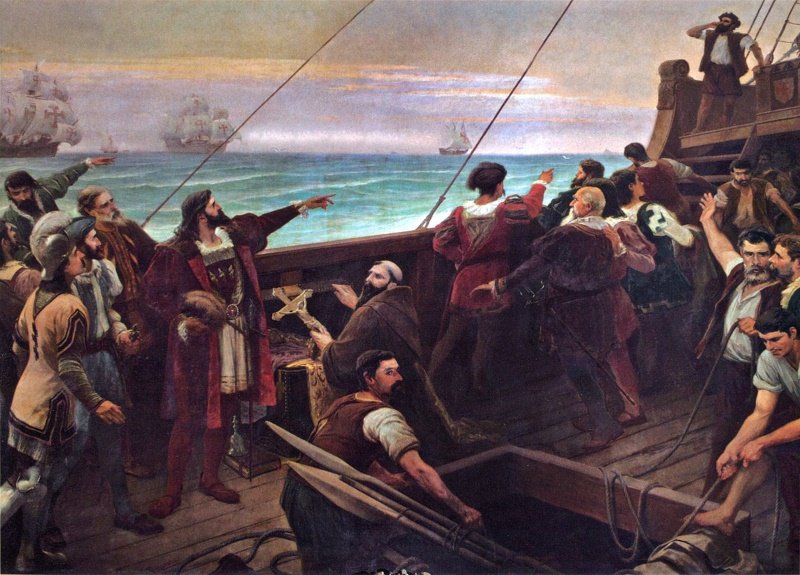
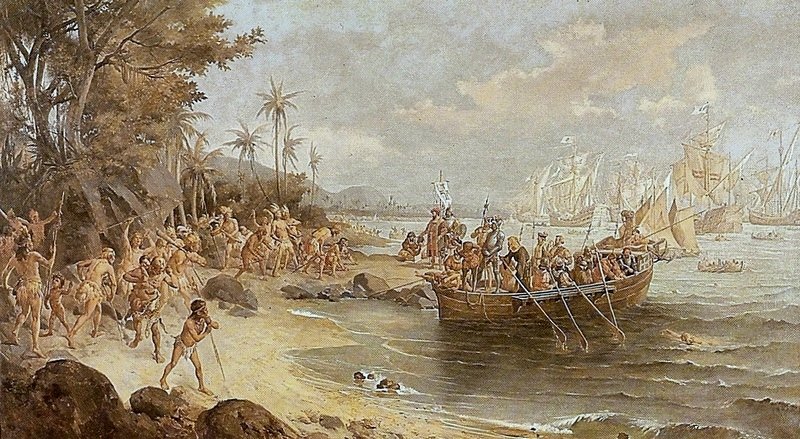
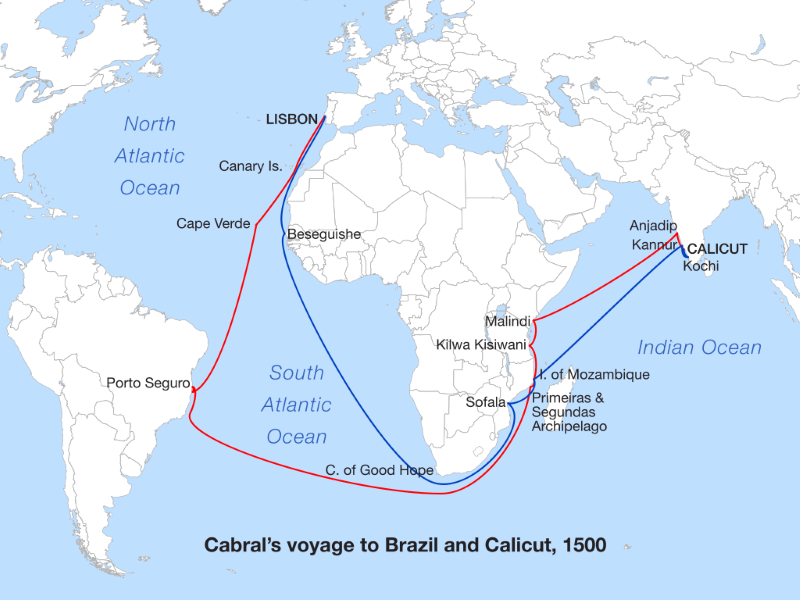
Pedro Álvares Cabral may not be a household name, but this Portuguese navigator played a big role in Portugal’s overseas expansion. In 1500, he set out for India with a fleet of 13 ships. Sailing far west into the Atlantic to catch favorable winds, he sighted land on 22 April 1500: the coast of present-day Brazil. Whether this was an accident or a deliberate detour is still debated by historians. Brazil would remain a Portuguese colony until 1822.
After a short stay, the fleet continued to India around the Cape of Good Hope, losing several ships in storms along the way. Cabral reached Calicut later that year, but the expedition turned violent after clashes with local rulers and traders.
9. Ferdinand Magellan
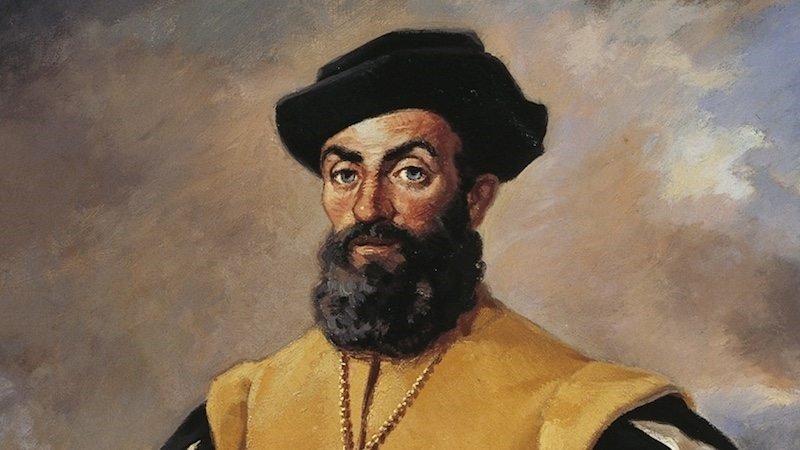
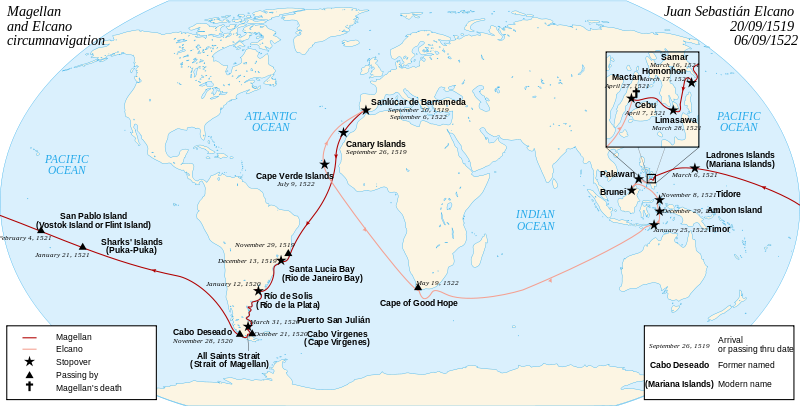
Ferdinand Magellan was Portuguese but sailed for the Spanish crown. He was looking for a western route to the Spice Islands, the Moluccas. In September 1519, he set out with five ships, crossed the Atlantic and sailed far south along the coast of South America. There he found a passage to the Pacific between the mainland and Tierra del Fuego, now known as the Strait of Magellan.
The fleet crossed the vast Pacific to the Philippines, where Magellan was killed on 27 April 1521 in a battle on the island of Mactan. His crew continued under Juan Sebastián Elcano, reached the Moluccas and returned to Spain via Africa. In 1522, only one of the five ships, the Victoria, made it home with 18 survivors. It was the first voyage around the world.
8. James Cook
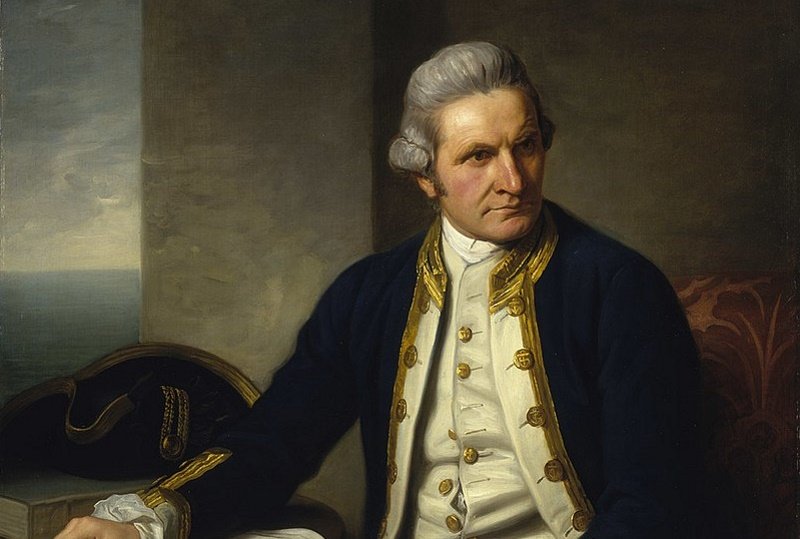
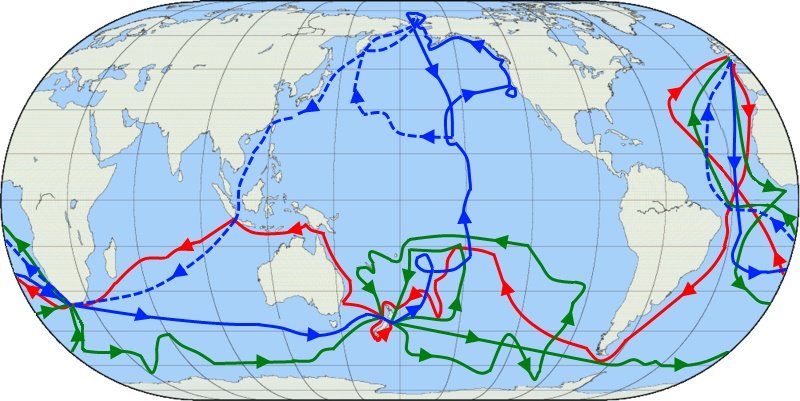
James Cook is one of Britain’s most famous explorers. A gifted navigator and mapmaker, he set out in 1768 on HMS Endeavour. During this first voyage, he mapped the coasts of New Zealand and explored the east coast of Australia, with enormous consequences for British presence in the region.
On his second voyage (1772 to 1775), Cook sailed further south than anyone before him, crossed the Antarctic Circle several times and showed that the great southern continent people had imagined for centuries did not exist where they thought. On his third voyage (1776 to 1779), he searched for a Northwest Passage along the coast of North America. He was killed in a confrontation at Kealakekua Bay in Hawaii on 14 February 1779.
7. John Cabot
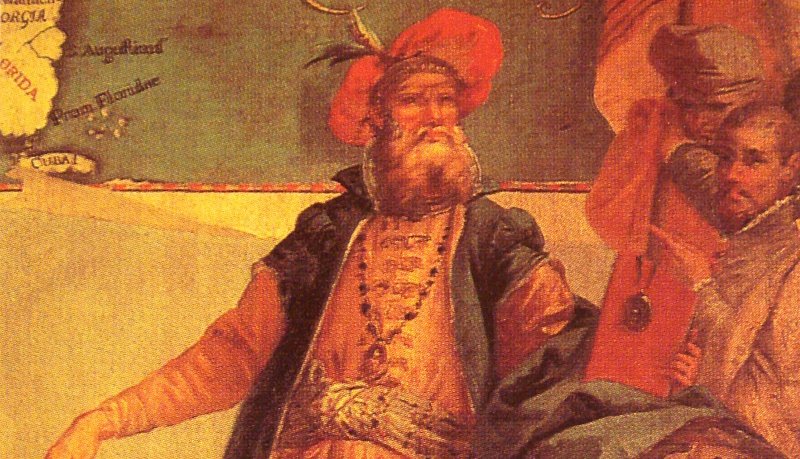
His real name was Giovanni Caboto, but this Italian navigator is better known by his English name, John Cabot. After Columbus’ first voyage, Cabot convinced King Henry VII of England to sponsor an expedition west. In May 1497, he sailed from Bristol on a single small ship, the Matthew, and on 24 June 1497 he reached land, probably Newfoundland or Cape Breton Island in present-day Canada. He was the first European known to reach mainland North America since the Vikings.
In 1498, Cabot set out again with five ships. After that, the story becomes unclear: the expedition disappears from the records, and his fate remains unknown to this day.
6. Marco Polo
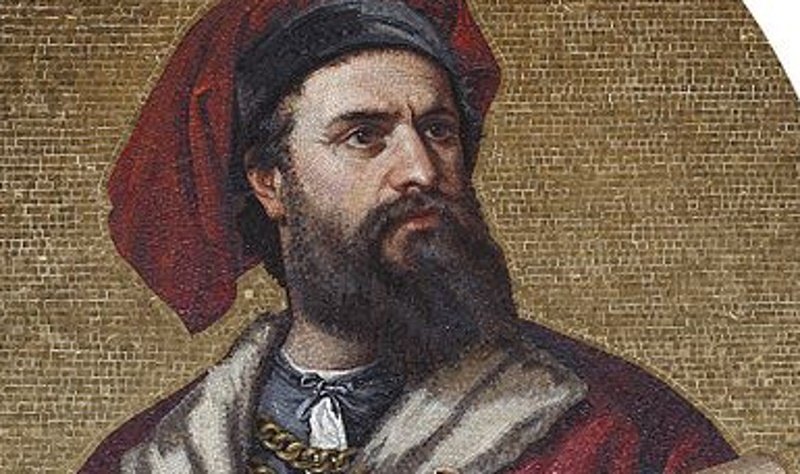
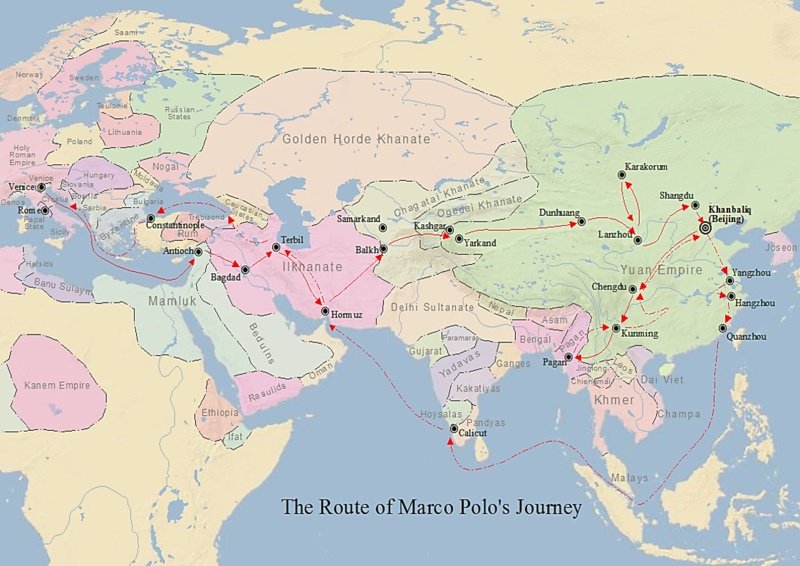
Venetian merchant Marco Polo (1254 to 1324) traveled for 24 years, from 1271 to 1295, through Asia. He visited Persia and China and spent many years at the court of the Mongol ruler Kublai Khan, who according to his account sent him on missions across his empire.
Back in Venice, his stories became famous through his book, known as The Travels of Marco Polo or Il Milione, which he dictated to a fellow prisoner after being captured in a war with Genoa. He described the splendor of the Mongol court, paper money and the use of coal as fuel in China. The book shaped Europe’s image of Asia for centuries, and Columbus owned a copy.
5. Ibn Battuta
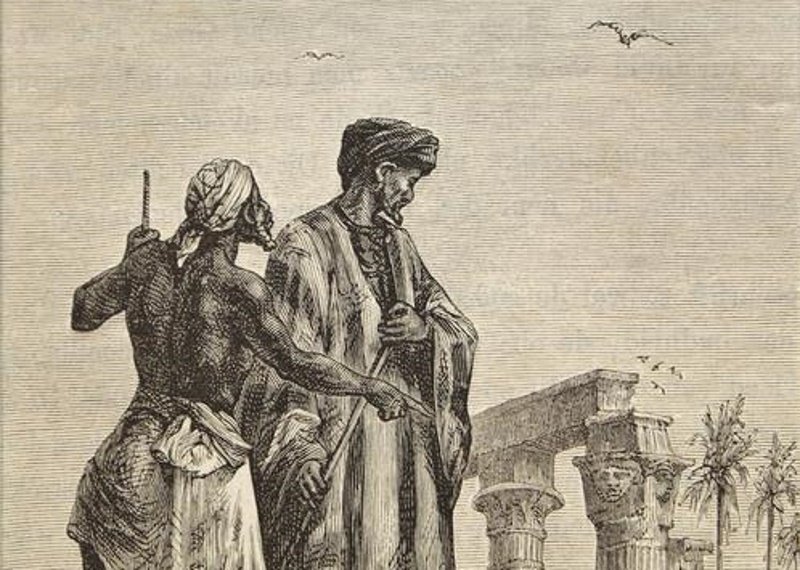
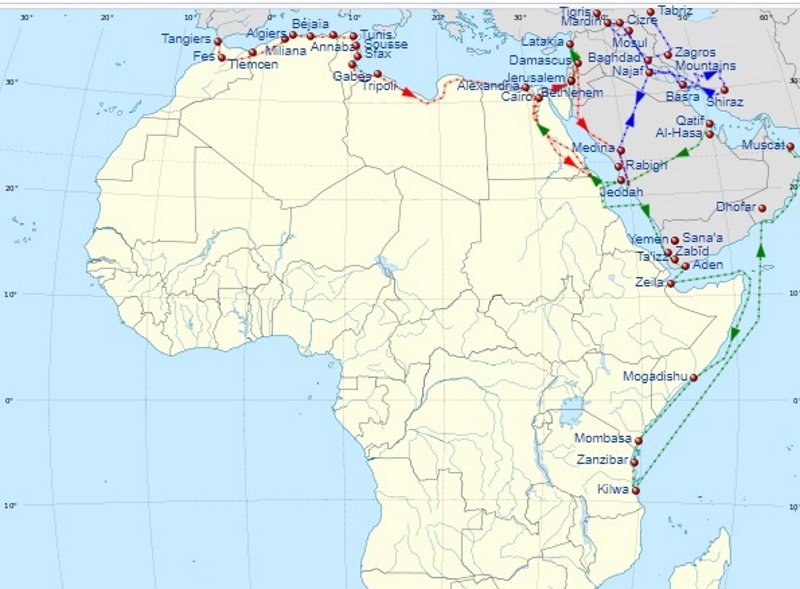
Morocco produced one of the greatest travelers in history: Ibn Battuta (1304 to around 1369). In 1325, he set out from Tangier on a pilgrimage to Mecca and did not return home for almost 25 years. He traveled through North Africa, the Middle East, East Africa, Central Asia, India, Southeast Asia and, according to his account, China. On a final journey, he crossed the Sahara to the empire of Mali.
In total, he is estimated to have traveled around 117,000 kilometers, more than almost anyone else before the age of steam. His account of his journeys, known as the Rihla, is one of the most important sources on the medieval Islamic world.
4. Vasco da Gama
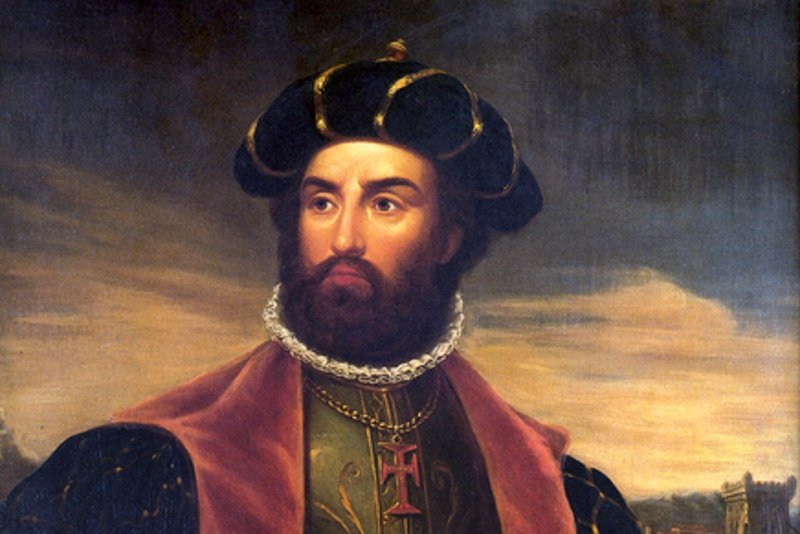
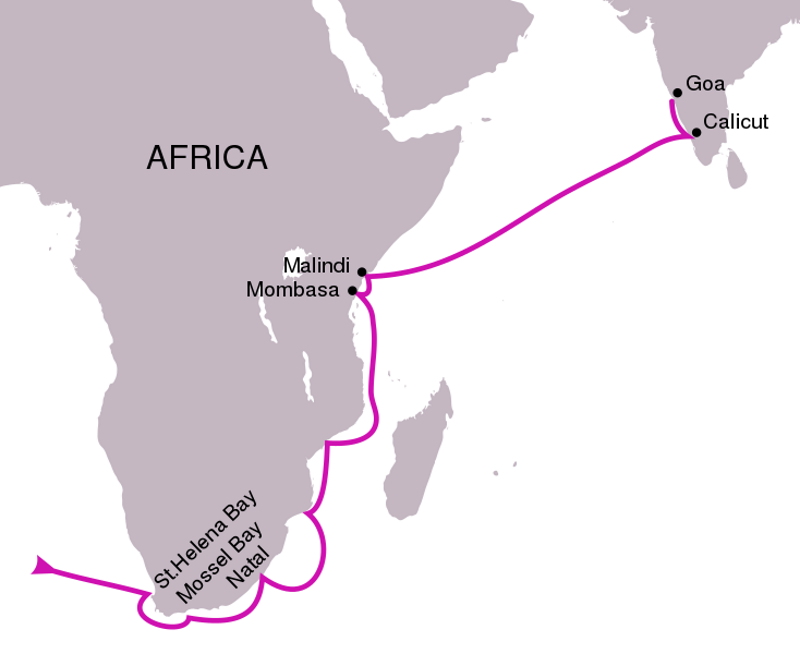
Vasco da Gama was the first European to reach India by sea, sailing around Africa. His fleet left Lisbon on 8 July 1497 and, after storms, scurvy and tense encounters along the East African coast, reached Calicut on 20 May 1498. The sea route to the Indian Ocean was now open to Portugal.
The return journey was a disaster, and many of the crew died of scurvy. Da Gama later led a second expedition in 1502 that became infamous for its brutal violence. His name is therefore linked both to discovery and to the harsh colonial reality that followed.
3. Christopher Columbus
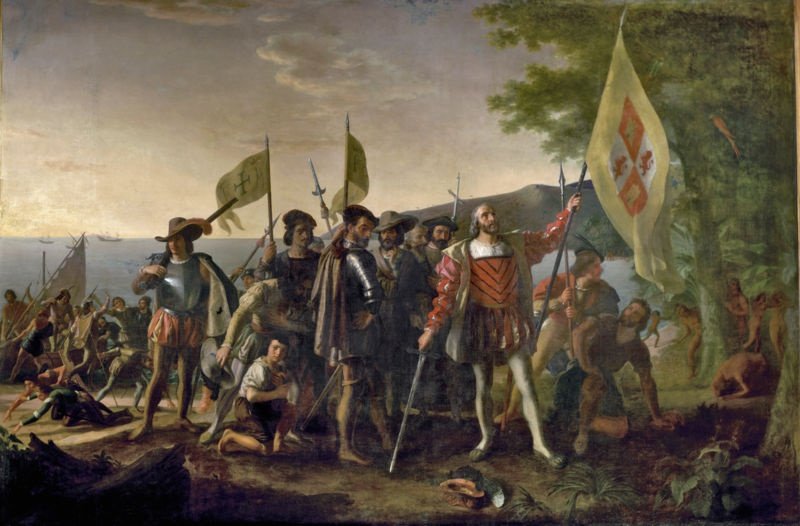
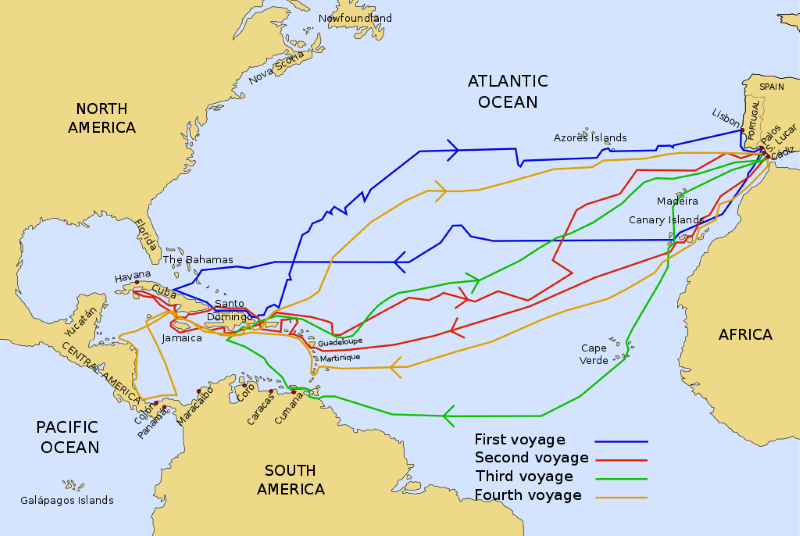
Christopher Columbus was born in Genoa but sailed for Spain. In 1492, he crossed the Atlantic westward, hoping to reach Asia. He landed first on an island in the Bahamas (the exact location is still debated) and then explored Cuba and Hispaniola. His arrival marked the beginning of European colonization of the Americas, with devastating consequences for the Indigenous peoples.
He made three more voyages to the New World and only reached the South American mainland on his third voyage, in 1498. Yet until the end of his life, Columbus remained convinced that he had found a route to Asia.
2. Amerigo Vespucci
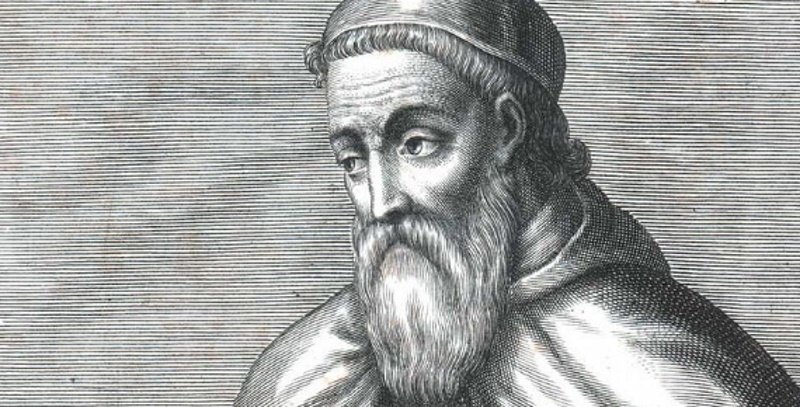
Florentine Amerigo Vespucci was a merchant before he became an explorer. He took part in voyages along the east coast of South America around 1500, and his letters and reports were widely read in Europe. In them, he argued that the land was not the edge of Asia, but a “New World”.
Some of Vespucci’s claims about how many voyages he made are disputed by historians. But in 1507, German mapmaker Martin Waldseemüller used the Latinized form of his first name, Americus, on a world map, and the name America stuck.
1. Leif Erikson
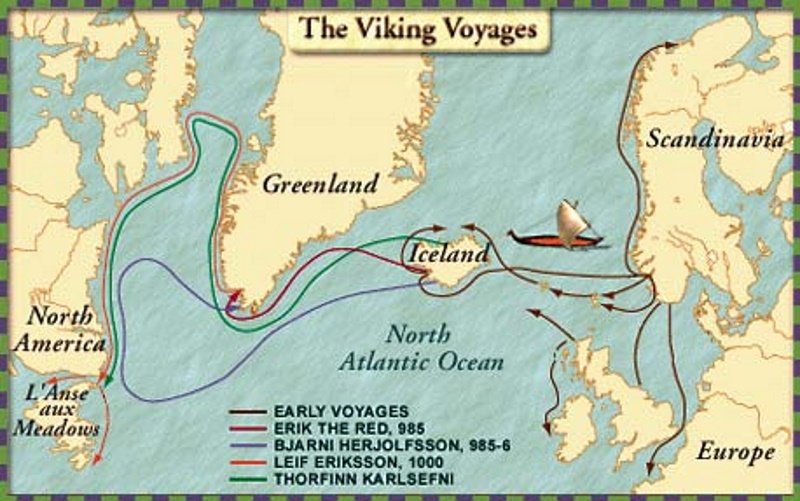
Although Columbus is often credited with “discovering” America in 1492, Norse explorer Leif Erikson almost certainly got there about 500 years earlier (and the ancestors of Native Americans thousands of years before that). Around the year 1000, he sailed from Greenland to a land he called Vinland. In the 1960s, the remains of a Norse settlement were found at L’Anse aux Meadows in Newfoundland, Canada. In 2021, scientists showed that wood at the site had been cut by Vikings in exactly the year 1021, the earliest known date of Europeans in the Americas.