Sometimes logic says you should give up. The ammunition is running out, the enemy outnumbers you many times over, and there is no way back. Yet it is exactly those moments, the famous last stands, that still give us goosebumps centuries later. They are stories of stubbornness, honor and almost incomprehensible courage.
These are ten times when a small group of fighters decided that surrender was not an option. Most of them lost the battle, but they won a place in history.
1. The 300 at Thermopylae (480 BC)
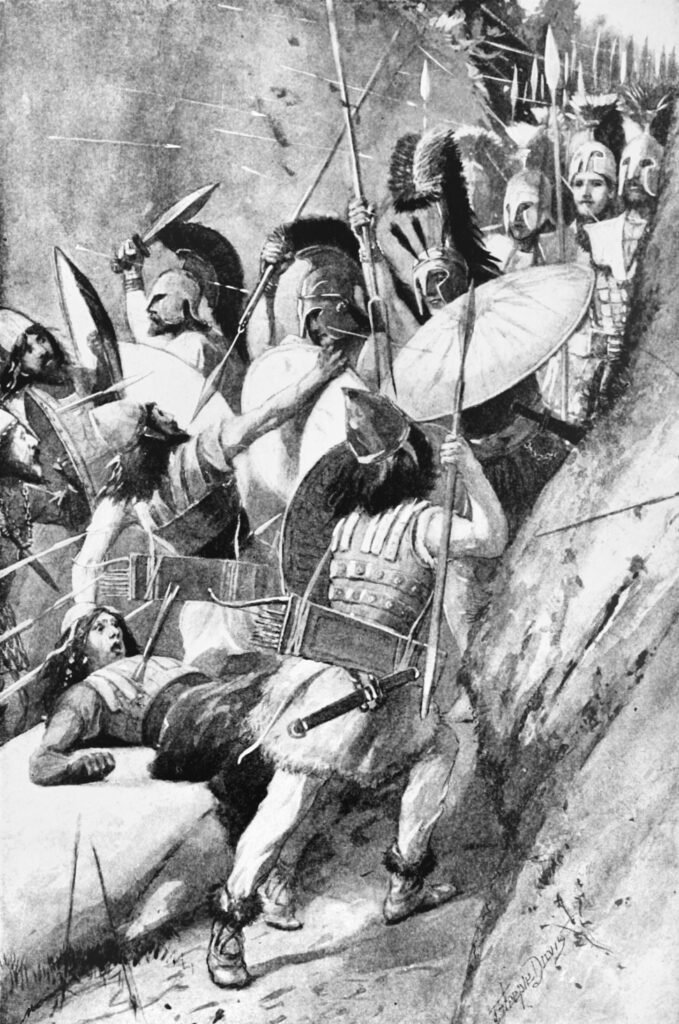
This is the classic last stand. King Leonidas of Sparta led a Greek force of several thousand men, including his famous 300 Spartans, to block the narrow pass of Thermopylae against the huge invading army of the Persian king Xerxes. According to Herodotus, when a Spartan was told that the Persian arrows would blot out the sun, he replied that they would then fight in the shade.
For three days, the Greeks held the pass. Then a local man showed the Persians a mountain path around it. Leonidas sent most of the Greek troops away, but stayed behind with his Spartans and several hundred other Greeks to cover their retreat. They fought to the end. They could not win, but they bought time for the rest of Greece, and their refusal to retreat became a lasting symbol of defiance.
2. The Swiss Guard and the Sack of Rome (1527)
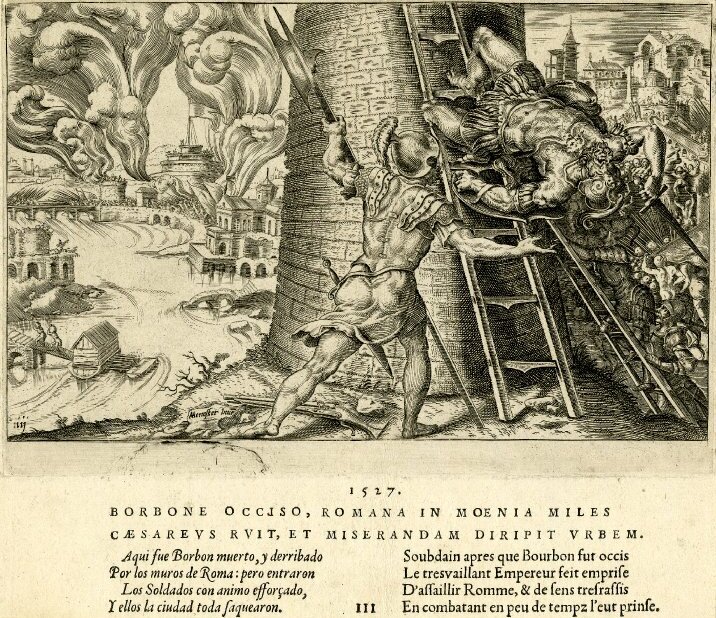
On 6 May 1527, mutinous troops of Emperor Charles V stormed Rome, and the city turned into a slaughterhouse. The Pope’s Swiss Guard stood between the attackers and Pope Clement VII.
Near St. Peter’s Basilica, 189 guardsmen faced an army of around 20,000 soldiers. They fought until almost all of them had fallen, giving the Pope time to escape through a fortified passage to the Castel Sant’Angelo. Only 42 guardsmen survived. To this day, new Swiss Guards are sworn in on 6 May, in memory of that day.
3. The Alamo (1836)
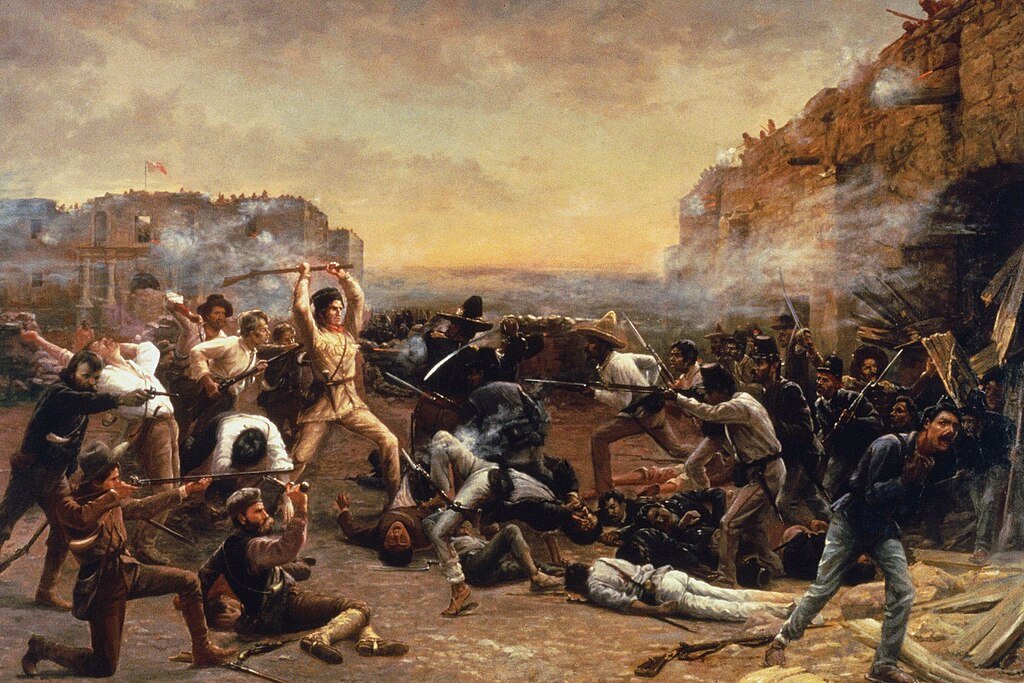
The Alamo was an old mission in Texas where a group of around 200 Texan defenders held out for 13 days against a Mexican army of thousands. Among the defenders were famous names such as Davy Crockett and Jim Bowie. Help never came, but they refused to surrender.
When the Mexican troops finally broke through the walls on 6 March 1836, a merciless fight followed in the rooms and courtyard. All the defenders were killed, although a number of women, children and slaves inside the mission were spared. Their sacrifice fueled the Texan revolution: “Remember the Alamo!” became the battle cry at San Jacinto a few weeks later, where the Mexican army was defeated.
4. The wooden hand of Camerone (1863)
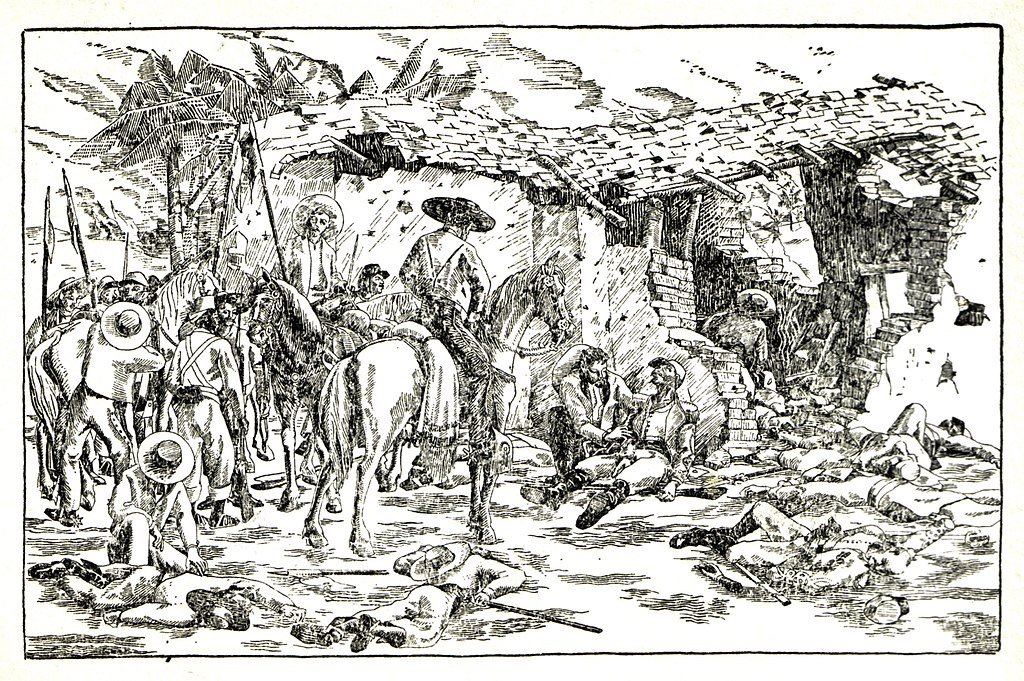
In the scorching heat of Mexico, 65 men of the French Foreign Legion made history. Led by Captain Jean Danjou, they were surrounded by around 2,000 Mexican troops at a farm called Camarón. Danjou, who had a wooden prosthetic hand, made his men swear that they would never surrender.
They held out for around ten hours without water or food. When only a handful of men were left standing, they launched a final bayonet charge. The Mexican commander was so impressed that he allowed the survivors to keep their weapons and to care for their wounded. “These are not men, they are devils,” he is said to have exclaimed. Danjou’s wooden hand is now the Legion’s most treasured relic.
5. Shiroyama, the last samurai (1877)
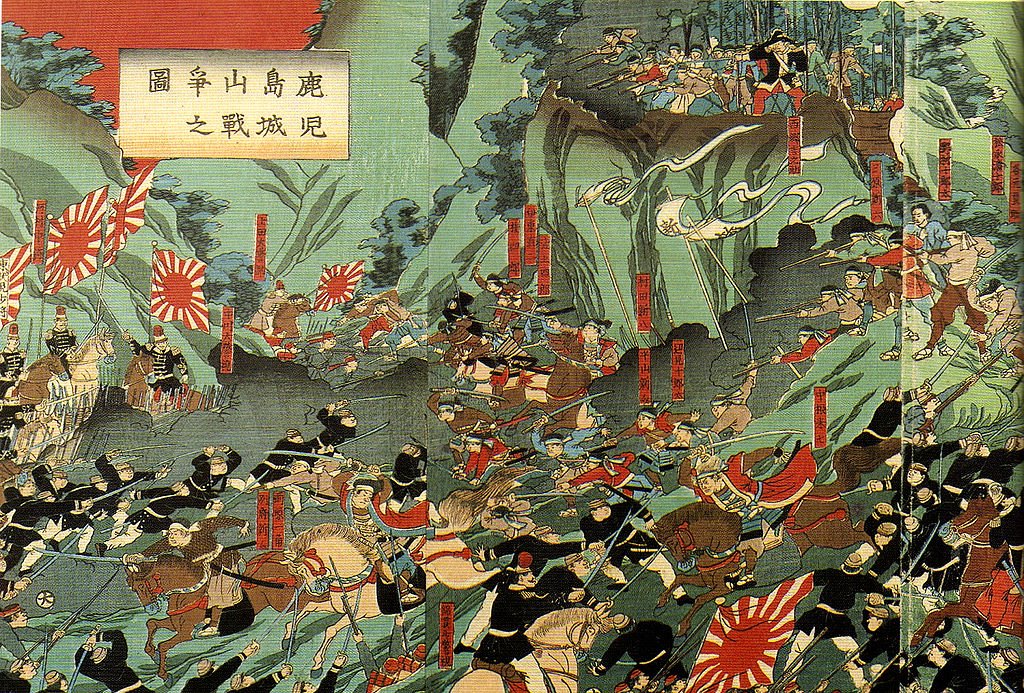
This was the fatal clash between the old Japan of the sword and the modern Japan of the rifle. Saigō Takamori and his last few hundred samurai were surrounded on the hill of Shiroyama by around 30,000 imperial troops.
With almost no ammunition left, the samurai made a final charge, largely with swords, into modern rifle fire. Saigō was badly wounded and died, and his men were wiped out. It was the bloody end of the samurai rebellions, and Saigō became a national legend. His story inspired, among others, the film The Last Samurai.
6. Rorke’s Drift: about 150 against 4,000 (1879)
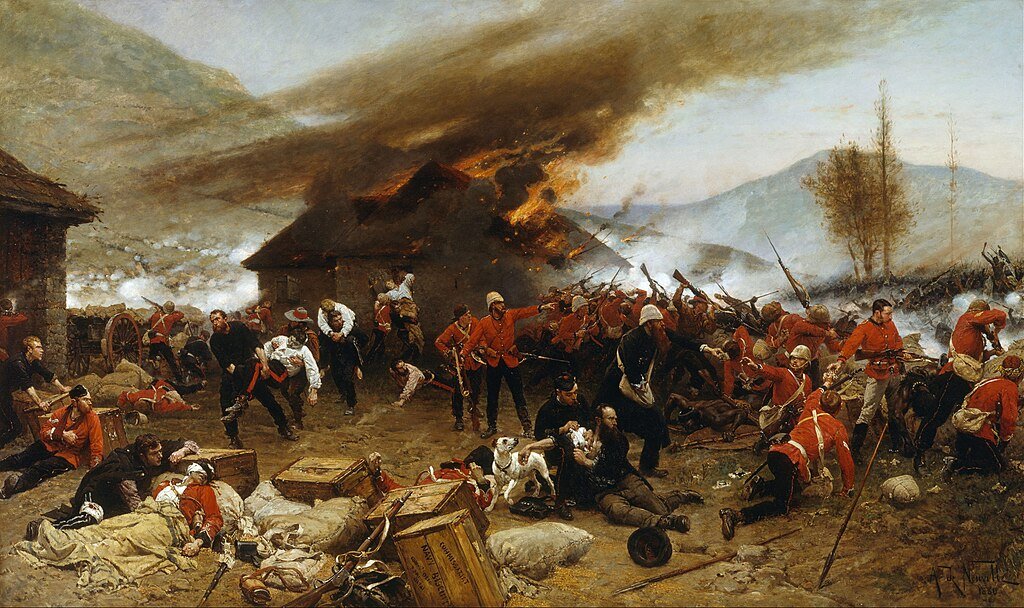
On the same day that the British suffered a crushing defeat against the Zulus at Isandlwana, a force of around 4,000 Zulu warriors attacked the small mission station of Rorke’s Drift. Inside were only around 150 British and colonial soldiers, many of whom were sick or wounded.
All through the night, the defenders fought behind makeshift barricades of mealie bags and biscuit boxes. Against all odds, they held out. Eleven Victoria Crosses were awarded for the defense, the most ever for a single action. It showed that discipline and a good position can sometimes overcome impossible odds.
7. Pasir Panjang: Adnan’s last fight (1942)
During the Japanese invasion of Singapore, a Malay regiment defended the strategic Pasir Panjang ridge against a vastly superior Japanese force of around 13,000 men. Led by Lieutenant Adnan bin Saidi, they refused to give up an inch of ground.
Even when he was badly wounded, Adnan kept urging his men to fight on. After his capture, the Japanese, furious at the fierce resistance, executed him brutally. Today, his courage is still an important symbol of national pride in Singapore and Malaysia.
8. Bastogne: “Nuts!” (1944)
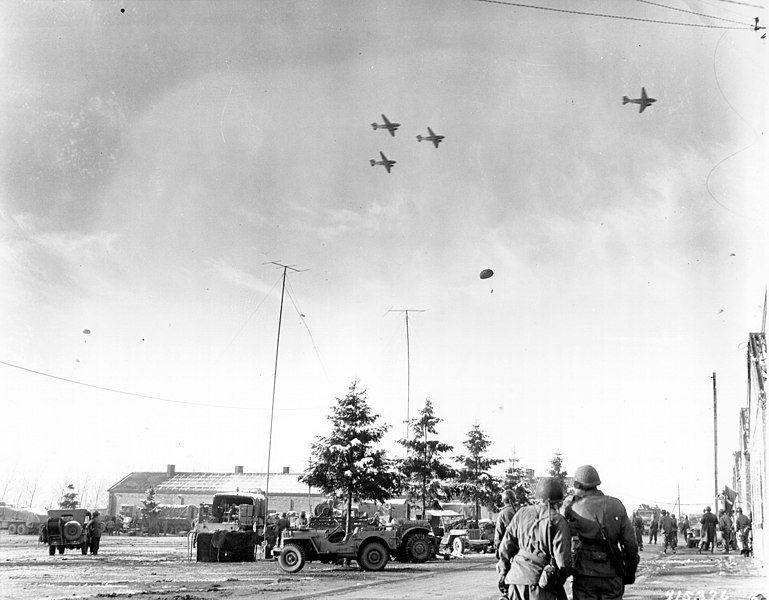
In the freezing winter of the Ardennes, during the Battle of the Bulge, the American 101st Airborne Division and other units were surrounded in the Belgian town of Bastogne. The Germans demanded an honorable surrender. Brigadier General Anthony McAuliffe replied with one of the shortest and most famous answers in military history: “Nuts!”
The Americans had too little winter clothing, and ammunition was running low. Still, they held out in their foxholes under heavy shelling until Patton’s Third Army broke through the encirclement. Their refusal to give in helped stop the last major German offensive in the west.
9. The housecarls at Hastings (1066)
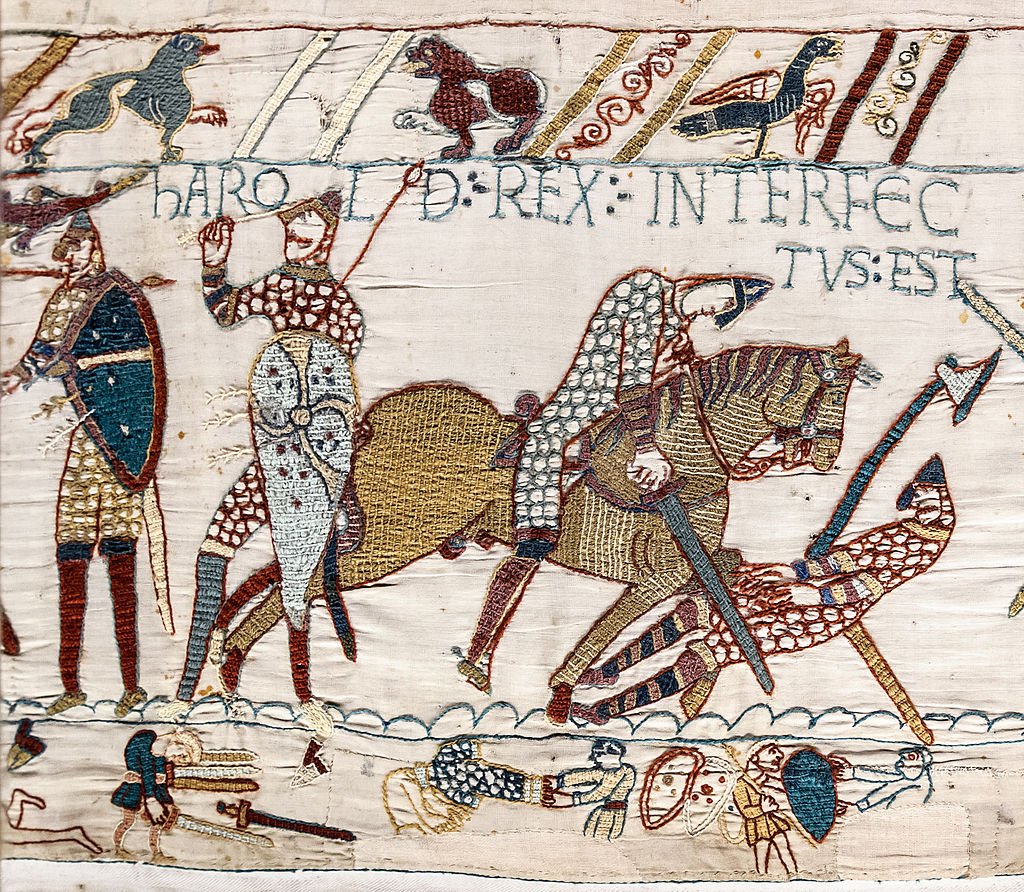
The Battle of Hastings was a brutal battle of attrition. The Anglo-Saxon King Harold II had just won a battle in the north, at Stamford Bridge, and had to march south immediately to face the Normans of William the Conqueror. The core of his army consisted of the housecarls, elite warriors armed with huge two-handed axes.
For hours, they held an impenetrable shield wall on the ridge. Only when Harold was killed did the English line begin to break. But according to the chroniclers, the housecarls did not flee: they fought on around the body of their dead king until the last man fell. Their defeat changed the history of England forever.
10. Samar: a bluff on the high seas (1944)
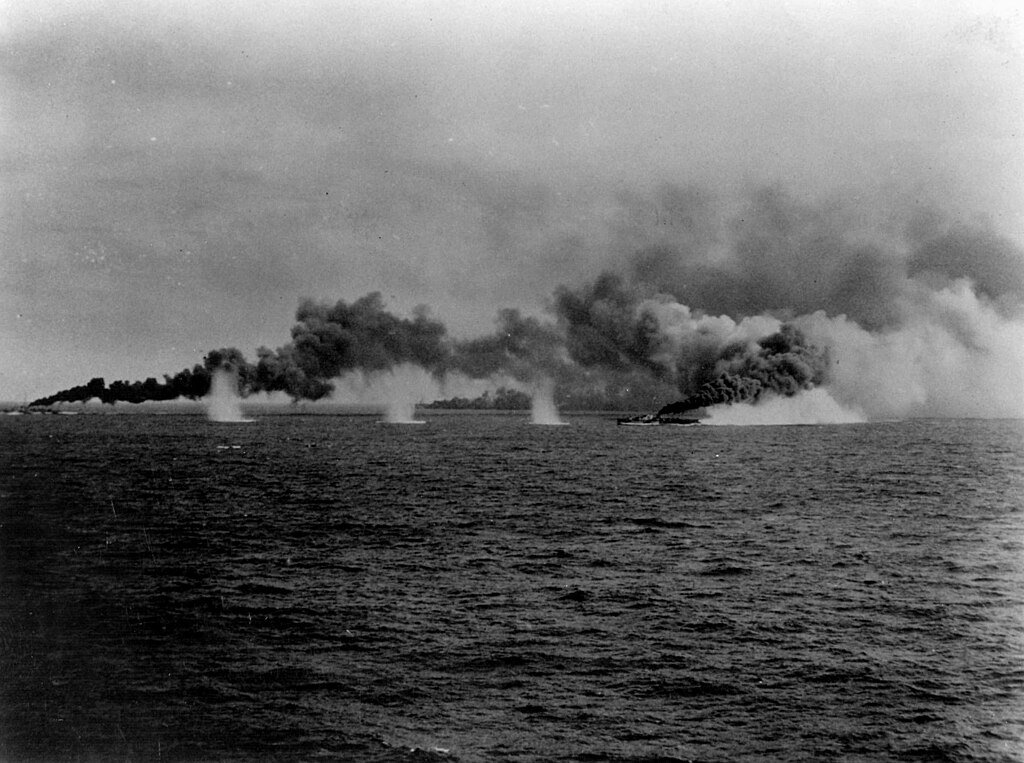
In what was probably one of the most unequal naval battles ever, a small American task group, known as Taffy 3, came face to face with a powerful Japanese fleet that included the giant battleship Yamato. The Americans only had small escort carriers, destroyers and destroyer escorts, nicknamed “tin cans” for their thin armor.
Instead of fleeing, the American destroyers charged straight at the Japanese battleships and cruisers, firing everything they had. Planes from the escort carriers joined in, some even making dummy attacks without ammunition. The Japanese commander became convinced that he was facing a much larger force, and withdrew. The Americans lost five ships and more than a thousand men, but a bluff of epic proportions saved the day.